Ten More ’79 Words Story’ Entrants…

I’m honoured to be among the many wonderful writers who have so far taken up this 79-word story challenge. It was indeed a challenge, especially since my word count needs to go back to basics and learn to count properly! Enjoy all the stories and many thanks to Chris for staging this challenge.😃

Chris The Story Reading Ape's avatarChris The Story Reading Ape's Blog

79 WSC

Further to the fun 79 Word Challenge set byAuthor Andrew Joyce– clickHEREto check out HIS story AND click HERE to see the first seven great entries 😀

NOW READ TEN MORE ENTRIES BELOW:

(To visit the writers blogs, click on their names or photos)

〜〜〜〜〜

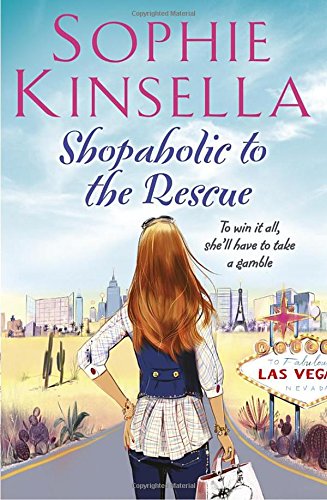
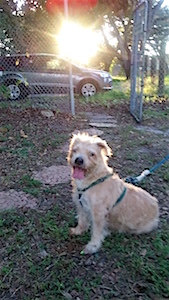
‘Found’ by Danny the Dog

Danny the Dog

The woods are dark, the cabin isolated.

In the distance, a bird cries into the night.

The only light, the fire in the hearth.

Not far off, a twig snaps underfoot.

Someone softly comes my way.

The dread in me rises.

Have I been found?

I am cut off from running; it is too late for that.

In pensive silence, I await my fate.

The door bursts open, Andrew is silhouetted against the stars.

SURPRISE!”

I so hate birthdays.

〜〜〜〜〜

I Live Here by Annette Rochelle Aben

Annette

All she kept emphatically telling everyone was…

View original post 820 more words

Blockbusters – A Poem

IMG_0823

Today is the 21st National Poetry Day here in the UK with events taking place nationwide with flash-mobs of poetry readings, Blackpool lights ablaze with verse as well as schools around the country taking part in a Readathon. 

To celebrate the event I want to feature the work of a friend and new poet, Thalia Gust. I find her work astonishing on so many levels, at times ethereal and spiritual, then humorous, later down-to-earth. From the personable to the international.  Always a delight and I hope you enjoy and find the poem as rewarding as I do.

Blockbusters

We have ‘Blockbusters’, ‘Hits’, ‘Bestsellers’

All aggressive words and little to do with Creation.

We grab some food, hit the sack, beat the record.

Where is the grace gone?

♦♦♦

Pour souls, beaten to death

No succour to be had

Art and literature turned to weapons,

Stealthily harming us all.

♦♦♦

Where is the balm, the uplifting thoughts,

The poems and books.

Did they all get sacrificed on the altar

The altar to Mammon.

♦♦♦

Empty spirits and souls

Buried under the avalanche, feeding mindlessly

Slowly dying, crying and hungry

For the rescue team to come.

♦♦♦

Stop sitting in the stinking mud.

Stand up, cleanse the silt from your soul.

Walk away from it all, lift your eyes to the sky

Let the sound of nature fill your heart.

♦♦♦

Watch, there is a glimmer guiding you out

Guiding you, showing the way.

New books, new films are filling the void

Showing us the simple fullness of life.

♦♦♦

They come quietly, without fanfare

They are written from the heart

From mouth to mouth they spread

Like gentle rain from heaven, their words transform.

© Thalia Gust

Finally on this National Poetry Day a special collection of poems , Light – A National Poetry Day Anthology, has been created and is free to download. I highly recommend this and one of my childhood favourites made it in – Edward Lear’s The Owl and The Pussycat.

My Life in Books Tag

booktag

I enjoyed reading Charley’s recent post at booksandbakes1  on the tag of My Life in Books and she kindly nominated anyone who wanted to participate. My hand shot up as the prospect of having an excuse to study my books was irresistible. What a treat!

Blimey! Where to start? By my reckoning I read at least 80 books a year, so that alone adds up to … a lot of books. I slowly dawdled past my old flames, scanning the covers, stopping to flip through the pages, reading a snippet here or there. It quickly became evident that this post would take some time to complete…hours later…

Here are my book selections for the tag and I’ve added a twist by including the first sentence/paragraph of each book as a taster. I want to mention that the books read in recent years, most of which have been on Kindle, are sadly ruled out. The choice was still staggering however.

  1. FIND A BOOK FOR EACH OF YOUR INITIALS.

I cheated a bit here by including my middle name too.    

A.

2015-10-05 15.02.01 

This is the  last of Thomas Eidson’s excellent and heart-stopping trilogy.

‘Like a frigid hand of ice gripping the back of her neck, the winter wind blew in across the prairie, over the quiet farmyard and into the garden where they stood staring at the coffin. She shivered.’

M.  

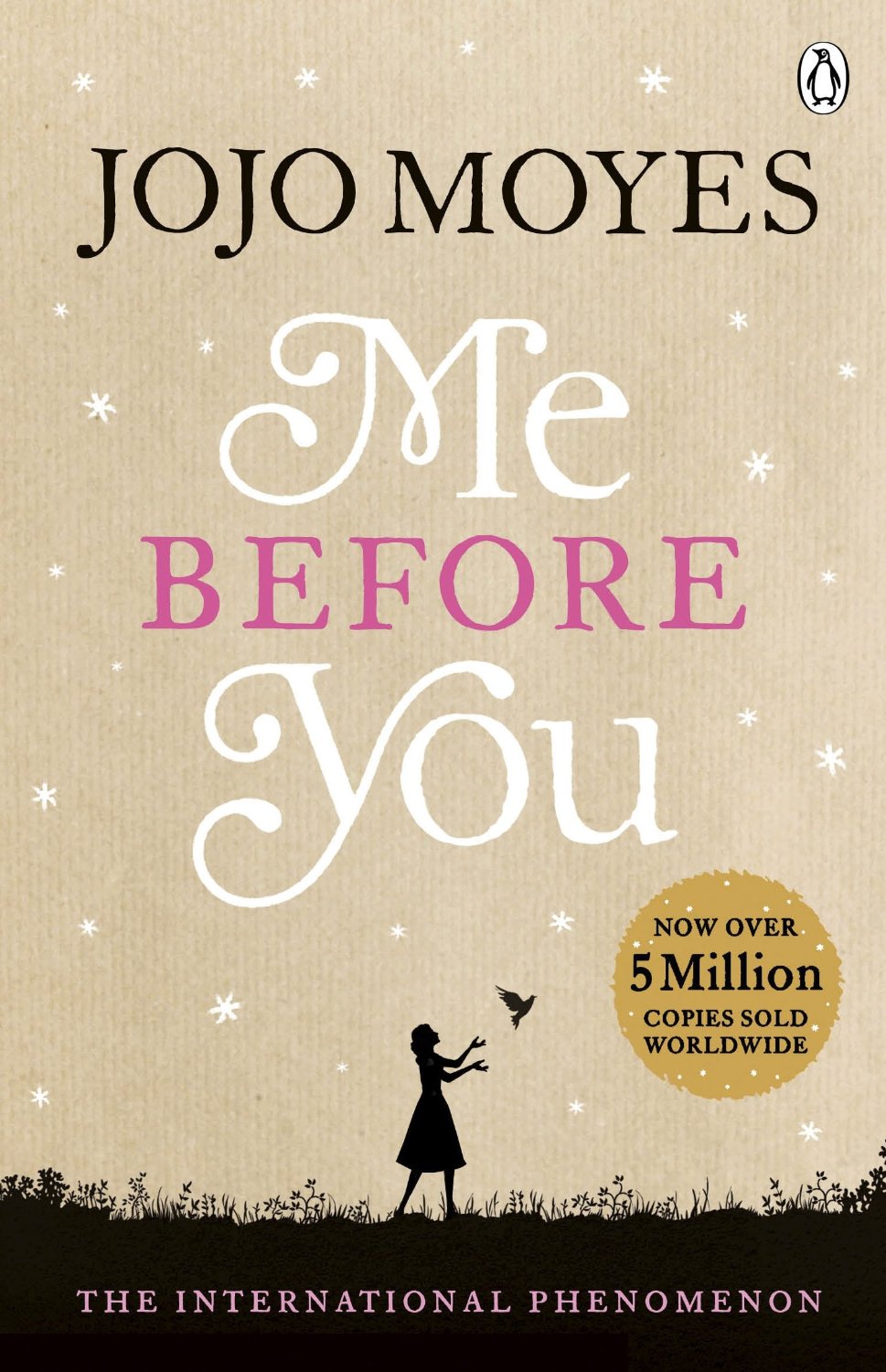
me

Get your tissue box out for this one – although I rarely cry whilst reading this one had me weeping by the end. Beautiful but so sad. I’ve put the sequel ‘After You’ on to my Christmas list. The sequel is a first for Jojo Moyes but she could not resist the clamour from her fans to learn more about Louise and her life.

‘There are 158 footsteps between the bus stop and home, but it can stretch to 180 if you aren’t in a hurry, like maybe if you’re wearing platform shoes.’

P. 

papillon1

Gosh, I re-read this many times in my teens and then later relished seeing Steve McQueen in the film version. I suffered with him throughout and by the end collapsed on the sofa exhausted. 

‘The blow was such a stunner that it was thirteen years before I could get back on my feet again.’

2. COUNT YOUR AGE  ALONG YOUR BOOK SHELF – WHICH BOOK IS IT?

A tricky one as the house is encumbered with bookcases but I have an antique-style desk with top bookshelf where my all time favourite books reside. I counted and stopped at my age.

2015-10-05 14.58.06

A must-read for mankind I feel. 

‘You who live safe

In your warm houses,

You who find, returning in the evening,

Hot food and friendly faces:

Consider if this is a man

Who works in the mud,

Who does not know peace,

Who fights for a scrap of bread,

Who dies because of a yes or a no.’

3. PICK A BOOK SET IN YOUR STATE/COUNTY/CITY/COUNTRY

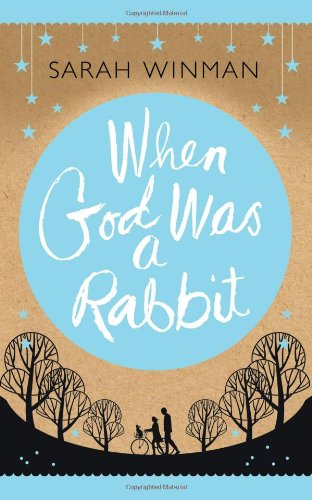
god1

This book starts in the county I’m living in now, so just slides into this category by my reckoning.

‘I decided to enter this world just as my mother got off the bus after an unproductive shopping trip to Ilford.’

4. PICK A BOOK THAT REPRESENTS A DESTINATION YOU WOULD LOVE TRAVEL TO

ladies2

I am a great fan of Mme Ramotswe of Alexander McCall Smith’s The No. 1.  Ladies Detective Agency and I would love to travel to the warmth of Botswana, sit in a cafe and do nothing but gaze onto life outside whilst sipping redbush tea. Oh well, I’l make do with reading the books and watching the TV series. 

‘Mme Ramotswe had a detective agency in Africa, at the foot of Kgale Hill. These were its assets: a tiny white van, two desks, two chairs, a telephone and an old typewriter. Then there was a teapot, in which Mme Ramotswe – the only lady detective in Botswana – brewed redbush tea.’

5. PICK A BOOK THAT’S YOUR FAVOURITE COLOUR

hand

As such I don’t have a favourite colour but I adore this cover of the sunset over the sea and must say that I bought the book for that alone, before becoming engrossed and anguished by the tale that unfolded. I cannot recommend this book highly enough.

‘Most days I wish I was a British pound coin instead of an African girl.’

6. WHICH BOOK DO YOU HAVE THE FONDEST MEMORIES OF?

the hob

As so many writers I was inspired by a wonderful teacher. When I was aged 8-years-old Mr Kewley introduced this book to us. I have re-read it countless times, the magic of words still beating their song in my heart. The book holds a particular pathos for me as my then favourite teacher passed away two years later from leukaemia. 

‘In a hole in the ground there lived a hobbit. Not a nasty, dirty, wet hole, filled with the ends of worms and an oozy smell, nor yet a dry, bare, sandy hole with thing in it to sit down on or to eat: it was a hobbit-hole, and that means comfort.’ 

7. WHICH BOOK DID YOU HAVE MOST DIFFICULTY READING?

mason

Having read and mostly enjoyed ‘Gravity’s Rainbow’ I bought this hardback with confidence. Alas all my attempts to read beyond the first chapter failed and it now sits in my book shelf, unread, pristine. Such a pity as I loved the concept and it felt such a noble enterprise.

‘Snow-Balls have flown their Arcs, starr’d the Sides of Outbuildings, as of Cousins, carried Hats away into the brisk Wind off Delaware.-the Sleds are brought in and their Runners carefully dried and greased, shoes deposited in the back Hall…’

8. WHICH BOOK IN YOUR TBR PILE WILL GIVE YOU THE BIGGEST SENSE OF ACCOMPLISHMENT WHEN YOU FINISH IT?

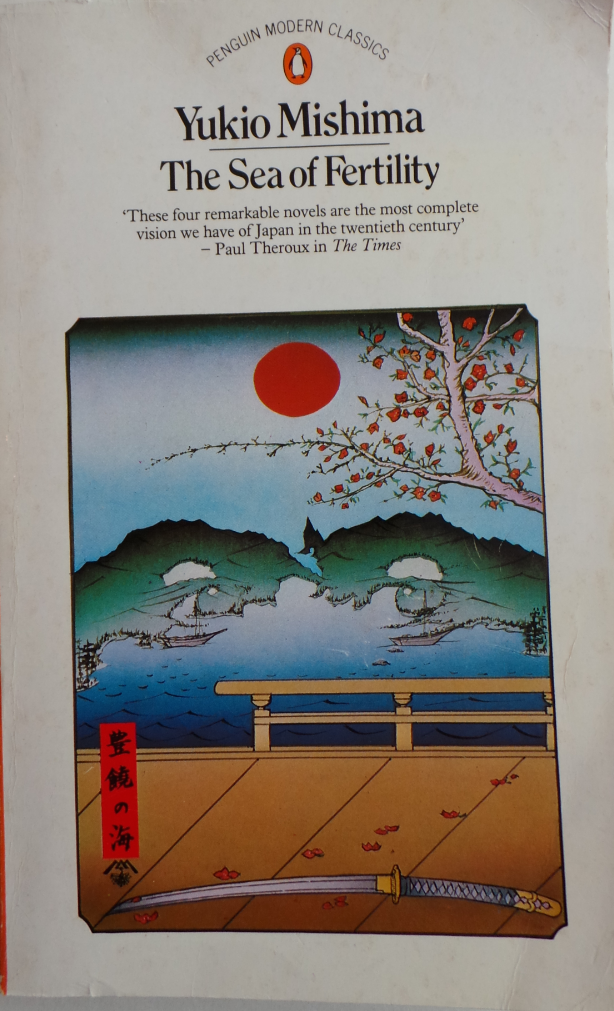
2015-10-05 14.55.20

In my twenties I was introduced to this and it is a tricky read and took a long while to attune myself to the complex language. I was thrilled to have finished it but also surprised how much by the end it had become part of my inner self.

‘When conversation at school turned to the Russo-Japanese War, Kiyoaki Matsugae asked his closest friend Shiegkuna Honda, how much he could remember about it.’

I hope you have enjoyed reading about the books in my life and I would like nominate you fellow bloggers to carry on with the tag. I  look forward to learning about the books that have featured and are present in your life, please grasp hold of the baton and carry it forwards. It’s a great fun tag to complete. 

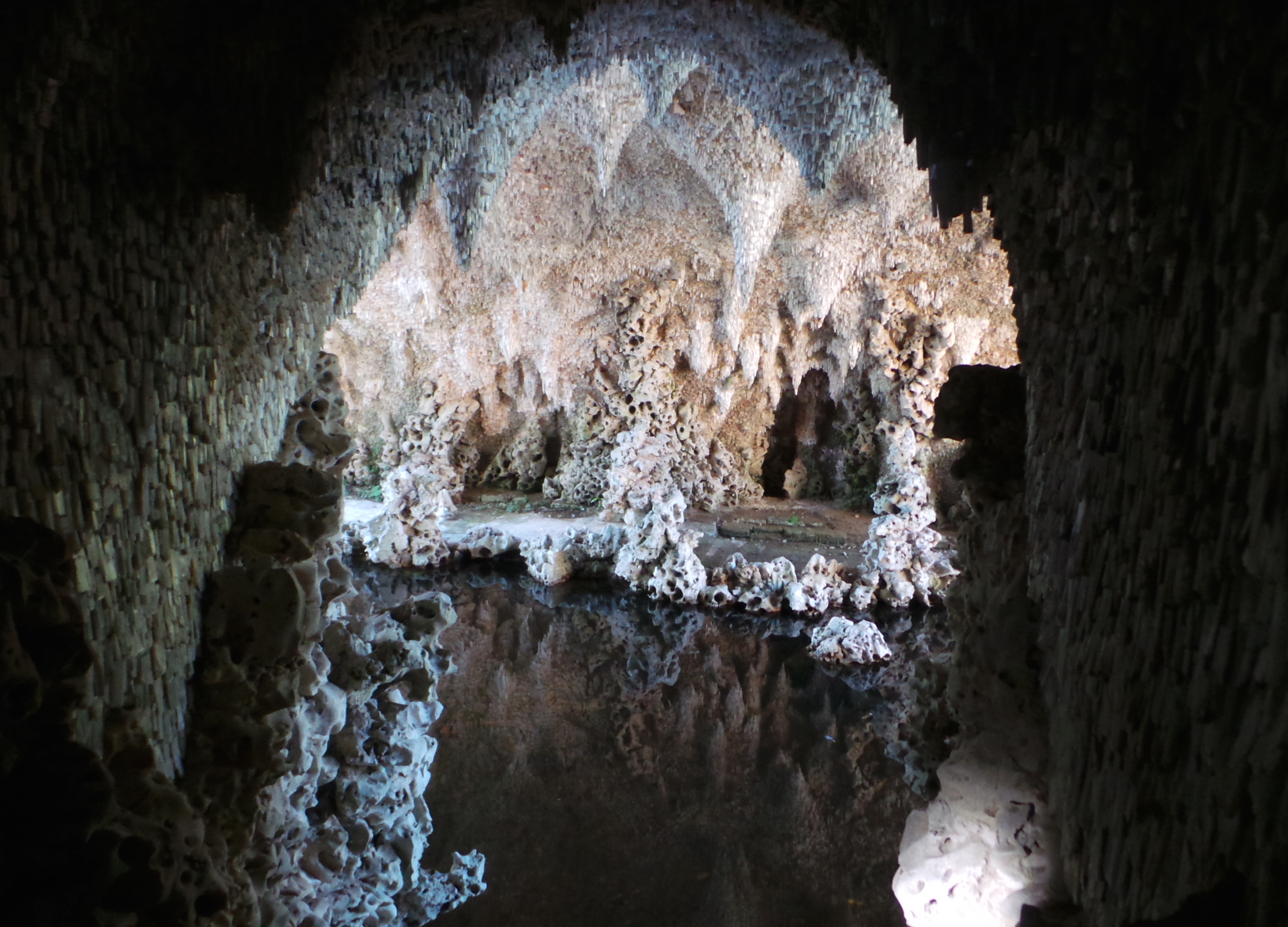
CRYSTAL GROTTO

grottothruwindow

“Two contrary emotions arose in me, fear and desire – fear of the threatening grotto, desire to see whether there are marvellous things in it.”    Leonardo Da Vinci

The same contradiction of feelings rose in me as I studied the noticeboard outside the grotto at Painshill Park, Surrey. Here, outside the bright sunlight sparkled across the lake and immaculately white swans swam in a disjointed line. Inside beckoned darkness and the unknown.

‘We are going to the park for a picnic,’ my friends had said. In my mind I pictured swings and slides interspersed with the occasional thwack of a football.

I never imagined this wondrous landscaped garden created over two hundred and fifty years previously. The perfect landscape of green grass, trees, vineyard and a lake with a variety of bridges. The park teemed with formidable follies such as a Turkish Tent perched on a hill, a Gothic Temple tucked away in the trees  and nestling away by the water’s edge the frontage of an abbey ruin.

For the creator of Painshill Park, Hon. Charles Hamilton (1704- 1786), the folly par excellence was this grotto, the largest and rarest of its kind in the country. Hamilton owned Painshill and as a landscape gardener with experience to rival Capability Brown, he designed the garden, including the grotto, which alone cost over £ 8,000 (now £600,000). He then commissioned the premier grotto maker of the era, Joseph Lane to carry the project to completion.

I had heard murmurings from my friends about the grotto as we walked. ‘Recently restored grotto.’ ‘Took over 15 years to repair.’ ‘The whole roof had caved in.’ I paid scant attention to their words, allowing the briefest image of dark dank caves dripping with water to flash before my eyes before quickly banishing the images.

‘Can we go in?’ exclaimed my son as he rushed back from his ventures around the park. ‘It’s just around the corner,’ he added, knowing us too well.  Us lazy adults had enjoyed the unseasonal warmth and sunshine to rest on the blankets after a hearty lunch (thank you Waitrose!).

Who was I to say no? I’m glad I didn’t!

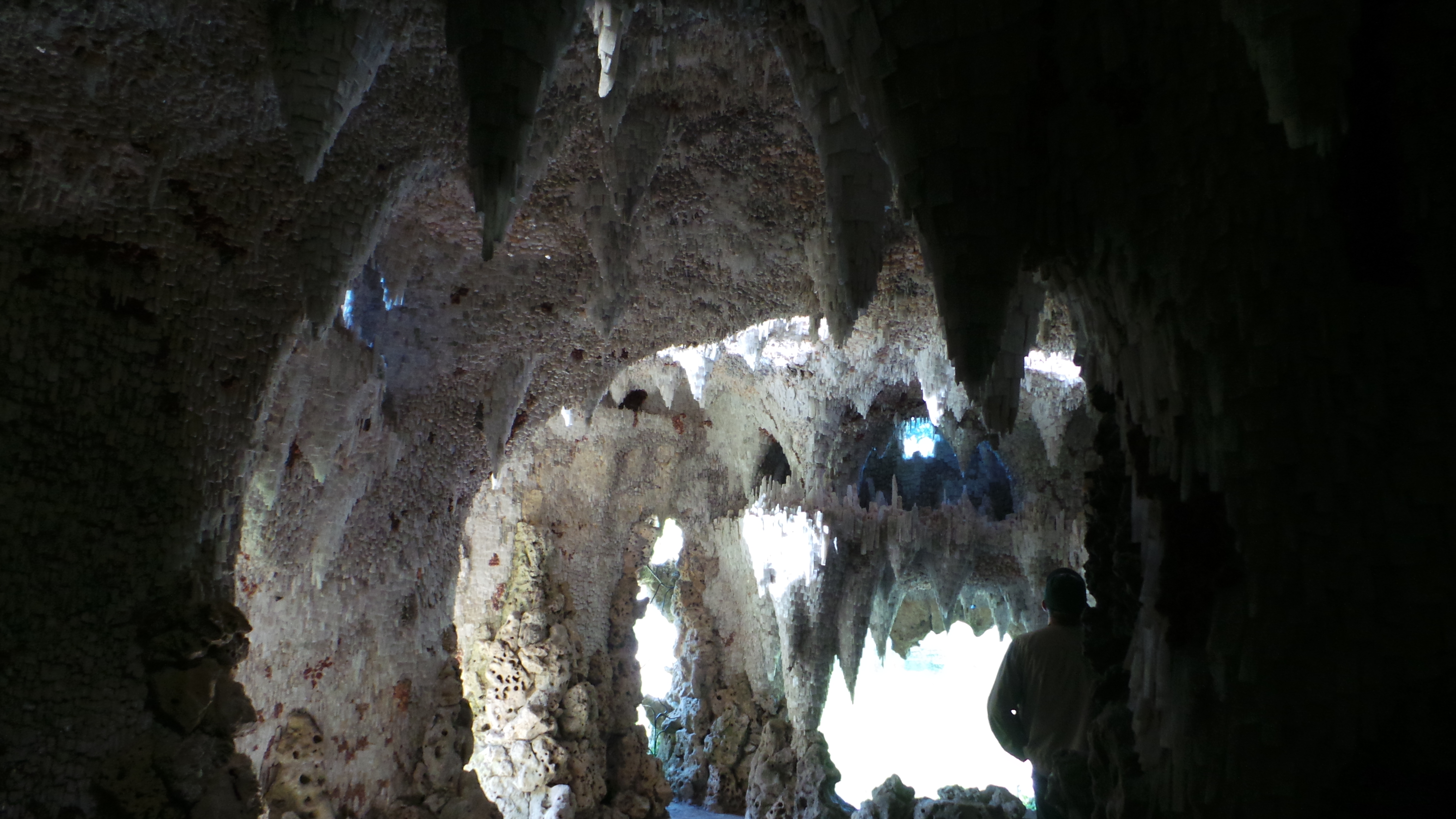
We ducked into the darkness and slowly our eyes adjusted to the dim light coming in slithers of beams from small openings in the corridor. In front of me unfolded the shimmering crystal display. If ever there was a ‘wow’ moment, this was it. In awe our small group were silenced and as one we twirled  around, appreciating the grotto entrance.

This was just a taster of what was to come, as we ambled carefully through the 60 ft long corridor to the main chamber. I stopped and gasped. My heart leapt with joy at the extraordinary vision surrounding me. A cavern of stalactites glittered from the roof of the cavern, water flowed gently to a pool and water dripped gently down the walls. Light filled the chamber, with beams of sunlight coming through the wall openings as well as light reflected from the serpentine lake. The largest opening was built to allow the light from the setting sun to shine into the chamber. The magical aura was all pervasive.

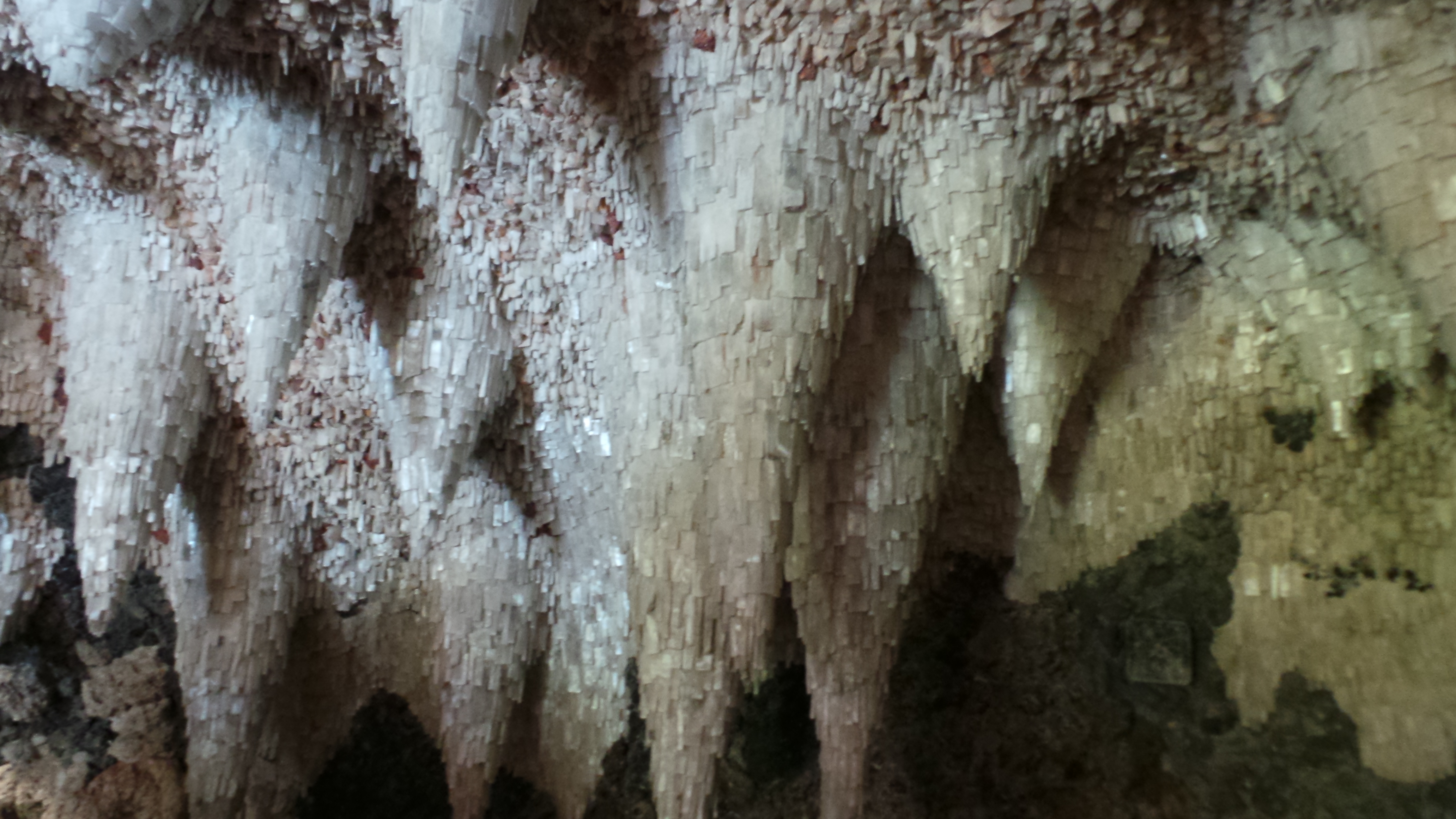
The stalactites are giant inverted wooden cones placed onto the main wooden superstructure which is the main chamber. The interior was covered in lime plaster, a task that alone took four months.

Hundreds of thousands of crystals were subsequently glued onto the coned stalactites and surrounding walls. The crystals were made from calcite, gypsum, quartz and fluorite and the restorers were lucky enough to be able to use some of the original crystals. Most had to be hand-cut however, this task taking over 9,000 man hours as well as eight months to glue into place. 

The vision for the completed restored grotto relied heavily on a 1776  painting of the grotto by Swedish artist and garden designer (Frederik Magnus Piper) to the King Gustav III of Sweden.  Alas google searches of the painting fell foul of European Data Protection laws.

The grotto is a peaceful haven with the sound of the rippling water an aural delight allowing meditative thoughts to flow. ‘The acoustics were amazing,’ my friends said, as if reading my thoughts. They had attended a violin concert in the grotto chamber last Christmas and couldn’t believe the magical quality of sound.

The one real stalactite

Visually alluring was the pool of water into which the water flowed. If relatively calm it became ‘nature’s mirror’ and staring into its shallow depths I was overwhelmed with a deep sense of infinity.

In silent harmony we headed one by one to the dazzling blinding light outside, the peace and quiet remaining within us for a long time after our visit.

Thank you to my friends, I thoroughly enjoyed our day ‘in the park’!

ODE TO AUTUMN

Autumn colours

As we slowly slide into Autumn with the first frost of the new season stealing upon us last night I awakened to the sweet crisp chill air. 

This brought to mind a poet whose work I relished as young; snuggled into bed I would read his words aloud, enraptured by their beauty, their cadence; his verse so rich and full in sound and meaning.

Below is a poem by John Keats that captures this season so well. Take a minute or two to read aloud, revelling in his exquisite eloquent Romantic poetry.

Ode To Autumn

1.

Season of mists and mellow fruitfulness, 

        Close bosom-friend of the maturing sun;

    Conspiring with him how to load and bless

        With fruit the vines that round the thatch-eves run;

    To bend with apples the moss’d cottage-trees,

        And fill all fruit with ripeness to the core;

          To swell the gourd, and plump the hazel shells

        With a sweet kernel; to set budding more,

    And still more, later flowers for the bees,

  Until they think warm days will never cease,

          For Summer has o’er-brimm’d their clammy cells.

2.

  Who hath not seen thee oft amid thy store?

      Sometimes whoever seeks abroad may find

  Thee sitting careless on a granary floor,

      Thy hair soft-lifted by the winnowing wind;

  Or on a half-reap’d furrow sound asleep,

      Drows’d with the fume of poppies, while thy hook

          Spares the next swath and all its twined flowers:

  And sometimes like a gleaner thou dost keep

      Steady thy laden head across a brook;

      Or by a cyder-press, with patient look,

          Thou watchest the last oozings hours by hours.

3.

  Where are the songs of Spring? Ay, where are they?

      Think not of them, thou hast thy music too,—

  While barred clouds bloom the soft-dying day,

      And touch the stubble-plains with rosy hue;

  Then in a wailful choir the small gnats mourn

      Among the river sallows, borne aloft

          Or sinking as the light wind lives or dies;

  And full-grown lambs loud bleat from hilly bourn;

      Hedge-crickets sing; and now with treble soft

      The red-breast whistles from a garden-croft;

          And gathering swallows twitter in the skies.

Autumn red

BIDING HER TIME – Part Two

image

I am pleased to present the final part of Biding Her Time, my first winning short story which was published in Writing Magazine last year. Thank you for all your kind and positive words about Part One of the story posted yesterday.  Again, enjoy and I look forward to your comments.

BIDING HER TIME – Part Two

“Sir, he’s the brightest of us all, well, nearly, apart from Queenie of course.”

Sympathetic eyes scanned in her direction then back to the front.

“Sir, he is going to university. To be a doctor. He always said so.”

“Well, that was true. Life has changed suddenly for him and as the eldest he is starting work on his uncle’s boat tomorrow. You will all understand, I know,” replied the teacher, staring into space, to the space usually occupied by Thomas.

Without warning Queenie stood up. The chair screeched against the floor and as silently as she arrived that morning, she left, heading out into the warm sunshine. A warmth that failed to reach the chill in her heart. She did understand. His sorrow, at the loss of his father and his dream. Queenie shook with the realisation of her own loss of Thomas. Their future. Thomas and his lively exuberant presence and his kindness. All gone.

She saw him later that day, on top of the highest outcrop of rocks on the island. Look Out Point they’d all called it, playing pirates, fighting off the invaders. Thomas stood still but she could see the battle within him.There was a new firmness in his stance and a grim determination set on his face. With a start he shook himself out of his reverie and finally spotted Queenie. He nodded briefly, his eyes black with grief, then turned for home.

The following months and years passed somberly for Queenie. Her joyful singing became the hushed hum of insects, her skipping metamorphosed into a considered mature step. She walked out with a couple of boys, respectable boys, in her father’s opinion. “Not like that Thomas,” he would add. “He doesn’t go to church anymore. He even drinks, I hear,” he would comment in disgust.

Queenie retreated to her studies, but the competitive excitement had long since evaporated. The classroom shrank in around her and her legs became numb, squashed under the small desk cubicle.

“You can’t let him go so easily, Queenie,” Betty reiterated. Betty, her friend at nursing school and who, since learning of her love for Thomas, had made it her personal mission to unite the two.

“You must fight for him. We’ll sort something out,” she said with conviction.

“My father. His disapproval…” said Queenie.

“You and Thomas will win that with time. You’ll see.”

Queenie was becoming colder by the minute. For over an hour the North Sea wind had whipped around her ankles, trying to raise her long marine blue skirt. Her new high heel boots caught unnervingly on the rough cobblestones of the quay and she tiptoed precariously between the minefield of trawls, which were strewn chaotically alongside.

Seeking shelter by a red fisherman’s hut, its paint peeling, she pulled her new tailored jacket around her.

“Ten more minutes,” Queenie muttered under her breath. She had already waited for nearly two hours and the bunch of wild flowers she had picked fondly that morning had started to wilt. She gave them a quick shake as if hoping to revive them then laughed at her own foolishness.

Had something happened to Thomas’s trawler? Why were they the last?

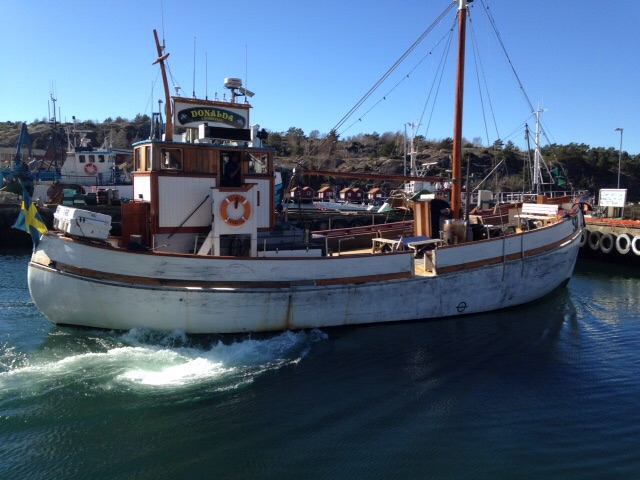
A sudden gust of wind lifted her new hat and its delicate blue feather fluttered in the breeze. She heard the soft ping of hat pins hitting the stones and scanning around she located them.  Securing the hat again, she failed to notice the wooden vessel approaching the harbour. It lay low in the water, laden with herring, as the captain skilfully steered between the harbour walls.

All onboard gawped at the astonishing sight of the stylishly clad woman on the quay, standing incongruously amongst the lobster pots and wooden boxes. Shielding her eyes, Queenie looked up quickly and scoured the deck for Thomas. She could not find him. Thomas had no such difficulty and called out to her but his shout of “Queenie!” was lost amidst the raucous cheers from the crew.

Minutes later, Thomas was able to climb down onshore and quickly he dashed after the now retreating figure of Queenie.

“Queenie?” he whispered reverentially.

“Queenie!” This time he shouted louder. She turned and waved, tossing the flowers to the side.

God, he’d missed her. That smile.

Rushing up to her, he stopped breathlessly and stared.

“Queenie. You are so beautiful. You’re all grown up.”

She laughed. “Of course, so have you.”

“What are you doing down here? What a coincidence. A wonderful one, mind,” said Thomas in awe.

“Yes, it is, isn’t it?” Again that smile

“Would you like to meet for coffee later?” asked Thomas boldly. “Once I’ve changed out of all this,” he added as he gestured to his bright orange oilskin clothes.

“I’d like to very much. Thank you,” said Queenie.

At that moment Thomas realised this woman was destined to be his wife. She just didn’t know it yet.

The End

© Annika Perry
BIDING HER TIME

image

During the past nine months of blogging I have had many kind requests for me to feature more of my writing. Today I am very pleased to post my first winning story, which was printed in Writing Magazine last year. As it is quite long, I have chosen to split this into two parts with the concluding part appearing tomorrow. Enjoy and I look forward to your comments.

BIDING HER TIME

Aged seven Queenie fell in love for the first time. The only time. From the moment she saw Thomas, she knew that here was her future husband. He just didn’t know it yet.

It was the first day of school and Queenie spotted Thomas at the front. Straight backed, tall, skinny, he sat next to the teacher’s desk. His blond hair was cut short military-style. The worn out trousers were a hand-me-down and the navy blue fisherman jumper had been repaired at the elbows. Nervously he fingered the black slate, then the chalk, before rubbing his dusty fingers across his trousers, leaving a white smiling streak grinning for the rest of the day.

Carefully Queenie edged past the other desks but felt a slight tug on her new skirt; it had caught on a wood splitter from one of the desks and sighing, she gently released the skirt and realised she could easily mend it later at home.

Tentatively she opened the lid of her desk, then, as she twisted to listen to her friend, it slammed shut. The classroom fell silent and all eleven pairs of eyes were on her. Even his. Thomas’s.  She smiled sweetly, shaking her head, the long pigtails waving apologetically to the teacher, the red bows catching the sunlight.

“Well, Queenie,” said the teacher. “Thank you for that, but please in the future leave it to me to settle the class. To work…”

The rest of the day passed in a blur as Queenie hugged her secret to herself and there it remained for the weeks, months and years ahead.

The infamous tales of Thomas and Queenie quickly spread across the small fishing island as the academic pupils rivalled for first place in every subject. Their nine fellow school friends awaited each test result with anticipation, as first one week Thomas excelled in maths, the following week Queenie produced a stunning essay.

One day as the sunlight streamed in through the windows, Thomas’s arm flew up in answer to the teacher’s latest maths question.

“Yes, Thomas. Please answer. Let’s see your ability to predict the future,” said the teacher with a quizzical smile. “Or shall I finish the question first? Eagerness is all well and good, but do be patient.”

Shamefaced Thomas remained silent for the rest of the day and he waited for Queenie to outshine him. She didn’t however, and stayed mute herself, feeling for him and his embarrassment.

Through the years the pair struck up a lively banter, but it was just that, banter. Yet Queenie knew. She felt her love flourish as Thomas grew into a young man; strong and broad now, regularly working on the boats, helping to bait the longlines at five in the morning before school.

With frost on his overcoat and hat he scrambled late into class and was allowed a minute to put the coat by the fire and to thaw his numb hands. He added his coarse grey woollen mittens to the rows already hanging on the wooden railings. Water dripped from them all and formed small pools below. A warm fug penetrated the classroom and by lunchtime the now only slightly damp mittens were retrieved, hats donned and coats buttoned up as they headed out again.

“Queenie! Wait!” called Thomas one day at home time. They were thirteen, she older by a month and therefore the boss – or so they joked.

“Queenie!”

She stopped, as did her heart for a second. The sun hung low in the sky, the sea mist coasting up the cliffs and across the playground, lapping at their feet.

“Here. Borrow my gloves. I saw yours still sopping wet from lunchtime. Mine are dry.” Gratefully she accepted and as she lent to pick up her books, Thomas, with his long arms, reached over and took them.

“Let me. I’ll walk you home.”

Anxiously he talked about the fishing, the latest herring prices and his uncle’s new trawler. Queenie smiled, her long brown hair tucked under her fur hat, the brown coat sweeping the ground. She could bide her time. Already a head taller than her, Queenie glanced up at Thomas, his blond hair darkening to a soft longer brown, a cap perched on his head. Yes, I can wait, she thought.

A few months later Queenie quietly let herself into the classroom, her eyes red and downcast. She raised her head only once, to look at Thomas’s desk, now unoccupied.

Her friends approached cautiously, as if trying to rescue an injured and frightened bird.

“We’re so sorry to hear about Thomas’s father,” uttered one friend.

“They say it was quick,” another tried to reassure. “Heart attack, wasn’t it?”

“How is Thomas? When is he coming back?”

Queenie just shook her head, unable to answer, her summer coat clasped tightly around her.

“Class, please settle.” Even the teacher was subdued. “We are all so sorry to hear about the loss in Thomas’s family. As some of you may know, he will not be returning to school…”

“What?!” The uproar was controlled but loud. Shocked chatter reverberated around the room.

End of part one…To read the concluding part, please click here.

© Annika Perry

WHAT MILO SAW – A BOOK REVIEW

image

If you are looking for a break from the current glut of dystopia novels than check out What Milo Saw by Virginia MacGregor, which is a heart-warming and engaging story centred around 9-year-old Milo.

Despite suffering from an eye disease which has left him with only pinhole sight, his depth of vision of the world around him exceeds that of the adults whom surround him.

As his gran, Lou, is put into a nursing home by his struggling mother only Milo can see the suffering and criminal acts carried out by Nurse Thornhill. Along with his pet pig, Hamlet, Milo sets out to expose the nursing home ‘Forget Me Not’ and free his gran from the misery.

Hamlet is a wonderfully crafted animal-character and I never imaged a pig would worm its way into my heart. Lovingly close to Milo’s gran, he snuggles next to Lou to keep her warm, raises the alarm in face of danger. Initially bought by his now absent father, Hamlet became Milo’s life-saver following his diagnosis about his eyes and impending blindness.

Alone to start with, Milo’s naive assumption that he can make a difference helps him to develop some unusual allies.

One is Al, the undercover journalist and also a relation. Al refuses to pander to Milo’s disability rather empowering him with advice on how to gather evidence.

To me more interesting is Tripi, a Syrian refugee who works as a chef at the nursing home and is astounded by the cultural differences compared to those in his country regarding the treatment of elderly relatives.

The story is bang up to date with the inclusion of Tripi, saved from certain death in Syria and now living and working (illegally) in the UK.

Tripi is initially an unwilling ally to young Milo, who helps him not only with accommodation away from the park bench but also helps him in his efforts to seek out his long lost sister. Tripi’s overwhelming sorrow is losing his sister as they fled Syria and he does not know whether she is alive or dead.  With a few deft sentences Virginia MacGregor captures the warmth and exotic nature of Tripi’s former life in Syria; my senses were awakened through the descriptions of the food and country.

Sandy, Milo’s mother, gradually develops from a rather stereotypical overworked single mother to one facing much more complex issues and with time the empathy and understanding for her grows as she herself adjusts to the truth of her situation and becomes aware of her own emerging strength and independence.

Each chapter of the book is written through the viewpoint of one of the main characters. Although in the third-person this is still a very personable and individualistic approach that works well throughout and brings the story neatly towards its resolution.

This touching book is simpler than many in this cross-over genre of fiction / YA, with a relatively uncomplicated sub-plot.

However, I thoroughly enjoyed the softer tones of the book, not squirming from the injustices of life, the difficulties of relationships, living life with a disability. I fell for the warmth and innocent caring spirit of Milo and I will remember him and his eclectic mixture of family and friends (not forgetting Hamlet) long after I finished the book.

Overall I found it an uplifting story and one I would highly recommend.

I received an Advanced Reader Copy from the publisher through NetGalley in exchange for an honest review.badge_proreader

This review is out later than usual owing to holiday commitments. My apologies.

Publisher: Sphere

Release date: 13th August 2015

Price: £ 3.85 (paperback – Amazon)   £ 4.99 (kindle – Amazon)

Rating: 4 out of 5 stars

SUBMERGED FORESTS

image

Whilst reading My Sister’s Sister by Tracy Buchanan I was taken with her wondrous descriptions of the submerged forests her characters visit and not knowing anything about them I wanted to learn more. Join me as I travel (virtually of course, it’s free!) to seven of the submerged forests around the globe.

The forests are created either as a result of deliberate flooding by man whilst building dams or caused by natural catastrophes, such as earthquakes resulting in landslides. More rarely there are the submerged forests that appear and then disappear according to the seasons. I have written about all three variations in this post.

GREEN LAKE, STYRIA, AUSTRIA

Green Lake

This ethereal submerged forest is a natural phenomena formed every Spring as snow melts from the surrounding mountains. The name comes from the emerald-green of the water which raises by 10 m and floods the forest. Beneath in the crystal clear cold waters divers flock to witness the mysterious underwater trees, park benches, footbridges and footpaths. The park itself begins to be restored in July as the waters recede.

Green Lake

LAKE KAINDY, KAZAKHSTAN

Lake Kaindy

This ghostly haunting submerged forest contains huge spruce trees which still retain their pines in the cold water. The imposing trunks rise like supernatural apparitions out of the water, as if still grasping for life.

Lake Kaindy

This 400 m long lake was created following an earthquake in 1911 when a landslide formed a natural dam which filled with rainwater in the valley. Again because of the excellent visibility this lake has become highly popular with divers and unlike Green Lake there are no seasonal restrictions.

Lake Kaindy

LAKE VOLTA, GHANA

Lake Volta

This lake is the opposite of the two previous ones which showed so much life.  Here huge trunks of dead hardwood trees stick straight out of the water in an eerie atmosphere of decay and destruction.

It was formed when the Akosombo Dam was built in the 1960s creating the world’s largest reservoir. Altogether 3,000 square miles was flooded. Following the building of the dam hundreds of people have been killed in collisions with the tree stumps in the water as the lake is a busy waterway for fishermen and travellers.

Lake Volta

Recently it has become part of a massive commercial operation as underwater logging has begun and it is estimated that the total value of the tropical hardwood recovered can be in excess of $ 3 million.

DOGGERLAND, NORFOLK

Dogger land Submerged Forest

Closer to home there is the submerged ancient forest off the coast of Norfolk. The age of the forest is estimated to be over 10,000 years old and it had been part of the Doggerland region which at one time allowed hunter-gatherers to travel across the land mass to Germany.

The lost forest was only uncovered following the storm of December 2013 when tens of thousands of tons of sand and gravel from the buried forest shifted under the power of the waves. Although in more obscured sea conditions this is still a significant find.

Dogger land Submerged Forest

It is believed that the oak forest was knocked flat by glaciers and the compressed ginormous solid lumps of wood are visible. Divers are not only treated to the visual delights of the re-emergence of this ancient forest but also to the array of sea-life, such as star-fish and crabs, that have made a home for themselves in the knotholes of the trees.

LAKE PERIYAR, KERALA, INDIA

Lake Periyari

Enclosed within the Periyar National Park this lake was created in 1895 upon the building of the Mullaperiyar Dam. The alluring apocalyptic scene consists of lake punctuated  with a graveyard of dead tree stumps situated in the midst of the stunning beauty of hills. The park itself boasts a large variety birds and mammals as well as being a famous tiger and elephant reserve.

Lake Periyari

LAKE BEZID, ROMANIA

Lake Bezid

Situated in Transylvania this haunting (and perhaps haunted?) lake was formed during the building the of the dam which resulted in the flooding of an entire village. The villagers were displaced in 1977 to make way for the dam.

image

Eerily the former Roman Catholic Church tower dominates the centre of the lake. The dichotomy of the normal in such an abnormal situation lends the area an aura of otherworldliness. The church itself was visible until its recent collapse. Dead tree stumps are dotted around the lake.

LAKE CADDO, TEXAS-LOUISIANA BORDER, USA

image

It was a delight to read about Lake Caddo on the Texas-Louisiana border. It is the world’s largest cypress forest and is home to living trees that are growing in their semi-submerged state. The sense of magic and mystic is palpable from the photos alone.

image

The lake is named after the Native Americans – Caddons or Caddo – who lived on the land until expelled during the 19th Century. Local legend tells of an earthquake in 1812 leading to the formation of the lake. Besides being a place of great natural beauty it is also renowned for the hundreds of sightings of Bigfoot in the area!

Lake Caddo

I hope you have enjoyed the tour of only a few of the world’s submerged forests. Have you visited any of these? Or perhaps even dived in the lakes? It would be interesting to hear from you. All comments are very welcome.

‘THE FUTURE STARTS WITH THE ALPHABET’ *

image

How often don’t we take it for granted  – this reading and writing. Let’s spare a thought today on International Literacy Day for the one fifth of the world’s population who are unable to enjoy and reap the rewards of what is now recognised as an inalienable human right – literacy.

Whilst in Roman era only 1% of the population was literate this has gradually increased over time in the western world and beyond to 99%, particularly following the Industrial Revolution. However, many areas in the world, such as Burkina Faso, South Sudan and Afghanistan, suffer from literacy rates of just above 20%. Of the one fifth illiterate people in the world, two-thirds are women, further disenfranchising and disempowering them from an active involvement in the community.

The International Literacy Day was established in 1965 by UNESCO to highlight the shocking illiteracy in the world as well as supporting and creating multifold organisations to improve literacy. They see a direct link with illiteracy and poverty and ill-health and recognise the relationship between improved literacy and economic growth and progress. Therefore the theme of International Literacy Day 2015 is Literacy and Sustainable Societies.

imageIt is increasingly recognised that in today’s 21st Century literacy means much more than the basics of working with words and numbers. Communication is a central factor of literacy, not only through reading and writing, but also through the ability to listen and speak. Early on it is important to develop critical and visual literacy.

Of course technology now plays a huge role in society and individuals need to be computer literate, able to research information and then learn how to effectively use this. As many teachers will no doubt admit, their students now often know more than the teachers regarding modern technology and the teaching emphasis in this area has shifted to a form of partnership in learning.

Furthermore, computers, tablets and mobile phones are themselves seen as offering ‘fresh opportunities for literacy for all’. *

imageThis is not a hopeless cause and it has been proved that with determination and concerted effort literacy rates can dramatically increase over just twenty years. Hopefully the the hundreds of activities and events across the globe today can move more people towards improved literacy.

Personally I cannot imagine a world where I could not read or write – a lifeline of joy, education, entertainment, knowledge. Let’s hope that many more can soon drink from this fount of enlightenment.

* UNESCO Director-General