THE KEEP

What better way to dispel the gloom and weariness of a long winter than visiting a 900-year-old outstanding Norman castle and its beautiful idyllic grounds on a sunny Sunday in February!?

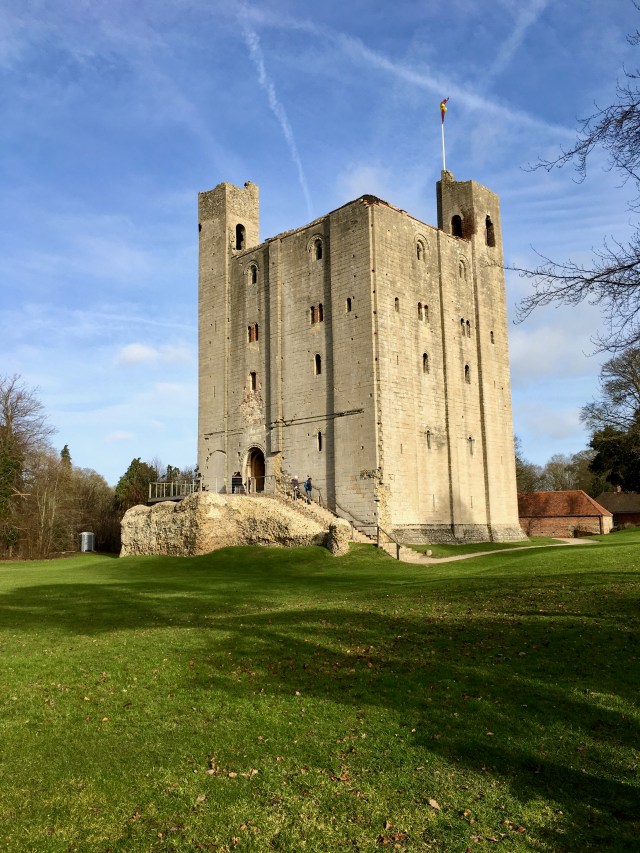
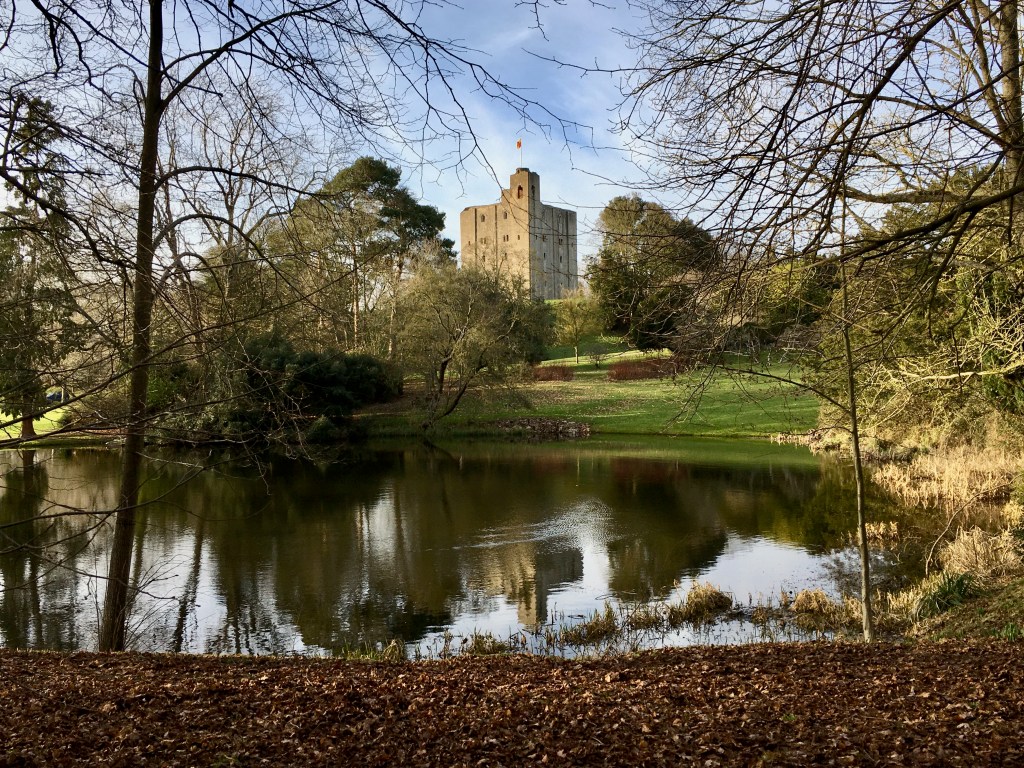
The imposing Hedingham Castle is visible from miles around, towering above the quaint village, the stone stark edifice both daunting and majestic.

Following the Norman invasion of England, the majority of the Anglo-Saxon lands were taken over. The lands of Hedingham, North-East Essex, England were given to Aubrey de Vere I by William the Conqueror in 1080 in recognition of the knight’s fierce valour and loyalty. The family were zealous crusaders! The original castle was built of timber in the traditional motte and bailey style however Aubrey de Vere II ordered this to be torn down. It was replaced in 1140 by the building of the remarkable Norman castle and as the family were extremely rich they could afford to face the whole building in stone which was unusual for the time! As one of the great Norman castles Hedingham Castle hosted many royal visitors including Henry VII, Henry VIII and Queen Elizabeth I (probably en route to Gosfield Hall, read more on my post here)!
The de Vere family became powerful and influential members of the royal court, many of its ancestors holding important positions within the royal circle, including that of Lord Chamberlain to the monarch. Furthermore, they provided vital military force in their own right and became ennobled when granted the title Earl of Oxford.

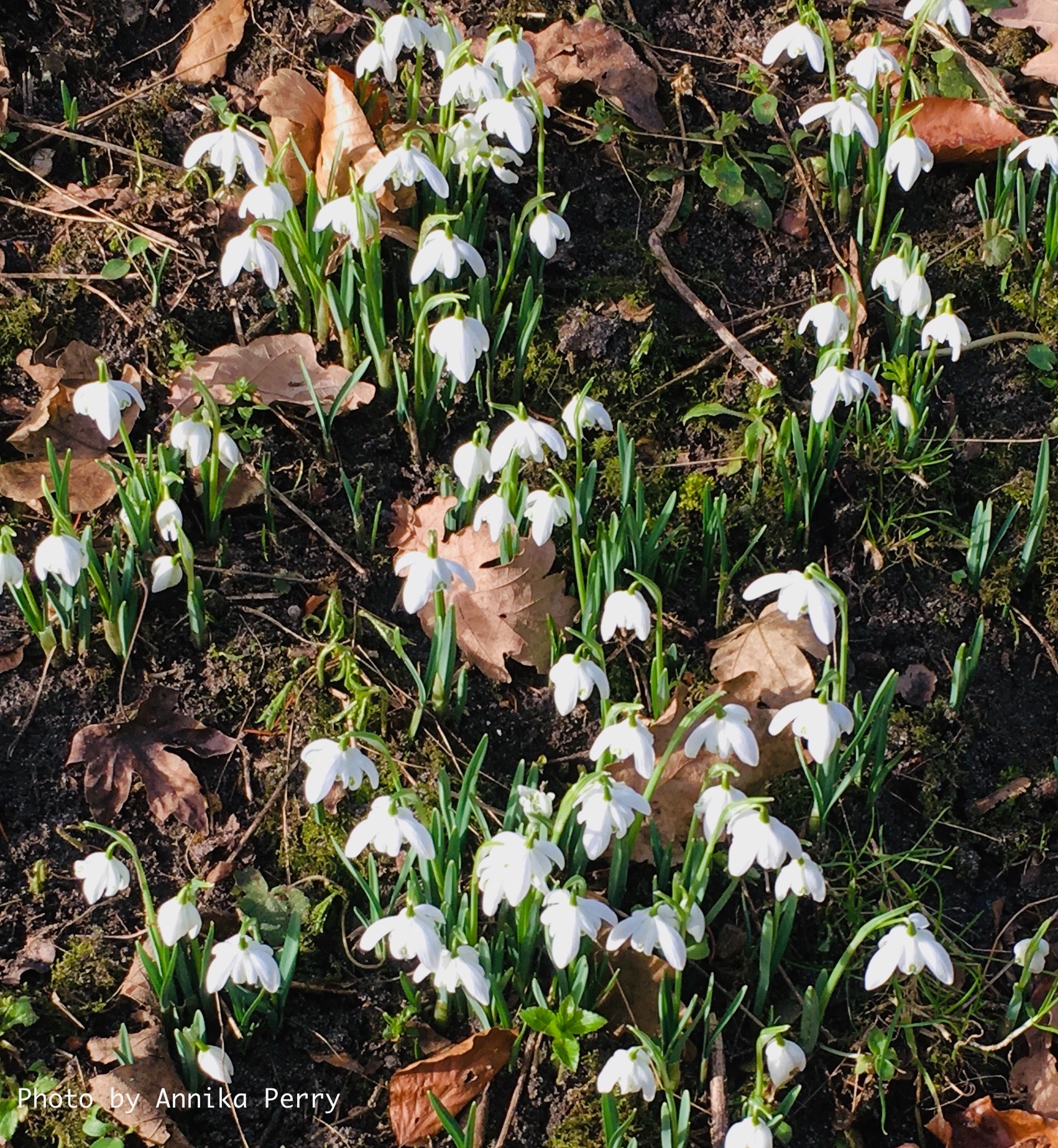
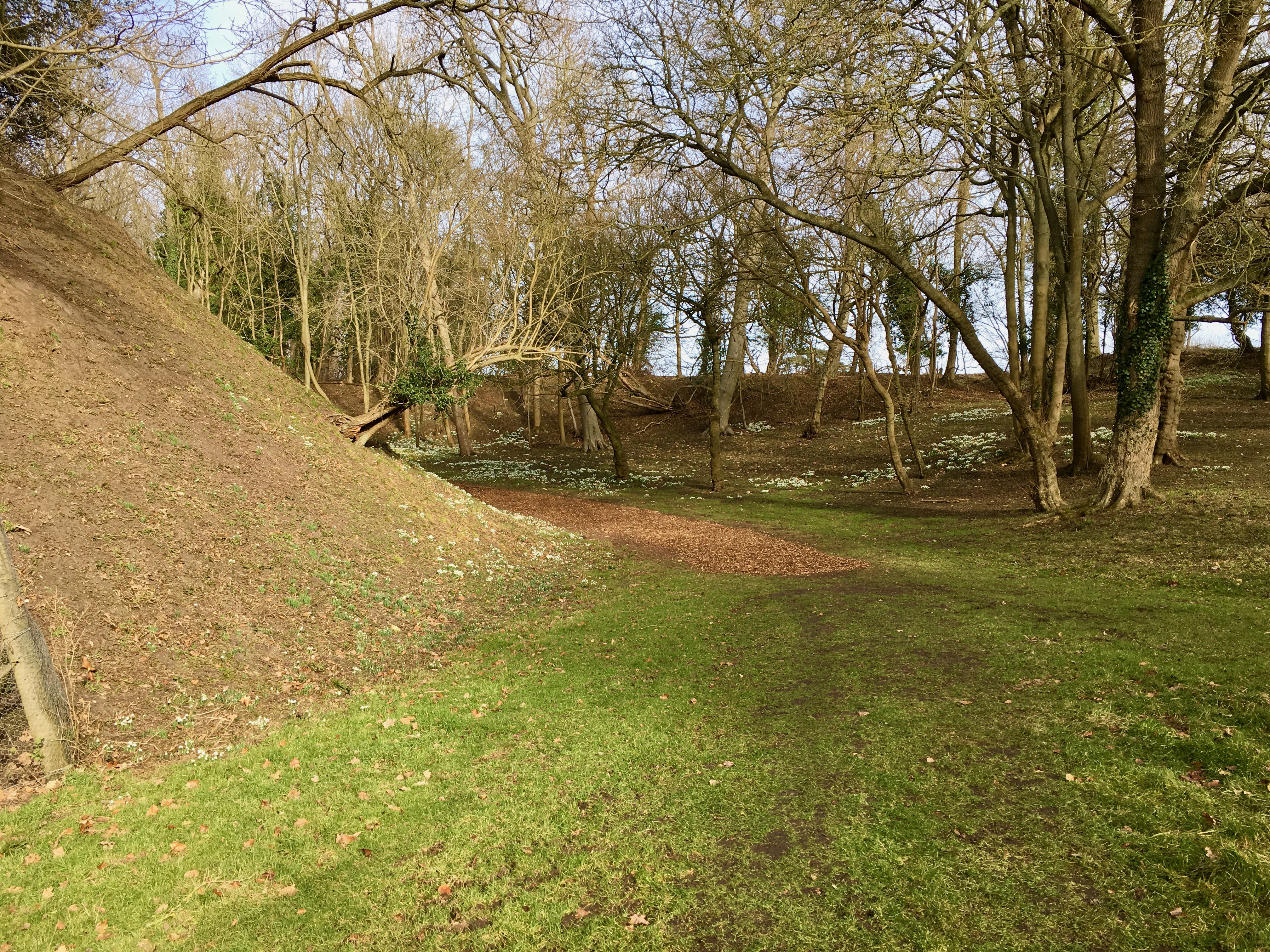
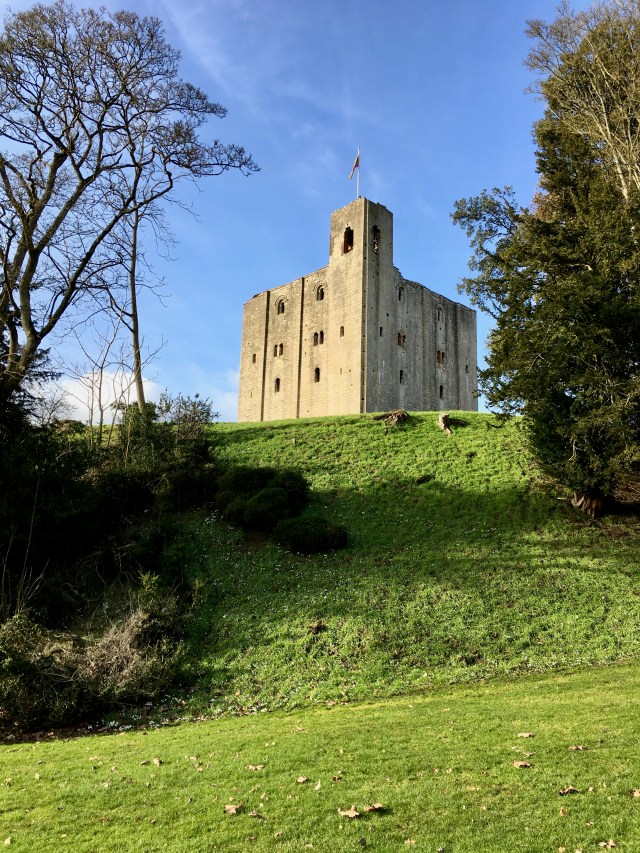
Hedingham Castle, a key military stronghold, is built on a hill which gave it an excellent defensive position. A deep moat runs around the castle and in Norman times the area would have been kept clear to ensure visibility of approaching enemies from miles away. As its defensive significance waned in the eighteenth-century trees were planted to create soft woodland witnessed today on the long moat banks carpeted by snowdrops in February and these are still popular in the 2020s.
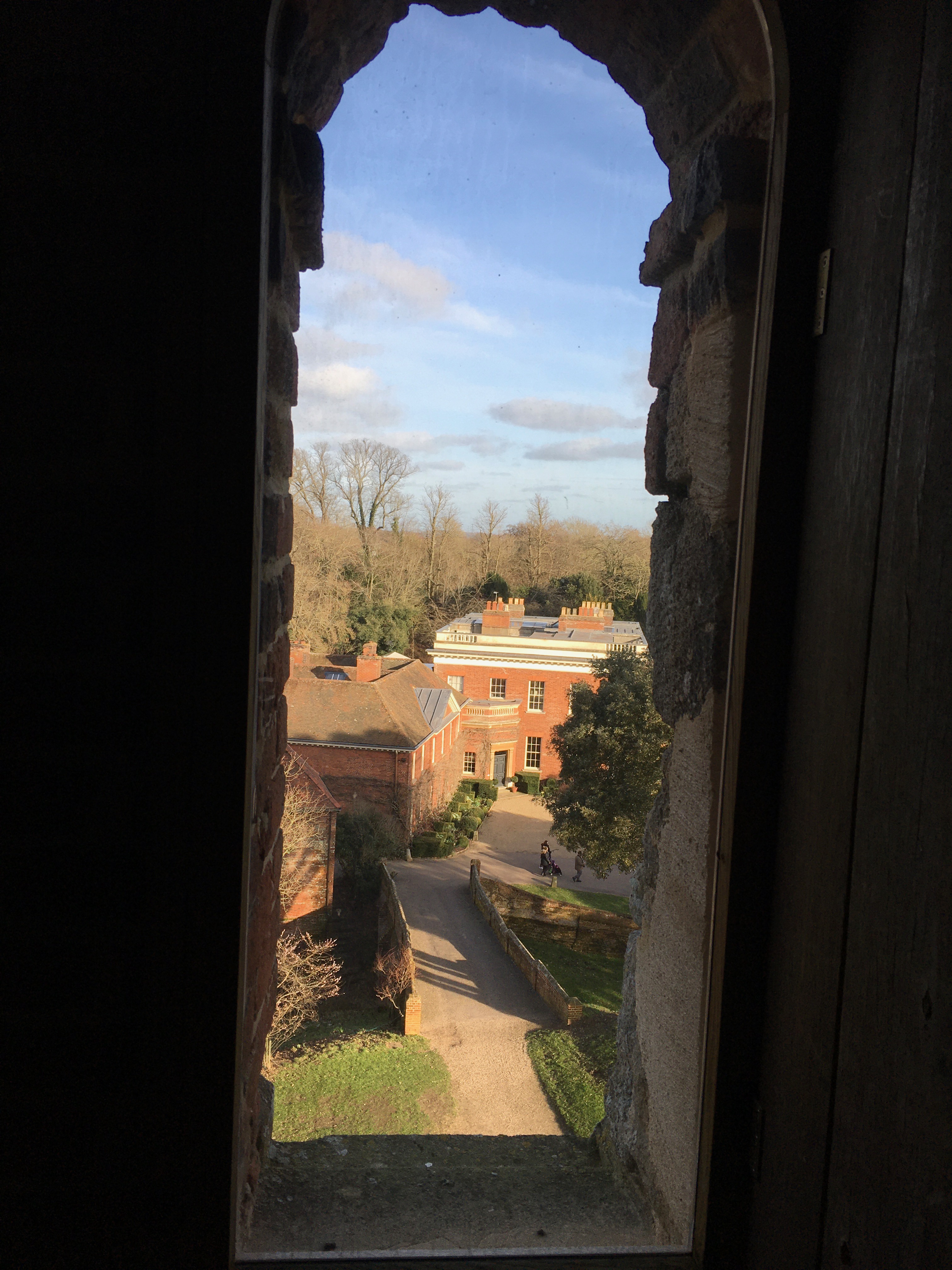
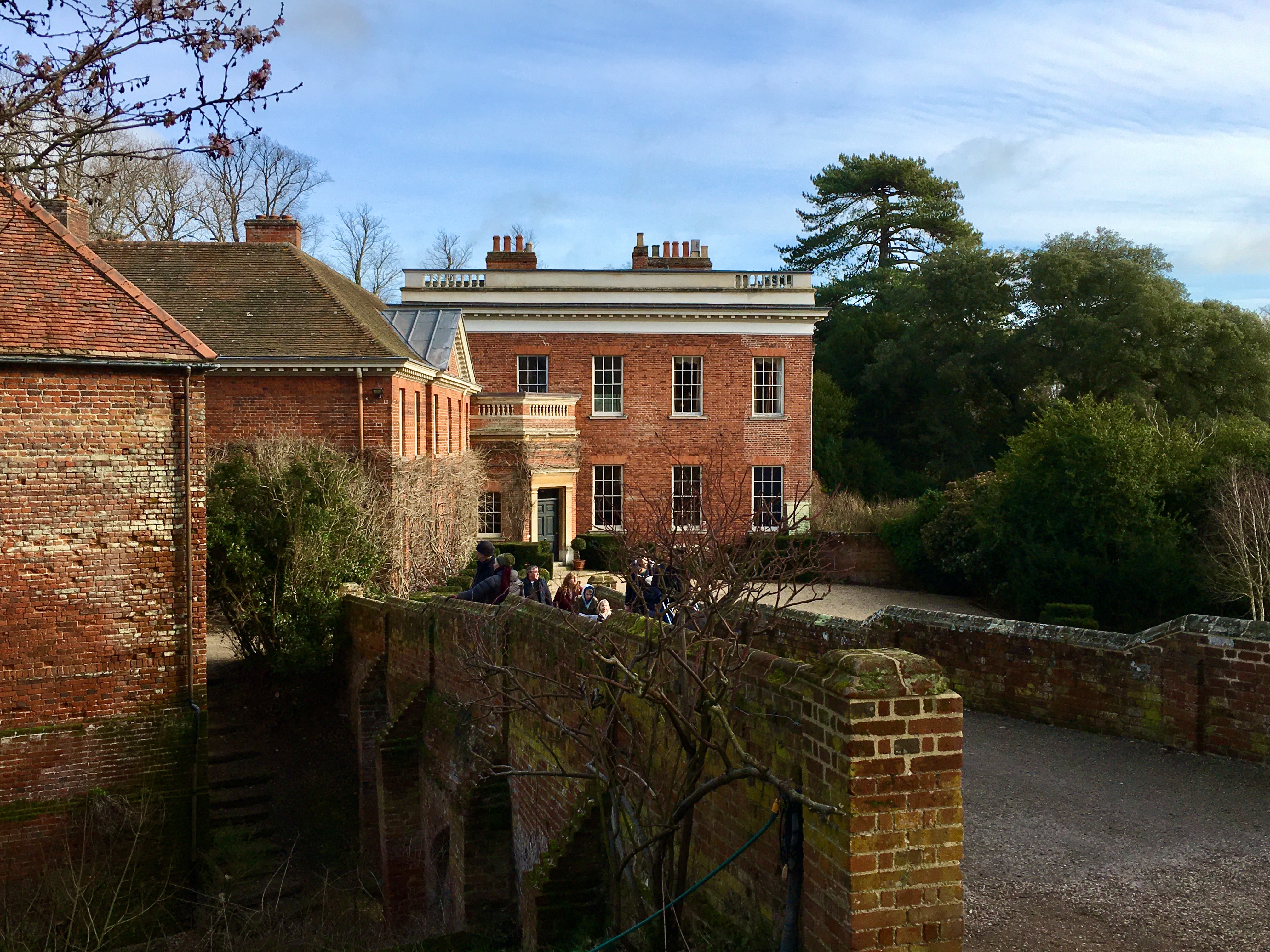
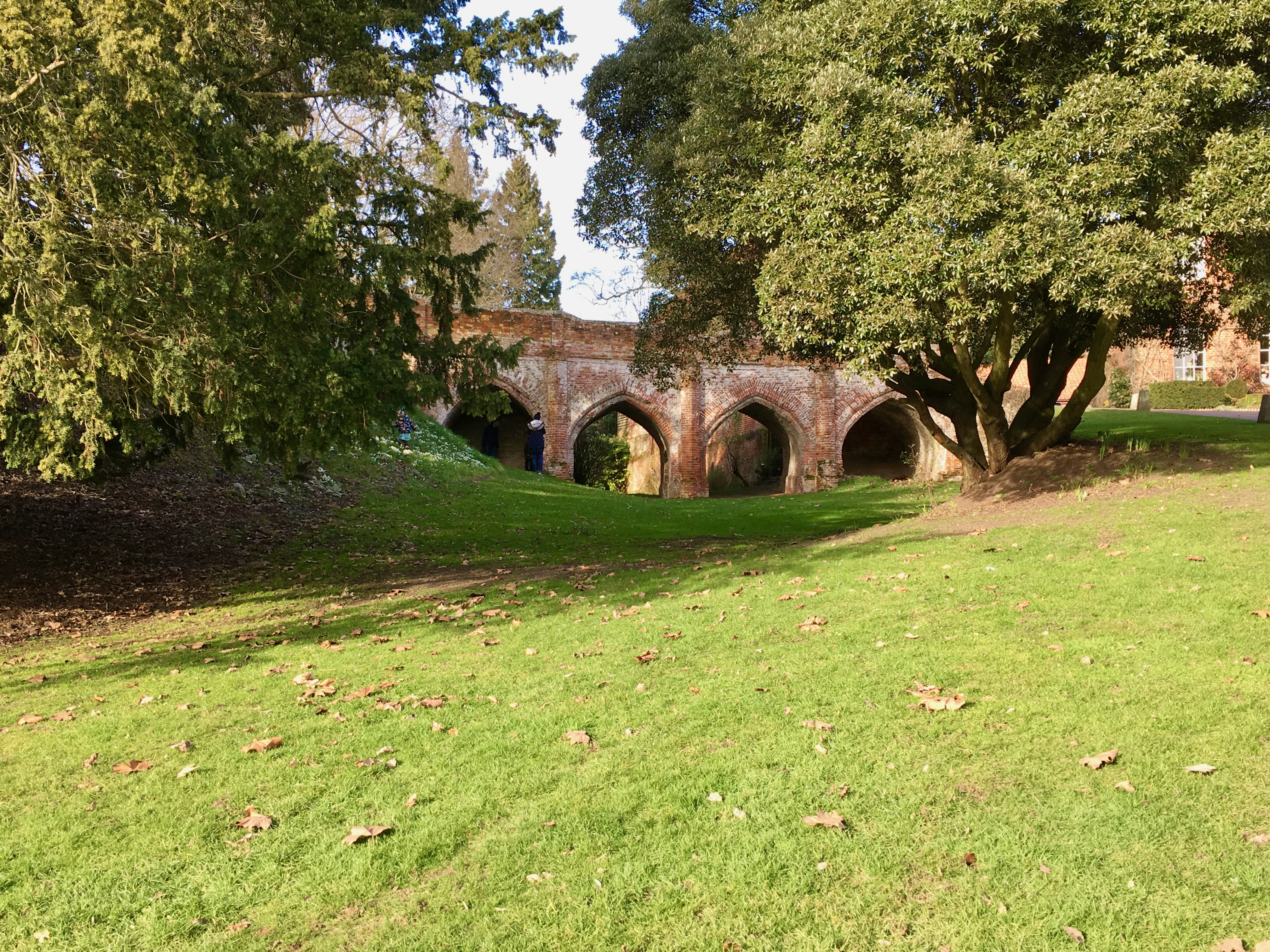
The original point of entry onto the castle grounds would have been a wooden drawbridge however this was replaced in 1496 with a Tudor bridge. On the grounds just outside this brick bridge a new owner of the castle, Sir William Ashhurst (a banker and politician) ordered the building of the Queen Anne House in 1719 and this still exists and it overlooks the lakes and landscaped gardens. The house replaced the 1498 buildings which included barns, stalls, granaries and storehouses.
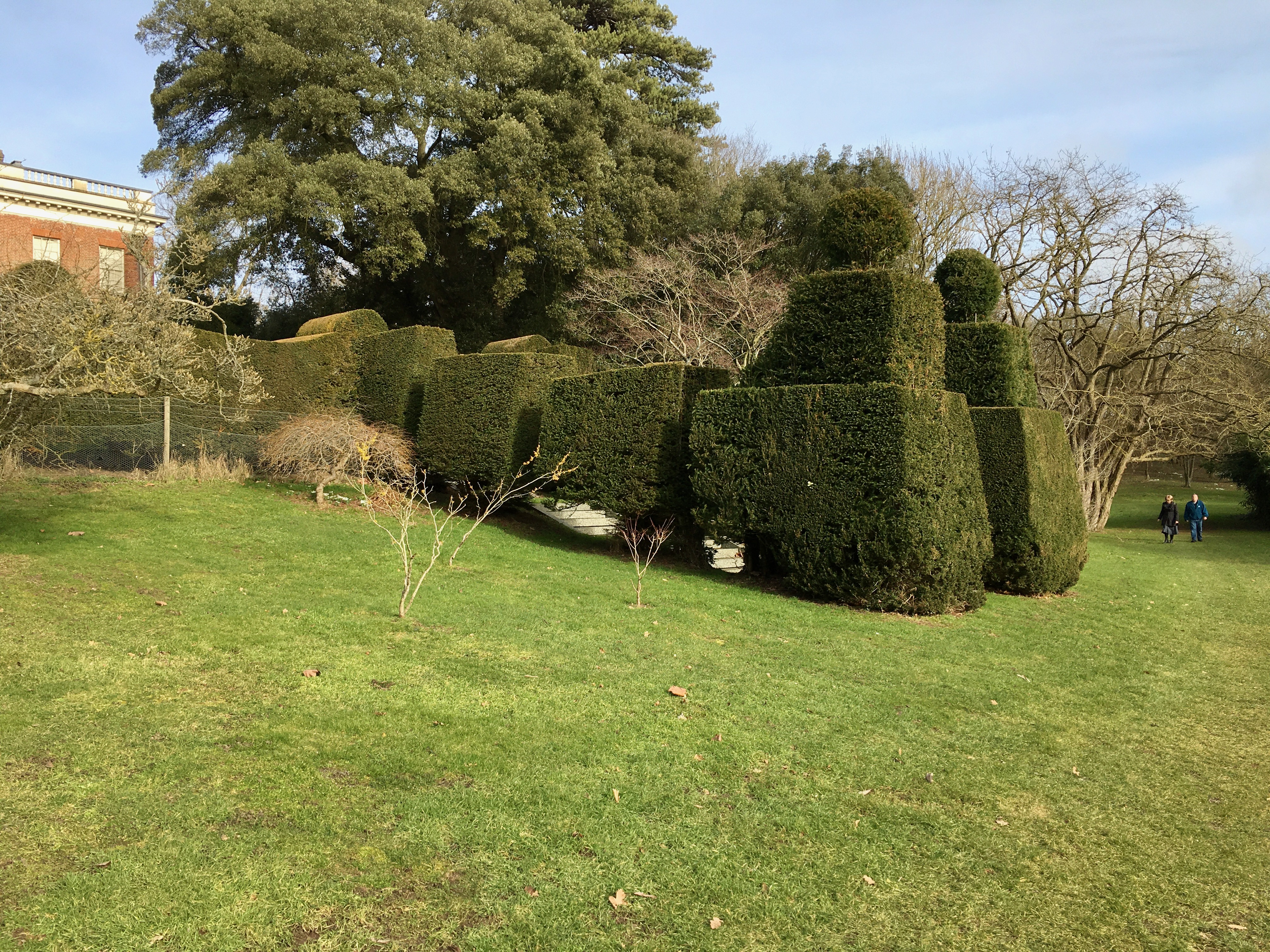
The large green expanse surrounding the castle is known as the tilting lawn and here the knights would practice their fighting skills as well as hold regular jousting events. Also, archery and other battle skills were honed and displayed here. Nowadays, throughout the summer, there are mock traditional jousting festivals replicating the activities of the medieval knights – the power of the horses and the ability of the ‘knights’ are truly awe-inspiring.
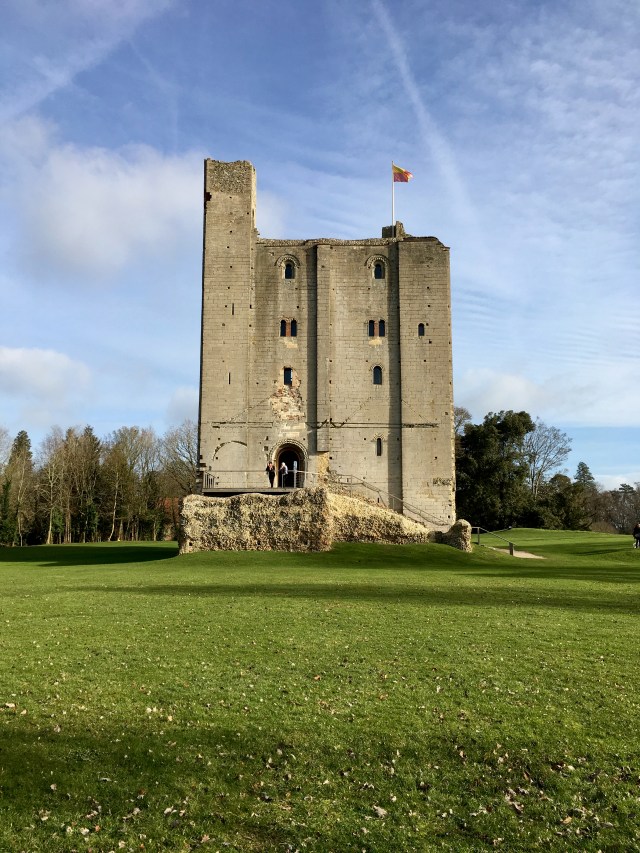
In the seventeenth century, the castle became superfluous as a defensive building and it was quickly falling into a state of disrepair. As a result in 1600 the 17th Earl of Oxford demanded that the majority of the castle be pulled down and what is left today is the main keep. This keep is one of the most impressive keeps in the country; another famous one is at the Tower of London.

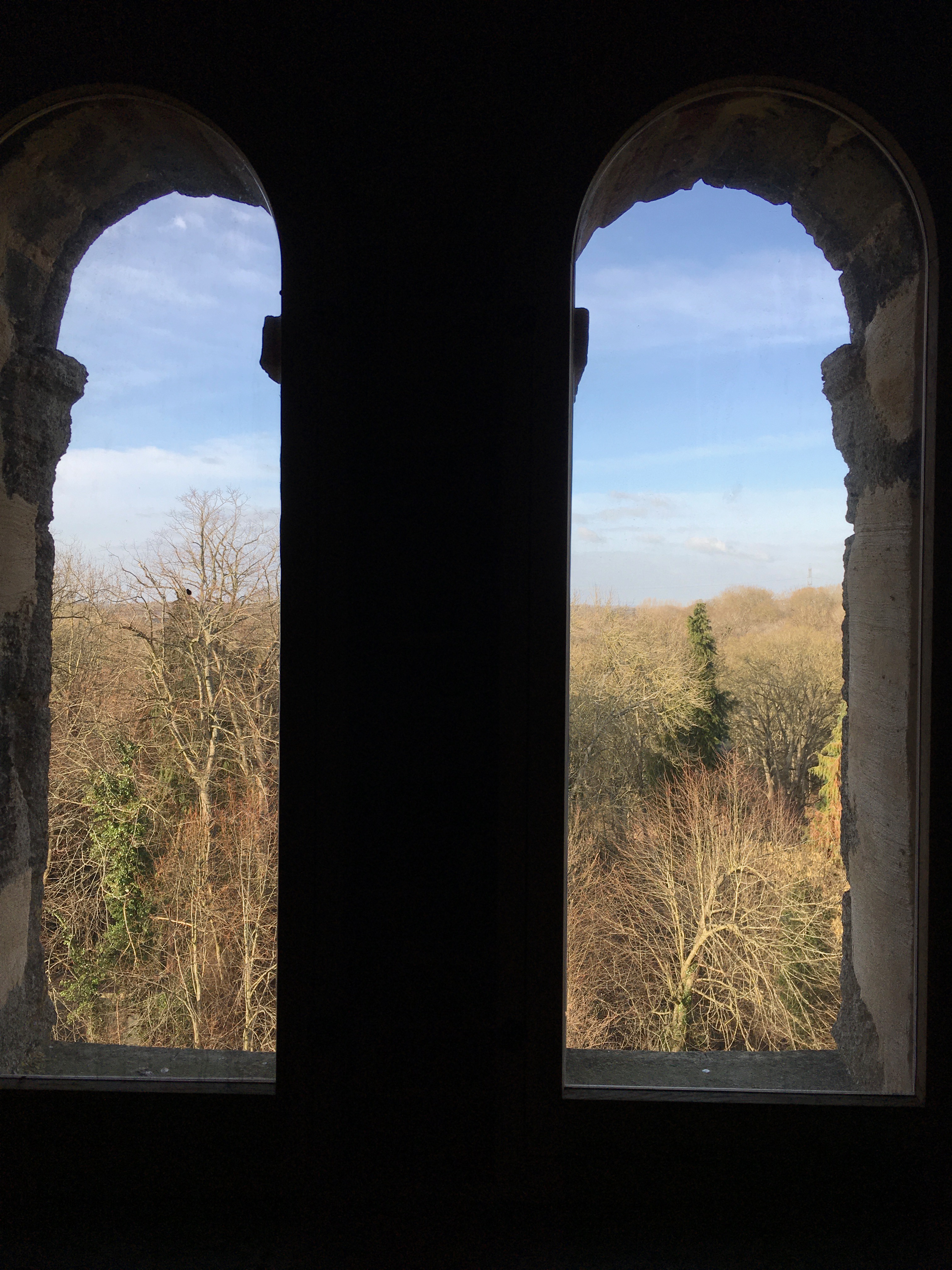
The keep is neck-achingly high and standing below it one can barely see the top 37 metres / 110 feet above. The walls are incredibly thick and strong at nearly 4 metres / 12 feet wide. This was a castle and keep built to keep the enemy out and its nobles, knights and families safe!

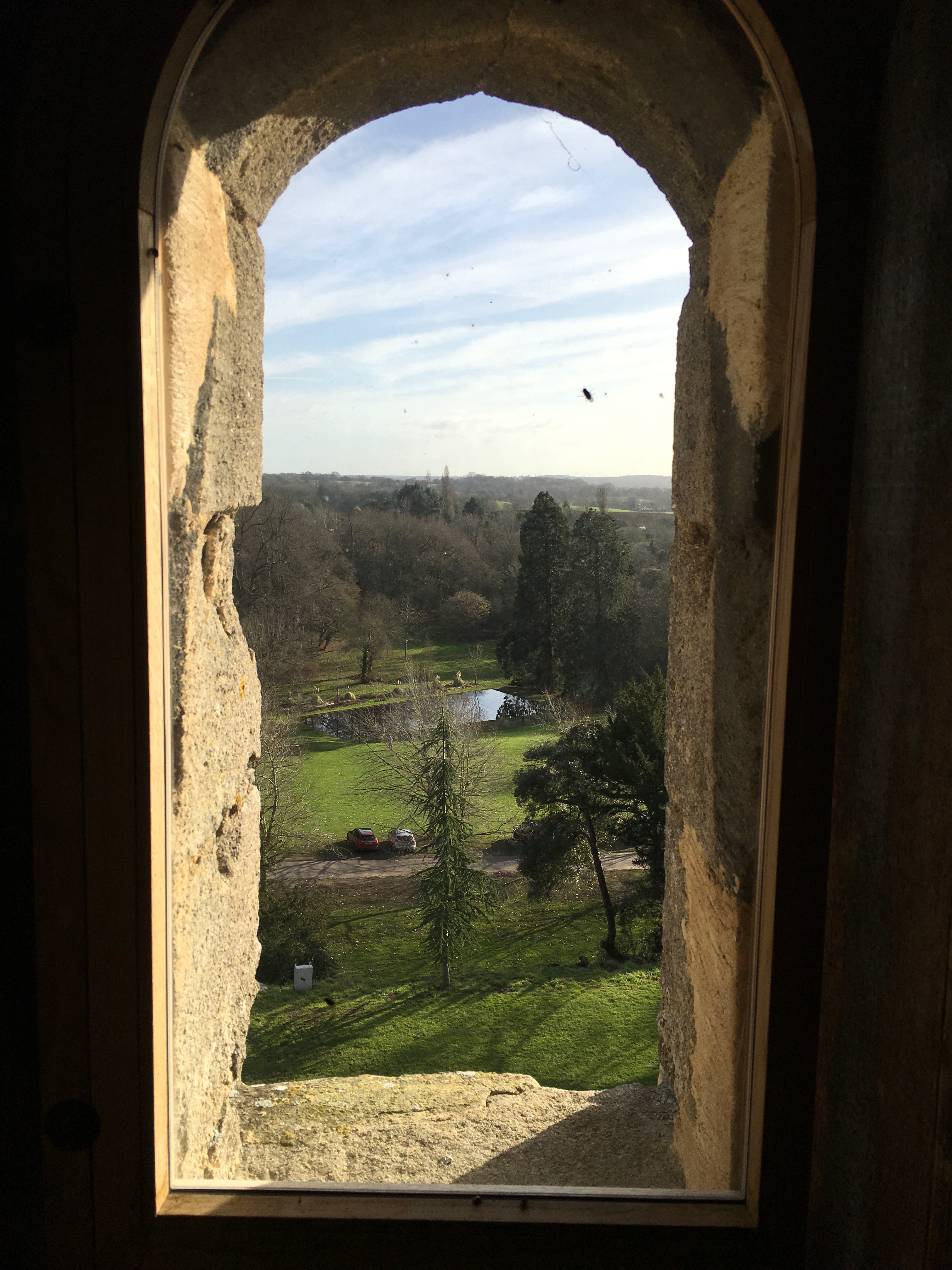
On the lowest level of the castle were the dungeon and storage. A stone staircase from outside leads onto the ground floor of the castle and here, on the garrison floor, the soldiers would have been sequestered. The small slits of windows surrounding the room let in just enough light and were wide enough for archers to shoot out at approaching enemies but small enough to make sure that no missiles entered the keep.
A garderobe (primitive toilet) is housed in one corner of the garrison floor, and is mostly a seat with a long open drop to the outside!

The beautiful mysterious staircase runs within the walls up to the other levels of the keep. The original stone steps were replaced by brick in the fifteenth century and the next floor leads to the stunning banqueting hall.

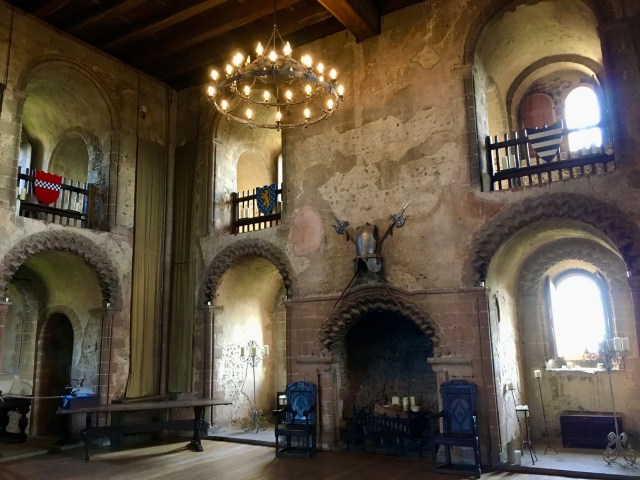
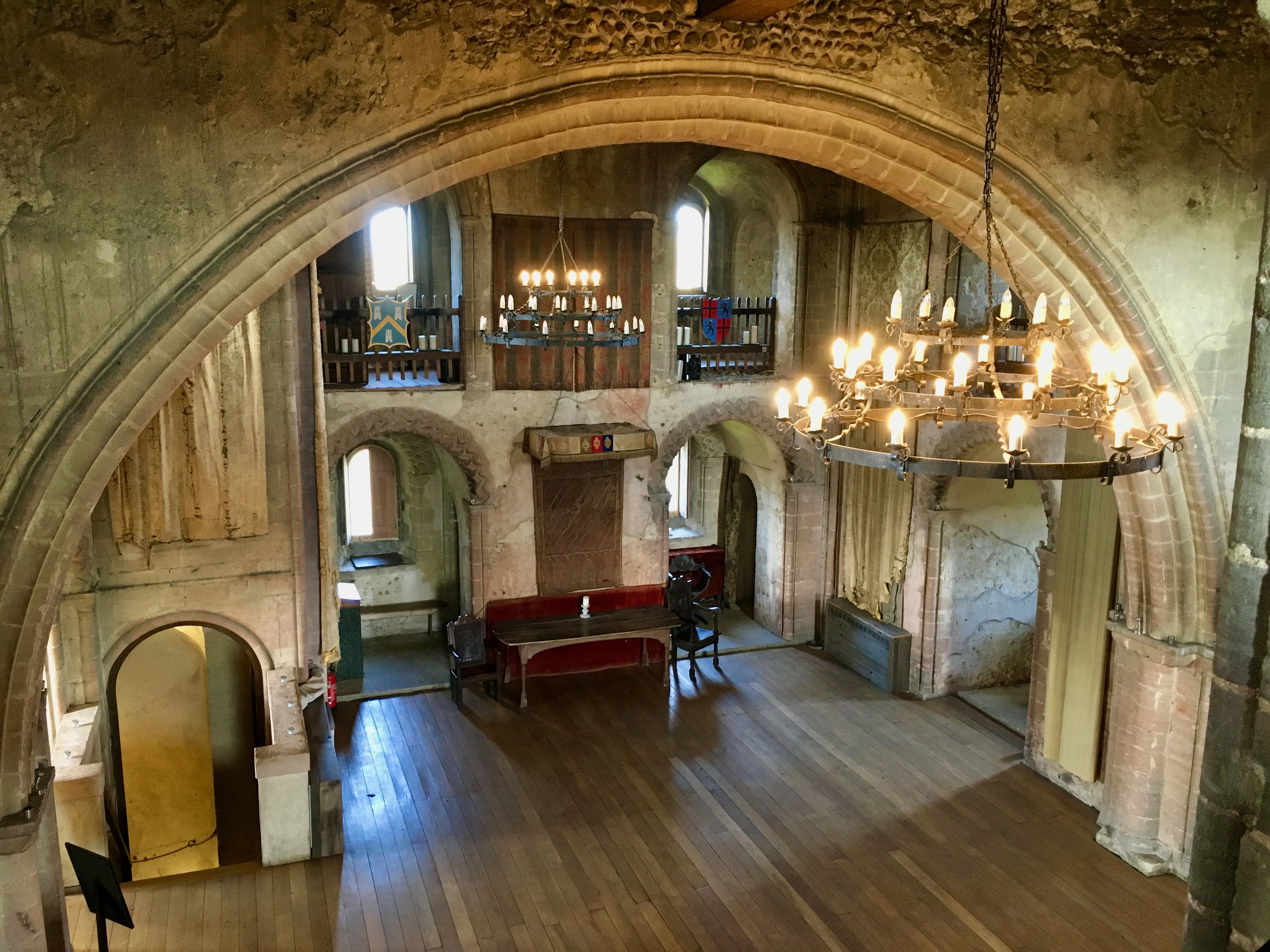
The hall is one of the finest domestic interiors still fully intact. It is a splendid room and towering across its length is an awe-inspiring breathtaking arch. The arch is the largest existing Norman one in England at 8.5 metres / 28 feet wide and 6 metres /20 feet high. The room would have been the headquarters for the Earl of Oxford; here the Earl lived with his family and from here the castle and estate were administered. The walls would have been covered by rich tapestries and rugs. The vast space would have been kept warm by the giant fireplace with its distinctive elaborate double chevron patterns renowned in Norman times – carvings seen throughout the castle.
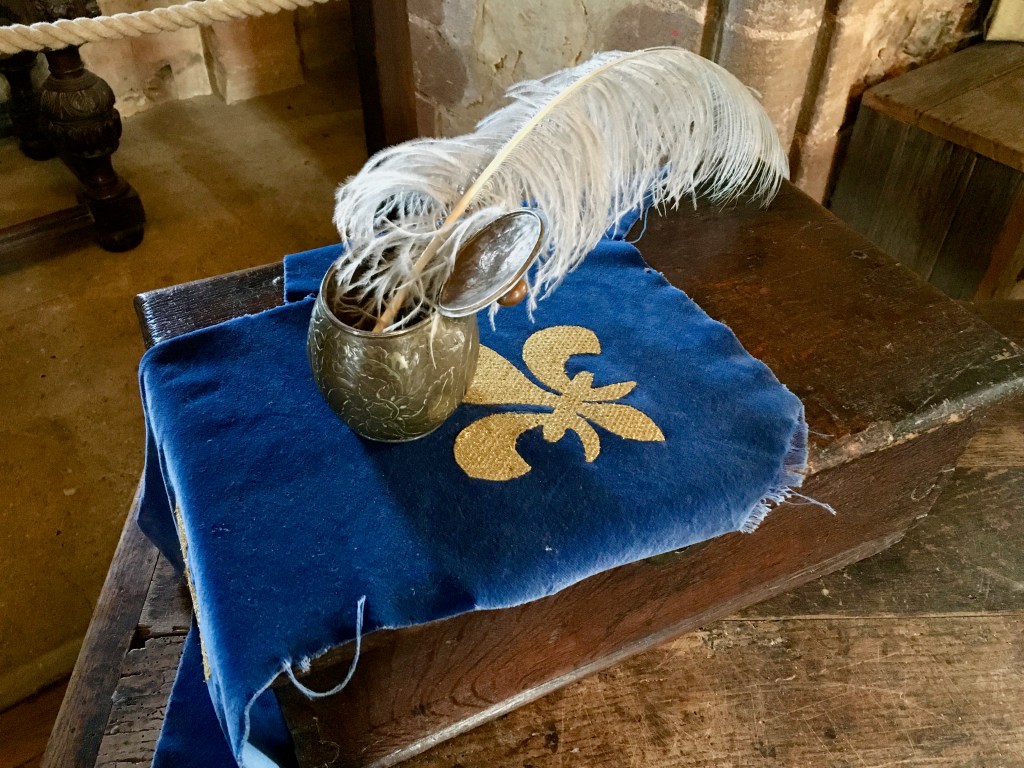
Compared to the rich and luxurious carvings and wall hangings, the furniture would have been simple, with trestle tables, benches and wooden chests while rushes covered the floor.
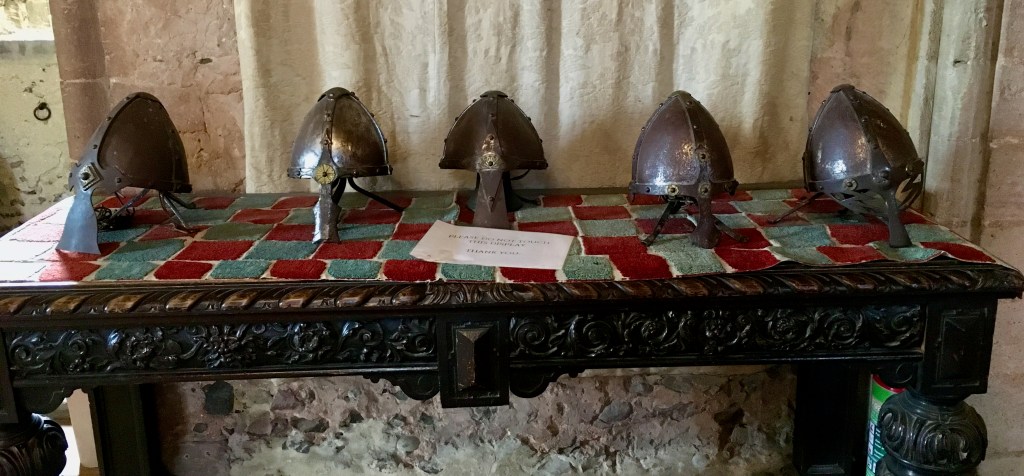
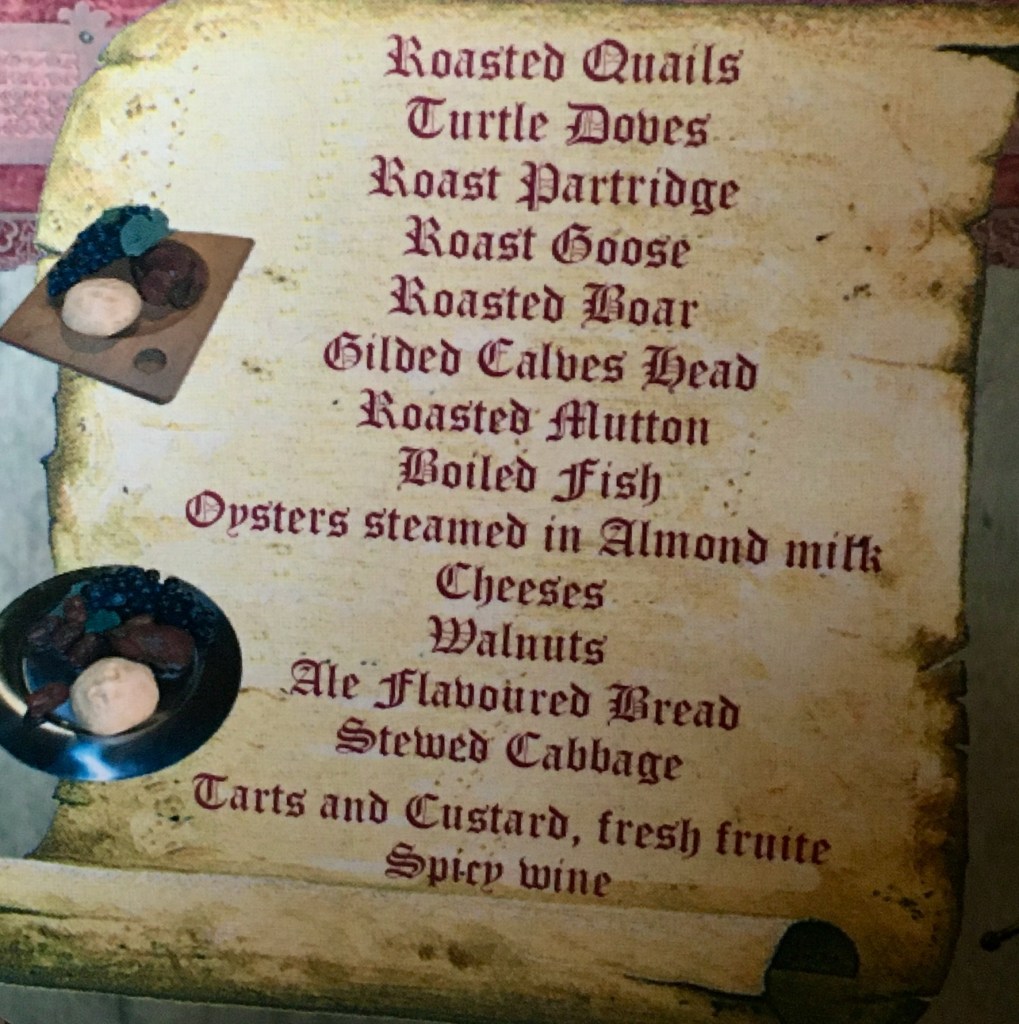
The diet of the time was based heavily on game such as deer and pheasant while the diners were entertained from the minstrel’s gallery above.
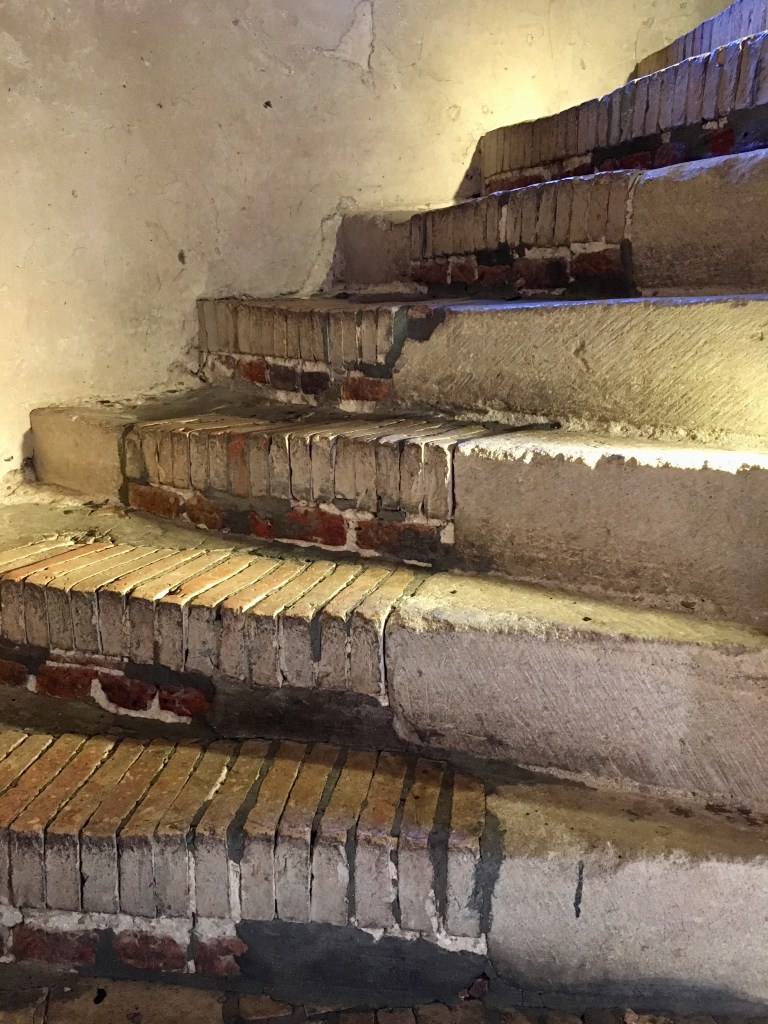
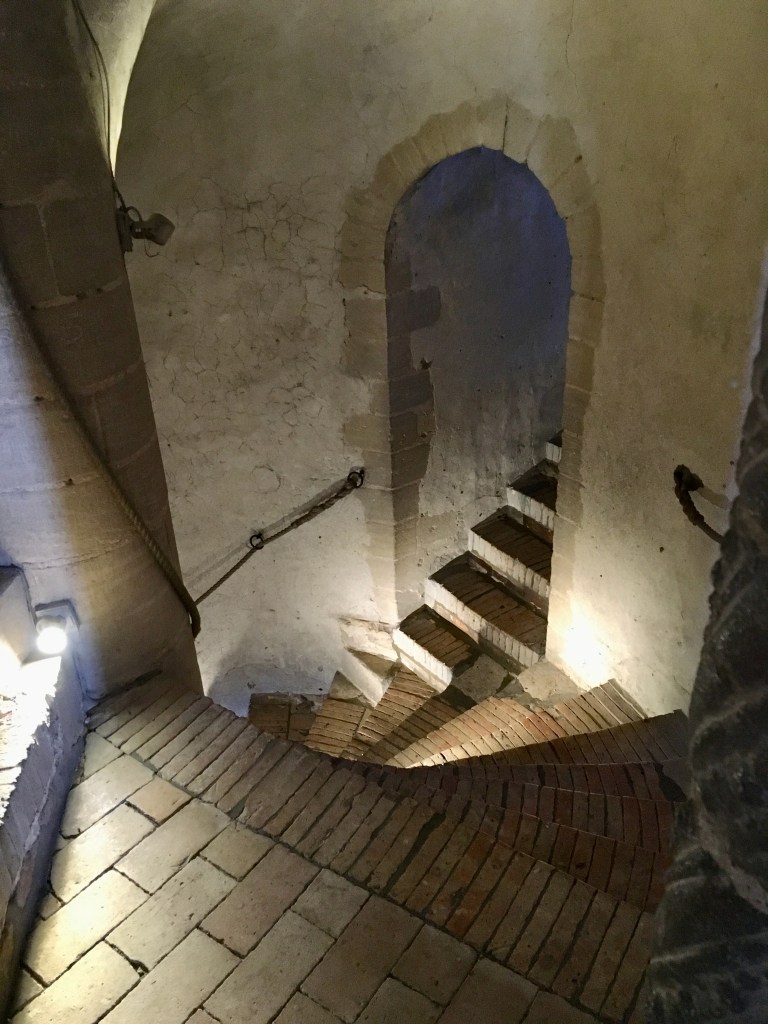
The ever-narrowing inner staircase leads to the minstrel’s gallery, a haunting corridor tunnelled inside the thick castle walls and running all around the banqueting hall. From here the travelling musicians, jesters and magicians would perform their craft, clearly visible from below.
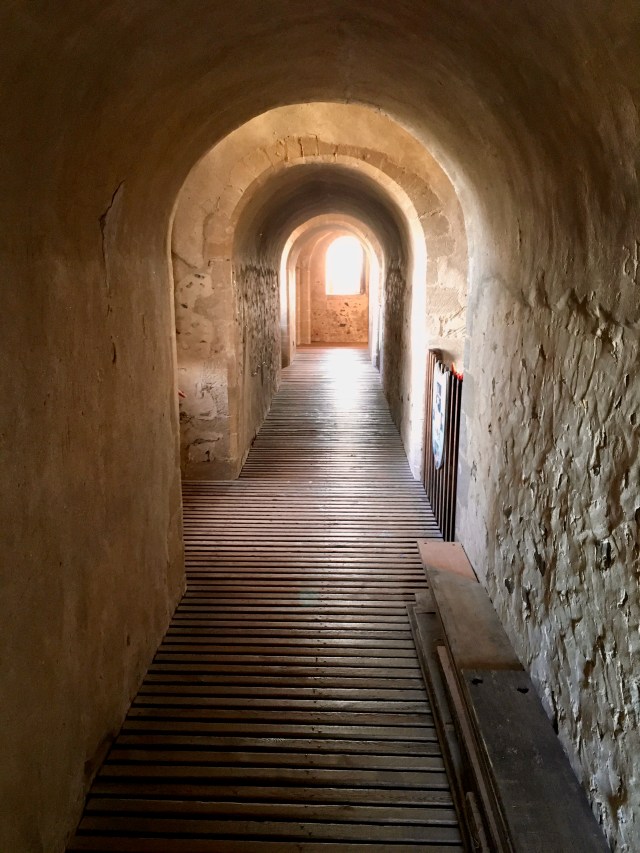
The Minstrel’s Gallery

The top level of the keep was the dormitory section of the castle and more simplistic in its decor and layout.

It is time to exit through the magnificent double chevron-carved arched double doors of the castle. These doors date from the 1870s and were originally from the Blue Boar, a local pub in the village.
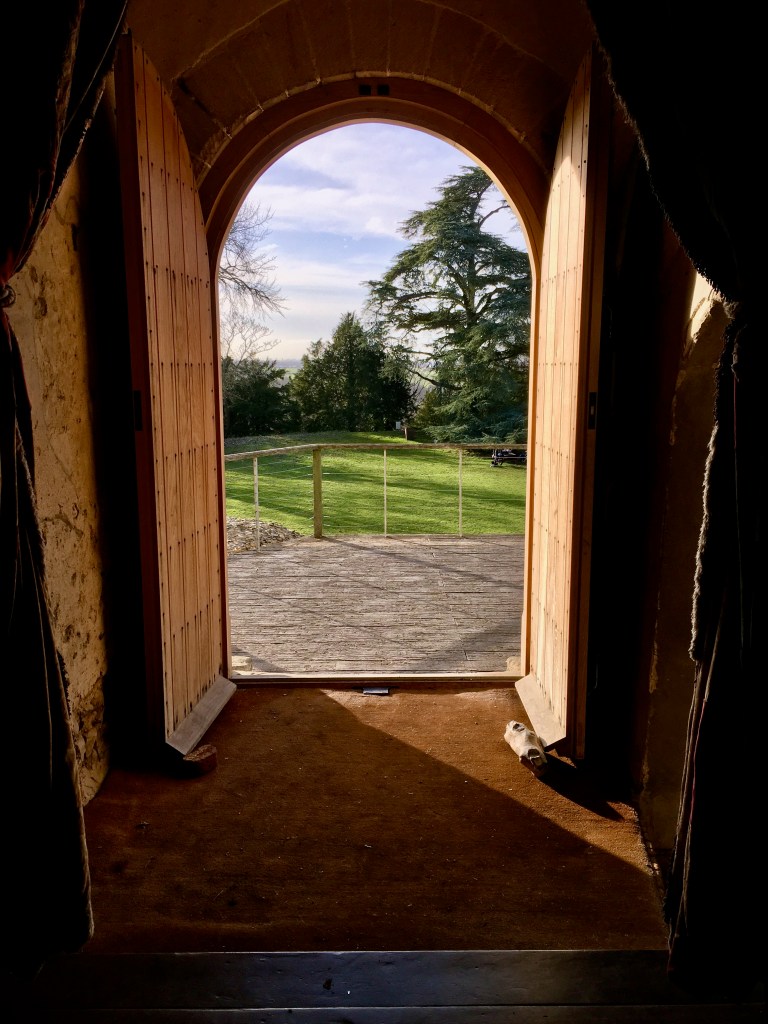
The main double-door entrance onto the tilting lawn

After a memorable morning of exploration, one becomes fully immersed in the incredible history of Hedingham Castle. A castle which was twice successfully besieged for short periods, once by King John in 1216 and a year later by the future King Louis XV11. A castle whose owner, Edward de Vere, 17th Earl of Oxford, is strongly rumoured to be the true writer of Shakespeare’s work (if interested read more here). A castle filled with the aura of its extraordinary past.
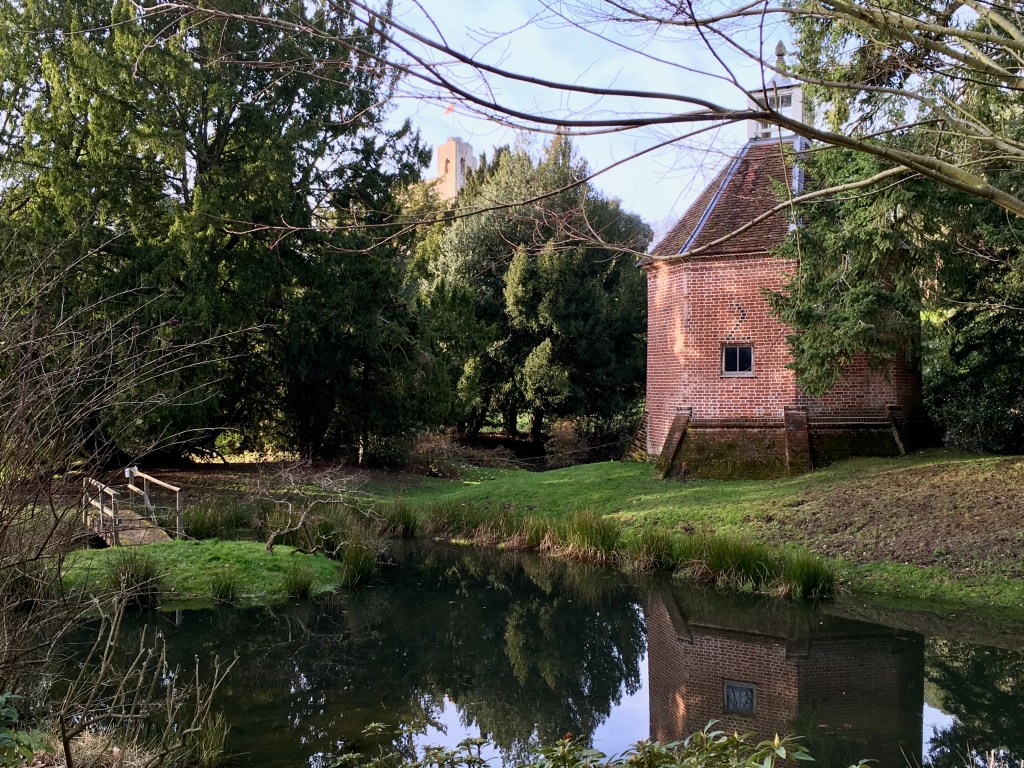
The dovecote which was built 1720

Stepping out into the sunshine was that the sound of battle? The voices of medieval folk on the tilting lawns? With a head full of facts and figures, with imagination over-heating on stories from the past, a refreshing stroll of the grounds beckoned. A time to stop and admire the snowdrops, the beautiful gardens and the lakes. Near one lake stands a dovecote from 1720 whose 460 nest boxes supplied meat and eggs for the family.
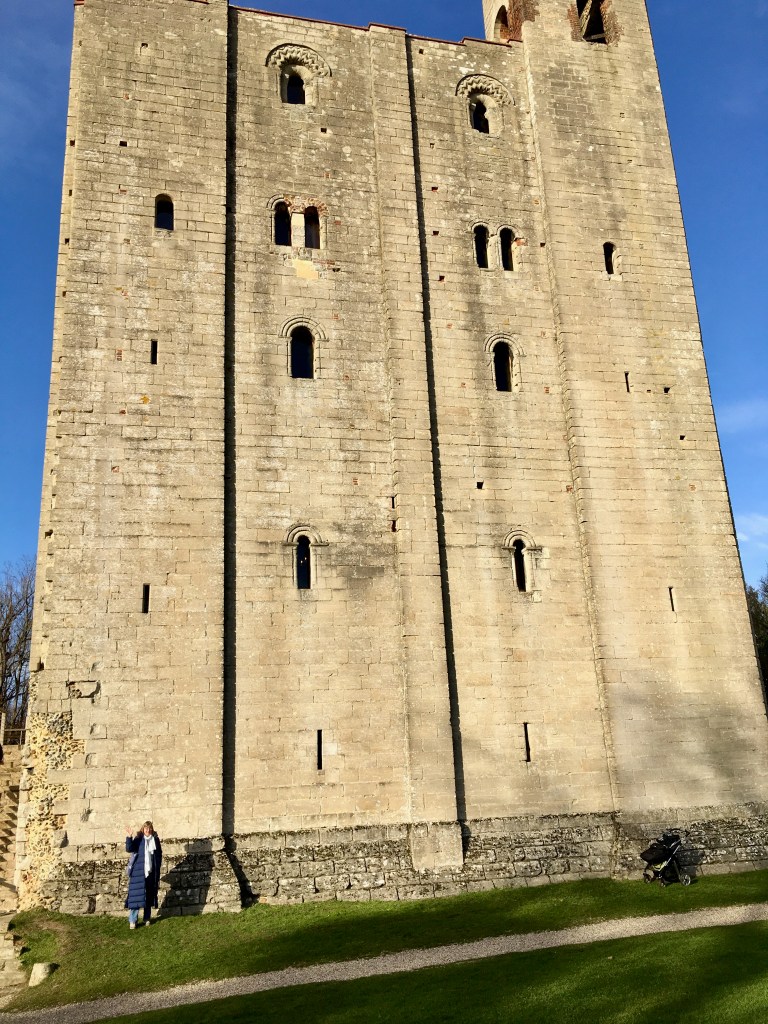
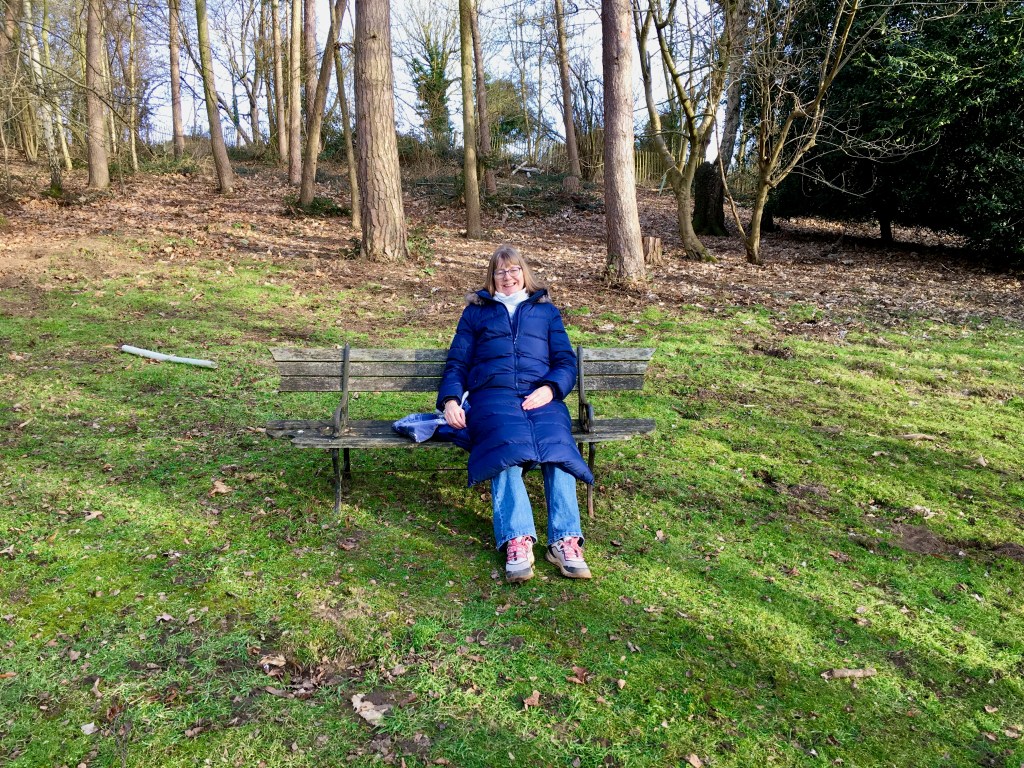
The twentieth century saw Hedingham Castle fall back into the fold of the de Vere family. Its new owners, the Lindsays, are part of the famous family through inheritance. Through their hard work, the castle and its grounds are once again part of the community through its open days of jousting, car shows and open-air theatre as well as being a popular place for school educational visits. Furthermore, it is a unique and memorable location for weddings!
NOTE: Post, writing and all photos ©Annika Perry, February 2023

DUALITY OF WALKS

Why restrict oneself to only one walk at a time? When two are far more exciting!

As I stride out into my neighbourhood through woods and fields I’m simultaneously traversing the path of an ancient wall 300 miles north and 2000 thousand years in the past.

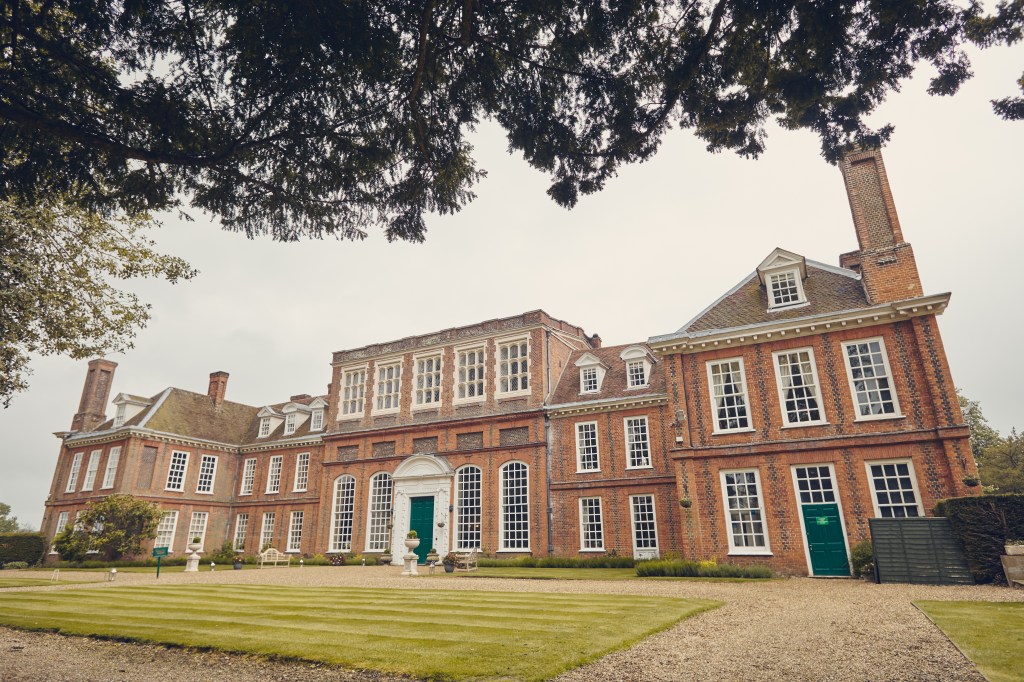
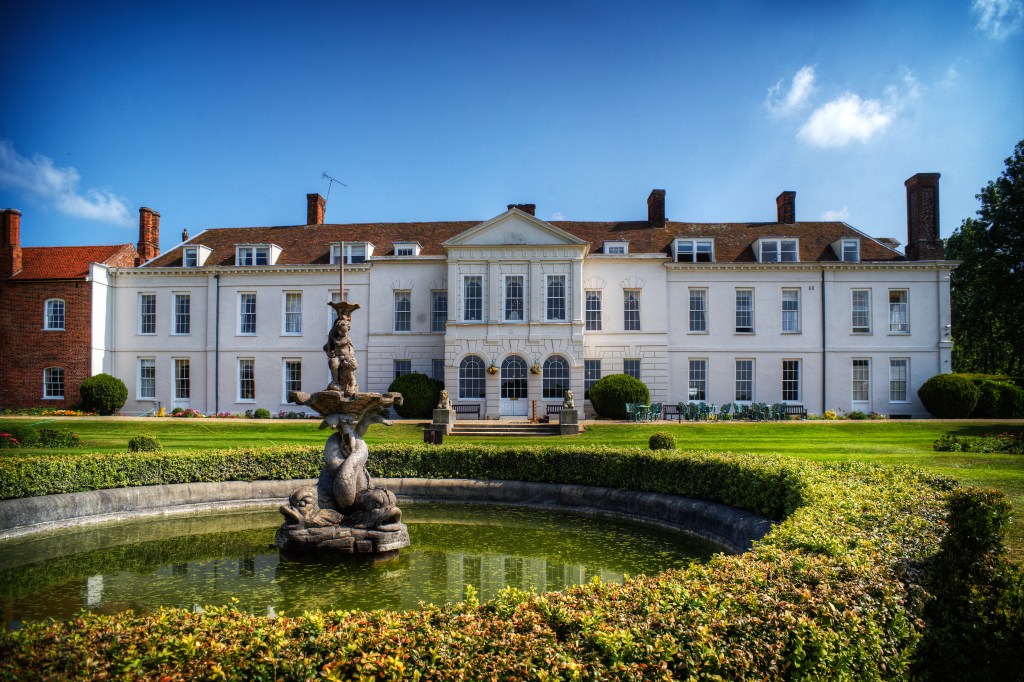
Nearer to home is a beautiful lake, over a mile long and created when the gardens of the local Hall were designed in the middle of the 18th Century.

The Hall itself was host to such prestigious guests as Elizabeth I and her grand retinue in the 1500s as well as King Louis XVIII. Along with his wife and courtiers the party numbered over 350 people and they resided at the Hall between 1807-1809 after King Louis XVIII fled the French Revolution.

Hall photo courtesy of and copyright © Hello Romance , with thanks.

Nowadays the Hall with its Elizabethan and Georgian aspects is a beautiful wedding venue.

Hall photo courtesy of and copyright © Hello Romance , with thanks.

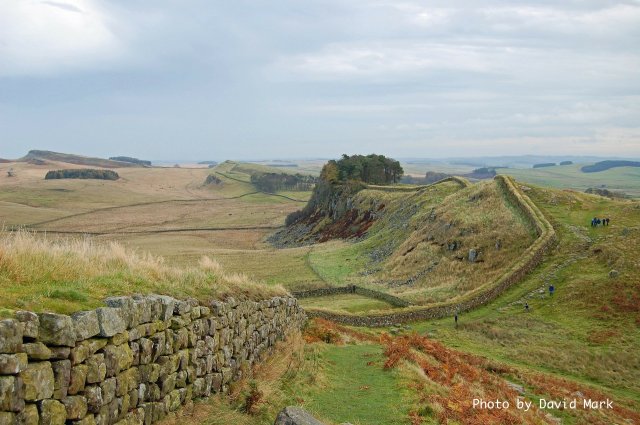
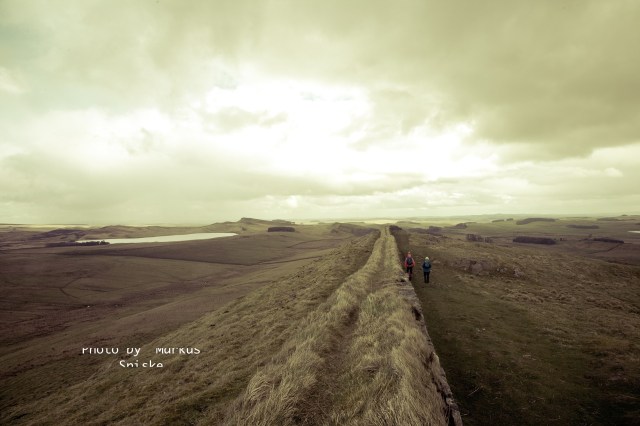
I’m further immersed in history on my second walk, this time a virtual one as part of The Conqueror Challenge, which involves a fabulous 90 miles following Hadrian’s Wall.

Hadrian’s Wall is a UNESCO World Heritage Site located in the north of England and the hike starts off at Wallsend near River Tyne not far from the North Sea and finishes at Bowness-on-Solway near the Irish Sea.

Hadrian’s Wall was built by the Romans in AD 122 by order of Emperor Hadrian and it was the north-west frontier of the empire for over 300 hundred years.

The landscape is breathtaking and along the 73 miles of the wall, much which is alas not in existence, there are fascinating fort remains to explore!

At home I’m still standing by the lake, soaking up the serenity of the winter peace. During the rest of the year, the 35 acres site is bustling with people and particularly with water skiers, both of national and international competitive standard, including a young man who was in my son’s class at primary school.

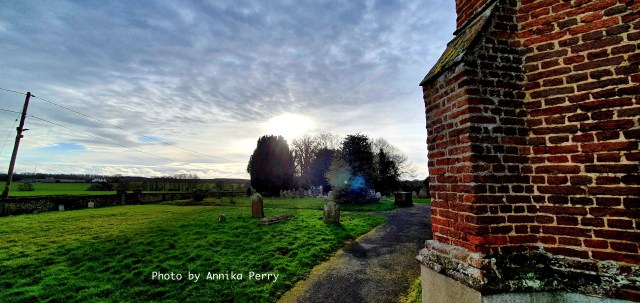
Just up the road is the local church and one has existed on the site since 1190. It was built by Audrey De Vere, 3rd Earl of Oxford during the reign of Richard I (The Lionheart).

The current church was established in 1435 and looks very much the same now as it did nearly 700 years ago. It is incredible to think that the church registers go back without a break to 1539.

As I leave the church, my walk along Hadrian’s Wall continues and I pause for a while at Homesteads to explore the ruins of ancient Roman military site. At this vantage point, the panoramic views stretch 360 degrees across the stunning countryside and show exactly why the Romans would have chosen this location for the fort. Amongst the ruins, I happen to see the oldest toilet in England!

Following a couple of months of bleak, damp and bitterly cold weather I needed an incentive to set out for daily treks. The inclination was rather low at the thought of walking through the same familiar routes and thankfully I came across The Conqueror Challenge on various blogs to encourage me out every day!

These challenges vary from the extreme to more moderate and Hadrian’s Wall looked just ideal for my first attempt at the challenge.

An app on the phone handily allows me to track my progress as well as seeing my location in 3D on StreetView. Along the way four postcards are emailed to me packed with information and for every 20% completed a tree is planted! Participants of the challenges have ensured more than 450,000 trees have been planted since August 2020. Furthermore, I look forward to receiving a medal upon completion of the walk – I can’t remember if I have ever received one before!

To finish my post I would like to briefly mention a very special man on who passed away on 2nd February 2021.

Sir Captain Tom Moore raised our spirits in 2020 with his warm, kind and positive nature and utter determination and true Yorkshire grit in his own particular charity fundraiser. Born in Keighley, West Yorkshire (a town close to where I grew up), he served in India and Burma during WWII.

Sir Captain Tom shot to fame as he aimed to raise a £1000 for the NHS by walking a lap of his garden on each of the 100 days leading up to his 100 birthday on 30th April 2020. To say he smashed the amount he hoped to raise is an understatement. He raised over £33 million for the NHS Charities Together, an incredible feat for one individual. He gave us all hope and inspiration when it was so sorely needed proving that the human spirit can prevail when so much feels lost.

As the flag at my local church flew at half-mast in his memory, the song ‘You’ll Never Walk Alone’ which Sir Captain Tom Moore recorded with Michael Ball played on loop in my head. It rightly became a number one hit in the U.K. in April 2020.

Here is it for you all!

Five Hundred Miles or so!

Walks have always been an integral part of my life; since my youngest days I recall clambering over the rocks out on the islands in Sweden, scampering through the forests.

Moving to Yorkshire as a young girl the stunning beauty of the moors became the background to my days out. I revelled in trips out into the wilderness, losing myself in bracken taller than my young self, walking along the ridge of the moors where the heather meets the sky, gazing down upon the miniature stone buildings of the villages below. They seemed inconsequential compared to the might of nature.

A younger me out on the moors

This strangest of years has seen walks featuring more than ever in my life – this time though restricted to those from my doorstep. As soon as the stay-at-home order was issued in March, the U.K. experienced weeks of warm sunny weather and it was a blessing to head out for an hour a day then perfect to sit and enjoy the beauty of the garden.

In the last five months, I have covered (according to my phone app pedometer) over five hundred miles, discovering new routes, creating new ones. At times it felt like ground-hog day; wasn’t I only by this gate yesterday, this oak tree surely is wondering why it’s suddenly become so popular? Yet the walks and their vistas proved a tonic each and every time, always something refreshing to sparkle the heart and mind, particularly as the times of the outings varied from day to day.

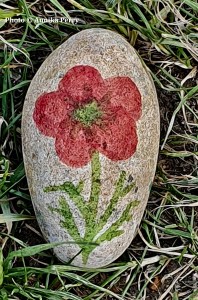
A painted stones left along pathways

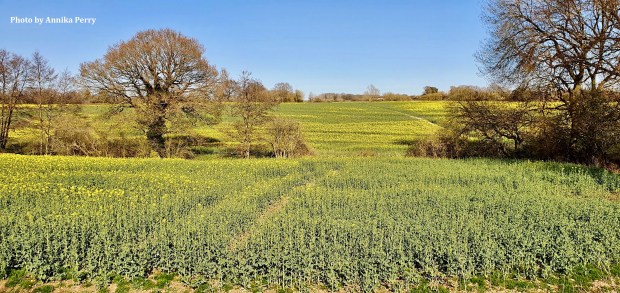
In March the days were chilly, a bite of winter in the wind, the fields barren and mud-ladened. I realised for the first time I would come to know in detail the surrounding landscape, the fields planted, harvested, the lakes full of clear water, then green with algae as summer arrived.

As August comes to an end a carpet of leaves forms a soft bed for my feet as I wander through the nature reserve; Autumn seems to have arrived earlier than ever. Already the fields are busy with their winter crop, the flowers almost all over and instead we spend the walks idling by the hedgerows, filling tubs with the juiciest of blackberries.

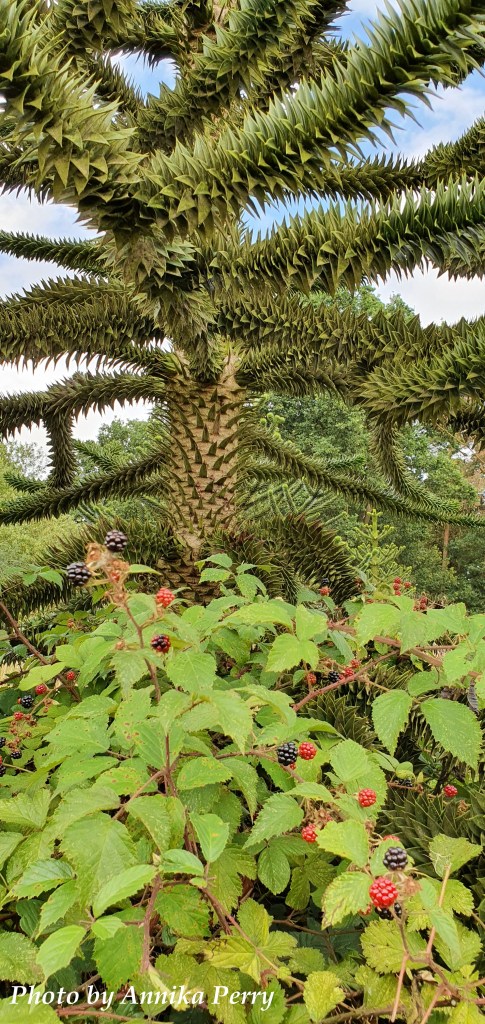
A spot of exotic blackberry picking!

When restrictions were slightly eased we headed out with excited anticipation to Marks Hall Arboretum and Gardens and as only members were allowed we relished having the place mostly to ourselves. (You may recall an earlier post about Marks Hall and its Sculpture Exhibition entitled Creative Energy )

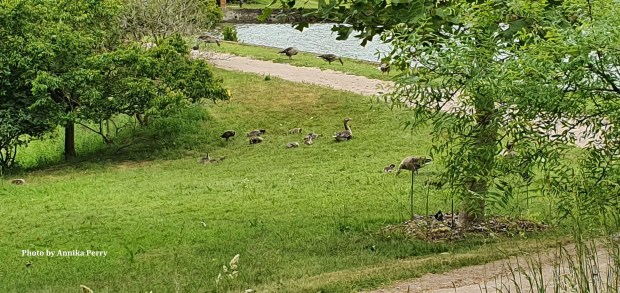
I couldn’t stop smiling as we wandered through new landscape, new views, drinking up the sights with sheer joy. The lakes were lush with fish, geese gazed warily at us, standing like sentinels over their young.

Geese and their goslings at Marks Hall.

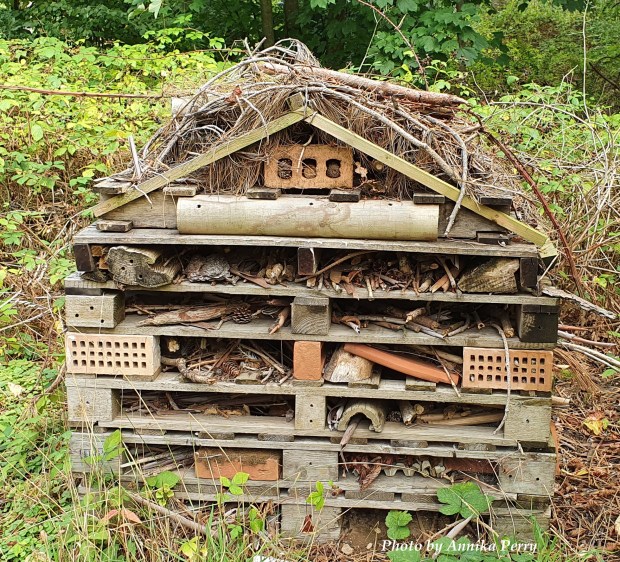
A Bug hotel caught my eye and I was only too happy and oblige by adding some leaves and sticks to the creation.

Bug Hotel at Marks Hall.

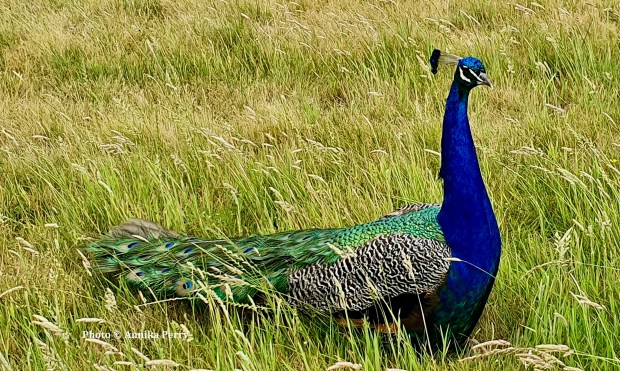
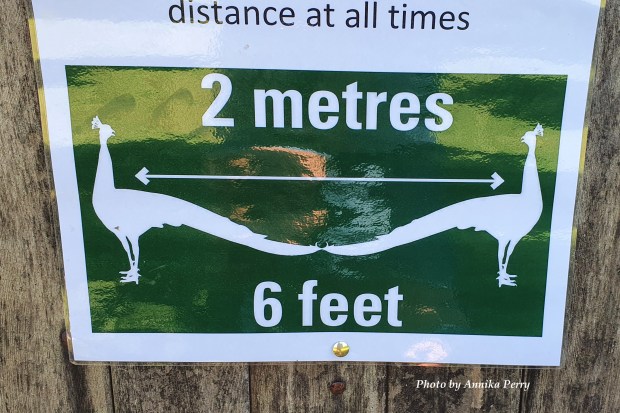
Peacocks never fail to enthral me and in spite of the lack of visitors over so many months, they were as still friendly and unbothered by us humans.

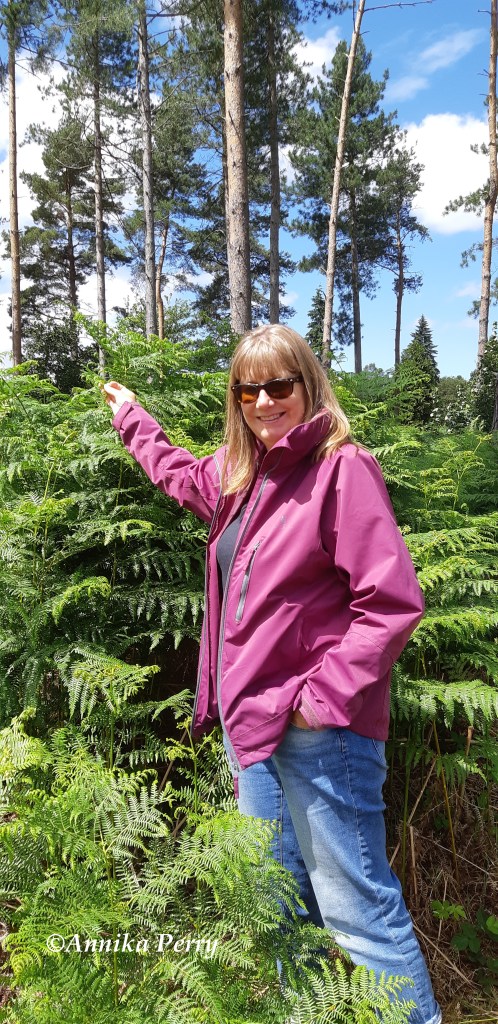
It was with childish joy I encountered ferns on a far-flung part of the estate. Reaching up I could barely touch the tops of them. Hooray! They were still taller than me!

Overjoyed at seeing ferns still taller than adult me!

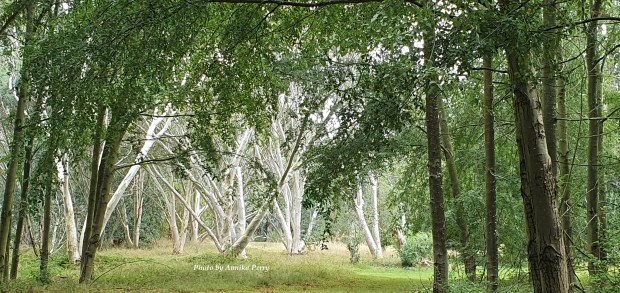
Up ahead I glimpsed an ethereal sight, the wonder of the white trunks of eucalyptus trees beckoned me, like angel wings amongst the darkness of the other trees. Their bark was smooth and soft, I stroked it as if a pet, relishing in the unusual texture. I picked a leaf or two, inhaling the fresh exotic fragrance. I might not have physically travelled far but my imagination was halfway around the globe!

Eucalyptus trees in the distance

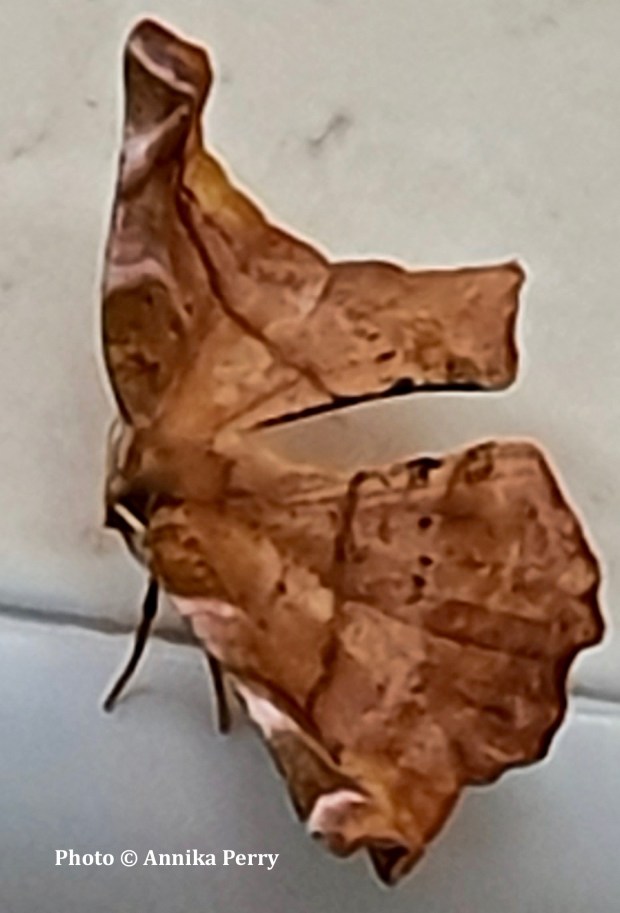
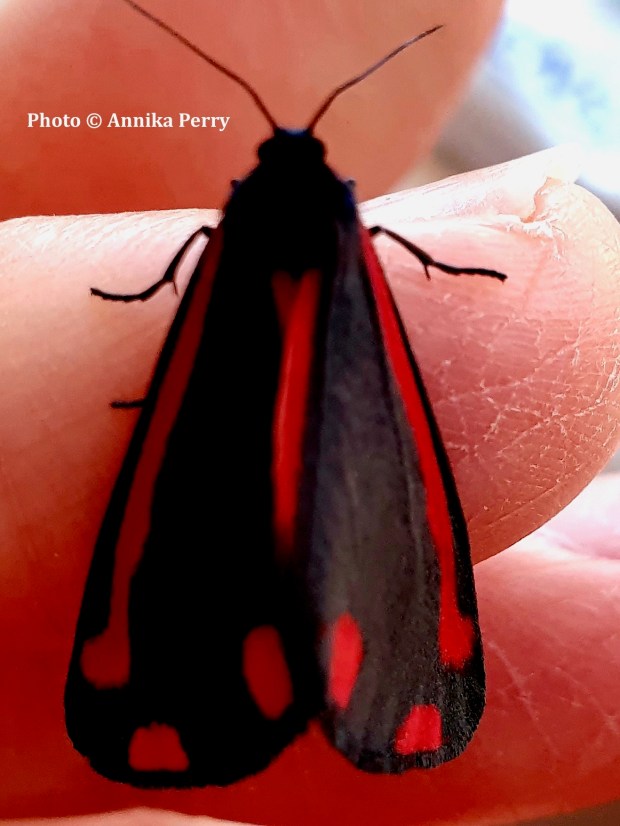
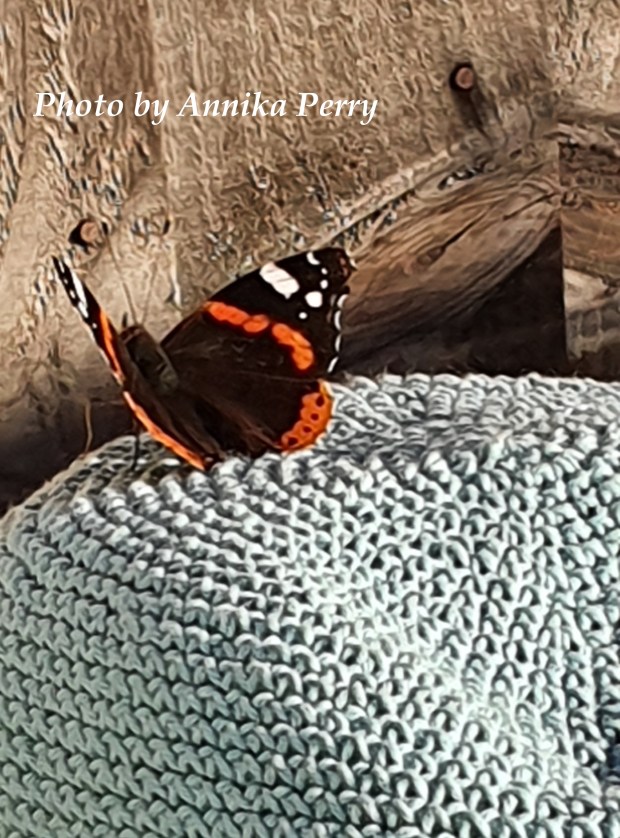
Bugs galore have graced us with their presence, and I’m sure they were always here. Was that a withered leaf on the bathroom floor? No, the most amazing of moths, which I think is called the Angle Shades. The shiniest of red in contrast to the black caught my attention with one bug, which I believe is the cinnabar moth. One lunchtime an admiral butterfly landed on my mother’s hat!

Our garden has been a solace and haven to me, more than ever! In the mornings I’ve had the time to greet the plants, stopped in my tracks in awe of the intricate details of the flowers and their petals.

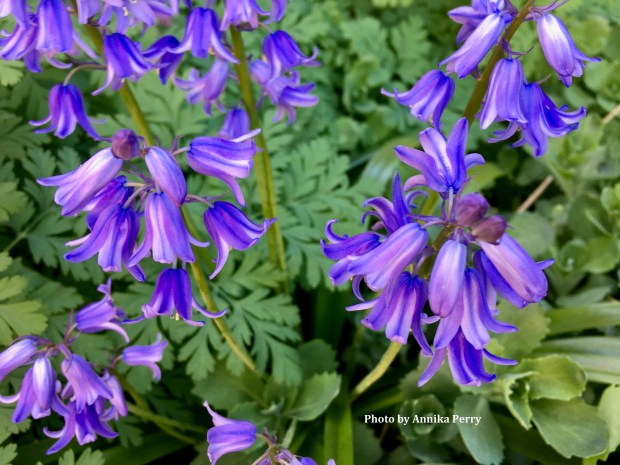
Garden bluebells

I even say a quick shy hello to our resident troll tree … can you spot it in the acacia below.

Face of our Tree Troll!

It is invigorating to tend to the plants, bushes and trees, then afterwards enjoy relaxation and rest surrounded by the beauty of nature.

Finally, I often have a song ‘playing’ in a loop in my mind as I stride out across the countryside and since writing this review one particularly has stayed in my mind – it’s especially relevant as I worked out the miles walked these months. I first heard it as the soundtrack to one of my favourite films ‘Benny & Joon’. Enjoy the snippets of the film as you listen to ‘I Would Walk 500 Miles’ by The Proclaimers!

CHAOS AND SHIMMERING BEAUTY

EECC0AF4-E925-47FC-9EF0-3BB069D25131

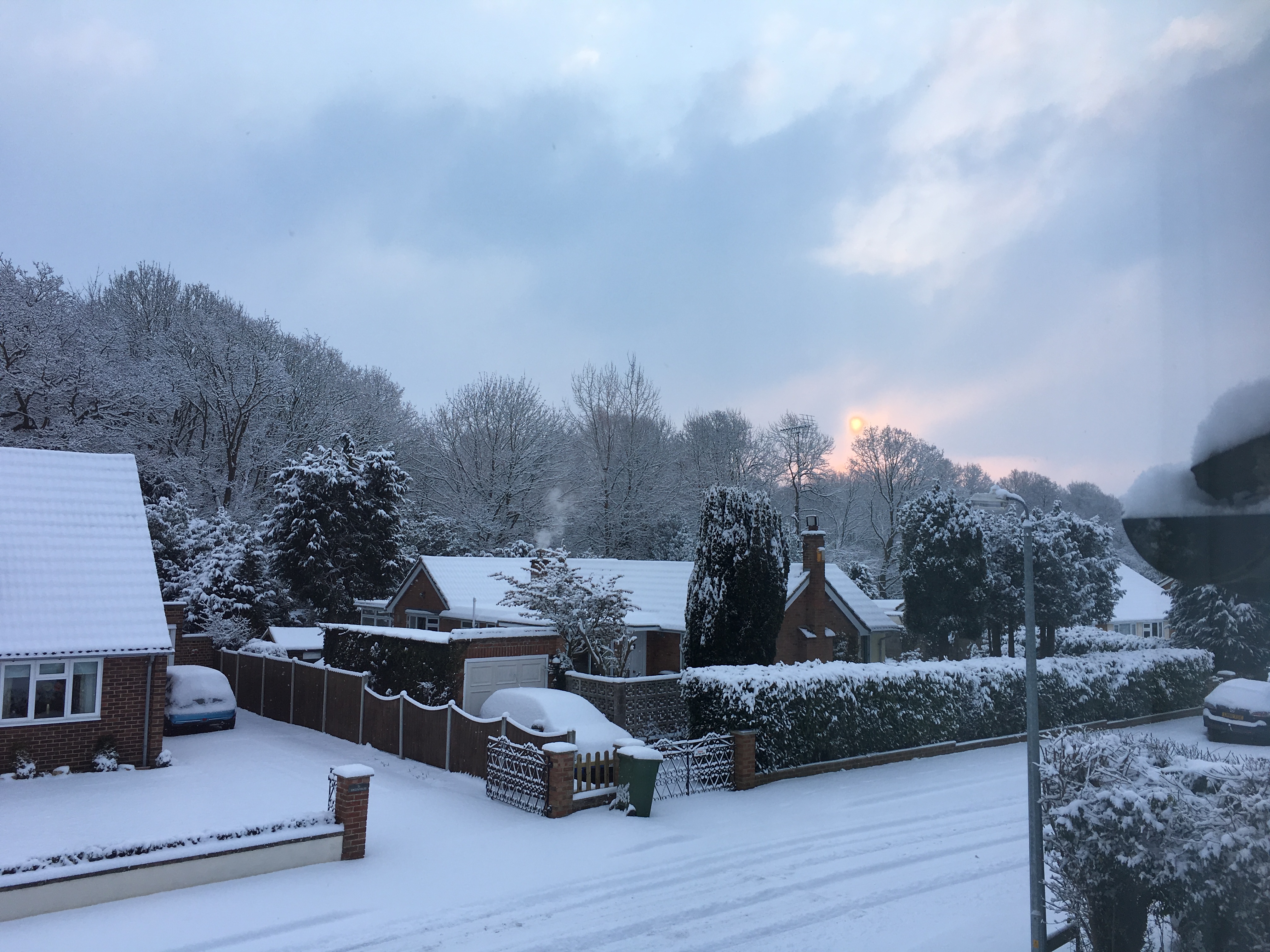
What is it about snow? Just as it has the power to cause chaos, this quality brings along unexpected peace and harmony. Waking to the promised sub-zero temperatures, the snow view from the bedroom window was stunning.

Heavy clouds shimmered in their purple hues, ladened with more snow. Through them pierced the morning sun, a thin spotlight of warmth, a glimmering sign of a new day. Ethereal colours danced all around.

F7F43DC7-FB3F-4430-8371-85BFAF69B5C5

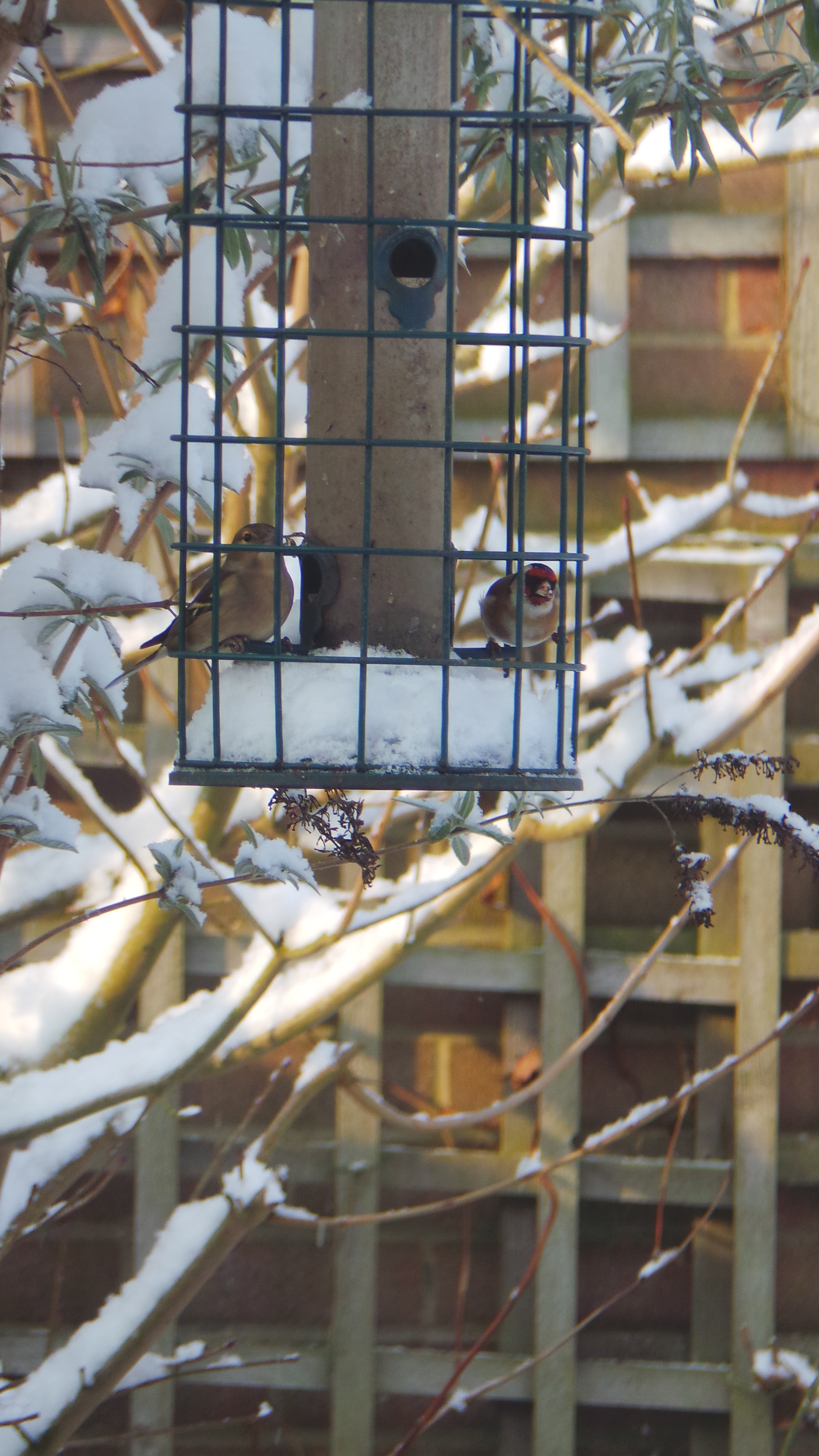
Outside the birds flocked thankfully to the full feeder, and with quiet gratitude I watched their morning repast whilst contentedly eating my own. A breakfast usually rushed for work and school took on a life of its own and was one that just did not want to end. Ninety minutes later my soul was satiated from the busy flutterings, my stomach was full with berries, yogurt, granola. The outside beckoned!

90F2B88A-4438-4F06-ABC7-3BDDC409B316

With perfect timing the sun appeared as I strode around the nature reserve. Total and absolute silence, apart from the satisfying crunch of snow with every step. The crushed implosion seeming to reverberate across the landscape. Otherwise not a sound. No birdsong. No a single car engine noise. Just a few solitary walkers, some children on their sledges and snow scooters.

6E6AD345-5F16-4083-8018-8E3F007FC597

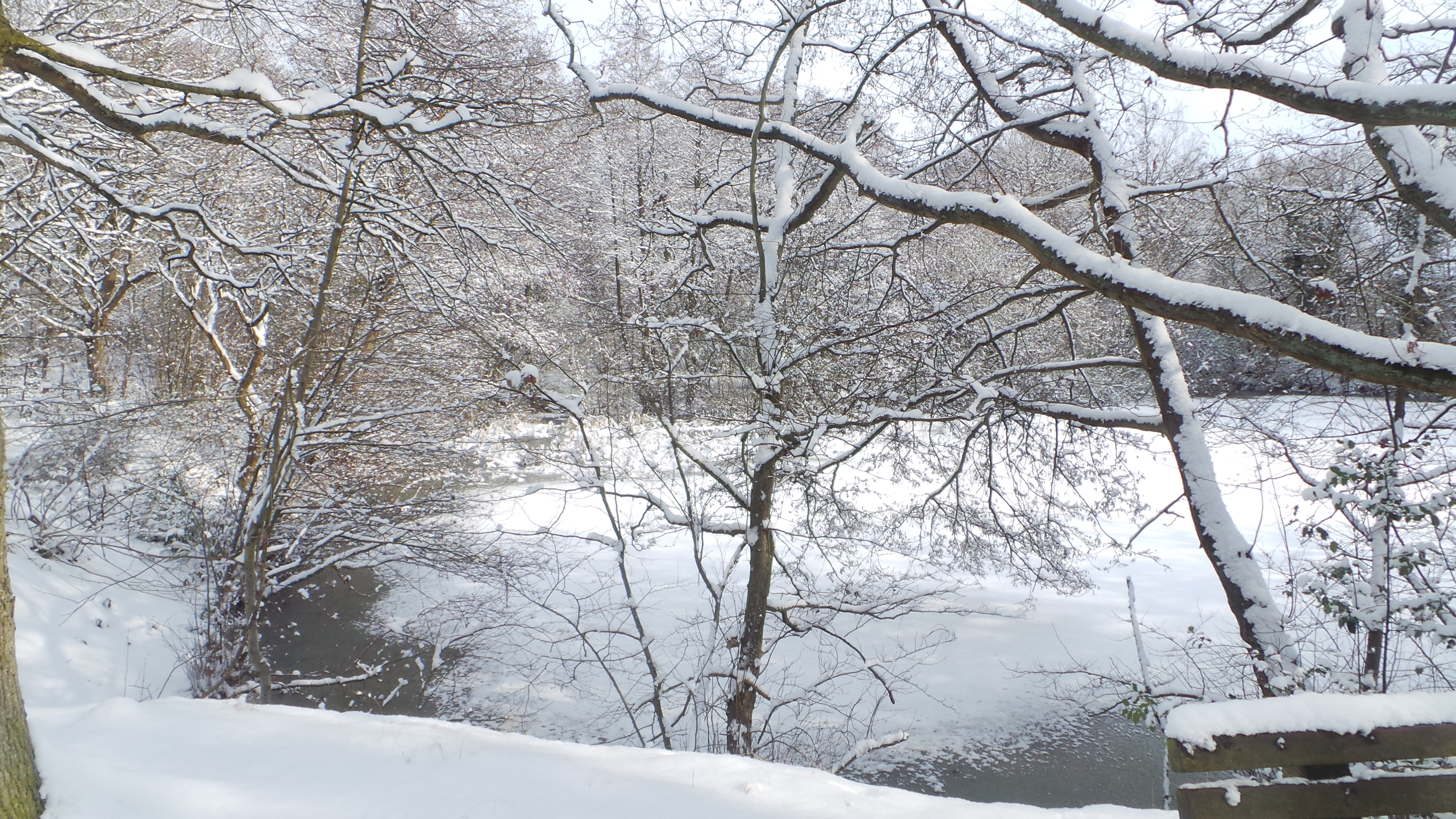
Gently winding its way round the wood, I follow the path from memory, gazing across to the small lakes. Their frozen surface is not one I’d trust to walk out on, however tempting!

E9274F3D-9CB7-48C9-BFBA-A555C26CE611

Ahead, a welcoming bench is covered in white and the usual seat for contemplation is reluctantly passed by … until another warmer day!

E307FA83-E95D-4ED8-9CAC-DDE5B44F9491

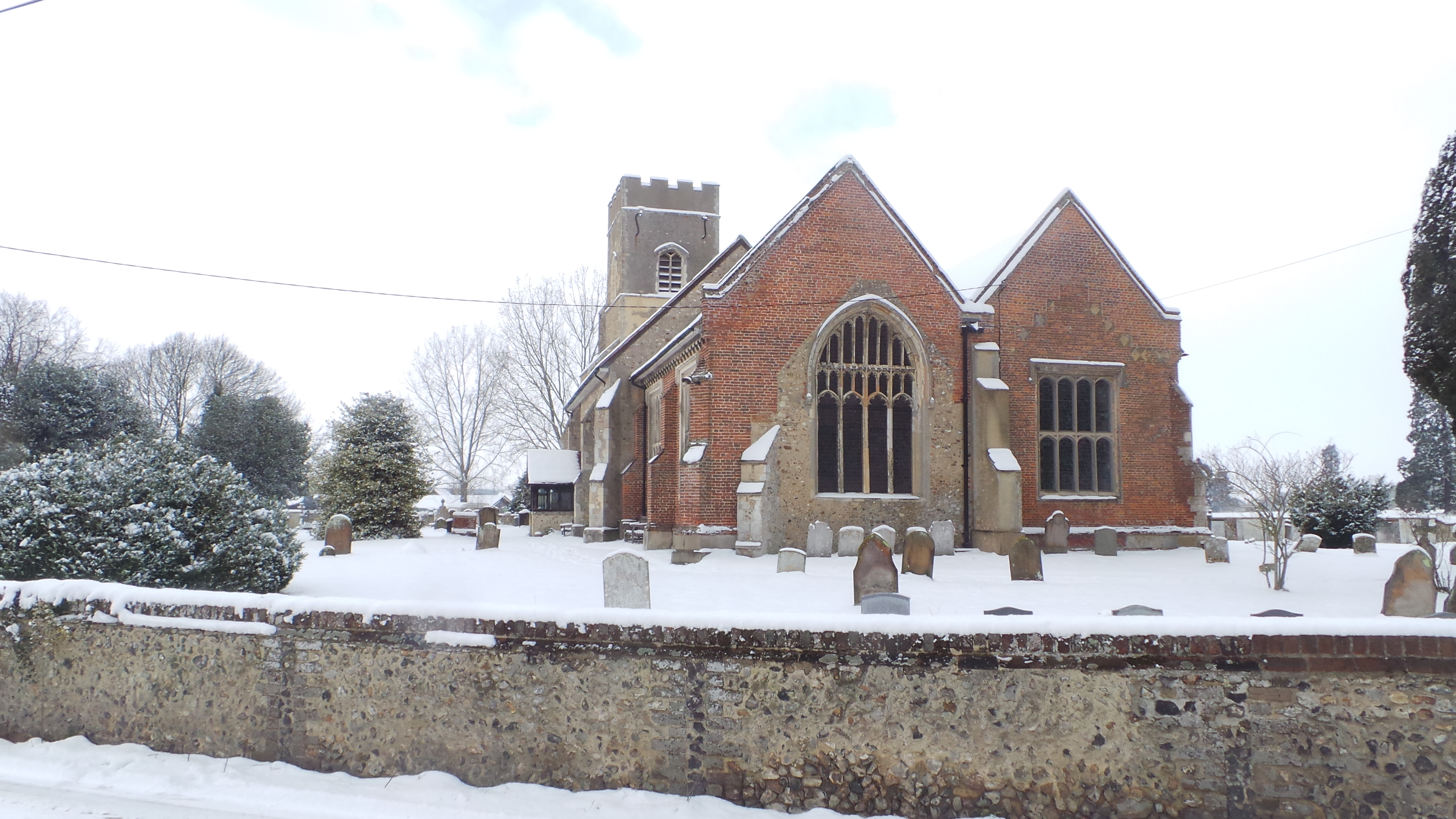
The church stands out gloriously in its winter setting, a perfect Dickensian feel and it’s timeless nature makes me stop in awe. A church on this site since Norman times, the additions are clearly visible. Recalling the stained glass windows from Ely I’ve always wondered what happened to the ones here. Later I learn they broke and were never replaced with such wonders, alas!

65CCA2E5-3FE3-4266-8EA6-7CECCC4071D6

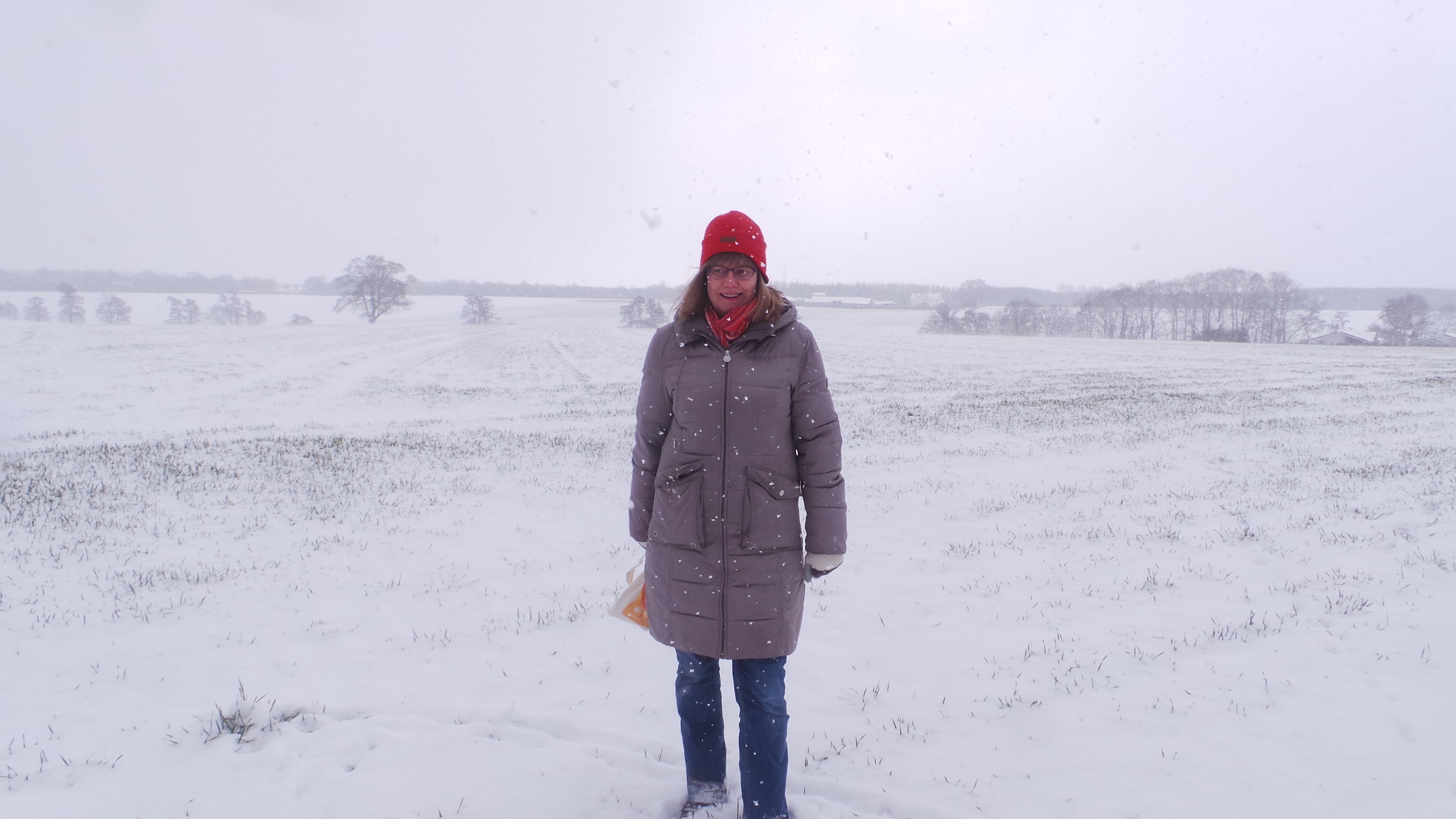
As I turned to home, the walk suddenly became a trek across the arctic tundra, a howling bitter wind fought a battle across the landscape. With my head bowed and fingers riddled with frost bite (or so I imagine) I slip-slide my way through the soft depths of snow, gazing at the ripples of white powder, perfect peaks across the fields. I trudge on wearily, relentlessly, the thought of a welcoming hot chocolate whinching me home.

SOLVITUR AMBULANDO – IT IS SOLVED BY WALKING

IMG_0853

My brain is ensnared. My eyes dart to the bright sunlight and soon my toes tap the floor restlessly, itching to move. Now my body is begging for the the outside, the fresh air, the sun.

Inwardly I simultaneously groan and cheer. The battle is over – work can wait, it’s time for a walk!

Do you ever suffer from the same turmoil? Do you need a walking break now and then? If so, put down your pens, push your keyboards aside and join me as I stride out on a local walk – I’d love your company.

Luckily this is a walk from my doorstep and after a quick stroll past the pretty gardens of the neighbouring houses, I cross the main road. Soon the peace of the countryside surrounds me.

Deftly (I wish!) climbing over the wooden stile, I avoid a rotten board. My sudden squeal of pain surprises even myself as nettles spike my bare legs and I stamp about in a ridiculous fashion as if this would soothe the stinging.

Golden Shades of Wheat field

(Please click on the photos to enlarge them.)

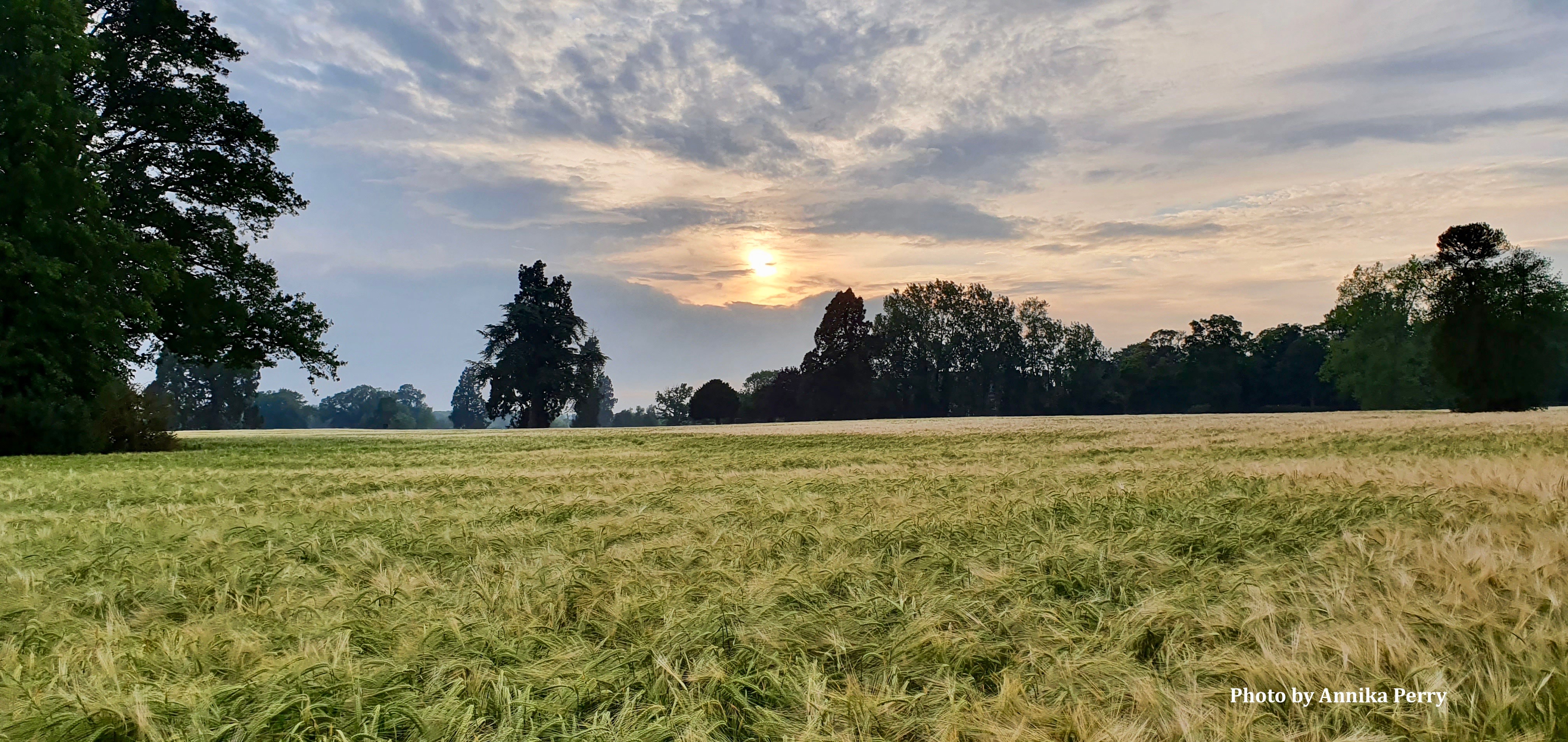
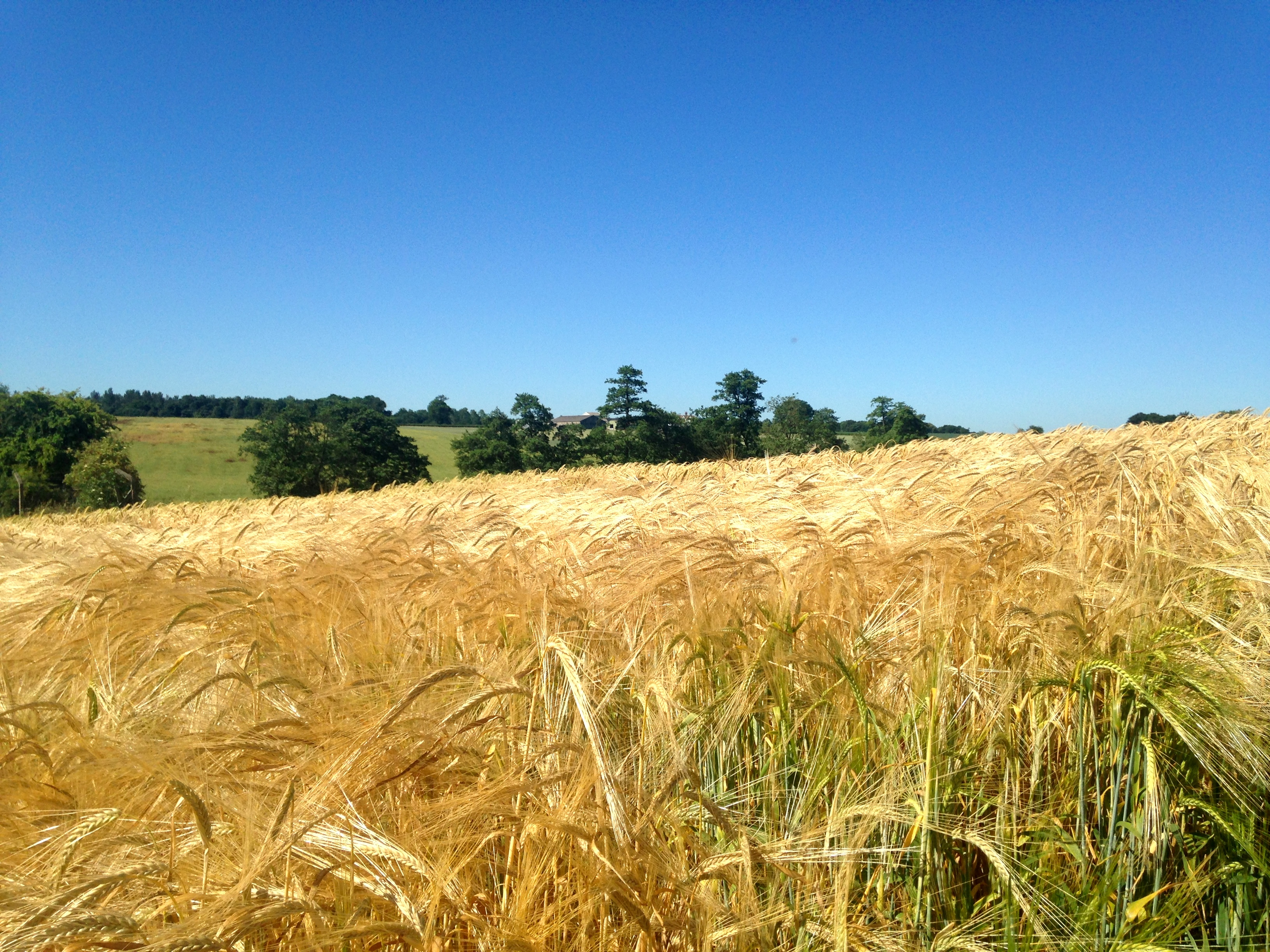
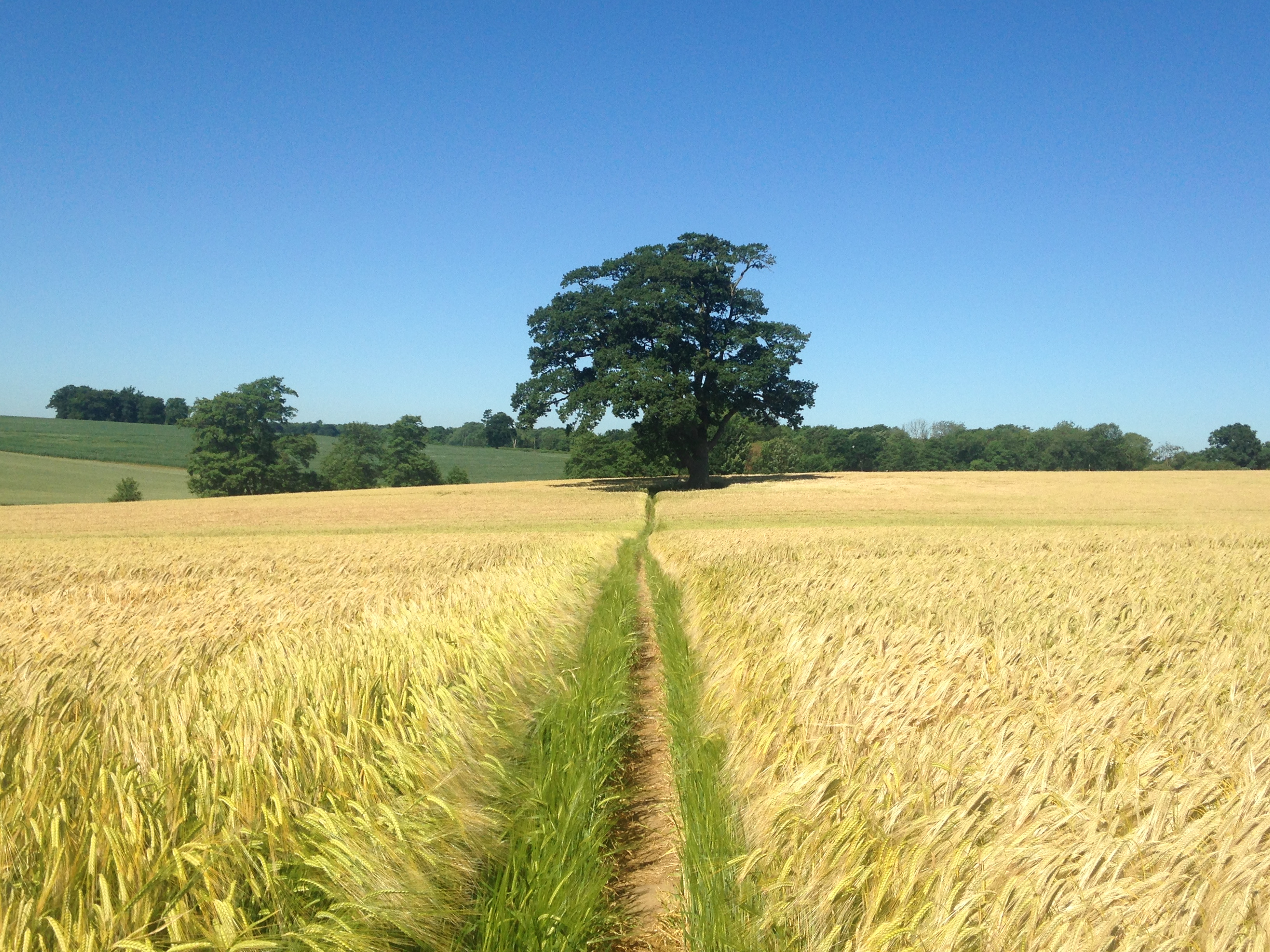
Ahead stretches a vast wheat field. A lush sea of colour, from burnished bronze to light yellow to green of fresh new growth languidly rustle in the breeze. The myriad of golden shades sway back and forth in great swathes, the soft shimmering ripples creating soft music as the full ears of corn move together.

Runway Streaks
Runway Streaks

In one place two light green parallel lines of wheat stretch far into the distance, as if lighting a runway for planes above. Where did they come from? The mystery buzzes around my mind as I try to spot the crop circles which usually appear as if by magic amongst the golden mass. No such wonder today. They’re always fascinating. Nature’s art. Or is it a small alien landing craft? I smile to myself at my mind’s musings.

In front of me looms my marker; a lone oak tree perfectly outlined against the golden field and the sheer blue sky. On a warm day as today the fully grown tree offers welcome cooling shade.

Lone Oak Tree
Lone Oak Tree

Years ago, when my son was young it was a fun obstacle as we chased each other round and round the thick trunk. At first, when I could easily have caught him, I’d ‘stumble’ and let his tiny hands grab my legs. Then when he was older I ran for all my worth until dizziness overtook me. I’d stumble and after letting me think I’m winning my son would catch me, save me. Life’s full circle.

Dry Earth Cracks
Dry Earth Cracks

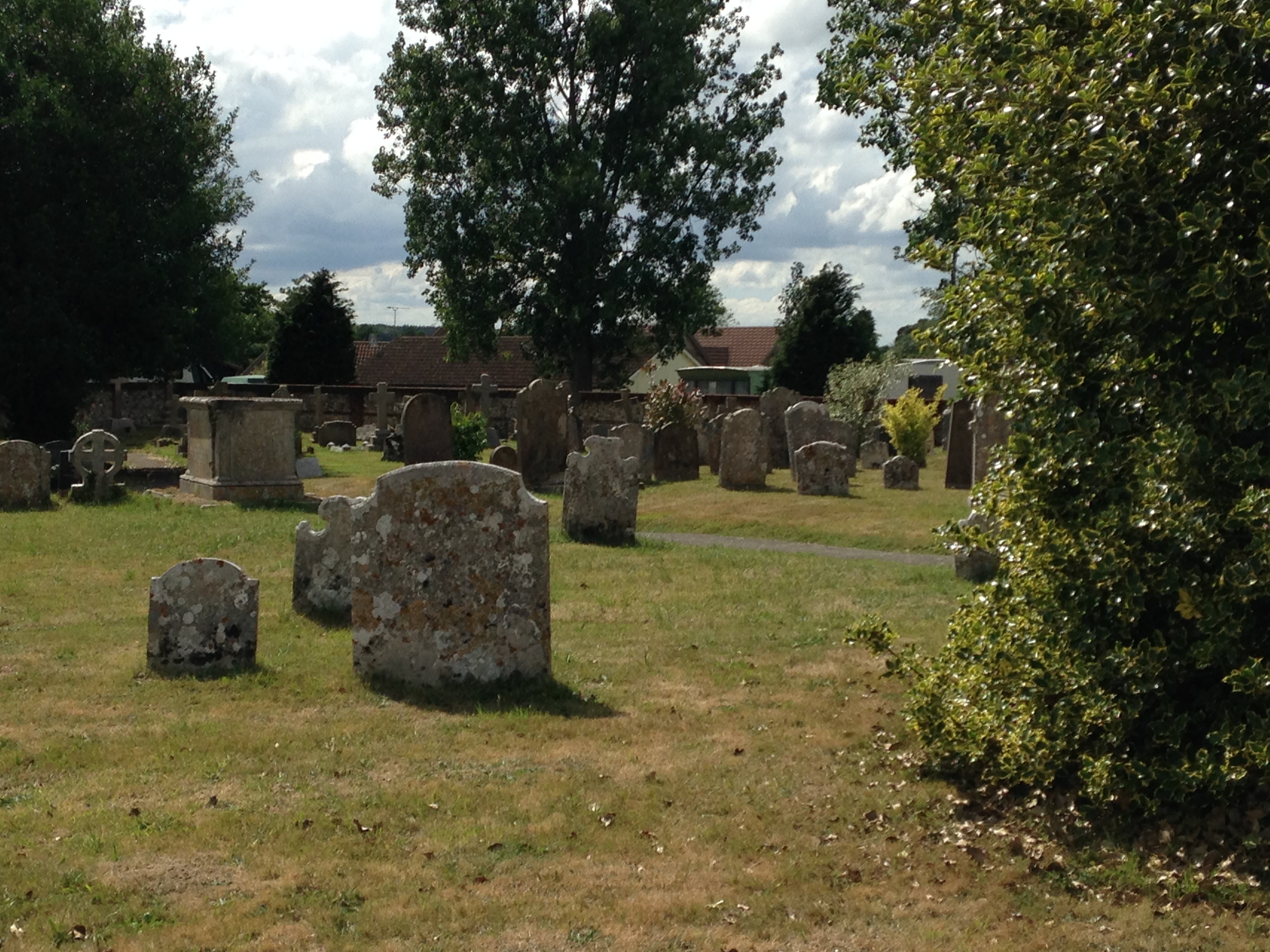
A right turn in the path and as I traverse the bone dry ground, carefully stepping between the deep cracks I glimpse the church ahead. Standing alone in its dignity and history. The Medieval and later Tudor addition creating a beautiful serene building. I approach it through the lych gate, the church to my right, the cemetery to my left. Built in 1435, the church is much as it was, with the original Nave, East Window and main heavy wooden double doors all intact.

The lych gate was built in 1919 and was originally the place where corpses lay before being brought into the church, hence the engraving above of  ‘Mors Annua Vitae’ – ‘Death is the gateway to life’.

This slideshow requires JavaScript.

(Please click on photos to enlarge and to see them in a slideshow.)

I wander around the cemetery, deep in thought, seeking solace for my own losses. Stopping I read an inscription or two. There lies William Beck ‘Gamekeeper to Basil Sparrow Esq’, the gravestone put up by the latter in January 1860 to his ‘courageous and faithful servant who died from wounds caused by the accidental discharge of his gun…’

As I stop at a grave here and there I’ll say out the name out aloud, hoping to honour the person, hoping to revive meaning behind the utterance.

Village cemetery
Village cemetery

Writing is never far from me and I scan the names for inspiration for stories or perhaps to find a name to fit in a piece of fiction writing. This was the case with my winning short story, where my main female character’s name was discovered at a cemetery. (By the way, that particular story will soon be featured on my blog.)

I pause at one particular grave. For a baby girl who fleetingly visited this earth for a day. She was born healthy and strong but died seventeen hours later from cot death. I knew her mother well as our sons were best friends and the tragedy shook us all.

So I continue my walk, thoughts drifting on life and death, as always the two intermingled, inevitable.

Walks and thoughts.  As I stride across another field I lose my conscious self as an internal discussion rages in my head, this is distilled into peaceful reflections and new ideas swirl into being. As if in a transcendental meditation I wander on and in a shock I discover myself far from my last conscious position. The inner concentration of brain storming so powerful the ‘real’ world takes second place to the inner world. With my brain cleansed, with ideas stored safely for my return, I continue feeling clearer, lighter, brighter. My feelings echo Bill Bryson’s words on walking ‘…you exist in a kind of mobile Zen mode, your brain like a balloon tethered with string, accompanying but not actually part of the body below…’

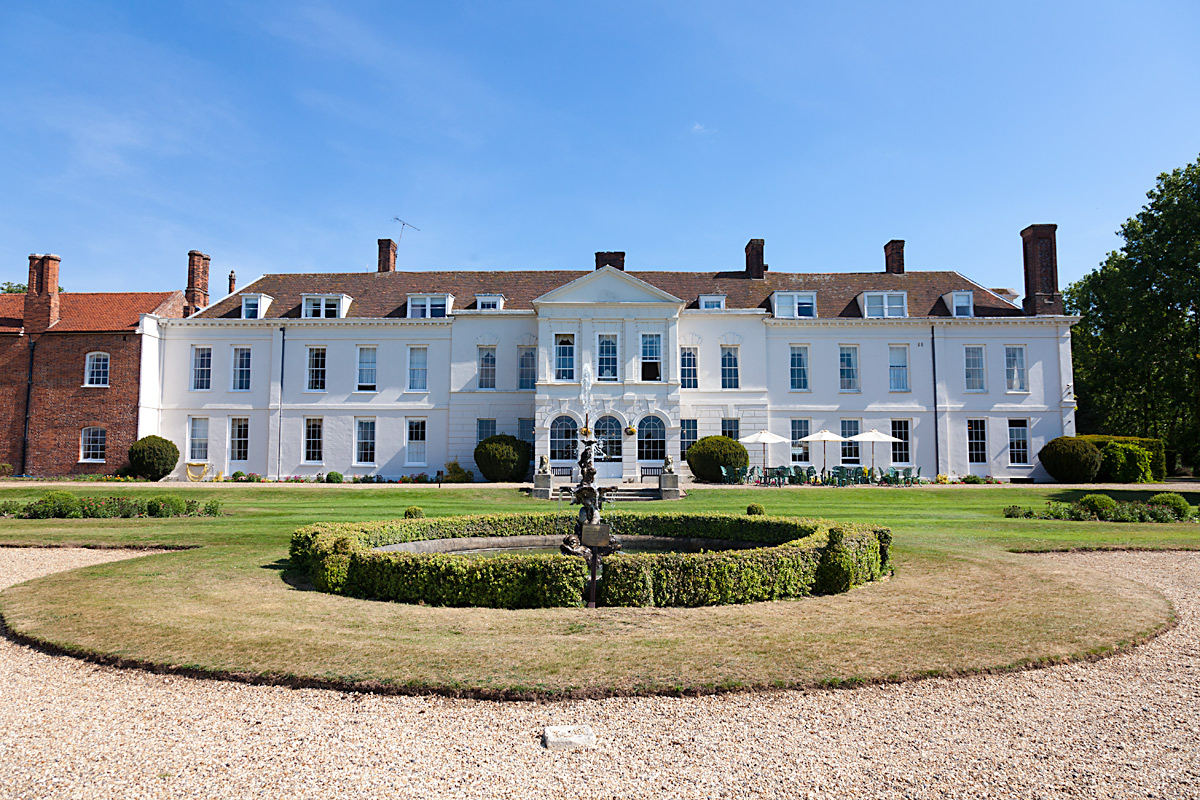
To my left now is the regal Elizabethan hall with its stunning Georgian front. Now a country home hosting grand weddings it formerly saw Elizabeth I and her retinue as its regular visitors. Built in 1544 with major reconstructions in 1691 and 1715 its features include a spectacular central courtyard.

Georgian Front to the Hall

Tudor Back to Hall (formerly the front)

I remember the lovely afternoon one Sunday when it opened for visitors and it felt a wonder to be served scones and tea in such special surroundings. One Christmas the local primary school children walked up to the hall and enjoyed lunch in the ornate wooden banqueting hall. Overawed the pupils were silenced – for a moment. Imagine, eating in the former residence of King Louis VXII and his wife and their 350 courtiers!

Hall Courtyard
Hall Courtyard

By now sweltering from the heat I welcome the shade from the avenue of trees heading back to the village centre. The wind sweeps along the straight and gently caresses my tired legs. Treading on the road I am still astonished at its surface, the one originally laid by American troops during World War Two, as it led to the local airfield. It must have endured so much heavy traffic in those few years alone but is still going strong.

It was many years before the USA Airforce left the area I’m reminded as I halt by the memorial plaque of an American pilot killed as his plane crashed into the village playing field in 1963. As the F100 Super Saber jet developed an engine fault Col Wendell Kelly heroically chose to stay with the plane to ensure it avoided the local school. When certain the plane would crash away from civilians he did eject, but too late to save his own life. Recently a 50th commemoration service in his honour was held in the village and it was lovely that his daughter and other family members from America could attend.

This slideshow requires JavaScript.

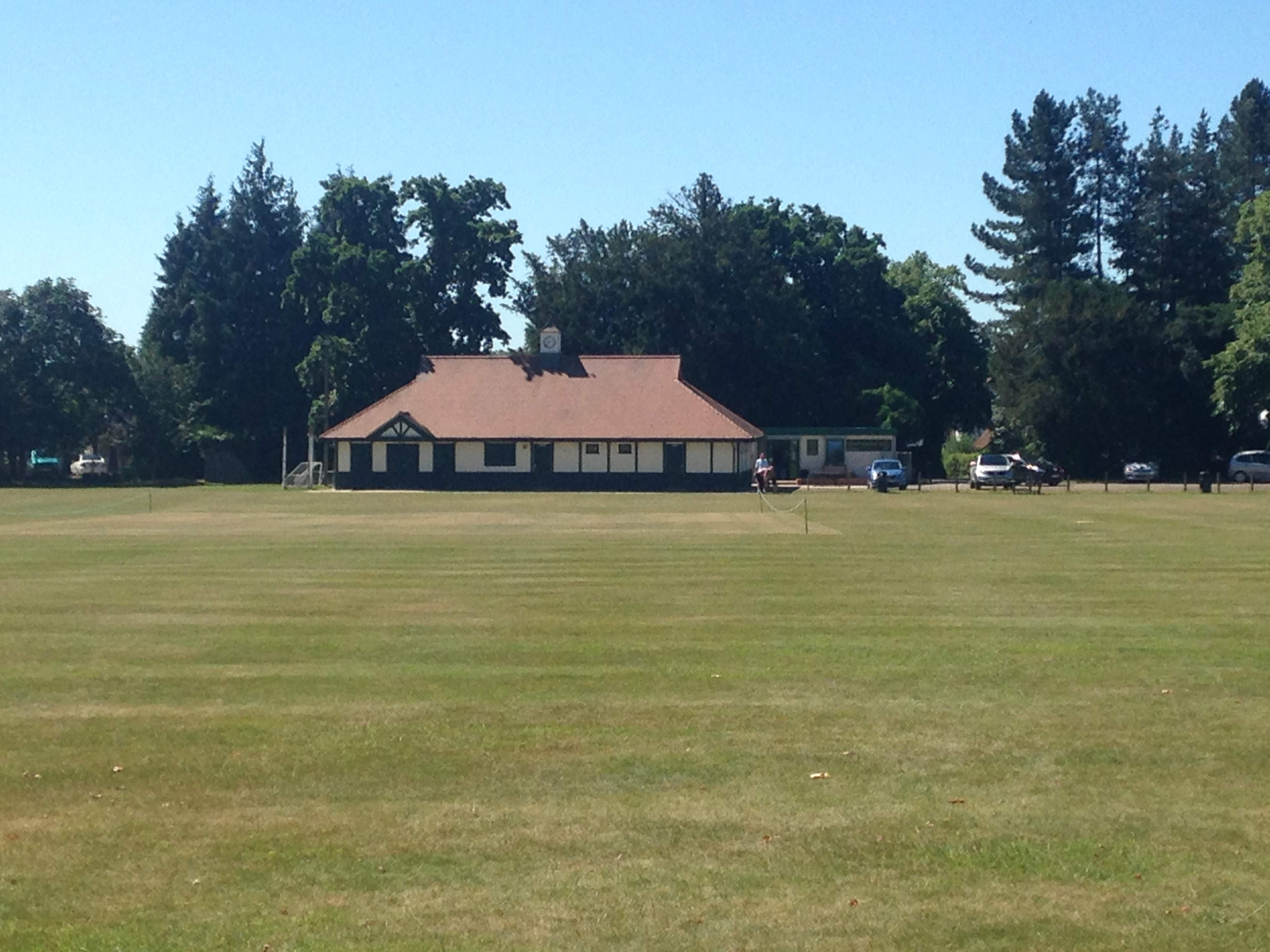
The very same playing field in use today by children and adults, for football matches, cricket matches, fetes. For years I watched my son and his friends charge across the sun-scorched grass, heading full pelt towards the playground. More sedately I walk towards the shop, the field quiet and empty as I recall the yelps of joy as the children were let out of class.

I’m here now. At the local shop, which is run by a team of dedicated volunteers. Time for a break. What will you have? Tea? Coffee? Ice-cream? Yes, I’ll take one of those thank you. Let’s sit out on the table. Yes, just that one there, the one with the red geranium precariously standing on it.

Village pavillion with local shop tucked next to it

Now silence, peace. Time to be thankful. Time to reflect.  Tired my legs ache for a rest. Refreshed my fingers itch to write. Alert my brain is brimming with new ideas and plans. I’m off home and back to my writing.

The final stretch of the walk takes me through the dappled shade of the Nature Reserve. Once a gravel quarry it has been developed since the 1960s into a local area of beauty with three large lakes and rich woodland. A bench beckons by the  water’s edge but determined I go on my way, greeting the ducks who are paddling near by. I’ll be back later with some bread later, I promise them. At last I spy the house located only a few metres from the Nature Reserve and again marvel at the ideal location.

One of the lakes at the Nature Reserve

Felled tree in Nature Reserve

Well, the walk is over and I want to thank you for joining me. I hope you’ve enjoyed it as much as I have.

‘Solvitur and ambulando – it is solved by walking.’

By St. Augustine