

THE SPIRIT OF THE FEN
The grace of an invisible hand flits across her cheek,
an ethereal sensation.
She leans forward, longing for more.
The bombardment of silence thunders in her ears
whilst the meandering of bumblebees
is amplified to
Concert crescendo.
Eyes closed,
she senses the trials of thousands of years
Swirling around her soul.
The ghostly guide tugs impatiently
At her hand.
‘Not yet’, she replies.
‘Soon, very soon.’
First she needs the grounding
Of the boardwalk.
As far as the eye can see
Reeds and sedge dance in the breeze
A bewildering display unleashed.
The unified being pulsating with life;
Its energy palpable.
The cerulean sky reaches
To infinity.
Unhindered by obstacles it sweeps down to
The sunbeam of golden land.
Ahead indistinct voices drift towards her
The unknown language beguiling.
The air punctuated by thumps of axes
Trees hewn by brute force.
A canopy of oak leaves looms above her
She shivers, sways and swoons
Into the arms of the mystical being.
©Annika Perry, May 2021
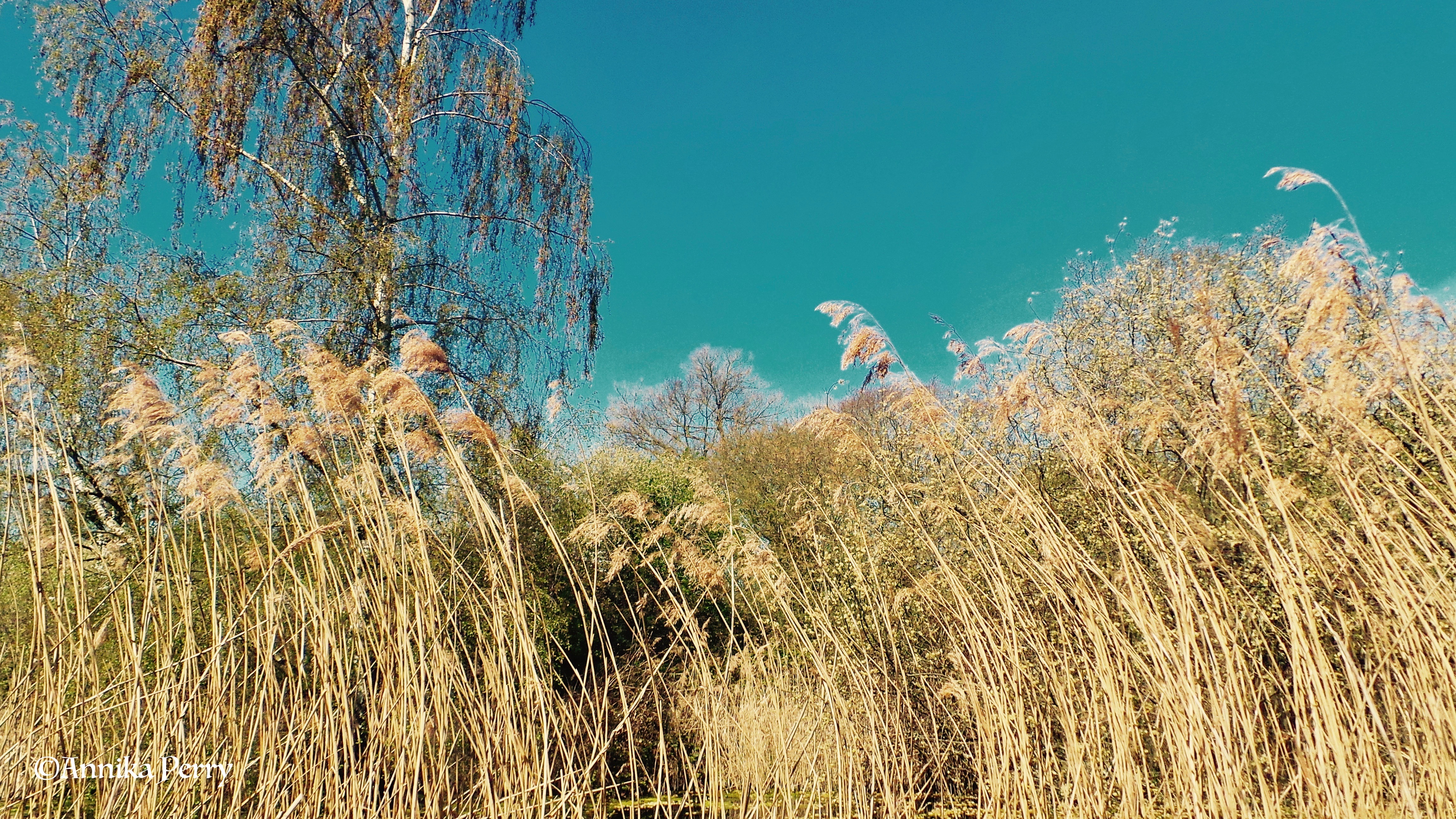
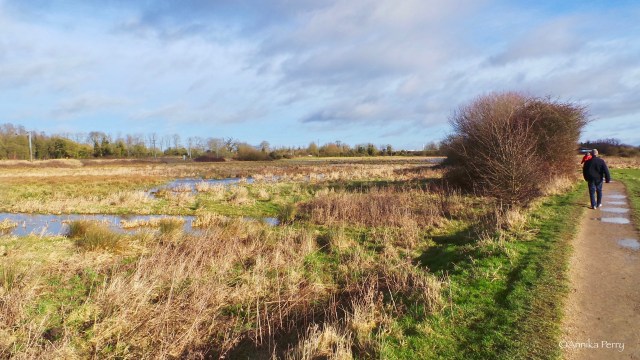
‘The Spirit of the Fen’ was inspired by my recent visit to Wicken Fen, the oldest Nature Reserve in Britain. Immediately I sensed an enchantment within the ancient fenland of East Anglia.
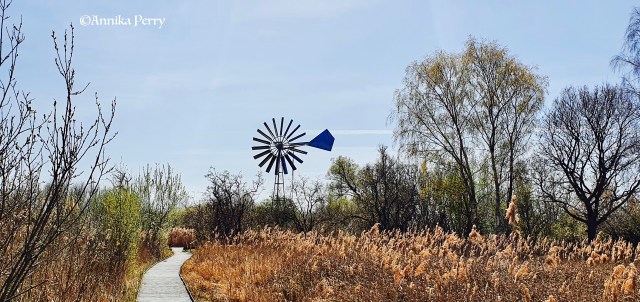
An inventive and enjoyable set of boardwalks has been created around the fen to allow visitors to the site whilst protecting the landscape and wildlife. It was thrilling to step out just above the water, gazing out upon the bewitching scenery.
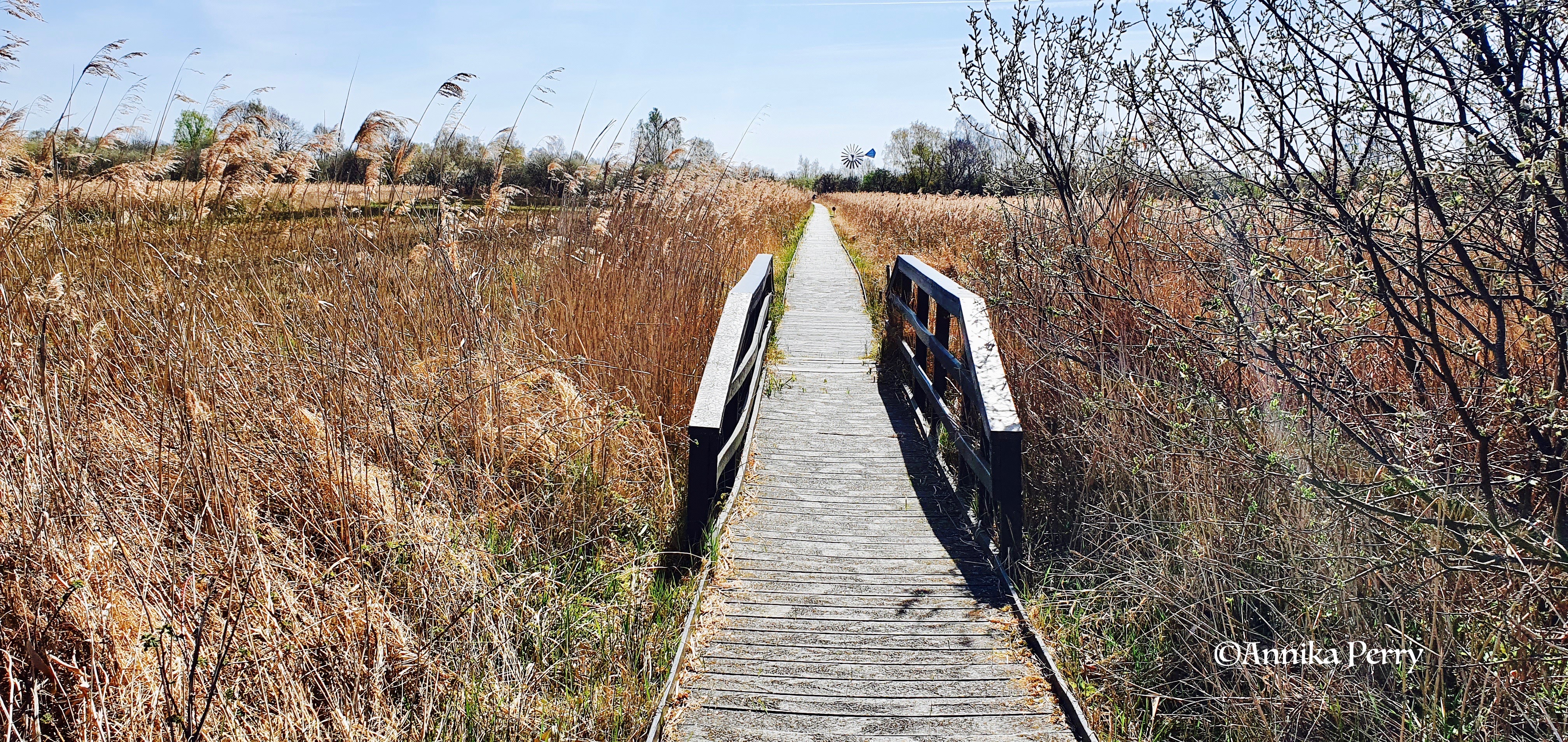
The fens are made up of the fens, marshes, reed beds, farmland and woodland. There is a deep peat soil that is kept wet by rainfall and clean, chalky river water.
Within the low lying water reed and sedge are grown for harvesting. The latter is used for thatch roofing which is still used for many older buildings within the country. The earliest recorded sedge harvest was in 1414.
Furthermore, the fens are rich with a variety of floral and fauna with over 9000 species of animals, birds and insects thriving in the area. I only saw a handful of these alas! Charles Darwin in the 1820s favoured the spot for finding beetles.
The reserve was founded in 1899 by the National Trust to preserve its iconic habitat and the first parcel of land was donated to the Trust by Charles Rothschild in 1901.
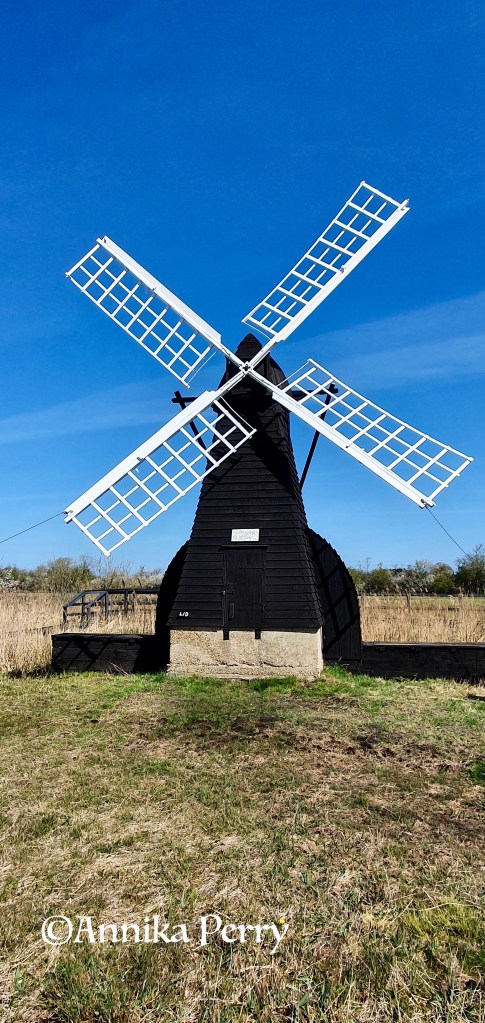
Although some parts of the southern fens were made into navigable waterways by the Romans called the ‘Lodes’, the majority of the fens were barely accessible before they started to be drained for farmland in the seventeenth century using windmills. Wicken Fen remained undrained and continued as a business for peat and sedge until the end of the nineteenth century.
Although Wicken Fen is currently quite a small area a new 100-year project was launched in 1999 to mark the 100th anniversary of the first acquisition. The Wicken Fen Vision is seeking to expand the fen to a size of 22 square miles to preserve and increase its exceptional biodiversity.
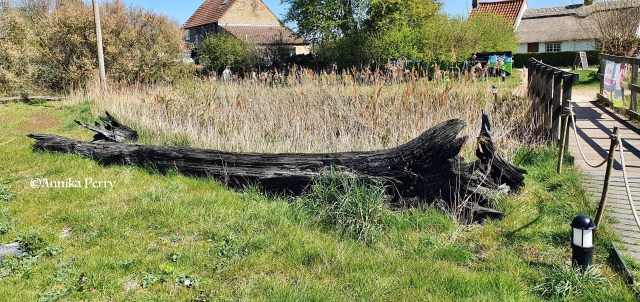
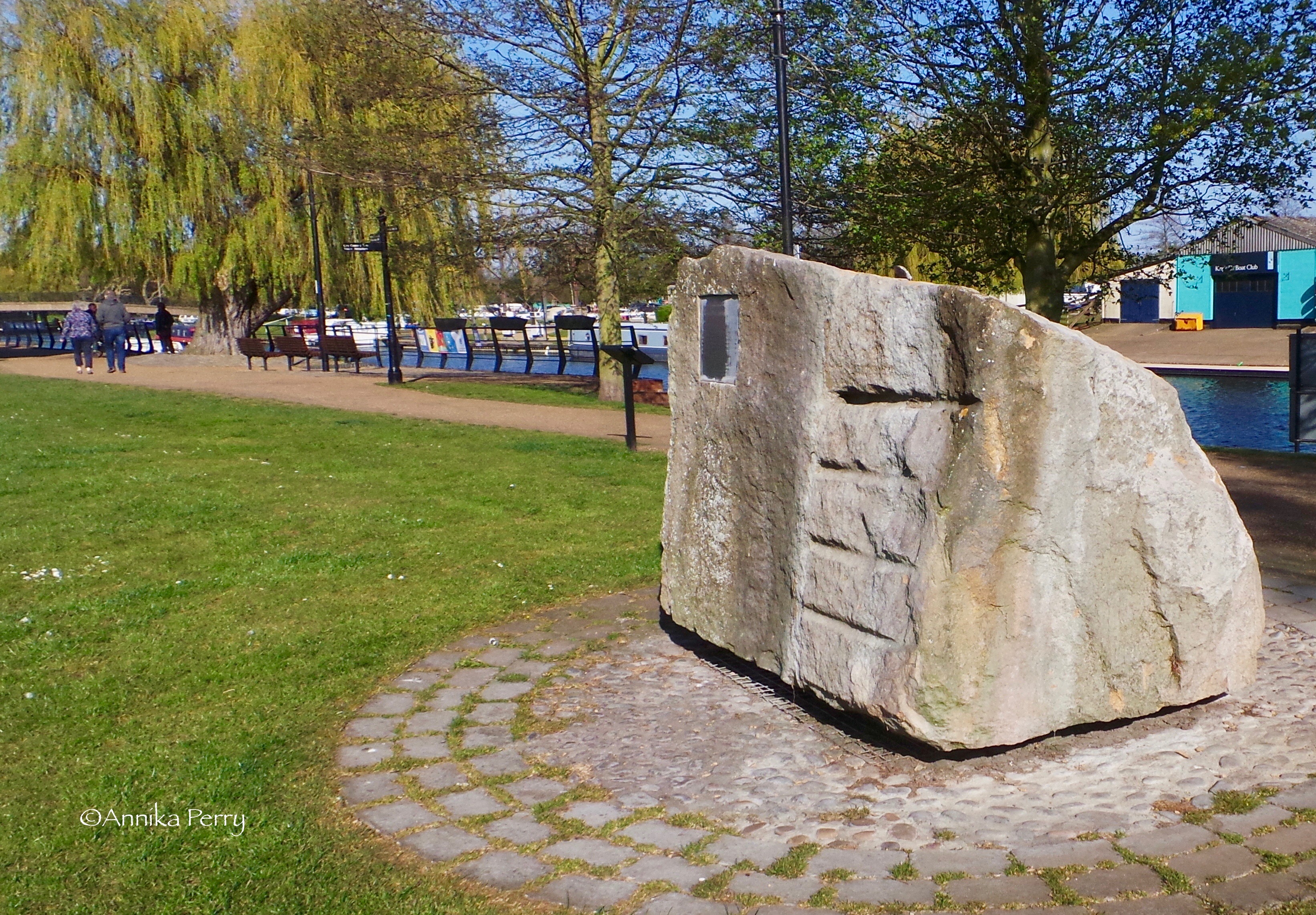
Finally, it was fascinating to learn about Bog Oaks upon leaving the Nature Reserve. These are remains of trees preserved in the waterlogged peat and just such a tree was unearthed in 2016 whilst a ditch was cleared, pictured below. Some bog oaks are from the Bronze Age and it is staggering to think that before me lay a tree trunk from possibly 4200 years ago!
The magical aura of Wicken Fen stayed with me long after my visit, the peaceful, harmonious presence lingering within. It will not be long before I return to this unusual place of natural beauty to explore more!






















 Nowadays tourism is the biggest industry in the area – although Cley proved to be quiet, with visitors dotted around the town, coast and visitor’s centre.


 Whilst others muttered at the lack of mobile signal I celebrated the return to ‘olden’ days and scouring my purse for coins I headed to the red phone box to call home. Memories of university days flooded my thoughts, my whirlwind of emotions as I recall hours spent calling from these tardis-style contraptions!








 This was my ‘Northern Exposure’ moment! For years I’ve watched the starting credits of this show, always amazed as the elk nonchalantly wandered through the town. Here I saw the giant beast close up. Totally still as it weighed up the situation; its two off spring trapped on opposite sides of the road. We didn’t move. No one said a word. Feelings of awe and majesty flowing over us.
 I’ve never seen such a sad forlorn expression as that on the remaining calf. Its bewilderment and fear complete. We waited for the scenario to play out – it was obviously the language of stares. Which luckily went on for minutes so we could relax in the close proximity of these animals.
 As suddenly as Mother Elk had crossed the road, so it did again – back to the shyer, more fearful calf. Rejoined they looked back at the original calf. One minute. Two minute. The game of dare. One, two careful steps and then it walked, sauntered across. The Brave. The Fearless. The Adventurous. A hushed cheer in the car and the animals scarpered into the forest, the cowardly one turning away from the others before bolting back to them in a hurry.
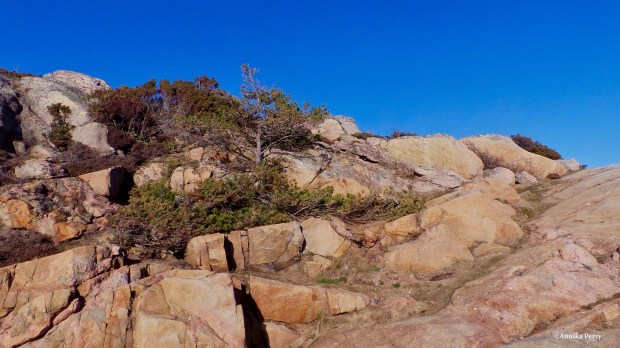
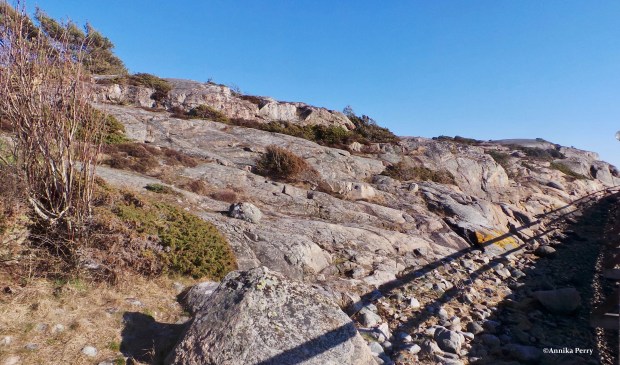
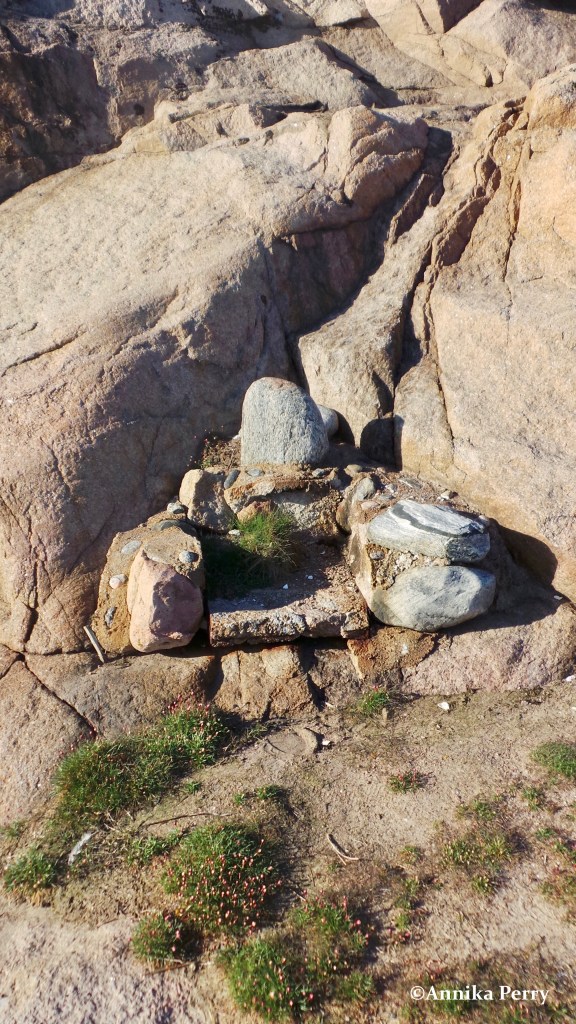
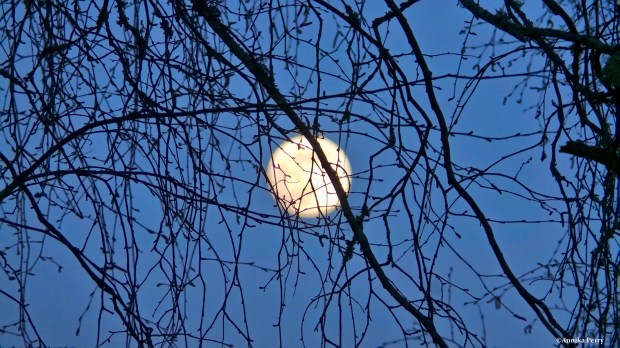
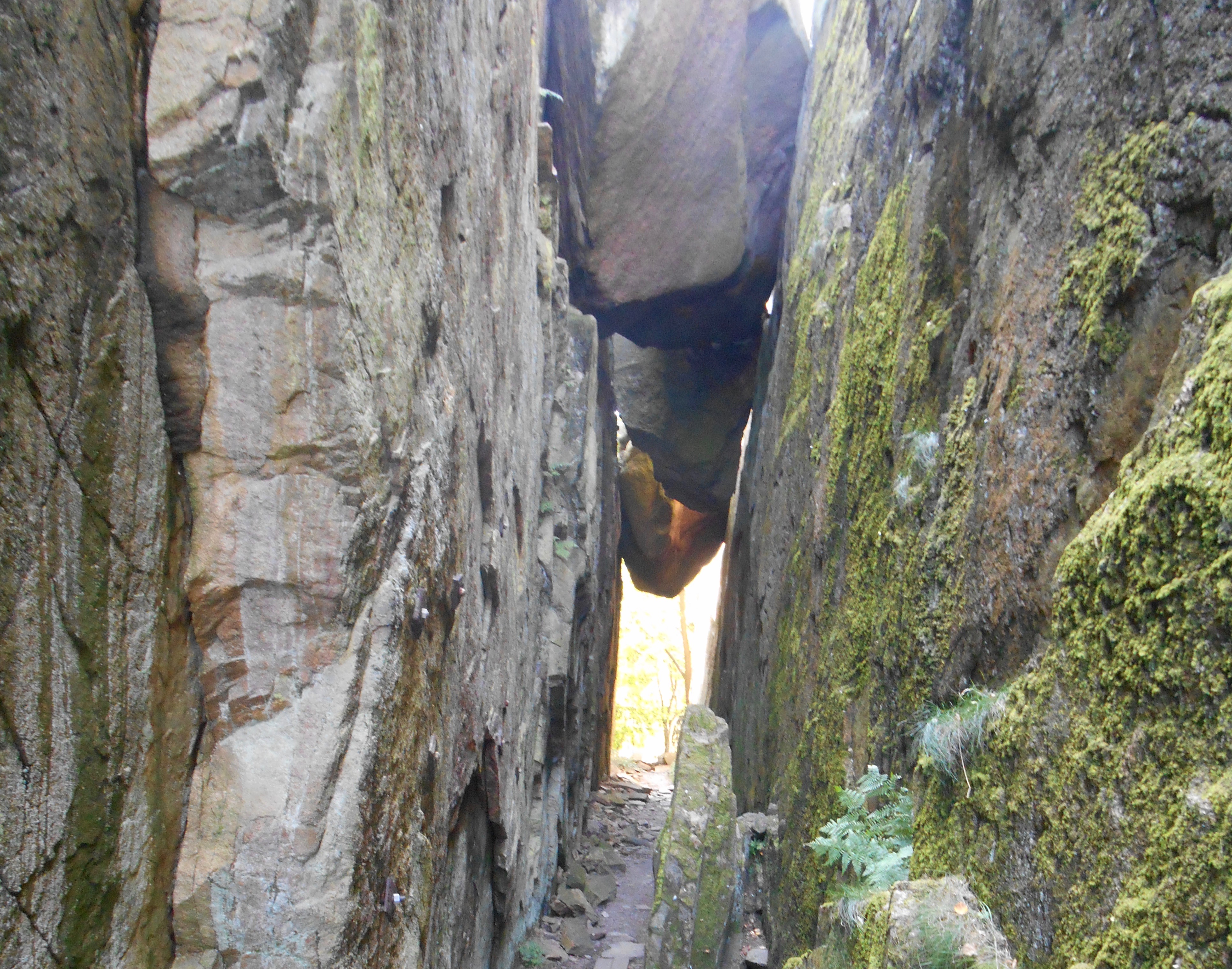
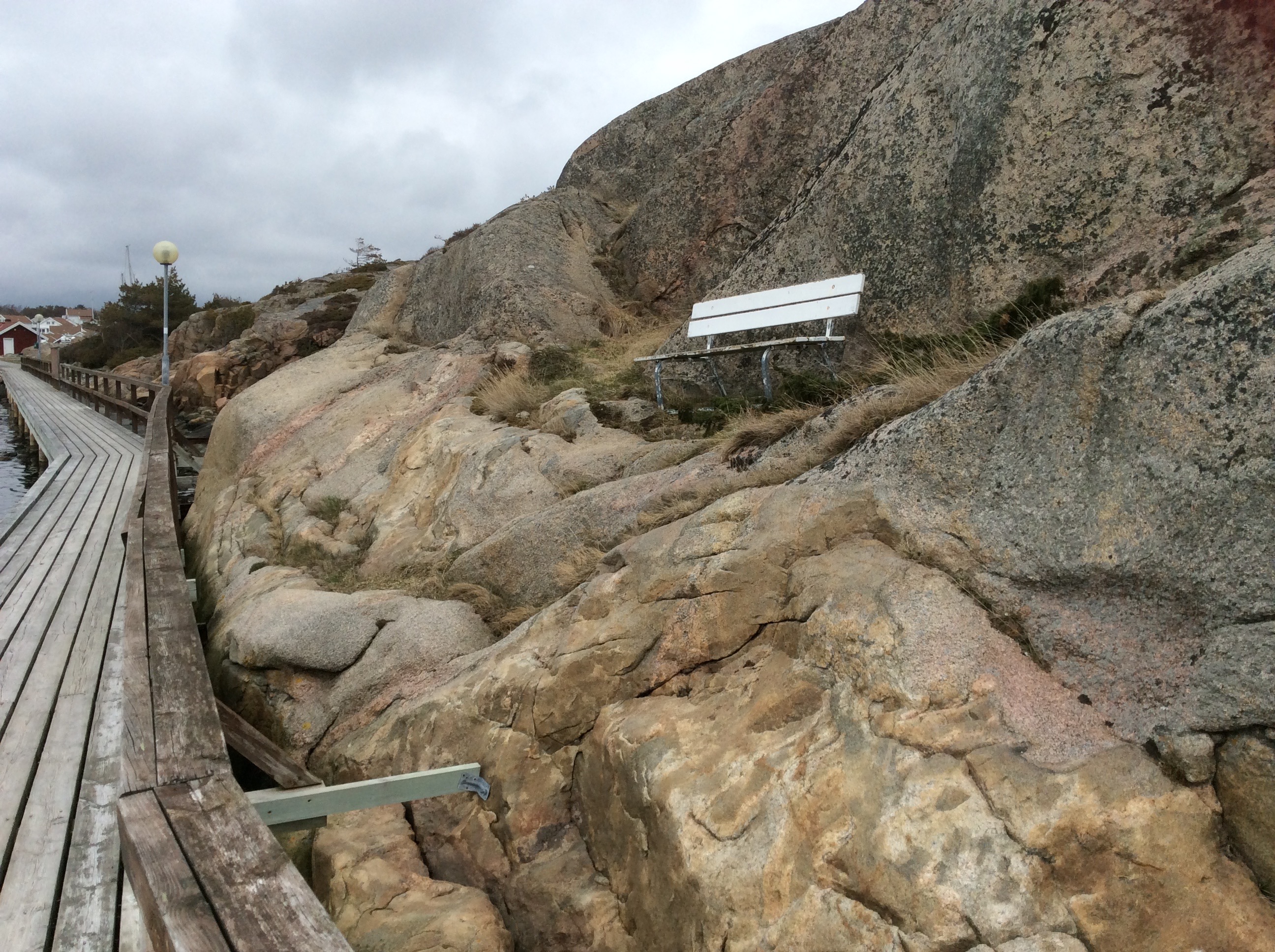
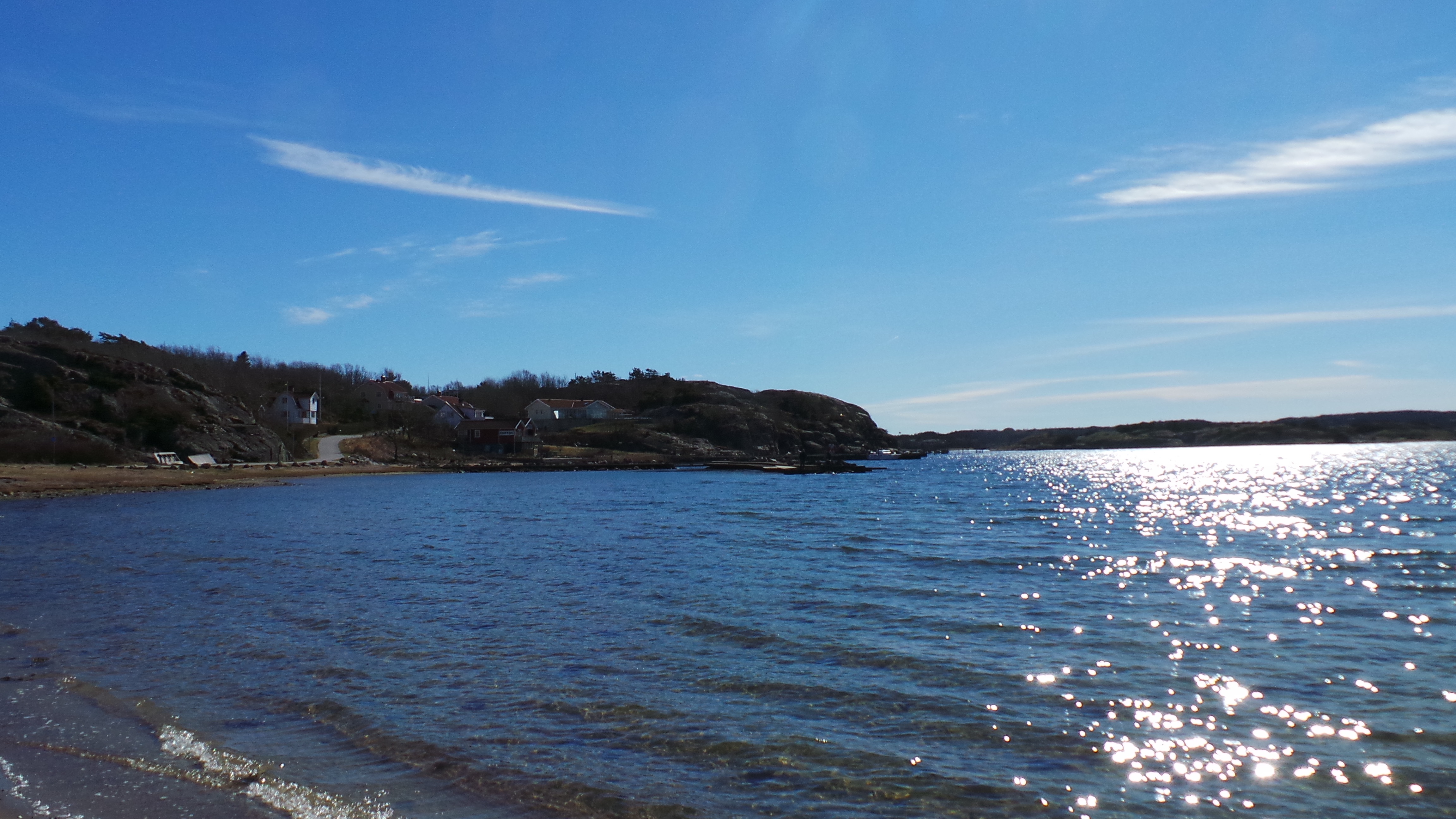
 So many lovely bloggers have asked about my trip to Sweden and for some photos and so I am only too happy to oblige. I will return to the book reviews in my next post. However, I will be posting more photos about my Sweden trip during the next couple of months.
 Annika Perry