
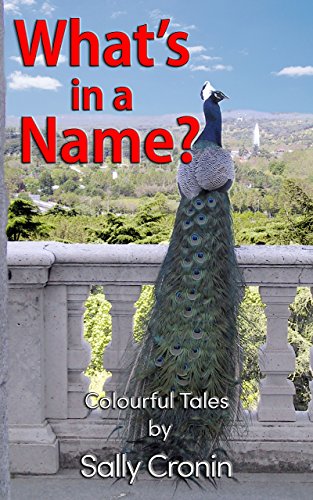
Shakespeare said it so well, didn’t he? Or did he?
“What’s in a name? That which we call a rose
By any other name would smell as sweet.”
Even as a sixteen-year-old studying ‘Romeo and Juliet’ I had quibbles with this assertion. Although I understood the particular references for this play, I felt, and still do, that our given names carry a certain ponderance. With our names we have a responsibility to our ancestors, to ourselves. Behind each there is a story.
With these thoughts swirling in my mind, I approached Sally Cronin’s book with deep interest. I couldn’t wait to read it. In these fictional short stories she explores the lives of twenty named individuals. This first volume which I’m reviewing here included names from ‘A’ to ‘J’. I was enthralled by the concept of the book, the names in alphabetical order, male and female.
It’s been a while since I read a book of short stories and often I find that my brain needs to change gear, to adapt to the different mode of storytelling.
With ‘What’s in a Name?’ I did not need to make any such adjustments. I slipped seamlessly into the book and once I started I couldn’t stop! Each separate story pulling me into the next.
Each is centred around one person. This is all the stories have in common. The themes vary from gentle reunions, relationships which have gone awry whether in friendships, marriage, siblings or between parent and child, from war to a violent abusive marriage. The versatility of subject matter is astonishing.
Equally wide-ranging are the various time eras, often spanning thirty or more years seamlessly within the stories. In one the gap is from the very beginning of humans to modern-day as early man Brynyar is reflected later in the story in modern-day ‘Brian’.
Throughout, Sally captures the reader’s attention from the very first sentence, immediately transporting the reader to the setting. I found myself immersed, the tiniest of detail settling me into the story. Furthermore, and I’m not sure how she does it, Sally sketches such an intimate picture of the characters I felt they were my friends, neighbours. I fell for them, some I adored, a couple rightly angered me and I cheered as one was arrested. The stories never felt rushed, the writing flowing with ease and complete on their own. More than a few times however I longed to read more about their lives, to stay with the characters longer and I could easily imagine a novel from some of them.
Throughout, Sally writes in the third person but at no stage does this create a sense of distance, rather the close portrayals of every day people come powerfully across. Effortlessly she explores people in all stages of life. A few stories feature children and ‘Grace’ had me tear-eyed as the five-year-old girl struggled with loneliness in the orphanage once her best friend was adopted. Could Father Christmas make all the difference?
All the endings are wonderfully surprising, with delightfully unexpected twists. Some were brilliantly audacious, where else would one find an assassin featuring alongside stories including a ballerina and a tortoise? Some stories left me chuckling, others were heartbreakingly sad about loss, and others about fateful revenge.
‘What’s in a Name?’ is a highly rewarding and engaging read which I finished over two afternoons. It’s a book I highly recommend and I’m sure you will come away answering the question in the title of the book with a resounding ‘Everything is in a Name!”
Although I was sad to finish this first volume, I’m looking forward to reading Volume 2 of ‘What’s in a Name?’ which is already on my Kindle!
Rating: 5 out of 5 stars
Available: Amazon US $ 3.79 (Kindle) Amazon UK £2.95 (Kindle)
Publisher: Moyhill Publishing
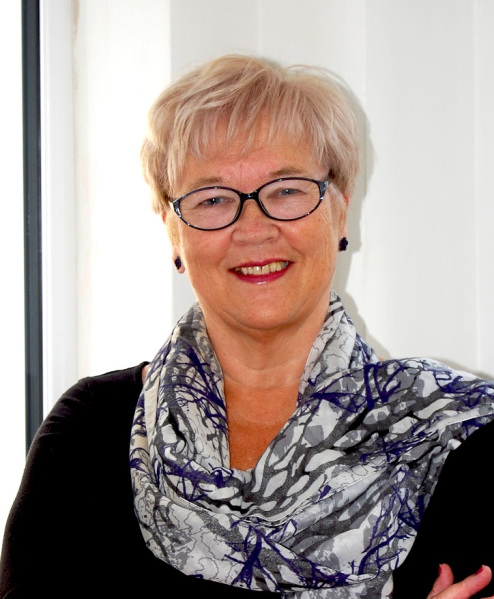
As well as a wonderful writer in her own right many of you will know about the superb work Sally carries out in promoting books for authors, helping in marketing via her blog, Smorgasbord Blog Magazine, and social media. She has become an indispensable and good friend of authors here on WordPress. What is probably less known is how she found herself here. Learn more on her about page here.
Contact details for Sally Cronin:
Twitter: https://twitter.com/sgc58
Facebook: https://www.facebook.com/sally.cronin
LinkedIn: http://uk.linkedin.com/in/sallycronin1
Pinterest: https://www.pinterest.ie/cronin1423/
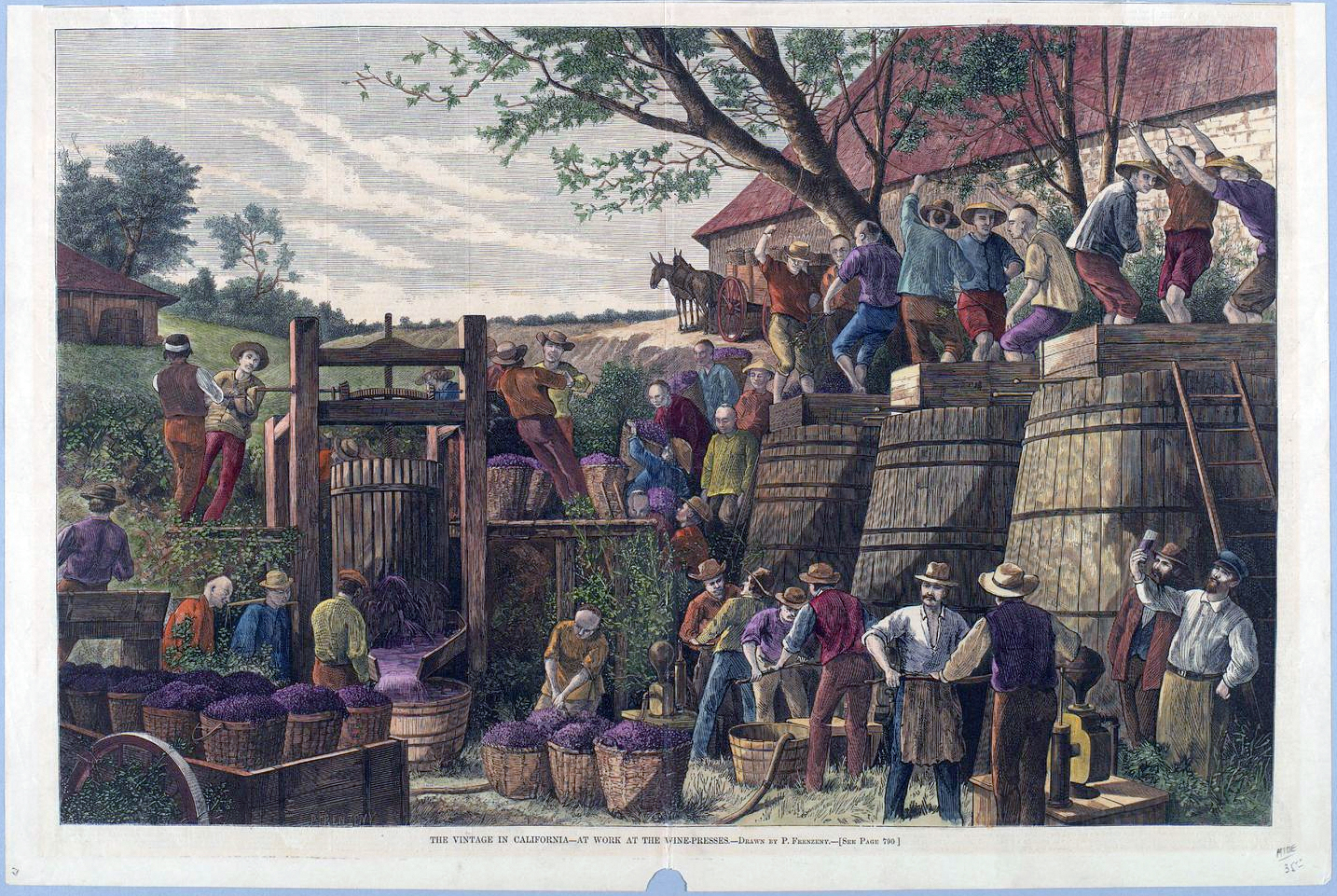


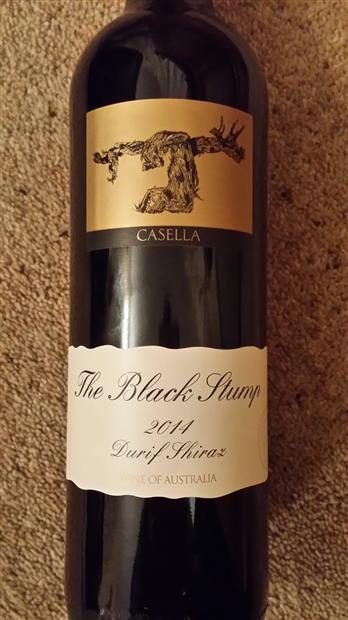 ‘Black Stump’ wine of Australia supposedly traces its name back to the 1830s and a landmark ruling following a boundary dispute in the state of New South Wales. In that case, the surveyor had ‘pointed to some old stumps, which he said had been marked…defendant would not admit that the cross line marked by me on the plan was not part of his boundary…he said it ran to a black stump beyond the line, which he said had been marked….’




 Annika Perry