The Behemoth

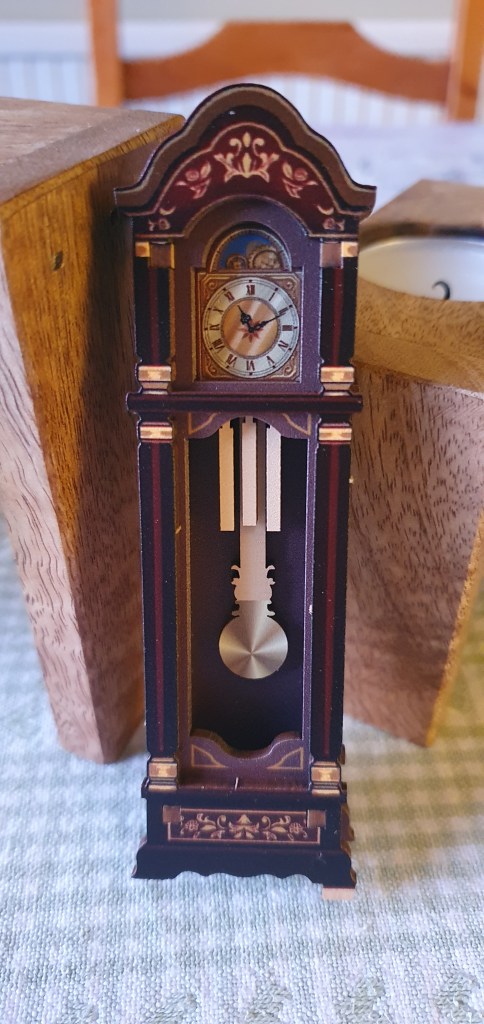
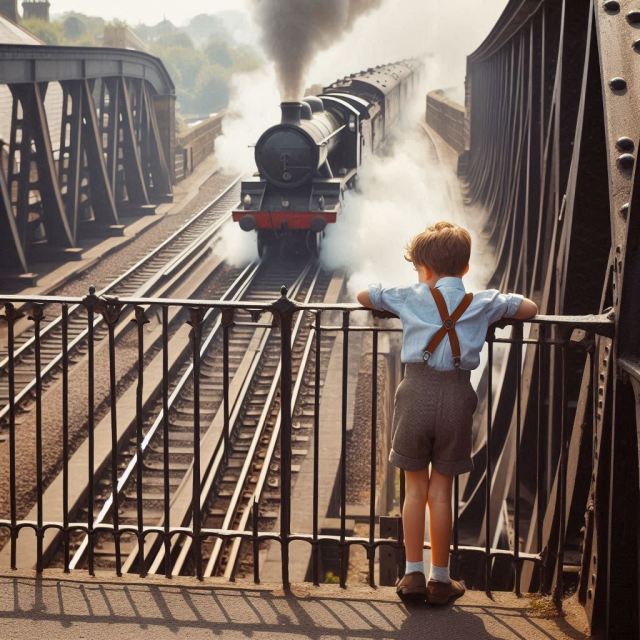
Huffing and puffing the monster roars towards him, the dragon festooned in belching smoke clouds. The sunny day is soon obscured with the sooty darkness.

On the railway bridge the five-year-old boy ducks up and down, jumping with sheer excitement and terror. He holds fast to the iron-wrought railings seeking safety from the exposed platform below.

As the behemoth nears him a terrible howl explodes through the landscape and he’s shaken to the ground of the bridge, as ringing seems to pierce his eardrums. 

Here it comes, he mutters. His vision soon clogs with dirt and soot, the sticky blackness settling on his hand-knitted tank-top, on his shorts; his legs and arms quickly covered with an impressive layer of dirt. Even the thought of his mother’s despair fails to halt the epiphany of the occasion.

With his eyes agog, his mouth forms a perfect O-shape then he takes a deep breath and holds it as the beast passes beneath him, beyond him.

Shouting in exultation he suddenly coughs, yet he never take his eyes away from the roaring monster. He swivels and absorbs the magic of this surreal world, far removed from his family and friends. Just the beast and him!

A loud screeching of brakes cuts through the drama, his comforting sense of isolation crashes down with reality as the train comes to a stop at the station ahead and people swarm out.

Alas, the extraordinary scene slowly dissipates yet he remains enveloped within the ethereal cocoon of his first zenith of train experiences.

©Annika Perry, July 2024

image: created on bing.com using AI technology

A TERRIBLE KINDNESS et al

Lurking at the edge of the Norwegian wood 

I cower from my evil mother.

Manipulative, domineering, demeaning.

The years of her house rules seemed interminable.

How true; at the seaside nobody hears you scream.

Believe me, I tried!

Like many I learnt to merely exist

Learnt that in the shadows we breathe.

My escape was a winding road

No dash to a happy place

Rather the sheltering of my soul.

‘Life is like a bowl of cherries, Maggie,’ 

my one and only friend told me.

‘That’s the problem, we have no cherries,’

I snapped back.

Poor Amy, she’d tried. She nearly succeeded.

Books became my saviour.

The lilac notebook in the lost bookshop, 

Filled with wise musings and inspiration was

a driving force for my escape.

Then came Leo.

I discovered him between maps and politics

A gentle invitation of coffee followed.

He saw me before I saw myself.

Never believe the lies we told, he said.

So many lies I told myself.

His friendship was a terrible kindness

One that crushed my world, the terrifying duality of my mother and I.

Did I tell you, she was evil?

The visit to the cafe was more than coffee, it was my freedom.

The vanishing of Margaret Small, the old me, was easy.

Learning to walk in someone else’s shoes as Maggie Stolz,  finding my true self, was gruelling.

It was from here where the story starts, where my life truly began.

In the ensuing days, months and years, I abandoned the family tree.

I step out of the darkness of the trees and at last realise there is a light that never goes out – the light within me.

In the five years since meeting Leo I am at last celebrating this beautiful life!

© Annika Perry, January 2024

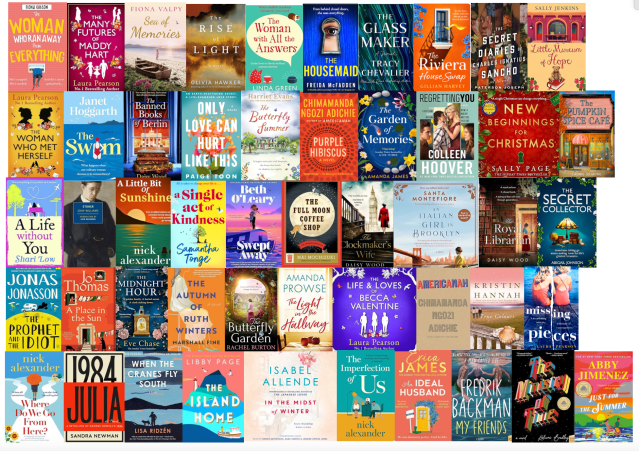
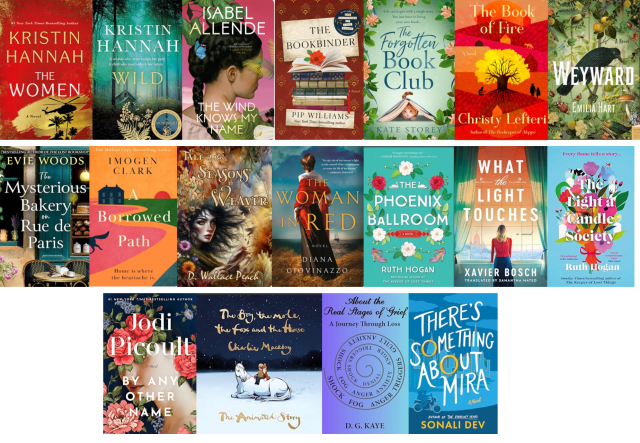
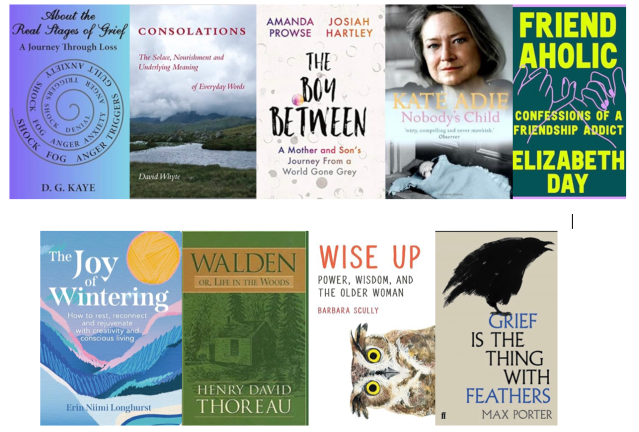
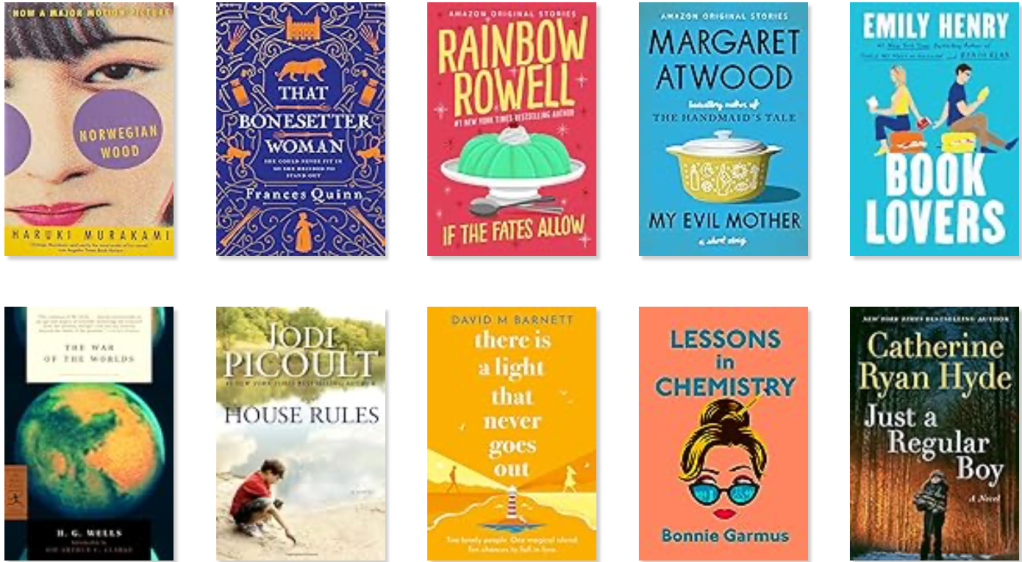
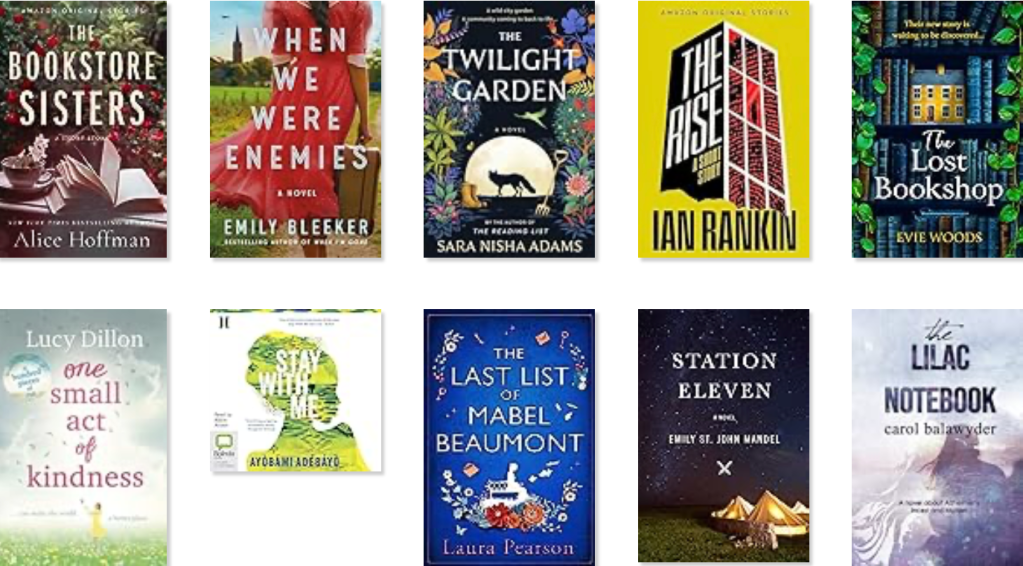
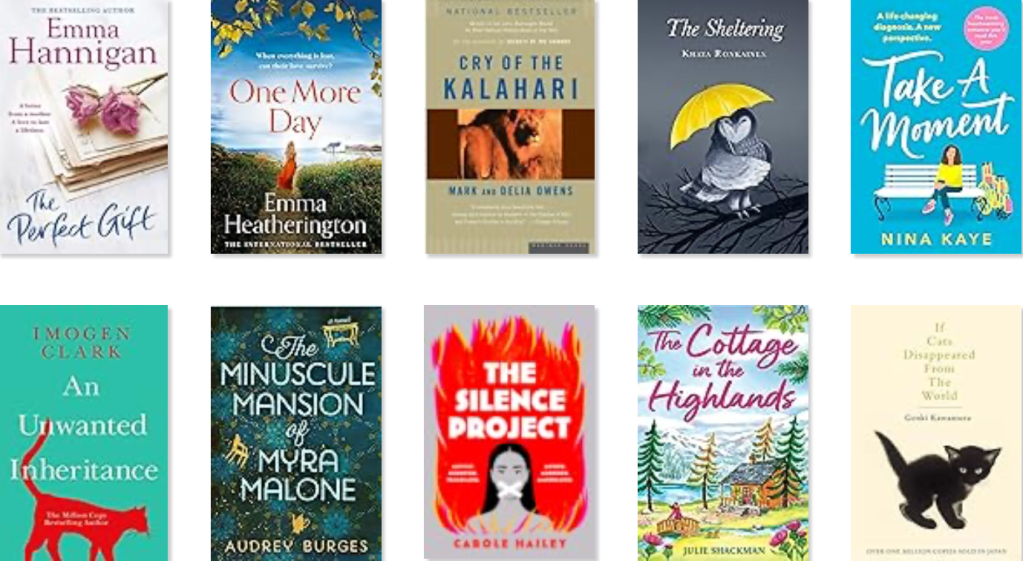
The above story celebrates some of the 80 books I read in 2023 and it’s fun to create a short narrative featuring a few of the titles. The book titles included are in the list below.

  • Norwegian Wood by Haruki Murakami
  • My Evil Mother by Margaret Atwood
  • House Rules by Jodi Picoult
  • At The Seaside Nobody Hears You Scream by Janet Gogerty
  • The Shadows We Breathe by Sarah Brentyn
  • A Winding Road by Miriam Hurdle
  • Happy Place by Emily Henry
  • The Sheltering by Khaya Ronkainen
  • Life is Like a Bowl of Cherries by Sally Cronin
  • The Lilac Notebook by Carol Notebook
  • The Lost Bookshop by Evie Woods
  • The Lies We Told by Diana Chamberlain
  • A Terrible Kindness by Jo Browning Wroe
  • More than Coffee by Lauren Scott
  • The Vanishing of Margaret Small by Neil Alexander 
  • In Someone Else’s Shoes by Jojo Moyes
  • Where The Story Starts by Imogen Clark
  • The Family Tree by Sairish Hussain
  • In The Five Years by Rebecca Serle
  • There is Light the Never Goes out by David M Barnett
  • This Beautiful Life by Katie Marsh

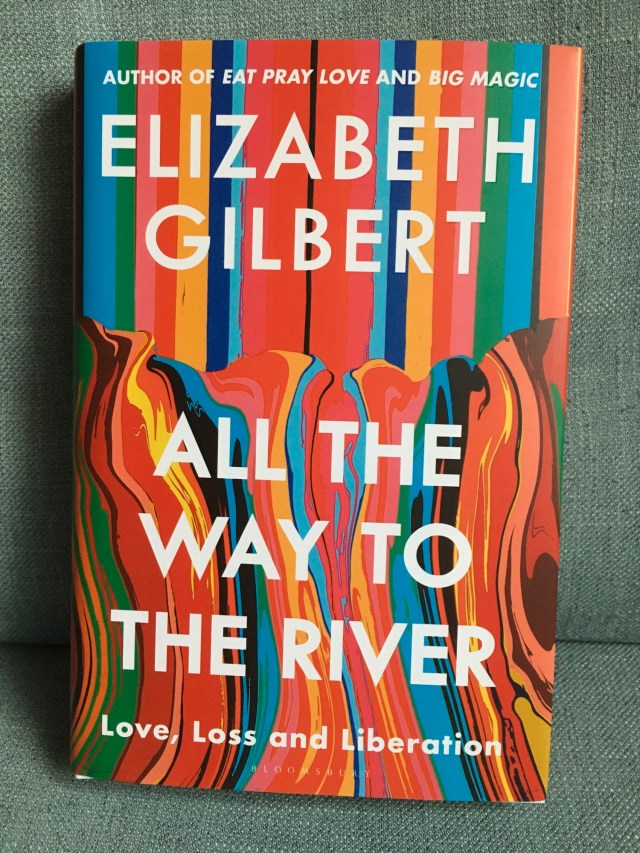
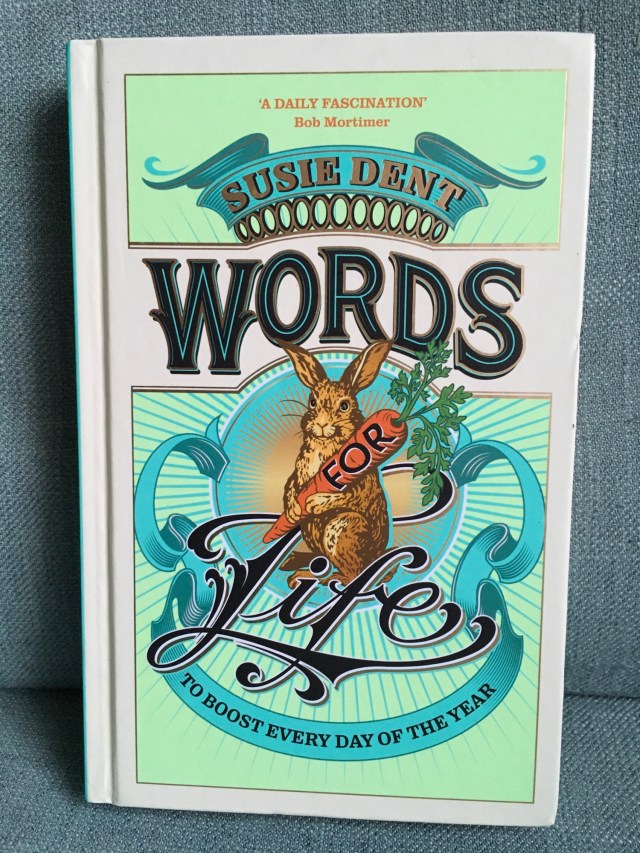
Below are images of all the books I’ve had the joy of reading last year! I just made it over the finishing line of the Goodreads Reading Challenge in 2023 and this year I am reducing my sights to 52 books! 

Wishing you all a New Year blessed with good health, happiness and light – may 2024 be filled with creativity!

THE BOOK OF BEGINNINGS: A BOOK REVIEW

Sometimes one just needs an embrace and Sally Page’s The Book of Beginnings is a huge enveloping hug of a novel!

The heart and soul of the book is about friendship and just as the characters in the book became firm friends, I felt just the same reading the chapters, joining them on their trails, their joys, and their journey to finding their true selves. By the end, it was hard to say goodbye to them all.

Within this beautifully crafted novel the author, through the close third person point of view, captures Jo Sorsby as she arrives in London and her uncle’s beloved albeit rather dated stationery shop. Sadly her Uncle Wilbur was recently diagnosed with dementia and Jo’s mother kindly asked if she would mind looking after the shop for a while. The answer was an unequivocal yes. (‘Sometimes a heartbeat is all the time it takes to reach a decision’.) Not only is Jo a stationery nerd with many happy memories of joining her uncle in his beloved place as a child, but she is also suffering following a recent break-up.

Quickly the reader is drawn into the profound loneliness and heartache of Jo’s life which is in the middle of a devastating flux following the break up of her long-term relationship with the infamous James. A man she realised everyone else detested. At last with the care and love from unexpected and unlikely new friends and childhood and work friends, Jo begins to understand James’s manipulation and control over her.

Her salvation is the shop and its quirky set of characters – two especially become her rock.

One is the wonderful and wise Vanishing Vicar, Reverend Ruth. What caused her to suddenly depart her parish home mid-meal? Ruth’s wit, inherent wisdom and kindness help Jo and others around her, yet at times such deep anxiety and sadness overwhelm her. How can Jo come to Ruth’s aid? A septuagenarian called Malcolm is another regular visitor and he seeks shelter in the shop following an accident. The tight-knit trio is formed and it is a joy to follow their quirky and close friendship as their journeys unfold and this includes their excursions to Highgate Cemetery to help Malcolm write his first ghost book; here they flit into the lives of some of the deceased, imagining their conversations.

Furthermore, as Jo begins to revel in the joy of discovering herself along the way she longs to unravel the stories and secrets around her including that of her best friend Lucy since primary school. Why has Lucy suddenly become withdrawn? She feels the distance and loss keenly, aware this is harder to bear than losing James. (‘Could an out-of-step friendship make you feel ill? Now, she thinks it can’)

As the unusual group becomes ever closer, Jo’s new neighbours also become pivotal in her life. Two neighbouring shops are the opticians and a tattoo parlour. Lando and his family become good friends. Meanwhile, Jo slowly begins to realise that Eric The Viking as she mentally labelled the optician, and embarrassingly blathered this out loud to him, could become important to her as they share much more than just a deep interest in fountain pens and poetry! Alas, following various misunderstandings her awakening of her feelings towards him seems to be too late.

Throughout the book, the customers of the shop are a delightful mix of people, their love of all things stationery creating fleeting friendships as she effectively creates a self-help environment.

Sally Page’s writing is superb, skilfully weaving the characters and their stories into this beautiful novel. At times it is almost lyrical, one saying Uncle Wilbur’s sayings runs like a chorus through the book, and Jo quickly realises that her uncle was referring to much more than fountain pens and paper when he said: ‘A place for everything and everything in its place.’ May we all remember this in our own lives!

I love how this wonderful whimsical cross-generational tale of friendship breaks down the barriers of loneliness and isolation faced by people at crisis points; friendships which continue into their everyday lives. After all, ‘the joy of having a best friend was one of humanity’s best-kept secrets.’

I love how quickly I became caught up in Jo’s and her friends’ lives.

I love the warm and engaging writing and story-telling.

I love stationery shops and by the end of the book eager to head out to buy a fountain pen, maybe one like the new ones bought into stock by Jo. Just like her many customers, I too have my own favourite fountain pen story!

Finally, as a huge fan of the author’s debut novel The Keeper of Stories, I am overjoyed to feel that her second novel is even better … I just hope I don’t have to wait too long for her next creative endeavour!

Many thanks to the publisher HarperCollins UK for granting my request to read a pre-release copy of this book via NetGalley in exchange for an honest and impartial review.

RATING: ⭐️⭐️⭐️⭐️⭐️

PUBLISHER: HarperCollins UK

PUBLICATION DATE: 28th September 2023

GENRE: General Fiction (Adult), Romance, Women’s Fiction

AVAILABLE: AMAZON UK: KINDLE PAPERBACK Amazon US – hopefully it will soon be released in US soon.

ABOUT SALLY PAGE

After studying history at university, Sally moved to London to work in advertising. However, in her spare time she studied floristry at night school and eventually opened her own flower shop. She soon came to appreciate that flower shops offer a unique window into people’s stories and eventually she began to photograph and write about this floral life in a series of non-fiction books. Later, she continued her interest in writing when she founded her fountain pen company, Plooms.co.uk.

In her debut novel, The Keeper of Stories, Sally combines her love of history and writing with her abiding interest in the stories people have to tell. Sally now lives in Dorset. Her eldest daughter, Alex, is studying to be a doctor and her youngest daughter is the author, Libby Page.

ARRIVAL

GAIL

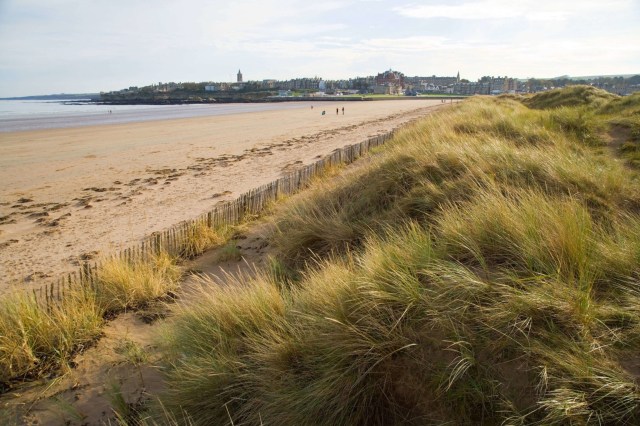
She didn’t seem real, the first time I saw Fiona. The taxi pulled up at the double doors of the hall of residence and bulging black bin bags, followed by the thin plastic of Low’s supermarket bags tossed energetically out. At last, onto these tumbled a person. She landed like a fragile bird on top of the forgiving heap of belongings, her tartan cape gathered around. She untangled herself amidst squeals and laughter, her wispy blonde hair caught in the breeze across her eyes. The girl swished it aside, an action I came to associate with Fiona and her constant battle between the sea wind in St. Andrew’s and her long hair.

The taxi driver reluctantly stepped out of his car, muttering, obscenities no doubt. It was the same guy who had brought me here yesterday — one of 3,500 students descending on the town; the sleepy silence broken by the exuberant excited youths.

Years later I’d be on the other side, older, dreading the return to classes; an American gal settled in the deep dark depths of the north-east of Scotland — all for love, or so I convinced myself for many years.

Back then the sun gleamed through the windows, the corridors bustling with chatter, nervous giggles, hormones and alcohol; all to the backdrop of Fleetwood Mac, Michael Jackson and Runrig.

From below the angry voice of the taxi driver drifted up to me.

‘That’s six pounds? Do you hear me? Are you quite all there?’

The girl stood stock still, her gaze firmly upon the edifice of McIntosh Hall, or Chatham as I quickly learned the slang name for my new abode. Across four floors the impressive stone-built building curved in a long crescent around the garden to the front. This was the view from my shared room; from others, I learned their rooms overlooked the infamous West Sands. I coveted these rooms until seeing them soon after for myself. The beach view was but a corner snippet only visible by leaning out of the sash window at a sharp angle. A sash window that one day crashed down on its own accord just as I’d safely pulled in my head.

On this my only second day in St. Andrews, unaware of the dangers of the windows, I leant out and called down to the dazed girl.

‘I’ll be right down to help you. Don’t move!’

The latter words were superfluous I realised; Fiona remained motionless, oblivious to the wrath beside her, unaware of the stares and glares circling her.

Dashing down the wide wooden staircase I deftly dodged new arrivals hauling up suitcases, and grappling with backpacks. I soon arrived on the pavement outside.

‘Here’s your fare … thank you!’ I said to the driver handing him six crisp £1 Scottish notes, all the time eyeing intently the girl in front of me.

‘I’m here,’ she whispered. ‘Truly arrived!’ Her tranquil awe was infectious and in tones much quieter than my usual robust way of talking I replied cautiously to her.

‘You have indeed arrived! Welcome! What’s your name?’

‘Fiona.’

‘Fiona the Fey,’ I uttered unintentionally.

With a gasp, I tried to reach out, and grasp back my thoughtless remark. To no avail. Yet fey suited Fiona perfectly.

Not tall myself, she barely reached my shoulders, her face and hands beyond pale, a translucent white. Upon her wrist dangled an old silver watch, her limbs skeletal and resembling the build of a young child. Her face looked gaunt, the cheeks sucked into themselves but it was the eyes that held my stare. Vivid hazel-green orbs shimmered, as striking as a baby’s large eyes on their smaller head. Eyes that rarely seemed to blink, eyes that would unsettle many around her.

With a start Fiona roused herself and flung her body towards me, enveloping me in a hug.

‘Thank you! Thank you for this wondrous welcome! We will be the best of friends,’ she declared with force.

©Annika Perry, June 2022

I hope you enjoyed the above which I hope to develop into a longer piece of fiction told with an alternating dual narrative perspective of Gail and Fiona. Happy Writing!

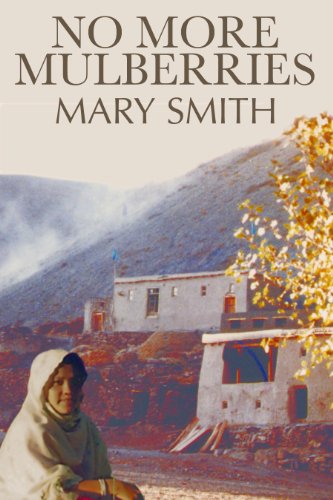
NO MORE MULBERRIES: A BOOK REVIEW

The name alone of the country Afghanistan conjures up images of war, strife, death, despair and deprivation. Intellectually we know there is a life beyond the headlines, an everyday existence which is rarely written about. A few books in recent years have emerged to fill the gap of our lack of knowledge and one of the best of these is Mary Smith’s excellent ‘No More Mulberries’.

Although a fiction novel, it is evident that the author draws on her personal experience as a health worker for ten years in Afghanistan and Pakistan.

‘No More Mulberries’ follows the life of Scottish-born midwife Miriam, who has wholeheartedly embraced Afghanistan and relishes her work with the local people in the rural community of her second husband. Here she makes friends, finds fulfilment with her work however cracks quickly appear in her life.

Her husband Iqbal is struggling to cope with the return to his home village and to balance the rigid expectations of his family, friends and colleagues with his previously more independent life in Pakistan, where he could equally celebrate and be proud of Miriam’s success. As Iqbal escapes into a world of work and silence, Miriam, against her husband’s wishes, joins another health clinic as a translator for Afghan paramedics and foreign doctors. Here the past and present collide as a friend of her first husband, her first and true love, rides into the clinic to bring her for a visit to the village she first lived in when newly married and in Afghanistan years earlier.

The book follows the intense journey of Miriam and partly Iqbal’s journey in the present-day as well as brilliantly bringing their past vivdly alive for us in flashbacks. Through these the characters deep introspection develops into an inner soul-searching journey. For both past traumas has marred their present lives and that of their children. Is it too late for them, they both wonder as their relationship seems to flounder? How can they live in a village that threatens to engulf them by history and tradition?

The book is set in the stunning natural landscape of the countryside as well as to the increasingly unstable political backdrop where tribal tensions are growing in severity. The, at times, precarious situation surrounding Miriam and her family ensures this is a tense, compulsive read which never flags. I was riveted by both the epic sweeping story as well as the wonderful descriptive writing and the beautifully drawn and varied characters in ‘No More Mulberries’.

Mary Smith is an assured writer who unravels the multifaceted lives of her characters with creative skill, whilst retaining a tight control of the overall novel. I was hooked from the very beginning and felt a sense of loss upon finishing the book … one of those times I just didn’t want to say farewell to my new friends! This is one of my favourite books this year and I look forward to reading more by this author.

Rating:  5 out of 5 stars

Available:  Amazon UK    And Amazon US 


EXCITING TIMES…COVER & BLURB REVEALED

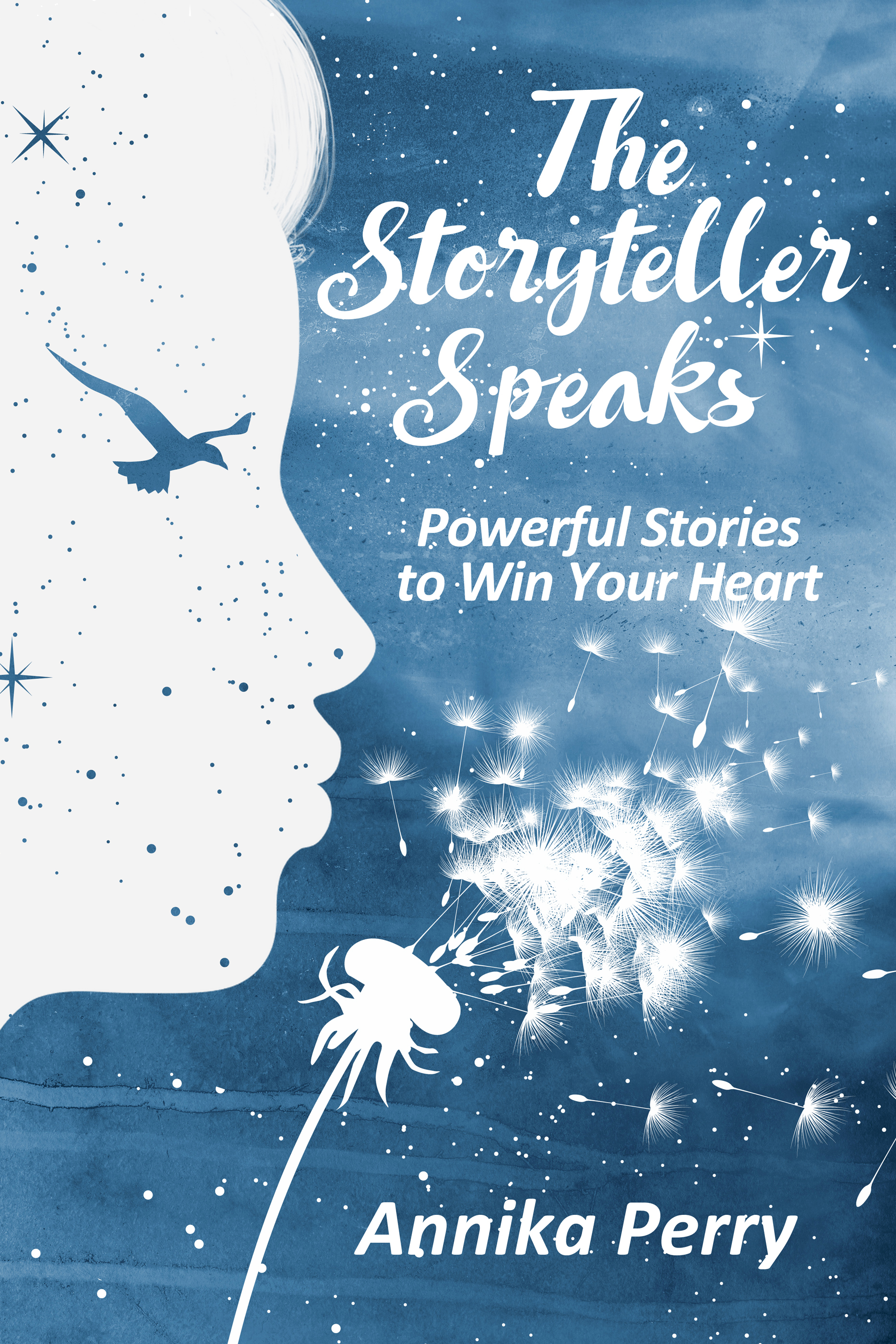
Did you hear that whoop of joy? That screech of overwhelming excitement and happiness? It is with utmost delight and sense of pride that I can unveil the cover of my collection of short stories entitled, The Storyteller Speaks.

The ebook will be out in a few days.

TSS_Kindl_72dpi

No book cover reveal would be complete without the accompanying blurb.

About the Book

It only takes one event to change a life. What is that action, decision, occurrence? Whose life is affected? Changed forever?

In this eclectic mix of 21 short stories, flash fiction and poetry the pendulum swings between first love and murder, from soul-destroying grief to reconciliation. The tales veer from the sweet satisfaction of revenge to new beginnings, from heart-breaking miscarriages of justice to heart-warming Christmas misadventure.

One common thread binds them all; the belief that there is no such thing as an ordinary life; they’re all extraordinary.

Open your hearts and minds as The Storyteller Speaks.

In moments of thrilling ecstatic elation I just need a quick bop and this is is one of my all-time favourite songs to which I let my hair down and dance – I hope you can join me.

https://www.youtube.com/watch?v=9G4jnaznUoQ&app=desktop

A week ago I posted my publishing woes when I was let down. Just as I had accepted the inevitable long delay before starting anew my journey to publication an email from Sally Cronin at Smorgadbord – Variety is the spice of life popped up my inbox.

I read it over and over. Could it be true…I both laughed and cried with joy; my hope re-kindled.

Sally wrote to say how sorry she was for me and that as she and her husband are publishers they would only be too happy to take on my book and prepare it for publication. David runs the publishing company and I was soon in touch with him at Moyhill Publishing.

Both Sally and David were adamant that we could get the book out by Christmas and ever since emails have been winging their way back and forth between David and myself.

David Cronin is a true professional, a joy to work with. His speed in returning amended proofs and answering questions is unbelievable. No query was too much, every step of the way was explained…all in the midst of proofreading and for him formatting the manuscript.

Meanwhile, there was one major hurdle – the cover, or rather lack of one! I  remembered Debby’s  beautiful cover of her latest book. I looked at her book cover designer’s website and found a fabulous cover for my book. I  immediately emailed Yvonne Less at Art4Artists. Within minutes and despite the early morning in Australia I had a reply! After this initial email it only took a few days until I had the finished cover.

I cannot thank David and Sally enough for coming to my rescue; they are both such warm, wonderful people. They work with great professionalism and expertise and the past week has been very uplifting for me.

I am overjoyed and honoured to be published by Moyhill Publishing.

The paperback book is ready however we are just waiting for print proofs and space at the printers. It will be published in January 2018.

Battle of Views

Black Tulip

In the past week the Battle of Viewpoints has been fought within the pages of my novel.

Automatically I started writing in the the third person, feeling comfortable and at ease.

Then one of the main characters clamoured to be heard and as an experiment I switched to her first person voice.

The result was not the triumphant powerful success which I had imagined.

Although I enjoyed being in my character’s head and travelling with her thoughts and observations on paper (or screen), my writing suddenly became simplified. This could be as the character at this stage is a young girl aged 10 and my language in her voice couldn’t help but reflect her youth.

Furthermore the passages of description which I feel are critical to the story became lost as the need to describe the settings became superfluous since they are familiar to the character. Any such description became false and forced.

Often writers use first person as this allows the reader to quickly engage and identify with the character, thereby drawing them into the story. I have often written from this viewpoint in my short stories and found it ideal. There is one danger though and that is the reader is limited to that one character’s perception of the story, through their eyes only. It is virtually impossible to introduce any events away from the character. One way to add further dimensions in the first person perspective is to use two or more characters.

Having just read ‘The Invention of Wings’ by Sue Monk Kidd I did consider this approach. In her wonderful book there are two narrators: the slave girl, Handful and the slave owner’s daughter, Sarah Grimké, who alternatively swap the story telling and thereby relate two very diverse and diametrically opposing worlds and experiences.

As I could not imagine two characters alone carrying the my story I knew more would be needed and was concerned this could be become cumbersome.

At one stage whilst discussing my dilemma with a friend she questioned if I could use both first and third person? I hesitated and gave the notion a thought. I cannot remember reading any books written thus, but perhaps they do exist. The mental and emotional logistics of such a narration though seemed fraught with difficulties and pitfalls, so I decided to avoid that route and instead reverted to the third person.

On the whole it was a relief to return to the third person viewpoint. The floaty descriptions returned but now enhanced with a third person perspective. The distant narrator is replaced with a more personal viewpoints of the characters.

Although the chapters are not headed by the which character is leading the story, there do exist ‘signposts’ very early on showing which character’s viewpoint will dominate the chapter.  I now retain the freedom to write about events well outside the characters if required whilst ensuring characters are personable and well-rounded. To avoid confusion I am sticking to four character viewpoints in the third person, this gives me the breadth to explore their emotional and inner feelings and thoughts of each one. The plot will still be pacey whilst other characters and subplots can be easily introduced.

In her book, ‘Sunrise’, Victoria Hislop writes beautifully and in the third person, so effectively at times I didn’t realise it wasn’t in the first person. The pain, anguish, deceit and love of the characters  are depicted with startling vitality.

The battle is over, calm reigns and now I just have to rewrite a couple of chapters. No problem.

I told myself reading was a kind of freedom, the only one I could give.

Sarah Grimké in ‘The Invention of Wings’ by Sue Monk Kidd

Current word count of first draft of my novel:  14,940 words