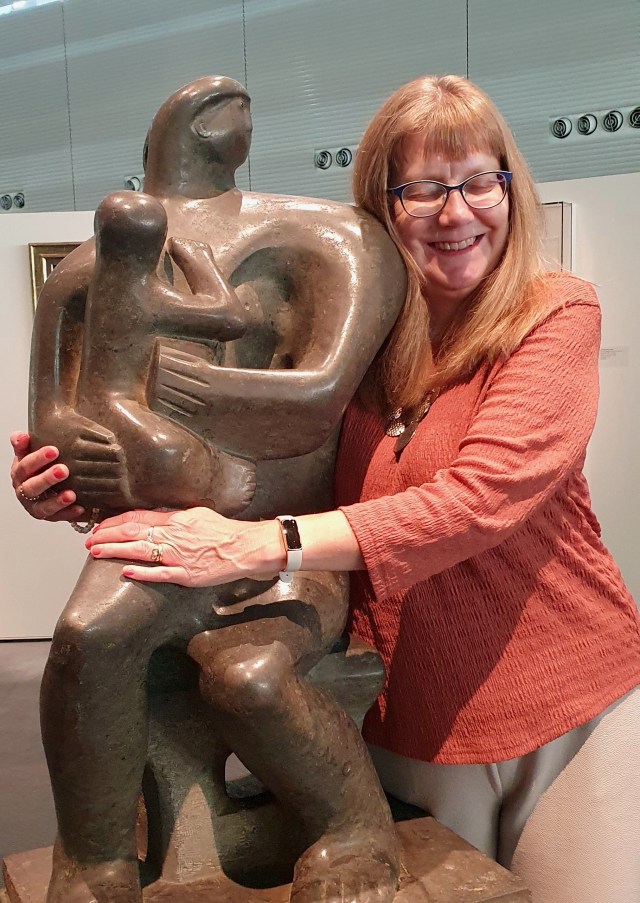
Yesterday I hugged a mother and child The arms unyielding The bodies cold and unrelenting Yet such warmth in expression A soulful tenderness in their closeness
A unique embrace, where the usual Do not touch Replaced with Please hug me
Art is for all Art is not remote To be viewed at a distance Art is life Art is all our lives.
@Annika Perry, October 2024
My poem above was inspired by The Mother and Child sculpture by Henry Moore (1932) which is one of many wonderful, striking and thought-provoking pieces of art at the innovative and eclectic art museum of the Sainsbury Centre in Norwich, East Anglia. Originally a private collection by the Lord and Lady Sainsbury it was later donated to the University of East Anglia in the specially built museum. The collection is part of a desire to allow visitors to emotionally connect with the pieces (I did!) and enhance the belief in the ‘living life-force of art’.
Personal Note
Many thanks to everyone for your lovely comments on my last post and I was looking forward to returning here in September, Alas this became impossible. Tragically there was family bereavement as well as a devastating cancer diagnosis of a close family member. Along with the practical busyness of such news, emotionally I had to hunker down and slowly find my equilibrium. For now, my posts may be rather more erratic, my comments not as timely a I would wish. My heartfelt thoughts are with so many of you going through difficult times.
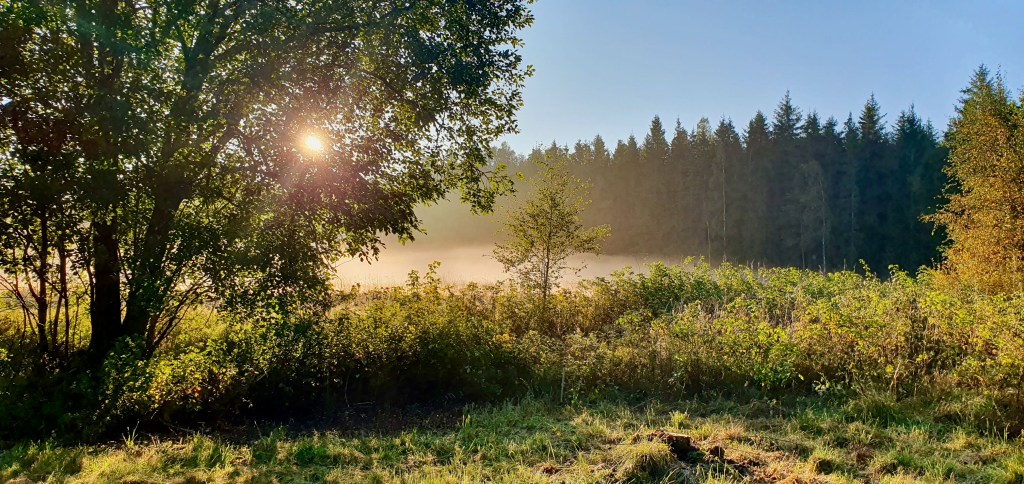
View of sunrise mist in a Swedish forest, August 2024
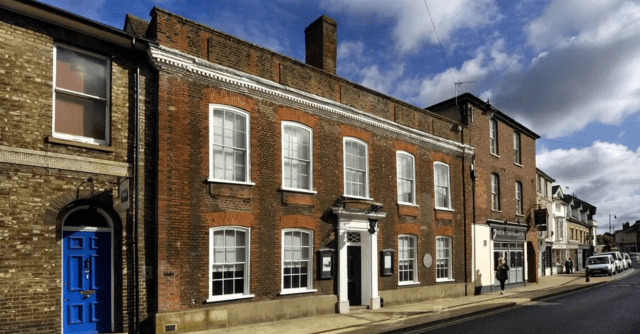
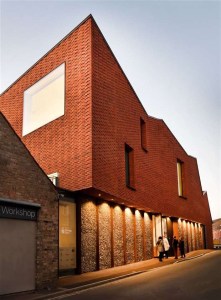
Down a narrow side street in a small market town in Suffolk is the entrance to the home of one of Britain’s most renowned artists – Thomas Gainsborough. Born in the town of Sudbury in 1727 the home of his birth and childhood is now a popular and iconic house / museum.
In the past few years, the ramshackle previous home has undergone a major refurbishment and it was with excitement and slight trepidation that I headed down the street, past the house from the 1400s to the new main entrance – a bold modern three-storey building.
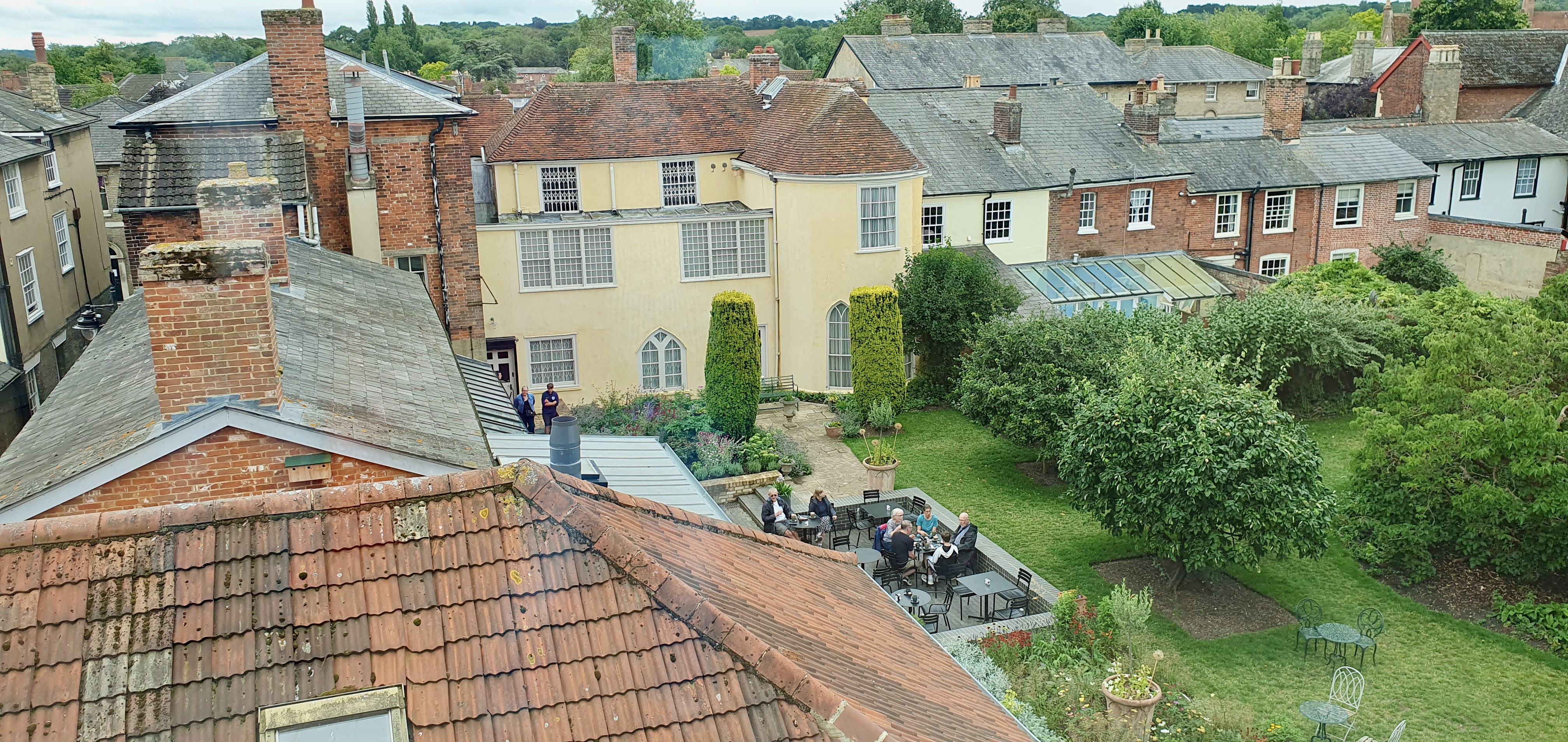
We were warmly greeted by staff and the new museum was explained in detail. First, we were advised to head to the top floor for panoramic views overlooking the town. What excellent advice and although I know the area well I could not help but be awed by the views of below and especially of the building and garden of our destination – Gainsborough’s House.
Standing there, in the newest of buildings, looking out to one built six hundred years ago, one would expect incongruity, a clash of centuries, but the addition and changes blend thoughtfully and cohesively together.
Once downstairs, having seen a couple of extra exhibitions on the other floors, we pushed open the heavy dark door leading to the start of the visit proper.
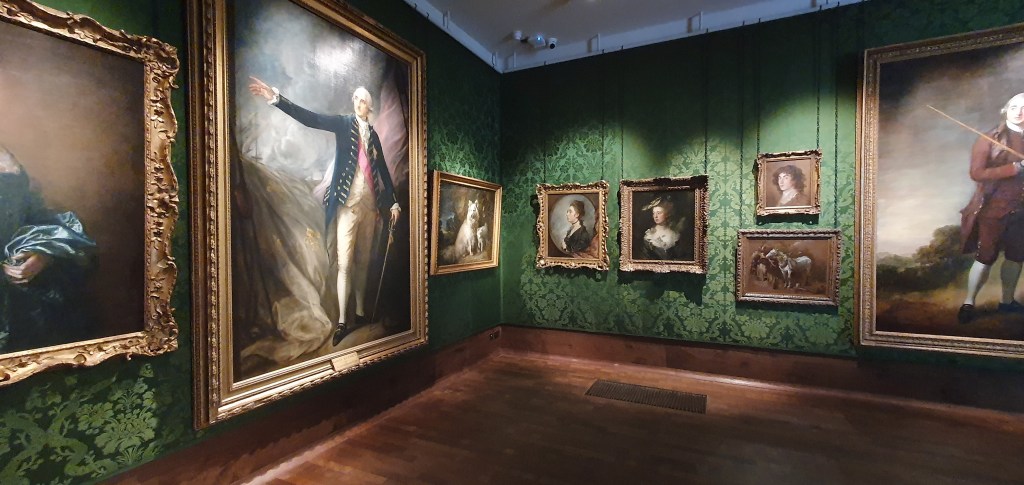
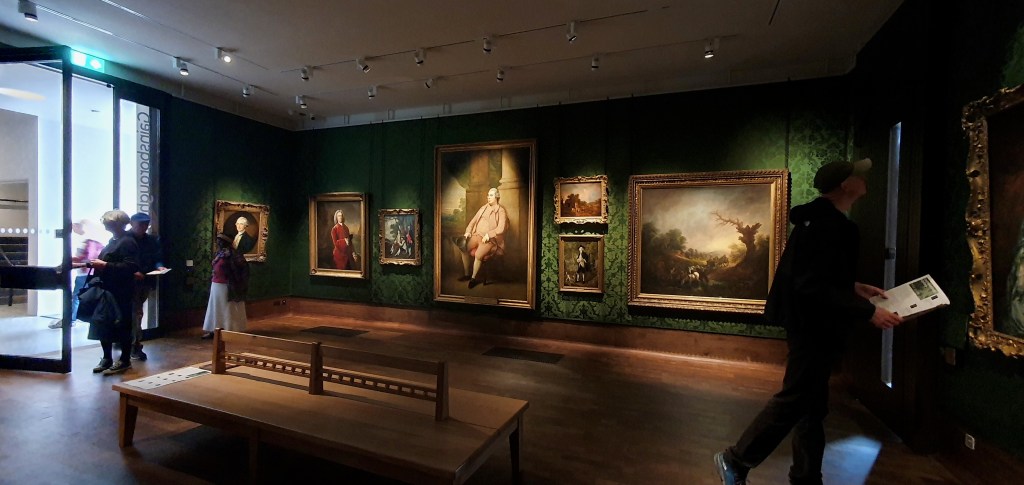
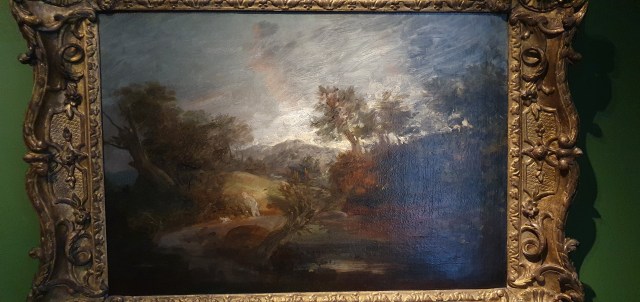
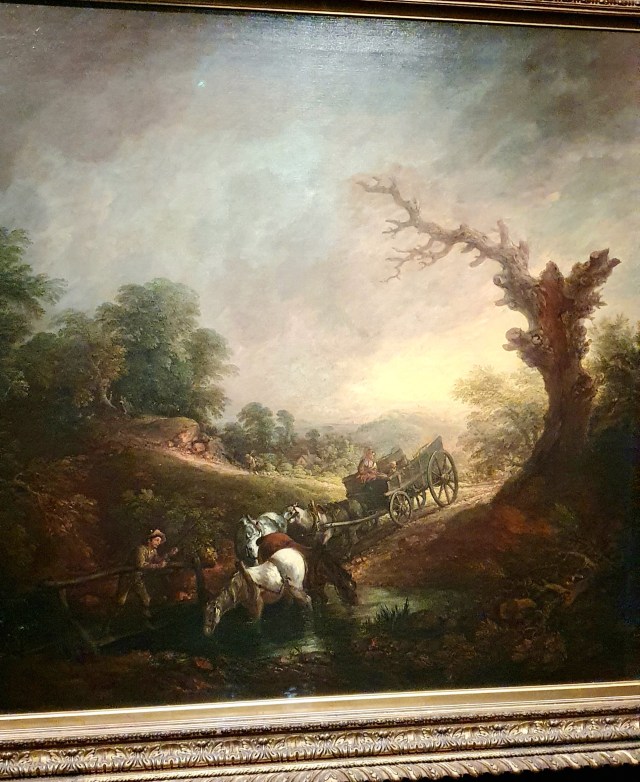
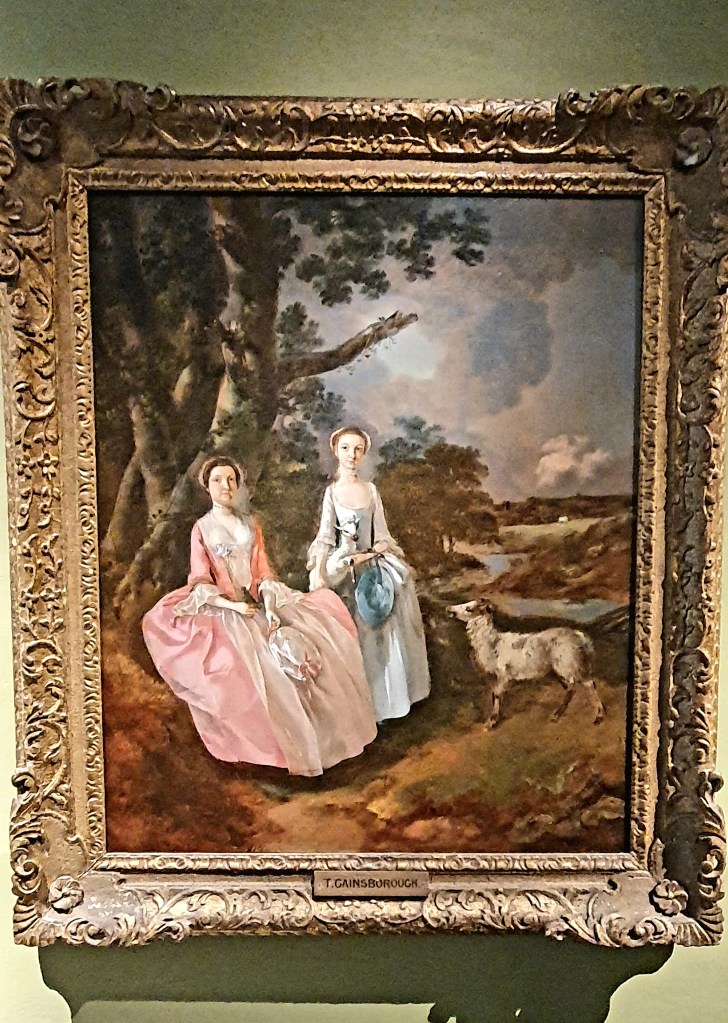
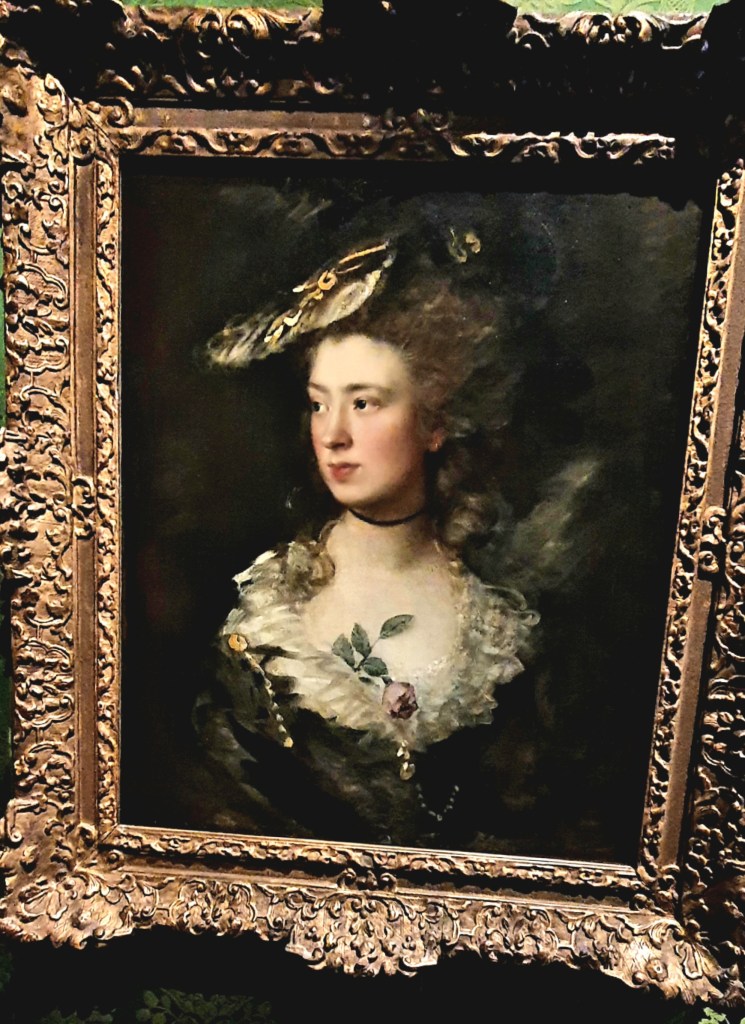
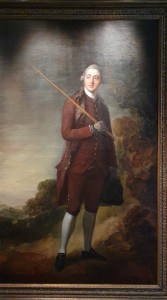
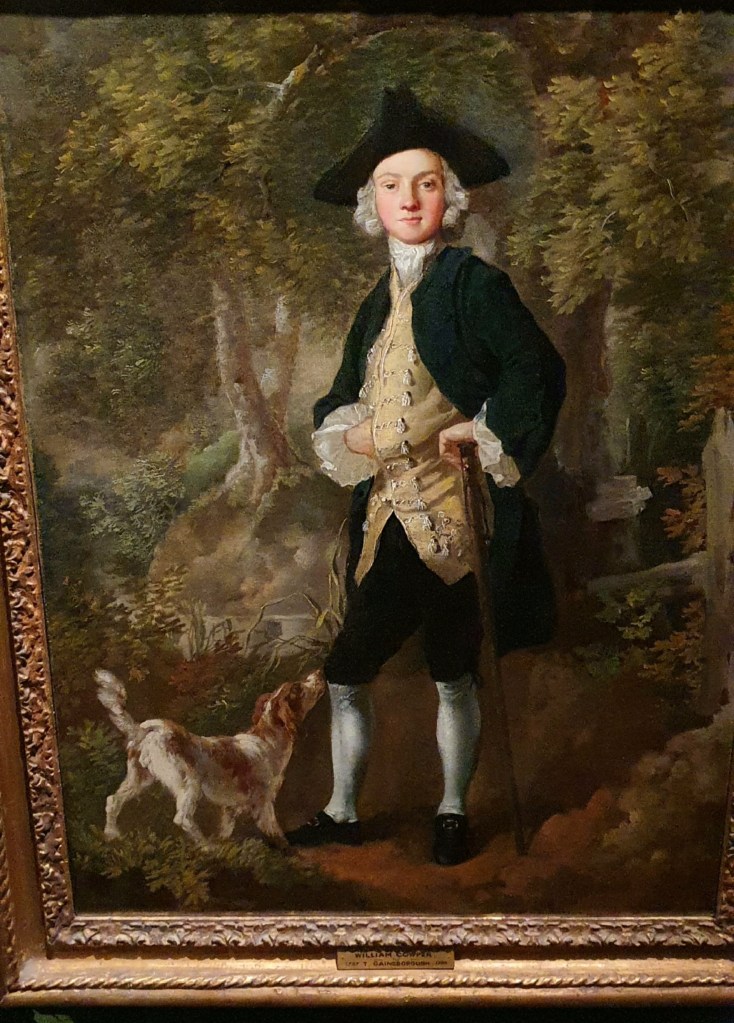
Initially, the dour gloom overwhelmed me before I took a sudden gasp of breath; within the gallery room hangs the most wondrous display of Gainsborough’s paintings.
I had seen many before and it is as if I were welcoming friends. They are perfectly lit.
The heavenly light from the landscapes emits its own brightness and life.
The portraits are exquisite, the women captured with depth and elegance.
The men display at times hidden pomposity, ensuring their grandeur and wealth are on display for all. One wonders how the artist had the patience with them all, only to learn he did not! Gainsborough did not enjoy having sitters and probably as a result turned out to be an extraordinarily fast painter.
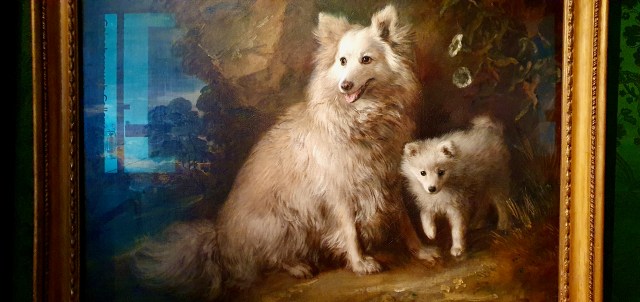
All around is such incredible art I can’t help but sit down in the tranquil reverential silence and absorb the magical beauty surrounding me, including the stunning painting of these two dogs, their eyes so full of life I felt they were about to come bounding out the picture.
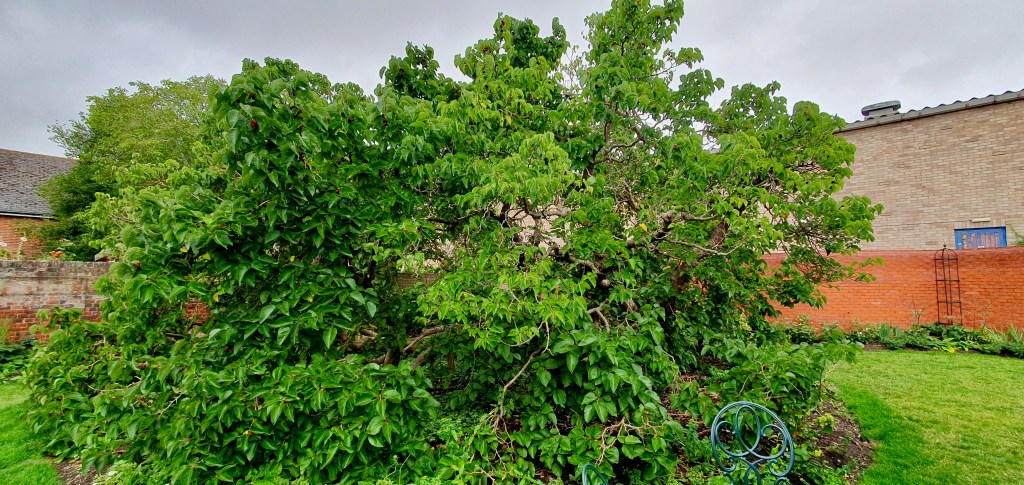
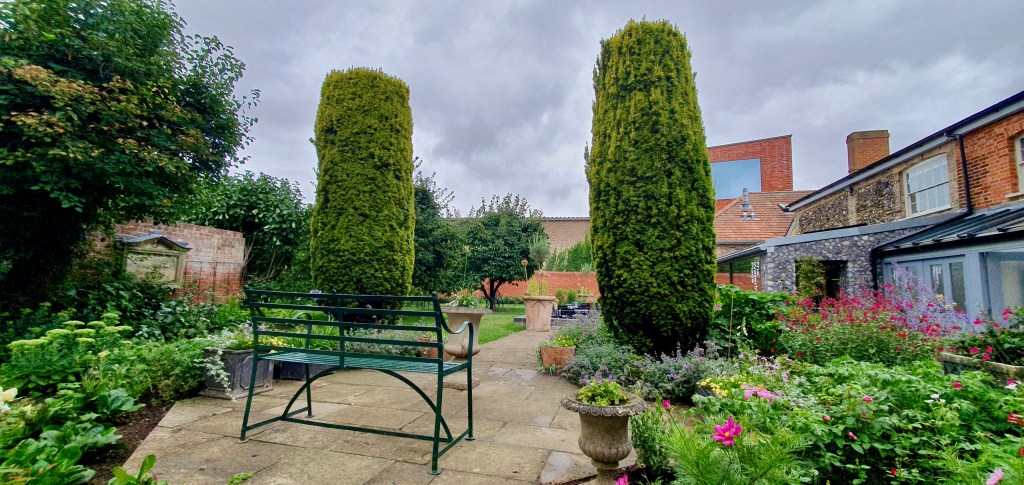
From this unexpected and dramatic introduction, we headed out to the serenity of the garden. Here an ancient four-hundred-year-old mulberry tree still bears fruit.
The yellow-painted house was just ahead and it was with intrigue I entered the house.
As Gainsborough’s House originally dates back to the medieval period some of the original beams from the era are visible. Also on show is an example of the style of the original build using wattle and daub (sticks & mud basically!). Gainsborough’s father, a merchant, ensured the family home was revamped in the modern Georgian style and much of the house remains as such.
On previous visits, the downstairs front room was a higgedly-piggledy collection of a tiny squashed cafe, a little shop corner and displays. Now the beautiful entrance hall leads us to the painting room.
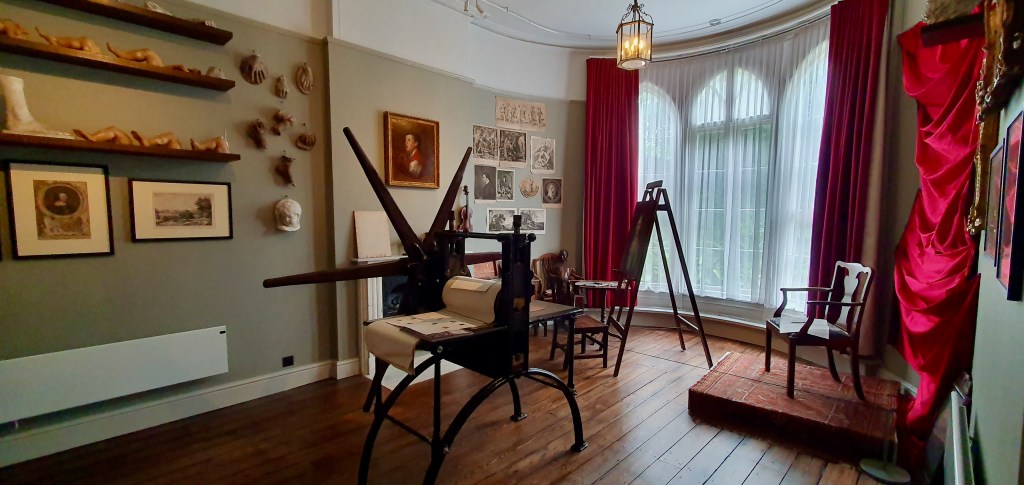
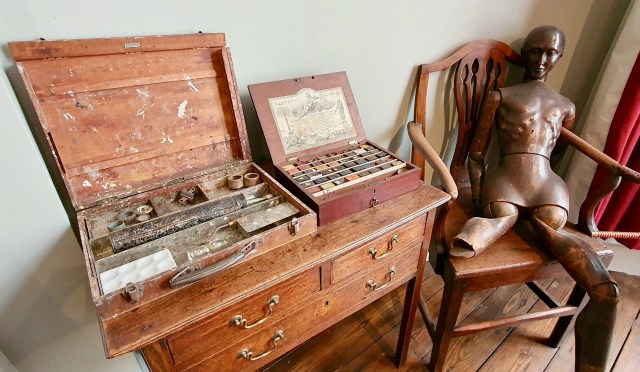
This is the contemporary interior of what would have been a typical studio. As was the norm it is north facing (to avoid issues with changeable shadows through the day) and the room contains a rich array of artefacts. An easel with a canvas by Thomas Gainsborough’s nephew Thomas Gainsborough DuPont, who was the artist’s only assistant, is casually on display while nearby artist’s brushes are set on a wooden table ready to be picked up and used.
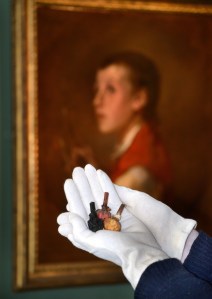
A glass case houses a unique collection of paint bladders – these are small animal bladders which contained the artist’s paint and a wooden stopper to ensure they were kept fresh. A large selection of these were found in the attic and there is good reason to believe they belonged to Gainsborough himself.
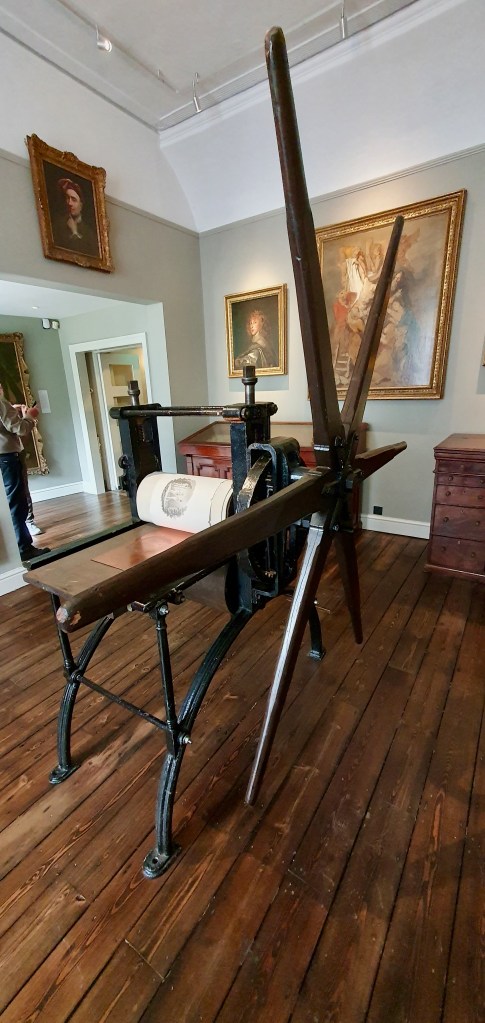
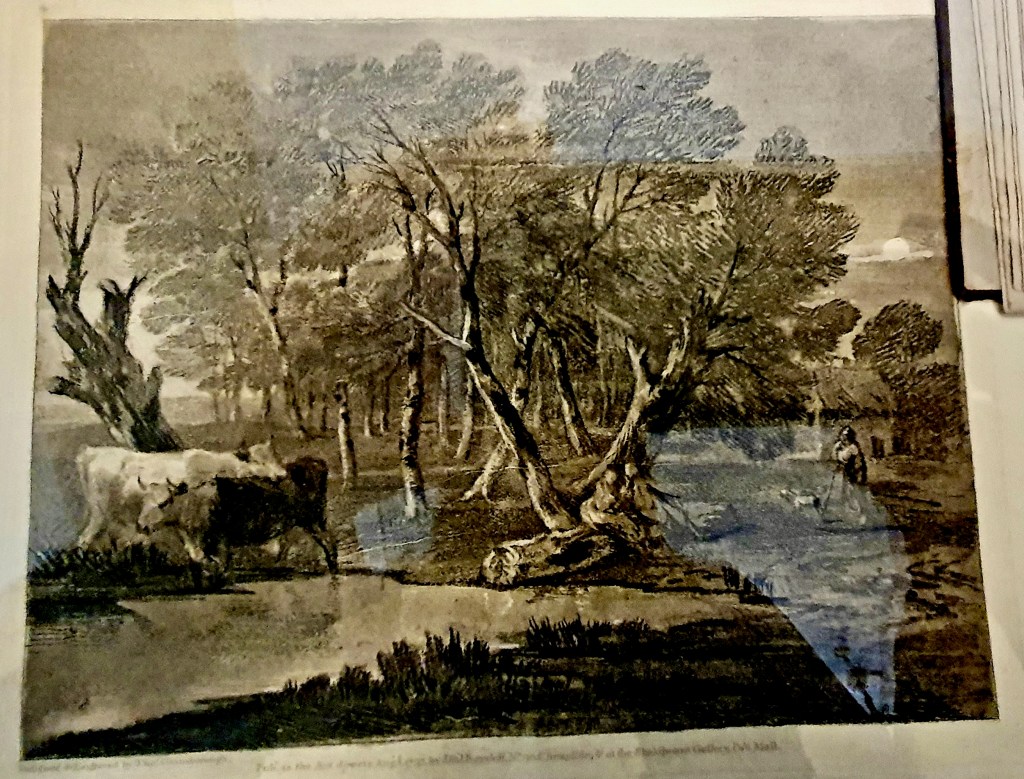
In the middle of the room is a most magnificent Star Printer which creates pictures from copper plate etchings and there is a stunning one made by Gainsborough on display.
Walking around the house one cannot help but reflect what it would have been like for Gainsborough to grow up here. His passion for painting was nurtured and encouraged by his father and Gainsborough was allowed to leave for London to learn more about the craft aged thirteen. His passion for nature, particularly the county countryside, is evident in his work although he turned to portraits, partly as a necessity to earn a living and he was a great admirer of Van Dyck’s work which is reflected in his paintings.
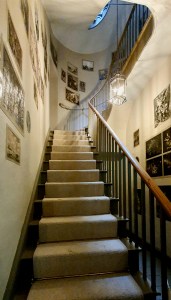
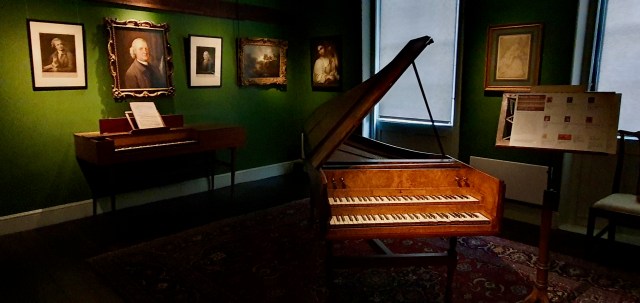
Gainsborough’s other love was music and the Music Room upstairs, which is accessed by the elegant and sweeping staircase, houses the country’s only double-manual harpsichord and this dates from 1738.
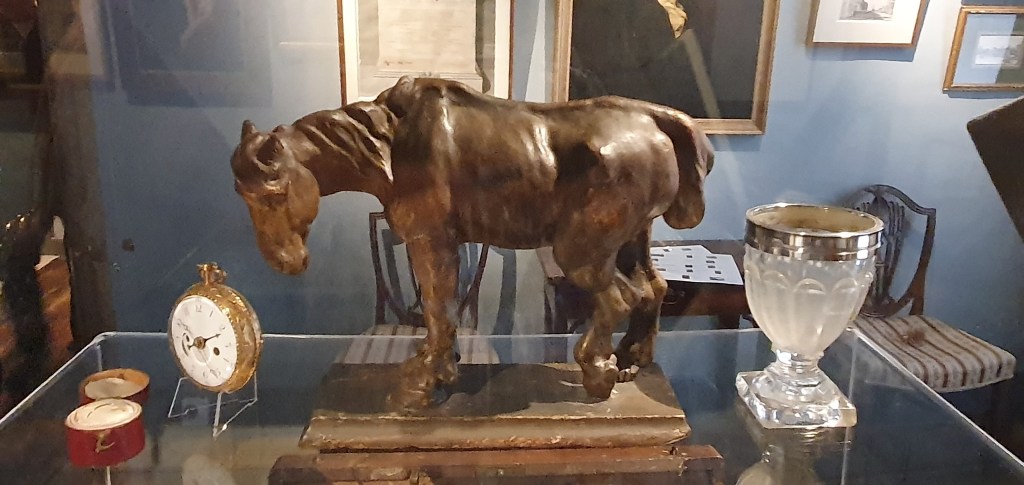
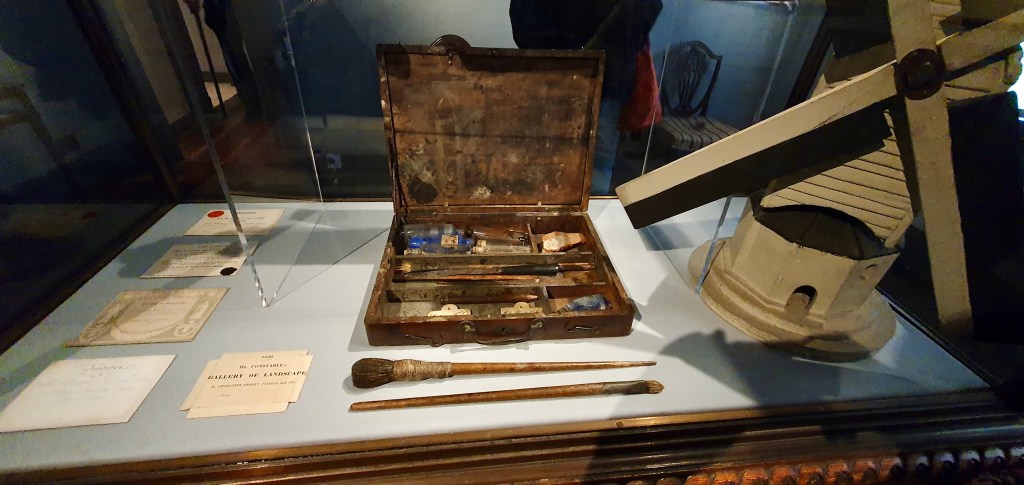
In the Constable room several of this other famous artist’s work is on display. John Constable was a close friend of Gainsborough and is said to have been influenced by Gainsborough creatively. Constable’s landscapes are legendary and great to see some of the smaller ones here. A case displays some of John Constable’s original set of brushes and also one of the artist’s most treasured items, a model of a horse made by Gainsborough.
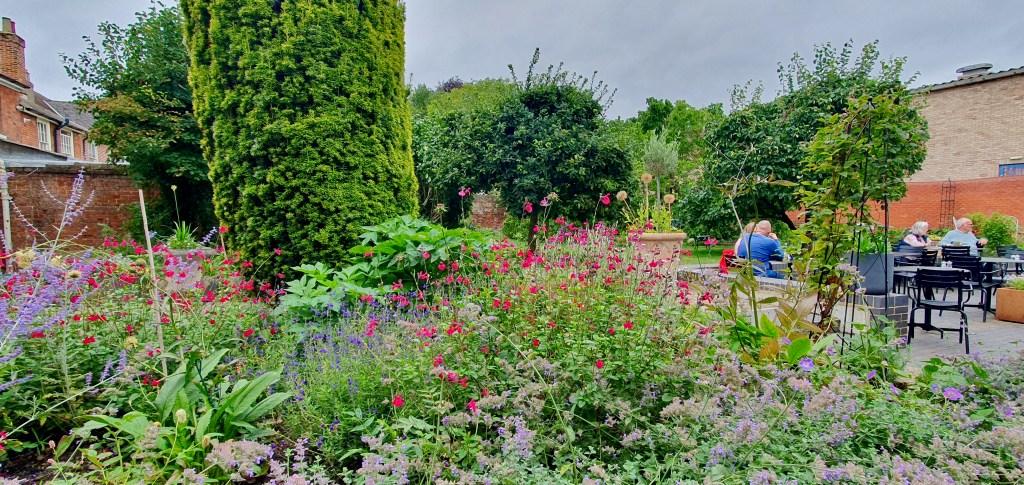
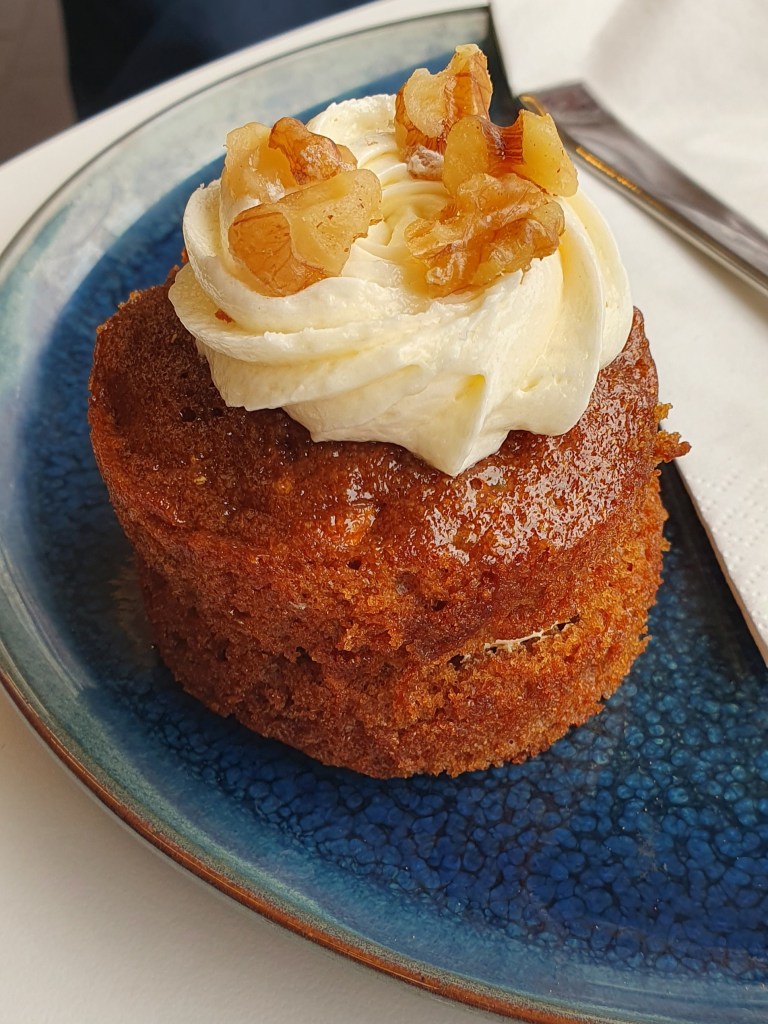
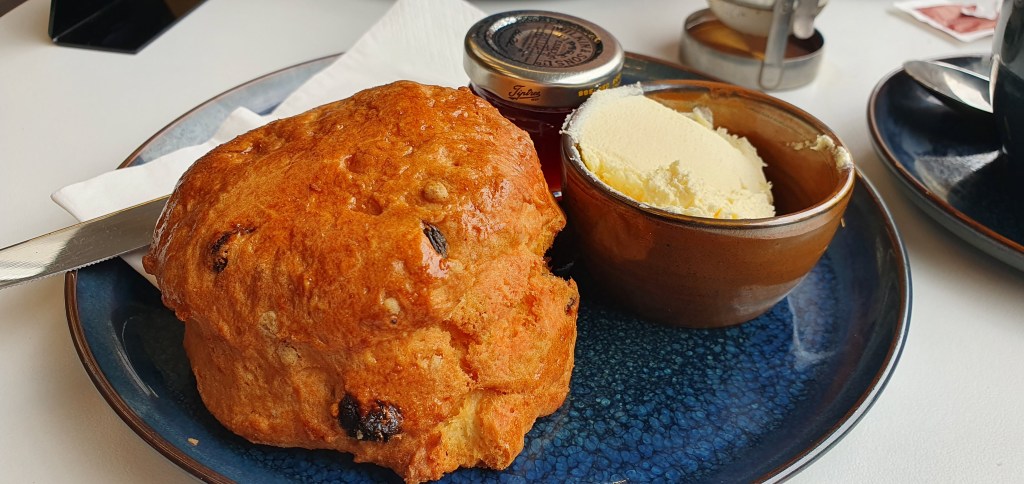
With our hearts and minds replete with art and history we headed back to the garden and the new cafe. In harmonious quiet we contemplated the incredible history on our doorstep, the stunning art in such a close and intimate setting, all in the original home of the great artist. Mulling over the visit, we turned around and laughed – as we enjoyed our cakes we noticed another Gainsborough hanging nonchalantly behind us!
* “We love a genius for what he leaves and mourn him for what he takes away.” Thomas Gainsborough
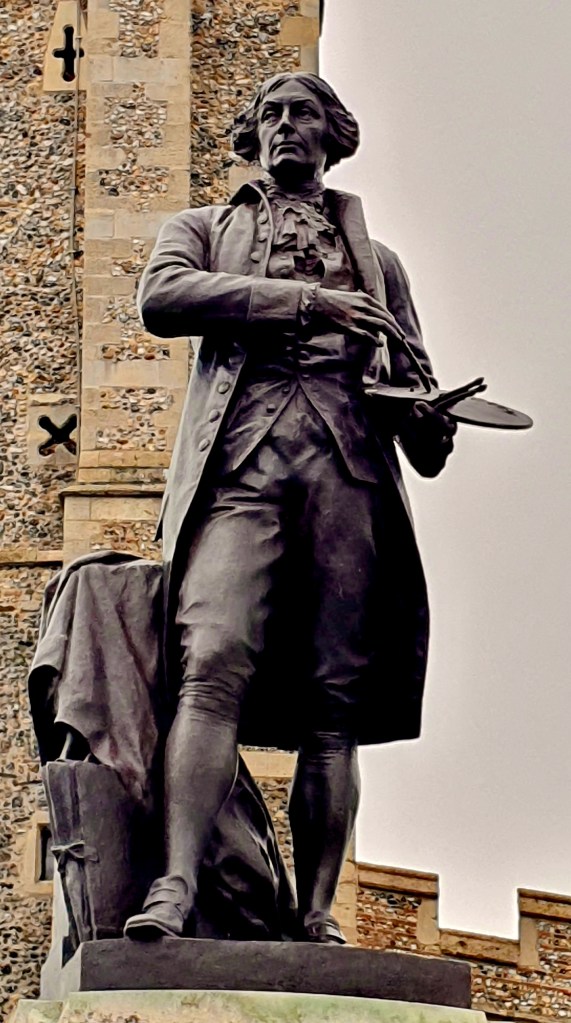
Bronze statue of Gainsborough in a long overcoat, open to reveal his waist coat and cravat, as he looks over the market square in Sudbury, towards Gainsborough House, pausing from painting and resting a brush on the palette.
“As we look at his pictures we find tears in our eyes and know not what brings them.” John Constable
Do you have a spare thirty hours? Furthermore, do you have about thirty manual typewriters laying around the house?
Probably not!
One architectural student however has both of these and is creating a most astonishing new form of art – one that is reaching across the globe.
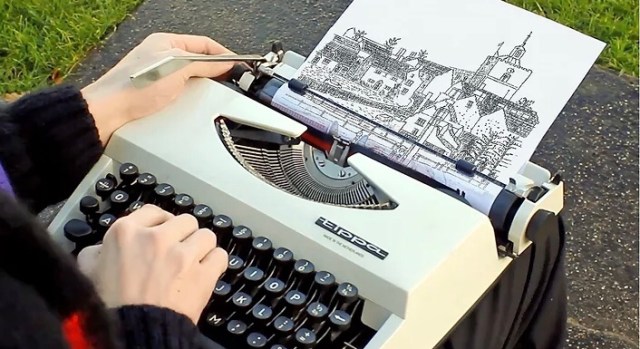
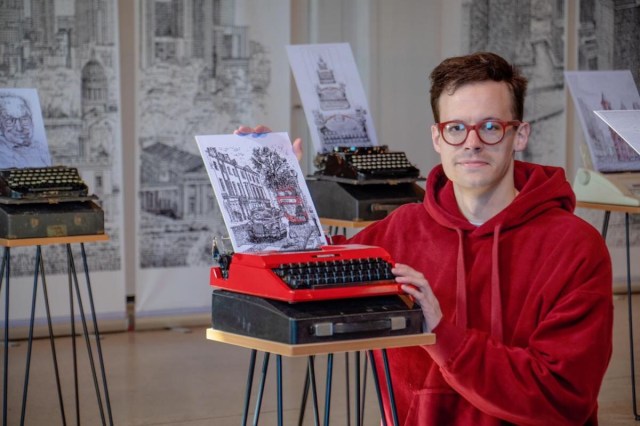
Known as the typewriter artist, James Cook (aged 25) from Braintree, Essex uses obsolete manual typewriters to ‘paint’ / tap out stunning landscapes, portraits as well as animated drawings.
James Cook. Photo on Google
There is just a moot point – they are mostly black with a dabble of red (the two colours of typewriter ribbons!) James uses the restrictions of colour to a wondrous effect, capturing St. Paul, Westminster, New York, and Florence amongst many of the world’s famous sights! The largest of these used over 500,000 characters and the least amount of time on the smallest commissions is at least thirty hours.
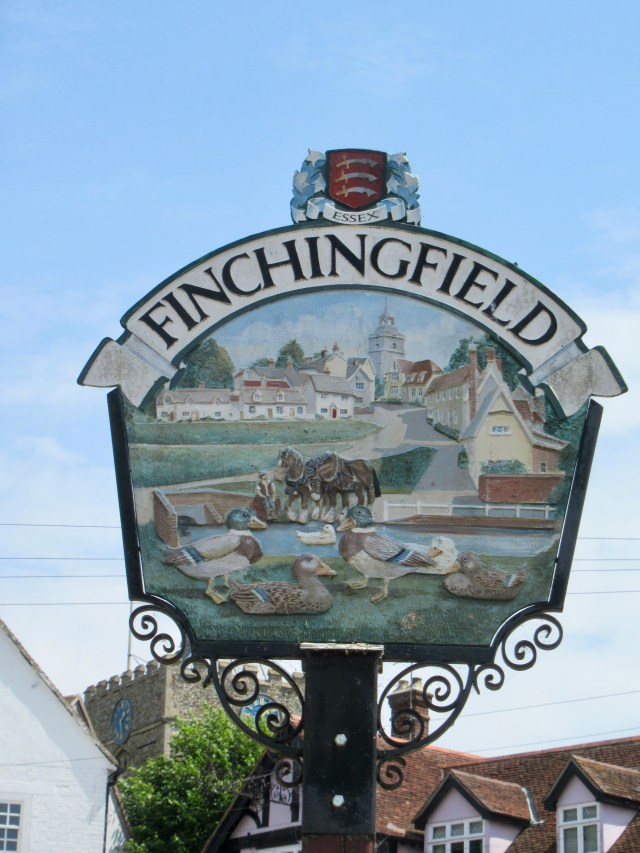
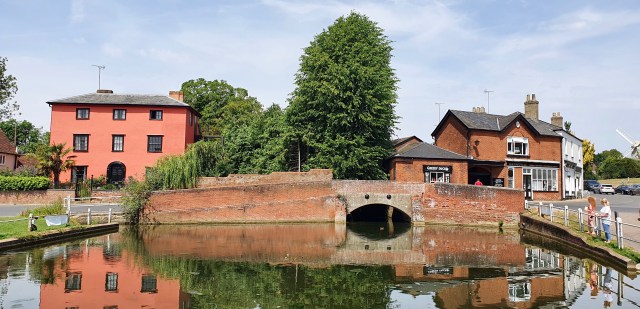
One weekend in July I had the pleasure of attending an exhibition of his work at a gallery in Finchingfield which is a picturesque quintessential English village with plenty of thatched houses, duck pond, pubs and cafes galore as well as a windmill.
Finchingfield Village sign.Photo by Annika Perry
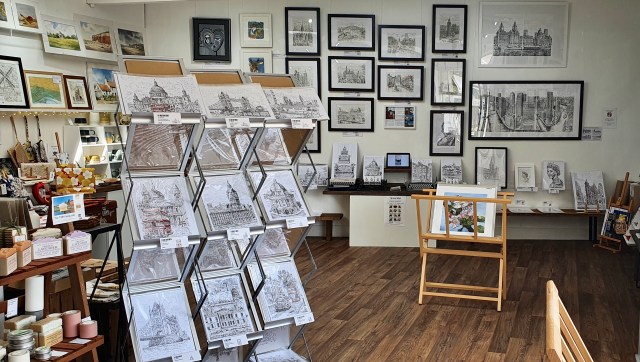
It was amazing to see the drawings in real life at The Wonky Wheel Gallery. There was a wide range of them on display and it was fascinating to learn that like traditional artists James Cook actually takes his tools of the trade out on location – in this case, a typewriter or two – and sits on a chair tapping away. He will also ensure to make pencil sketches for reference later.
The Wonky Wheel Gallery & part of the James Cook exhibition. Photo by Annika Perry
However, unlike oil and water colour artists, there is little scope for error as there are no second chances and he is loath to use Tippex (white out / correction fluid). ‘Accepting mistakes has been the toughest challenge.’
To date, James has created nearly 200 drawings, and last year became a full-time artist! The now 40 typewriters used range from a 1920s Continental Portable, to a Tippa and Rimington Envoy III to later manual typewriters from the 1990s.
There was one fellow typewriter collector James longed to make contact with – Tom Hanks. The latter was impressed enough with the portrait of himself which James sent him to return it signed. This had pride of place in the exhibition and it is startling how the artist has captured the character and nature of the actor.
Currently, typewriters are to be found in every room in James’s house, and some in his car, although only a few are fully working at any time. Luckily a local company helps to supply the all-important ribbon and he is also sourcing them from the USA.
Throughout his work, his passion for buildings shines and being a student in the field is a crucial component in his success.
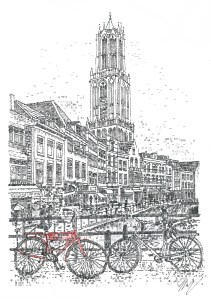
The Dom Tower, Utrecht, Netherlands typewriter art by James Cook. Photo on Google
Commissions are at the heart of his work as an artist and over the last seven years, James has become internationally recognised for his work. He has accepted orders from numerous countries including South America, Australia, France, Germany and the USA.
He finds that his ‘inspiration is motivated by the stories of individual and customer who commission drawings’.
Just as each drawing is created from two perspectives, that of the close-up of each individual letter, number or punctuation to create the mesmerising whole image, the viewer is equally beguiled by both elements. Close up I could see the darker areas of the drawing where the key has been struck endlessly in one place, in other areas I could see individual characters, and at times whole sentences are visible. These ‘hidden’ sentences helped him to create his slogan of ‘a picture is worth a thousand words’.
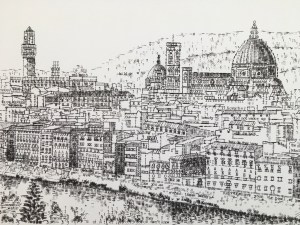
Florence typewriter art by James Cook. Photo by Annika Perry
While at the exhibition my husband and I bought one of his limited edition prints of Florence, a belated wedding anniversary present to ourselves and in memory of a beautiful visit there years ago. From afar James has captured the city with awe-inspiring effect, building upon building rising up to the iconic Duomo in the distance, the serene Arno and woodland in the fore. Looking closer I can make out sentences such as ‘11 November’, ‘did not wake up’, ‘with intention’ and ‘2nd time lucky’. On each viewing of the image, I make a new discovery and each new find enhances the drawing!
I am sure the astonishing typewriting art by James Cook will become ever more popular and known and it was a joy to view his drawings and some of the typewriters in the early days of his career. If you want to see more of James Cook and his works click here.
Finally, after three long years, my family and I are once again returning to Sweden for a long summer holiday and as many of you are aware the location is wonderfully idyllic and remote – ie. no Wifi! I will pop in to a library or family & neighbours during my sojourn and reply to comments when possible. I wish you all a wonderful safe summer (or winter to my friends in the southern hemisphere).
‘Within you there is a stillness and a sanctuary to which you can retreat at anytime and be yourself.’
Hermann Hesse
Finchingfield famous bridge and duck pond. Photo by Annika Perry
“The emotions are sometimes so strong that I work without knowing it. The strokes come like speech.” Vincent Van Gogh
Welcome to my third and final instalment about Carl Larsson and his watercolours of the beloved family home; a place where he ‘experienced an indescribable delightful feeling of seclusions from the hustle and bustle of the world’.
Carl Larsson (1853-1919) was heavily influenced by William Morris and the Arts and Crafts movement in the UK and over the years Karin and Carl transformed their humble abode and in the process created a lasting legacy for interior design in Scandinavia and beyond. Their charming, evocative and distinctive style in furnishings is still highly influential and inspiring homemakers today.
“If light is in your heart you will always find your way home.” Rumi
Whilst Carl, with some help from carpenters, made the furniture, carved the doors and cupboards, Karin was responsible for the textiles and tapestries at ‘Little Hyttnäs’ as well as the rugs.
The idea to paint pictures of the home was first suggested to Carl by Karin during a rainy summer in 1894 when she feared her husband would fall into depression. Inspired, he continued to paint all aspects of their house and lives within and outside it.
“A picture is a poem without words.” Horace
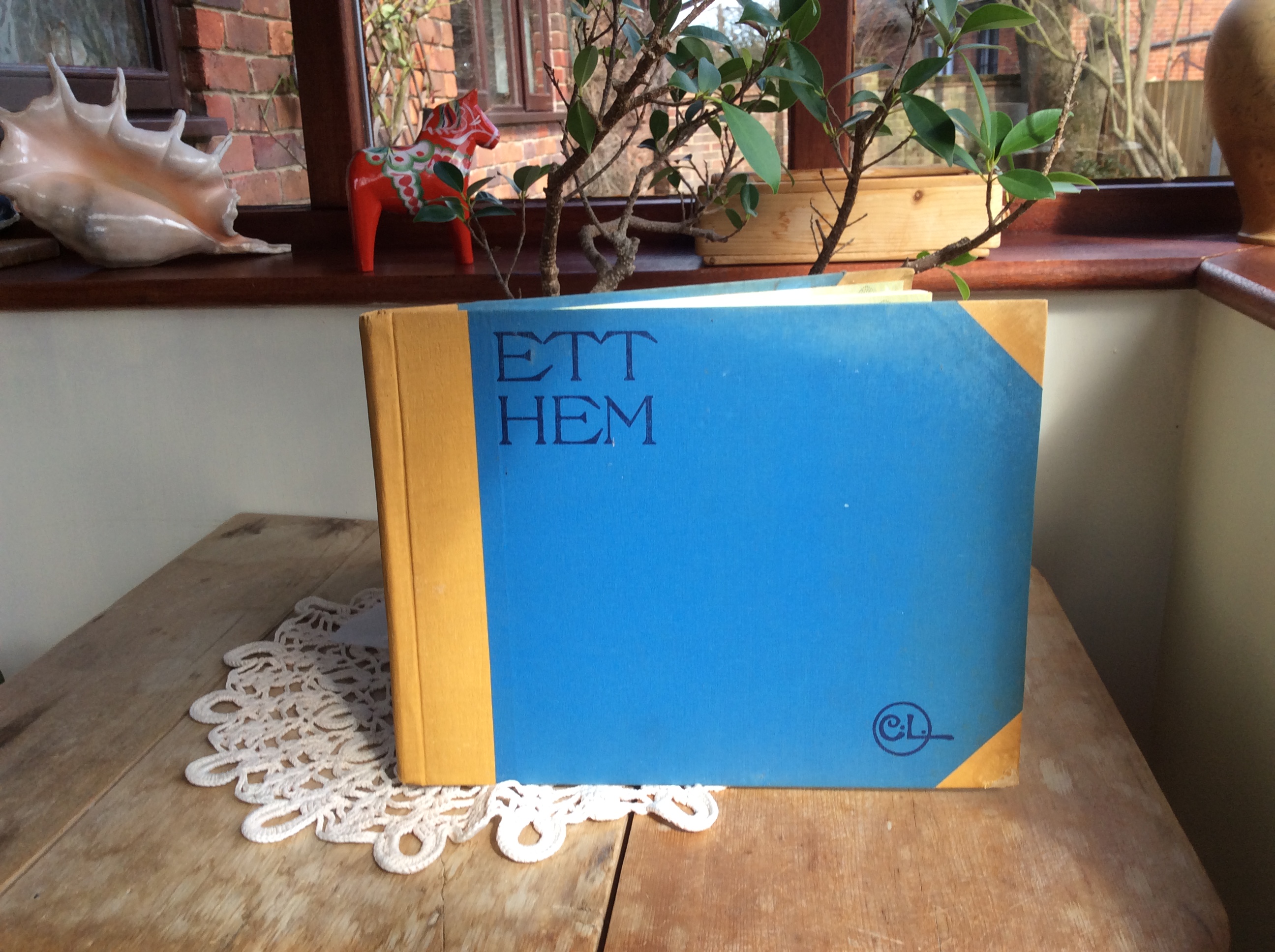
Following Carl’s acceptance of an invitation from the publisher Bonnier to print some of his watercolours, twenty-four of the paintings were reproduced in the now famous ‘Ett Hem’ book. Initially sales were slow in Sweden until a German version became an instant bestseller in Germany, selling 40,000 copies in three months.
Carl and Karin Larsson were said to have been overwhelmed by its success however Carl always felt that the pictures of his family and home ‘became the most immediate and lasting part of my life’s work. For these pictures are of course, a very genuine expression of my personality, of my deepest feelings, of all my limitless love for my wife and children.’
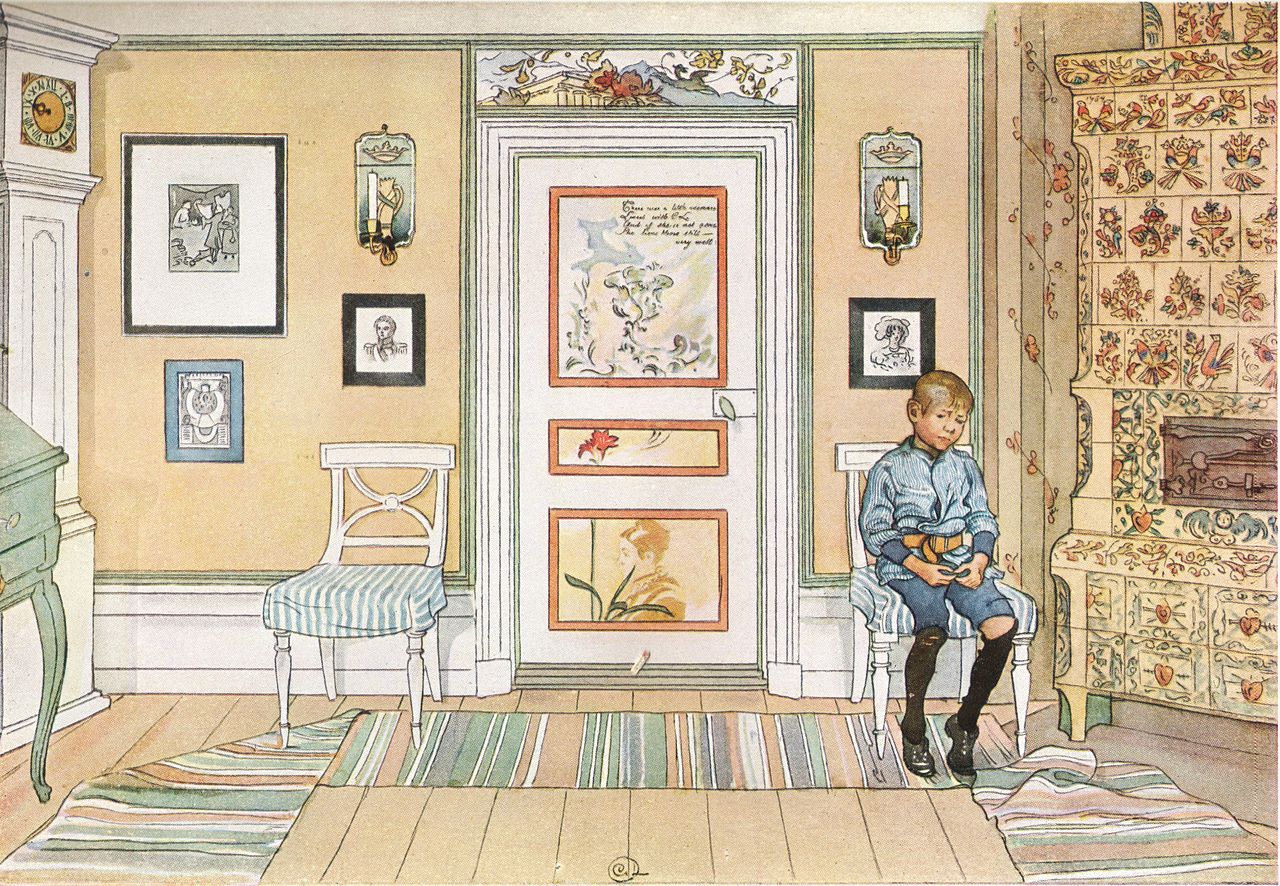
‘Ett Hem’ has never been out of print and has had over 40 print runs. Today the family home is owned by their descendants and open to tourists during the summer.
We shape our buildings; thereafter they shape us.” Winston Churchill
NB. I look forward to reading your thoughts about the posts in this series and I will respond upon my return to the UK later in the month.
Before marriage and settling down, Carl Larsson started his artistic career when a teacher spotted his talent early on and encouraged him to apply for the Royal Swedish Academy of Arts. Although he had difficulty settling in, within a few years he was able to earn enough money to support his parents through drawings and cartoons sold to various papers.
A move to Paris in 1877 was equally challenging although he finally found peace and inspiration in Grez-sur-Loing … and here he met Karin Bergöö, his future wife. At last, he moved away from oils and painted some of his prominent paintings with watercolours.
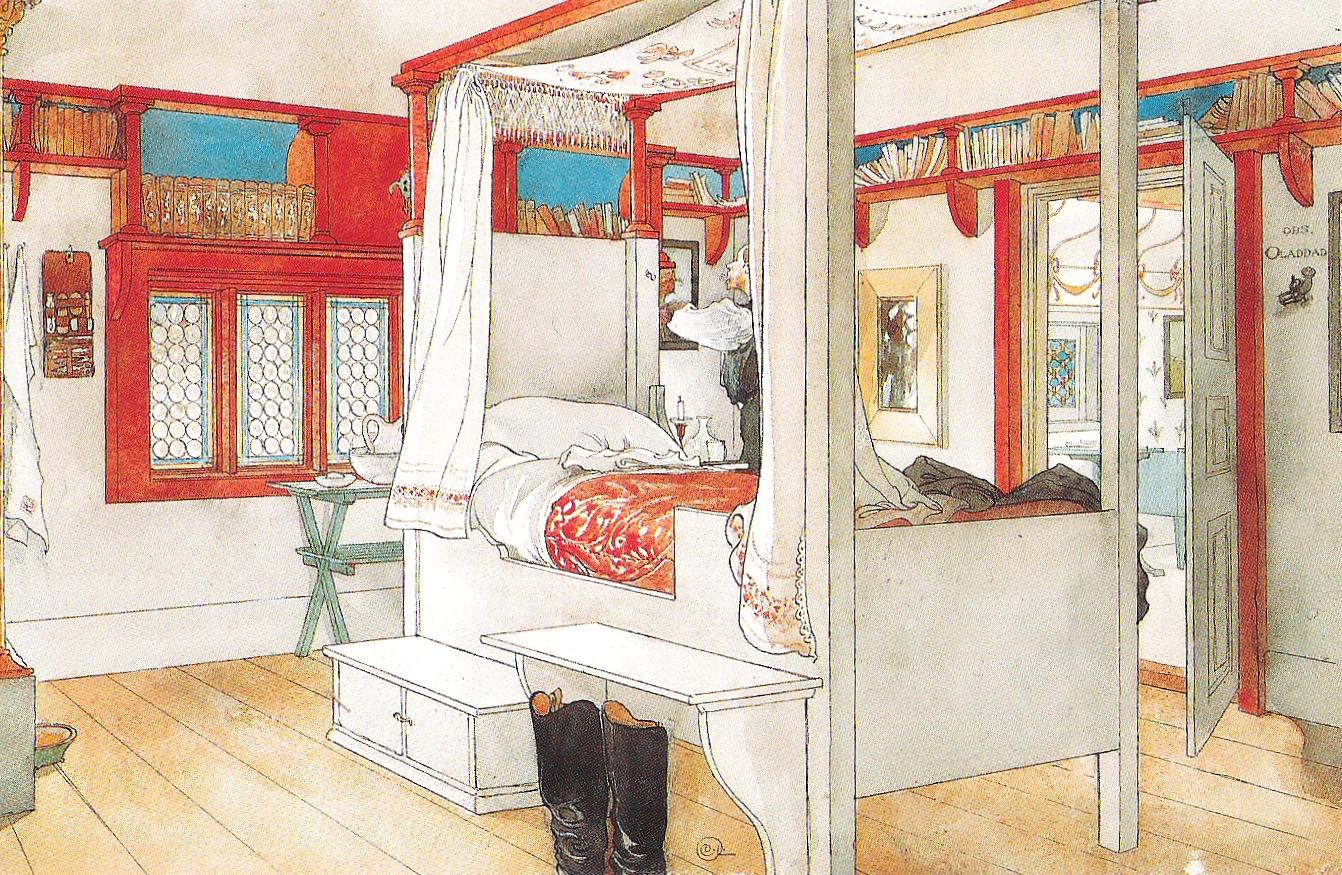
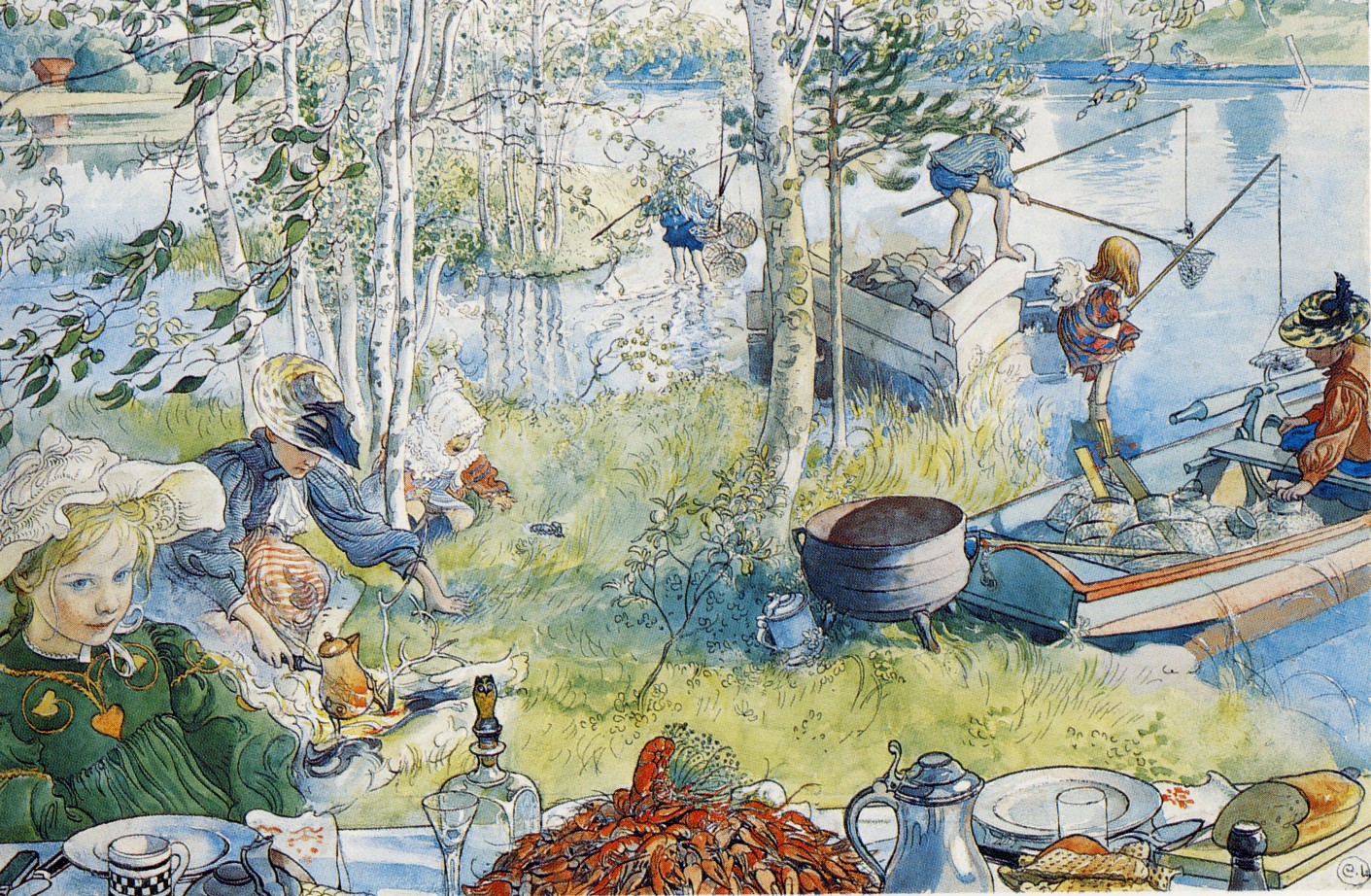
Breakfast under the big birch 1896
Nameday at the storage house 1898
“No one is able to enjoy such feast than the one who throws a party in his own mind.” Selma Lagerlöf
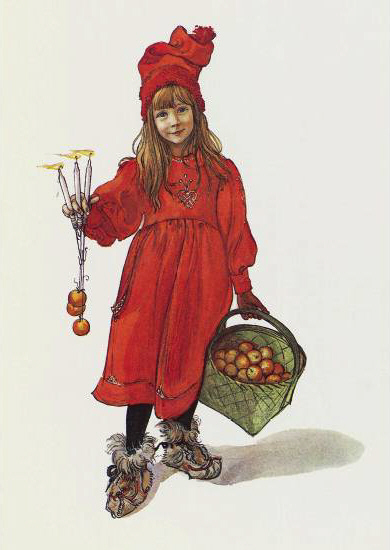
Brita as Iduna
“If I have managed to brighten up even one gloomy childhood – then I’m satisfied.” Astrid Lindgren
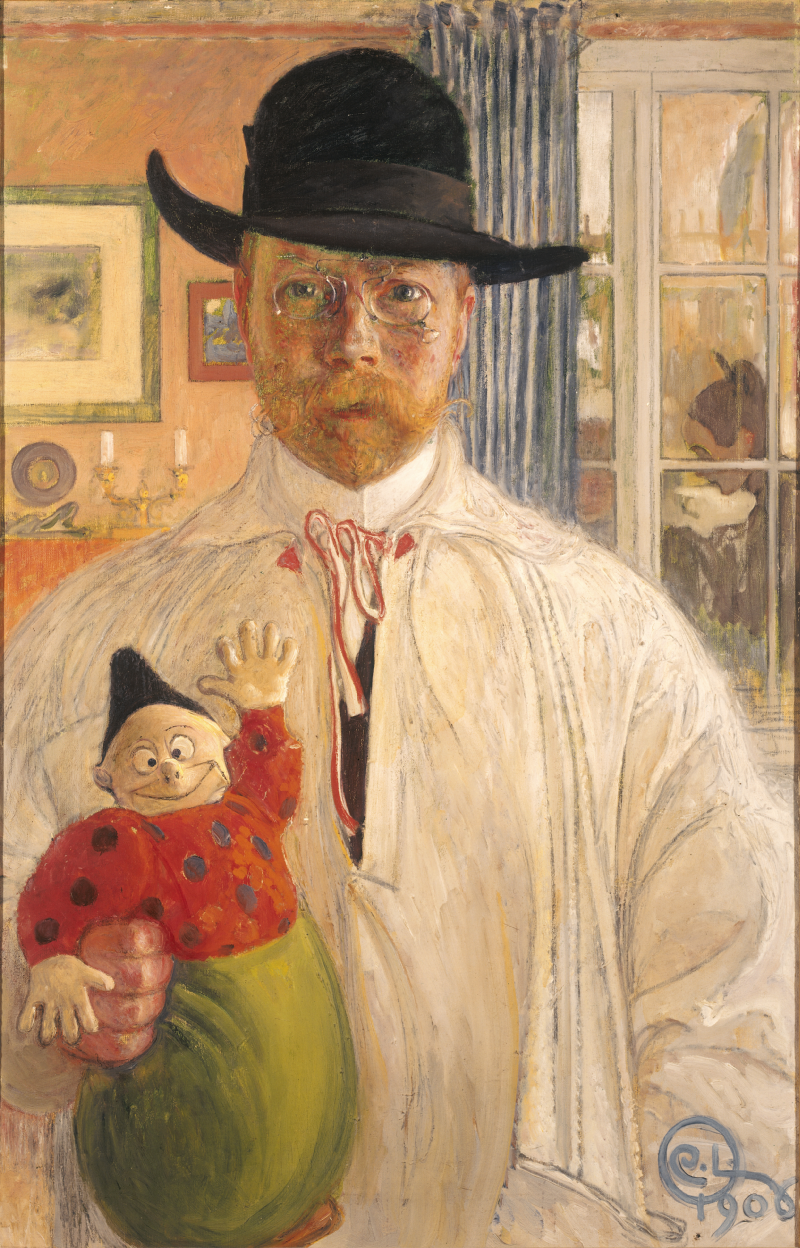
Self-portrait 1906
“I want someone to remember I existed. I want someone to know I was here.” Frederik Backman
NB. This is the second in a series of three posts based around the famous Swedish artist Carl Larsson and his successful book of watercolours called ‘Ett Hem’/’A Home’ centred on his family home. As I’m still on an Easter break in Sweden and disconnected from most technology, comments are turned off for this post but will be on for the next and final one in the series.
Once again, I am flitting away for my usual Easter break in the peace of the Swedish landscape; savouring the calm of forest, the beauty of the lakes and seas! I’ll embrace the opportunity to unwind, relax … as nature soothes my soul.
Ett Hem. Carl Larson 1969 edition
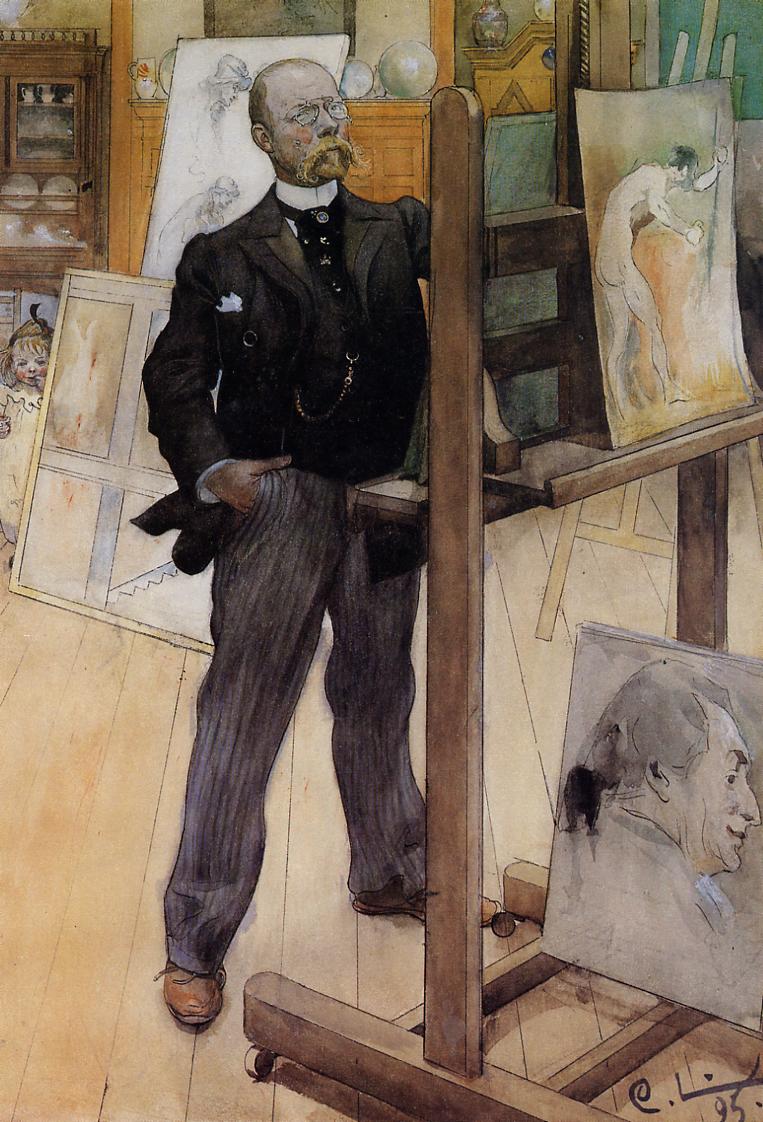
Meanwhile, I’ll leave you with a series of posts to peruse. With no more calendars to hand, I’ve drawn inspiration from a book I found at my mother’s house. Called ‘Ett Hem’, here Carl Larsson documents the family home, its gardens and his family. I will feature paintings from the book, along with self-portraits of the artist, and these will be accompanied by, hopefully, uplifting and inspiring quotations.
One of Sweden’s iconic artists, famous for the paintings of his home, Carl Larsson sadly and ironically was raised in extreme poverty. As young his father threw him, his brother and mother out into the street and thereafter he was raised in a squalid building with three families per room. This wretched start to life ensured he sought to build a loving, colourful home for his family and with the help of his wife, Karin, also an artist and designer, they redecorated the house – Lilla Hyttnäs in Sundborn, Dalarna – given to them by her father. Carl Larsson captured in watercolours the life here with his eight children and wife in the famous book ‘Ett Hem’ (‘A Home’) – a book which ensured he never needed to fear poverty again.
Windowsill with Flowers 1894-1898
“A childhood without books – that would be no childhood. That would be like being shut out from the enchanted place where you can go and find the rarest kind of joy.” Astrid Lindgren
The Kitchen
“Drink your tea slowly, and reverently, as if it is the axis on which the world, earth, revolves – slowly, evenly, without rushing towards the future. Live the actual moment. Only this moment is life.” Thich Nhat Hanh
Cosy Corner 1894
“For, so long as there are interesting books to read, it seems to me that neither I nor anyone else, for that matter, need be unhappy.” Selma Lagerlöf
Self-portrait 1895
“Where the spirit does not work with the hand there is no art.” Leonardo da Vinci
NB. Comments have been turned off for this and the next post but will be on for the final third post in the series.
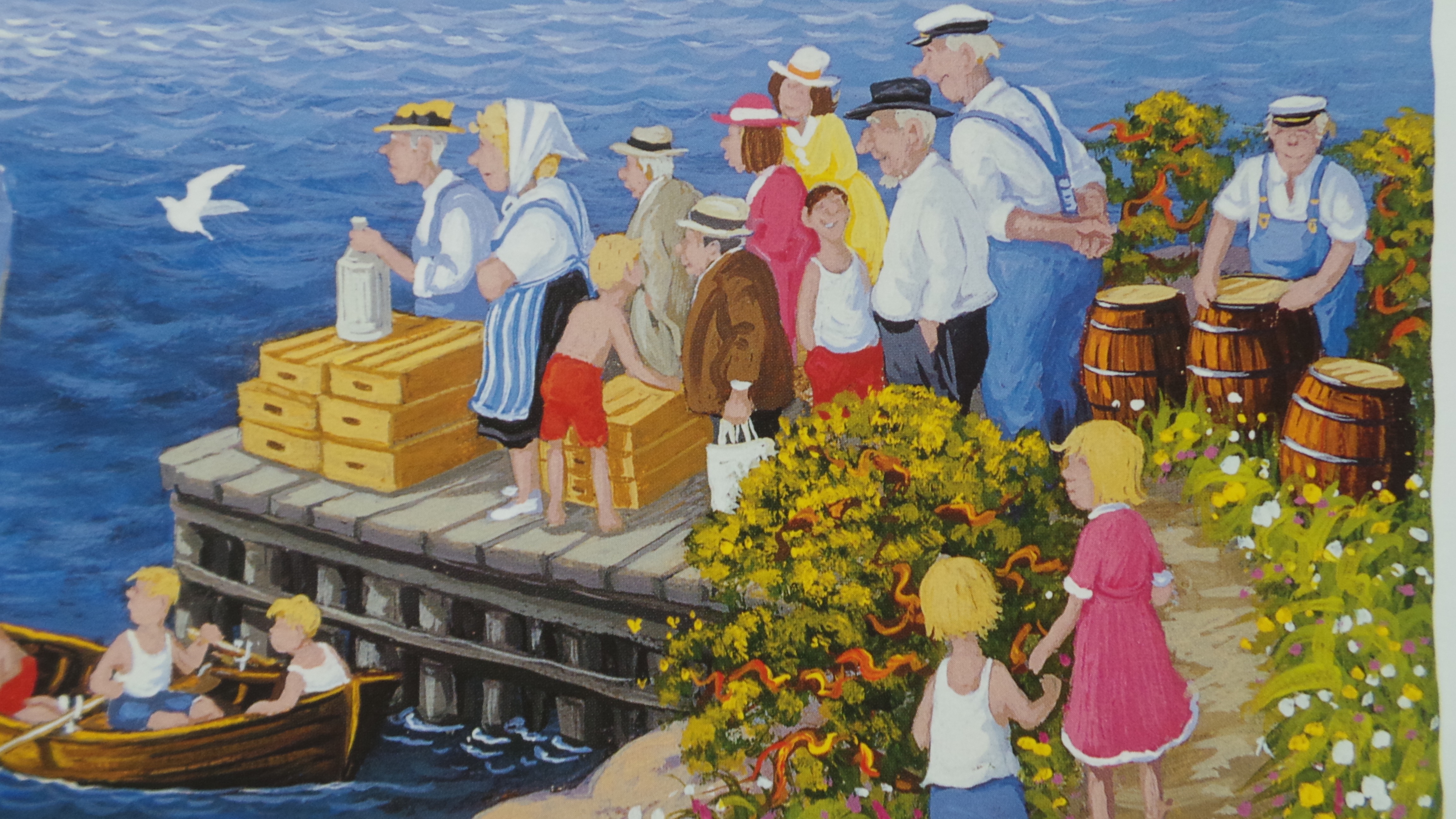
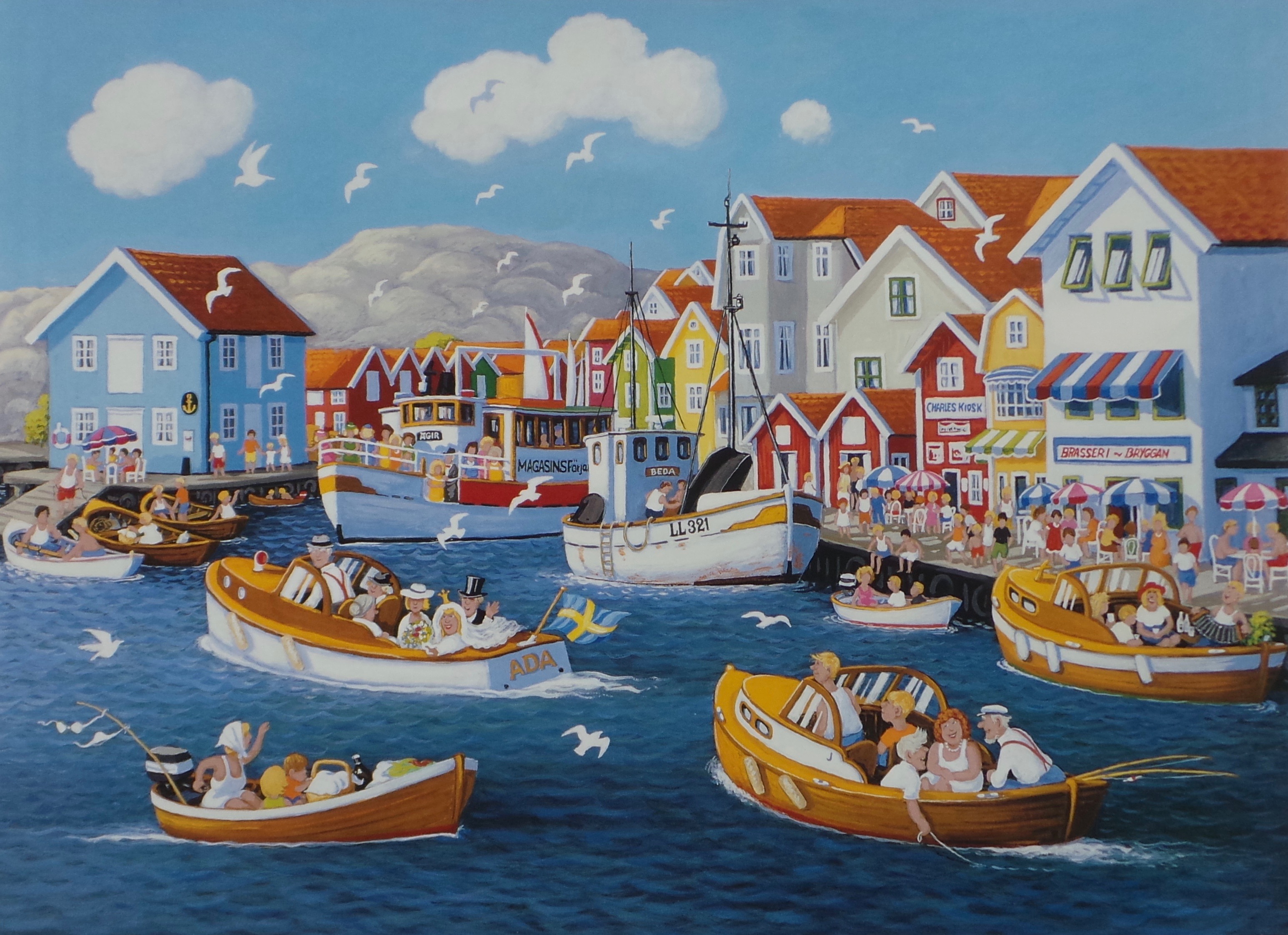
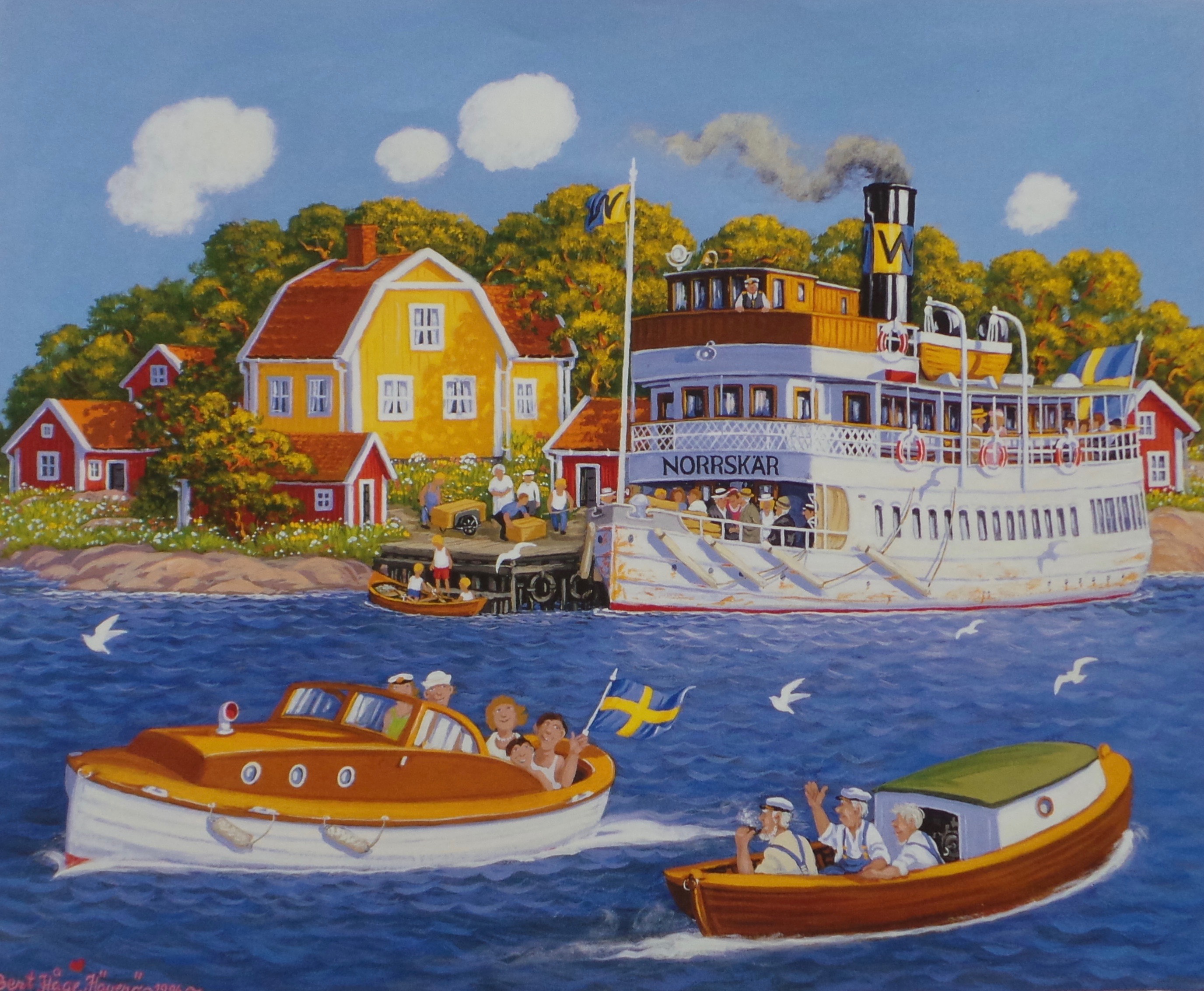
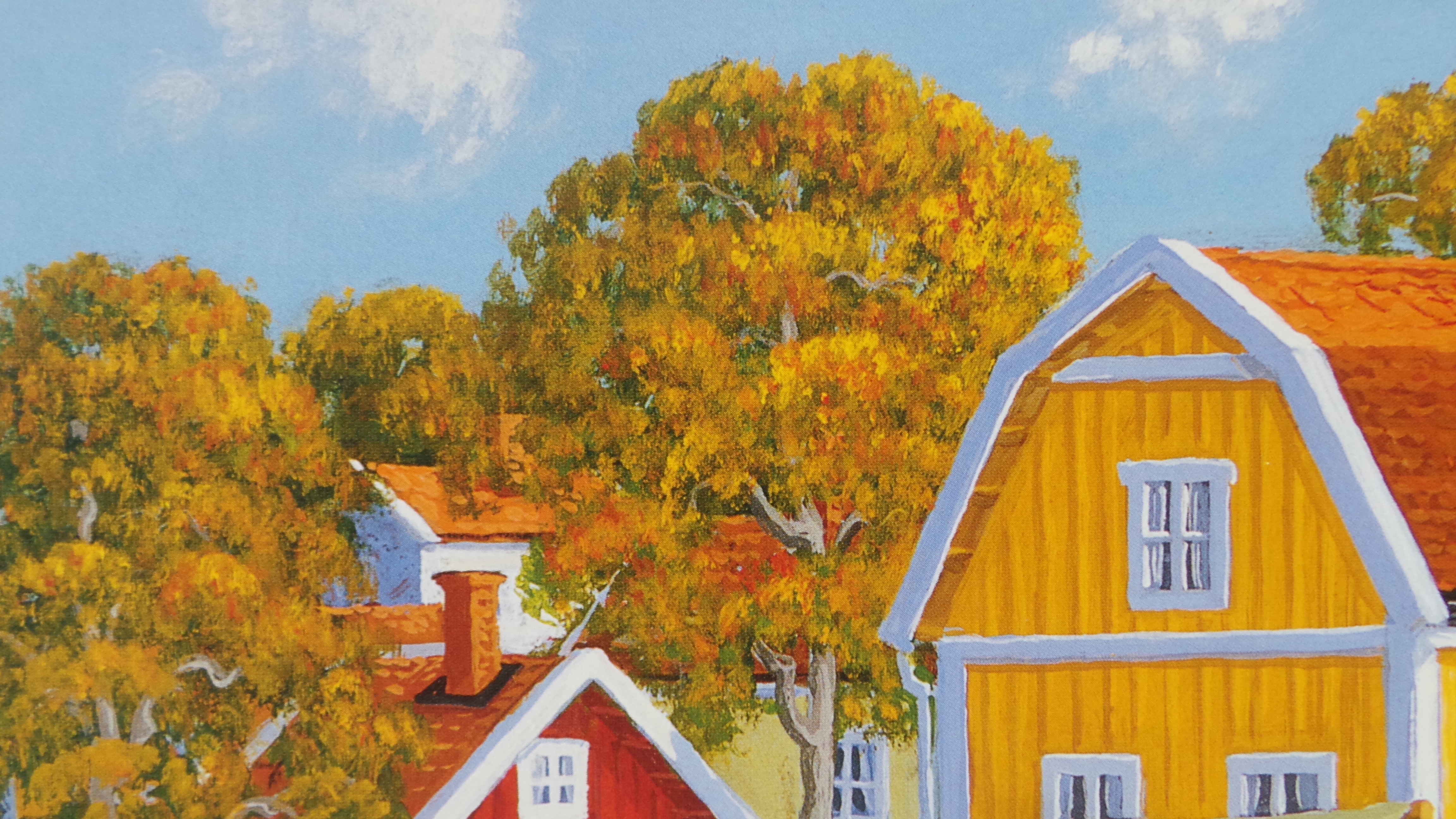
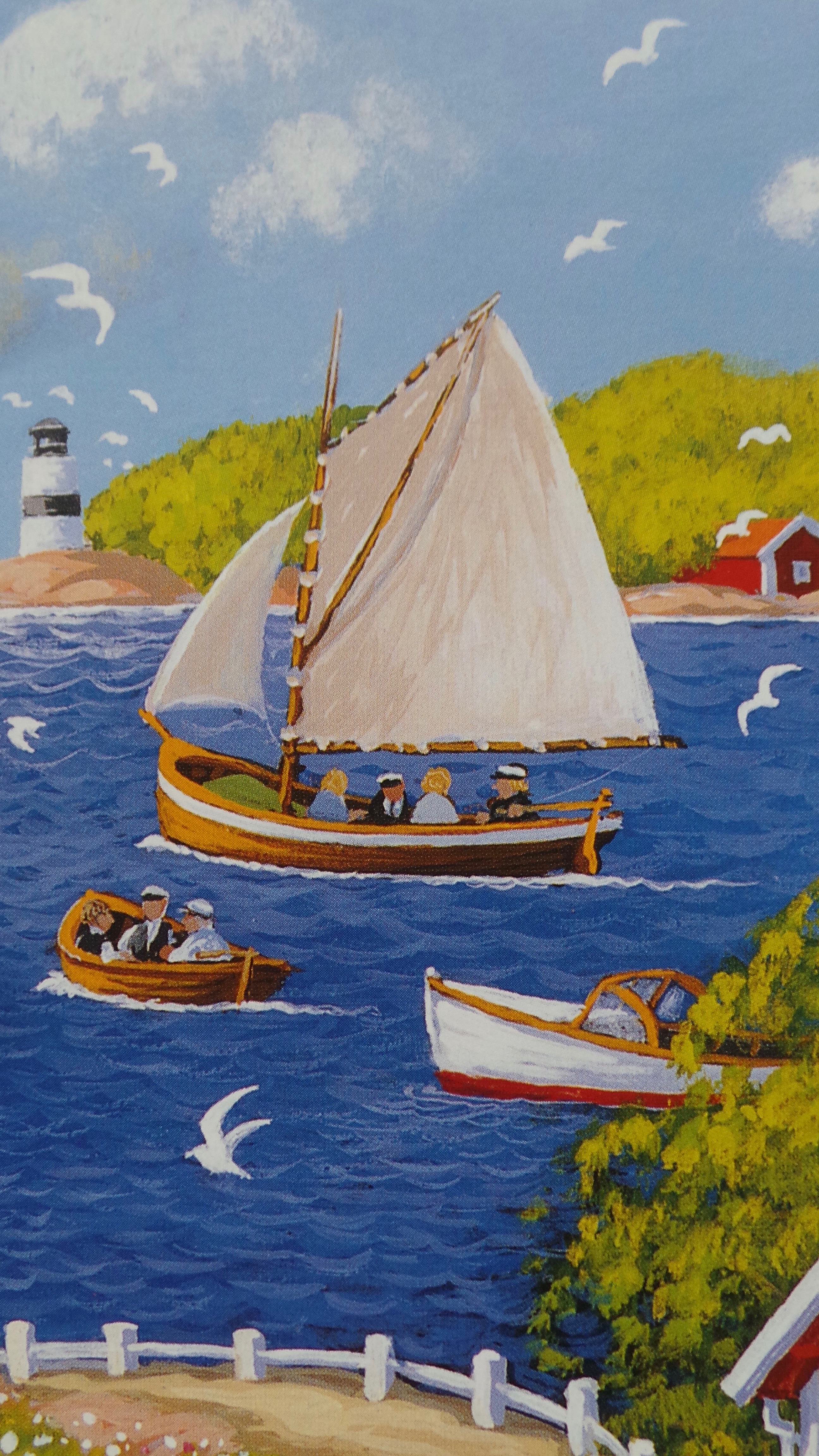
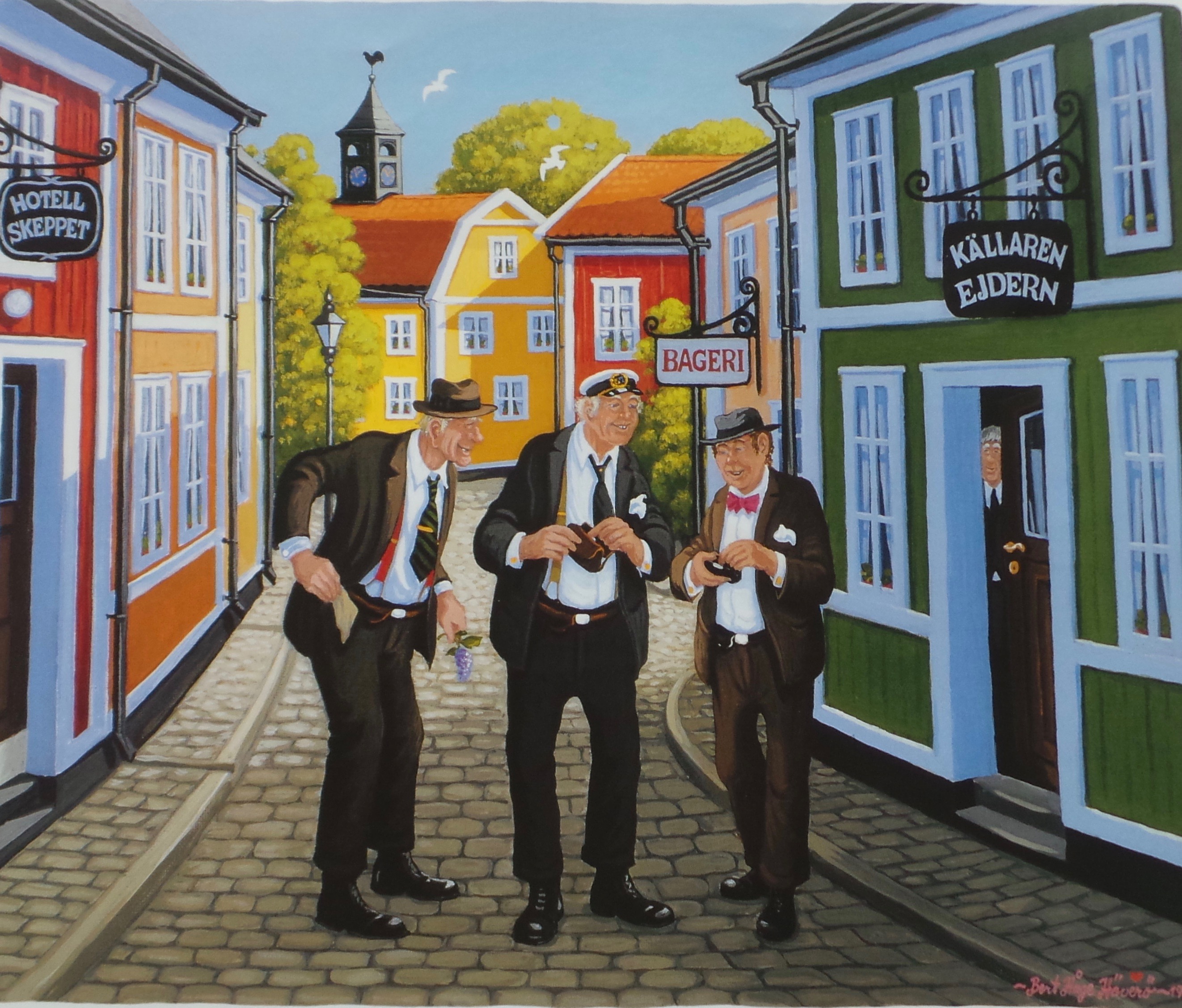
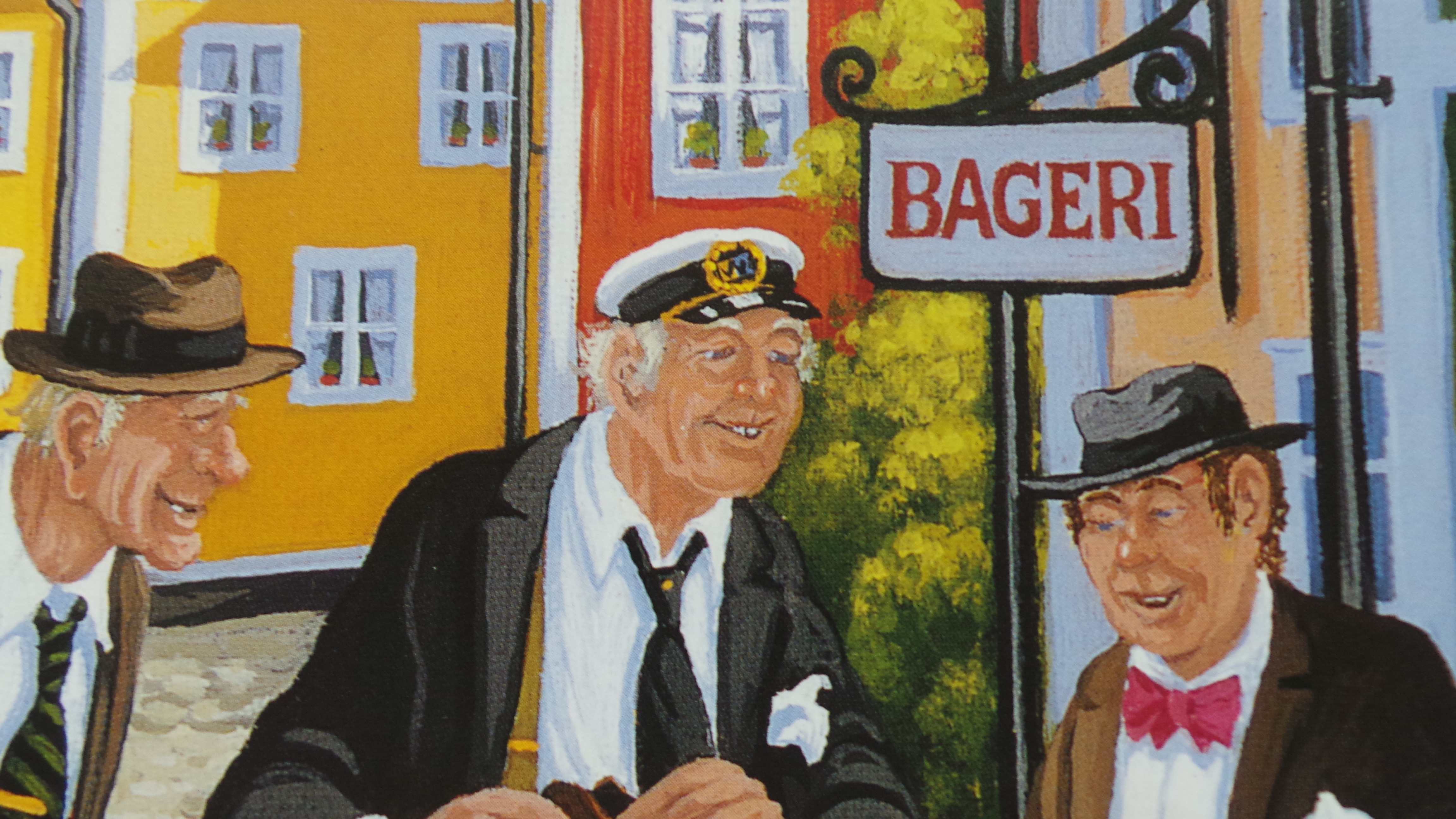
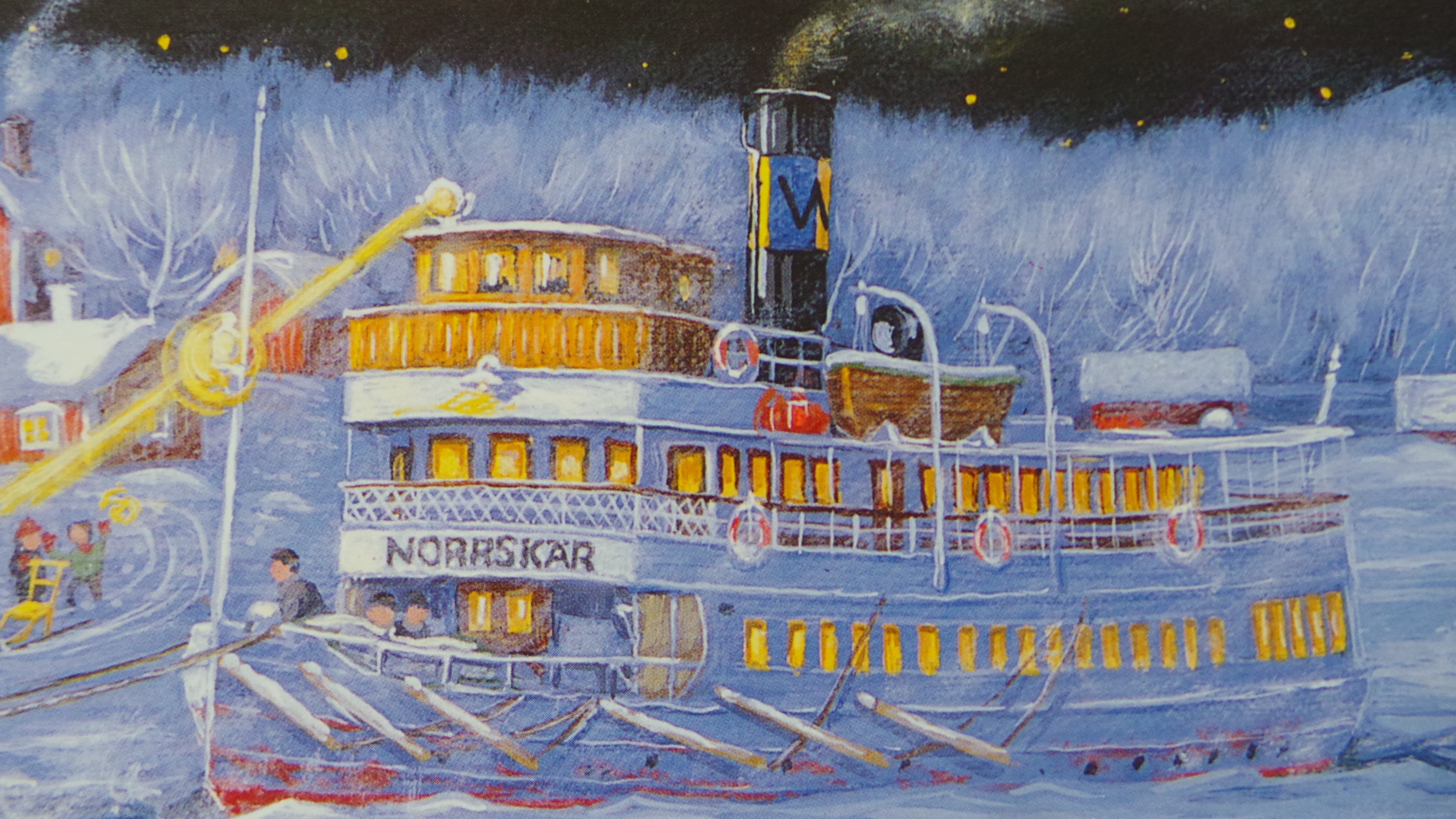
This is the last in a series of Bert Håge Häverö (Swedish artist 1932-2014) paintings which I will feature during my holiday break this Easter. These delightful photographs were taken from our company calendar which we gave out to customers many years ago. Never having the heart to throw our copy away I came across this recently and wanted to share the beauty he saw of the Swedish landscape and people. Accompanying the paintings will be various quotations /sayings/poems that have inspired me or touched my spirit. Comments have been turned off for this post.
‘When I am feeling dreary, annoyed, and generally unimpressed by life, I imagine what it would be like to come back to this world for just a day after having been dead. I imagine how sentimental I would feel about the very things I once found stupid, hateful, or mundane. Oh, there’s a light switch! I haven’t seen a light switch in so long! I didn’t realize how much I missed light switches! Oh! Oh! And look — the stairs up to our front porch are still completely cracked! Hello cracks! Let me get a good look at you. And there’s my neighbor, standing there, fantastically alive, just the same, still punctuating her sentences with you know what I’m saying? Why did that bother me? It’s so… endearing.’
Amy Krouse Rosenthal (1965-2017)
‘Reading it that evening was like having someone whisper to me, in elongated Germanic sentences, all the youthful affirmations I had been yearning to hear. Loneliness is just space expanding around you. Trust uncertainty. Sadness is life holding you in its hands and changing you. Make solitude your home.’
This is the second of three posts on Bert Håge Häverö (Swedish artist 1932-2014) paintings which I will feature during my holiday break this Easter. These delightful photographs were taken from our company calendar which we gave out to customers many years ago. Never having the heart to throw our copy away I came across this recently and wanted to share the beauty he saw of the Swedish landscape and people. Accompanying the paintings will be various quotations /sayings/poems that have inspired me or touched my spirit. Comments have been turned off for this post.
‘I am lying on a hammock, on the terrace of my room at the Hotel Mirador, the diary open on my knees, the sun shining on the diary, and I have no desire to write. The sun, the leaves, the shade, the warmth, are so alive that they lull the senses, calm the imagination. This is perfection. There is no need to portray, to preserve. It is eternal, it overwhelms you, it is complete.’ Anaïs Nin
‘It is a silver morning like any other. I am at my desk. Then the phone rings, or someone raps at the door. I am deep in the machinery of my wits. Reluctantly I rise, I answer the phone or I open the door. And the thought which I had in hand, or almost in hand, is gone. Creative work needs solitude. It needs concentration, without interruptions. It needs the whole sky to fly in, and no eye watching until it comes to that certainty which it aspires to, but does not necessarily have at once. Privacy, then. A place apart — to pace, to chew pencils, to scribble and erase and scribble again.
But just as often, if not more often, the interruption comes not from another but from the self itself, or some other self within the self, that whistles and pounds upon the door panels and tosses itself, splashing, into the pond of meditation. And what does it have to say? That you must phone the dentist, that you are out of mustard, that your uncle Stanley’s birthday is two weeks hence. You react, of course. Then you return to your work, only to find that the imps of idea have fled back into the mist.’ Mary Oliver
This is the first of three posts on Bert Håge Häverö (Swedish artist 1932-2014) paintings which I will feature during my holiday break this Easter. These delightful photographs were taken from our company calendar which we gave out to customers many years ago. Never having the heart to throw our copy away I came across this recently and wanted to share the beauty he saw of the Swedish landscape and people. Accompanying the paintings will be various quotations /sayings/poems that have inspired me or touched my spirit. Comments have been turned off for this post.
‘The first poet must have suffered much when the cave-dwellers laughed at his mad words. He would have given his bow and arrows and lion skin, everything he possessed, just to have his fellow-men know the delight and the passion which the sunset had created in his soul. And yet, is it not this mystic pain — the pain of not being known — that gives birth to art and artists’ Kahlil Gibran
‘I start all my books on January eighth. Can you imagine January seventh? It’s hell. Every year on January seventh, I prepare my physical space. I clean up everything from my other books. I just leave my dictionaries, and my first editions, and the research materials for the new one. And then on January eighth I walk seventeen steps from the kitchen to the little pool house that is my office. It’s like a journey to another world. It’s winter, it’s raining usually. I go with my umbrella and the dog following me. From those seventeen steps on, I am in another world and I am another person. I go there scared. And excited. And disappointed — because I have a sort of idea that isn’t really an idea. The first two, three, four weeks are wasted. I just show up in front of the computer. Show up, show up, show up, and after a while the muse shows up, too. If she doesn’t show up invited, eventually she just shows up.’ Isabel Allende
Writers! Down your pens. Push aside the keyboards. Remove the laptops. Now, pick up your colouring pencils and set to join the latest craze sweeping across our nations – colouring books for adults.
The intricate exquisite illustrations of these books are truly magical and delighting millions of adults as with care and affection they set to colouring.
Some books, like Scottish Johanna Basford’s million blockbuster ‘Secret Garden’ and latest offering ‘Enchanted Forest’ offer not only beautiful inky drawings set around forests, taking you on a journey through them; they also replicate the sense of childhood adventure as you discover hidden objects and unveil nine secret symbols to unlock the castle at the end of the quest.
Basford, who had a hard time selling her initial idea to her sceptical publishers, says she was keen to create something she herself would enjoy. Whilst she stresses the fun and relaxing element of the colouring, the books are not only about nostalgia and reliving childhood as there is certainly a deeper meditative aspect to the books.
In our non-stop 24/7 culture, ‘Enchanted Forest’ and many other colouring books like it allow us a few moments of quiet and solitude, time to be at utter peace within oneselves. The calm achieved, away from the bombardment of the outer world and tuning out one’s inner ‘chatterings’, is increasingly recognised as a form of therapy. Indeed other colouring books for adults are being sold as Art Therapy and Mindfulness. The market is huge with these books alone accounting for half of Amazon’s top ten non-fiction hardback book sales.
Has anyone caught the colouring bug already? Is it a hit abroad? I would love to hear from you and if possible share some of your colourings.
So, as I take a break, join me in this adventure. In a few minutes of vital mindful downtime. Relax, enjoy, get colouring.
Below is a time-lapse video of Basford creating an illustration for one of her books click on the link below. As you can see, it’s all done by hand.
“I am certain of nothing but the holiness of the Heart’s affections and the truth of the imagination.”