Love Poem

The Peripheral A Sunny Sunday morning greeting to you all.

I told you before that I have been writing since I was a girl and as a present to my patient mother I made a big collection, had it bound and gave it as a Christmas present.

I called the book  ‘The Peripheral’, which was the name of a magazine I used to produce when young for my friends and family.

Whilst visiting my mother yesterday we skimmed through the book and I saw this poem. I wrote this when I was 12-years old.  Poetry is not my forte and I was surprised to find this but wanted to share it with you as it is equally relevant today.

LOVE

Love

A thing to be cherished

Treasured forever

Love

A thing between all

From the ‘superior’ humans

To the ‘humble’ hedgehogs.

Love

A thing needy to all

Always there, ready to delight

The eager youngsters

The ageing parents.

Love

Never ask for its presence

Love, real love

Unquestioningly comes

It never falters

Or flickers away.

Love

Its strong pulse is ever near

Never closing its doors

Where happiness flows in.

Love.

“Joy is a net of love by which you can catch souls.”

Mother Theresa

Update: Current word count on first draft of novel: 40,531 words

Netflix for Books

PastedGraphic-1

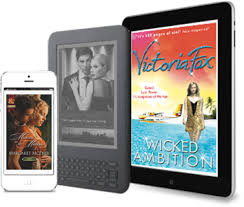
You’ve heard of subscription television; now prepare yourselves for subscription books – the ‘netflix for books’ is here to stay. 

What does this really mean though? 

How much brighter does this make the world for the reader and the writer ?

Is it effectively a modern day virtual library? Hardly.

Although Amazon were not the first to introduce subscription books, their release of Kindle Unlimited (KU) five months ago brought subscription books to a world wide market. At first glance the deal is enticing for readers. To be able to borrow ten books per month for £ 7.99/month sounds tempting.newcorn partII

However unless you are a exuberant bibliophile you will never read the ten books allowed and if one or two books per month is the norm, then you could find yourself paying more than you would if buying books themselves. With so many books available for exceptionally low prices the monthly direct debit could easily become more expensive.

It is not only readers who should beware and approach with caution; writers too are beginning to struggle under the Kindle Unlimited contract. 

Writers are paid a percentage amount according to the number of reads of their book. This comes from a monthly pool of money set aside by Amazon.  Already some writers have noticed a 40%-75% drop in their revenue.

Income has fallen further for writers as customers have started reading KU books instead of buying new ones. There is a real risk that buyers will read the more established authors, which might have cost more previously, instead of taking the chance on an unknown new author whose books were previously much cheaper but still cost on normal kindle or paperback.
imagesThis catastrophic decline in income has resulted in some writers withdrawing from the Kindle Unlimited programme and instead selling their books under the much more generous ebook terms. 

The extremely restrictive demand by Amazon for exclusivity on books on KU has further cut sales for authors as they have been unable to release their books on other platforms.

The top five big publishers are so far withholding most of their titles from Kindle Unlimited and therefore the choice on KU is rather limited for the reader as the top selling authors (which many people want to read) are not represented. 

Subscription books are still a force to be reckoned with as other platforms, such as scribd* or oyster, do exist and their terms are far more generous towards the writer and do not demand exclusivity. 

Finally let us not forget that faithful ‘old’ paperback and hardback books. Will their new found stability following the introduction of ebooks flounder under the onslaught of subscription ebooks? Will this become the next substantial obstacle for the publishers of hardcopy books?

Will KU see a fall in their subscription as writers flee from their terms and conditions? 

Will readers demand a better and bigger selection of books for their monthly fee? 

Will Amazon cave in to writers’ demands for similar contract terms as other subscription services and thereby tempt in the bigger-hitting authors to join them?

Do you have any experience of Kindle Unlimited? Either as a writer or as a reader? I would love to hear your comments and share your experiences. Only by doing so can we empower ourselves to make the best decisions as writers and readers.

“I find television very educating. Every time somebody turns on the set, I go into the other room and read a book.” 

Groucho Marx

The 17th Century Kindle

Book Open

It took a photo and a snippet of an article yesterday to reinforce to me the precious nature of the written word. In recent times the written word is fighting for our attention in so many forms; there are not many moments a day when we are free from the tidal wave of information, articles, stories, newsfeeds. Consider this then, the world’s first Kindle.

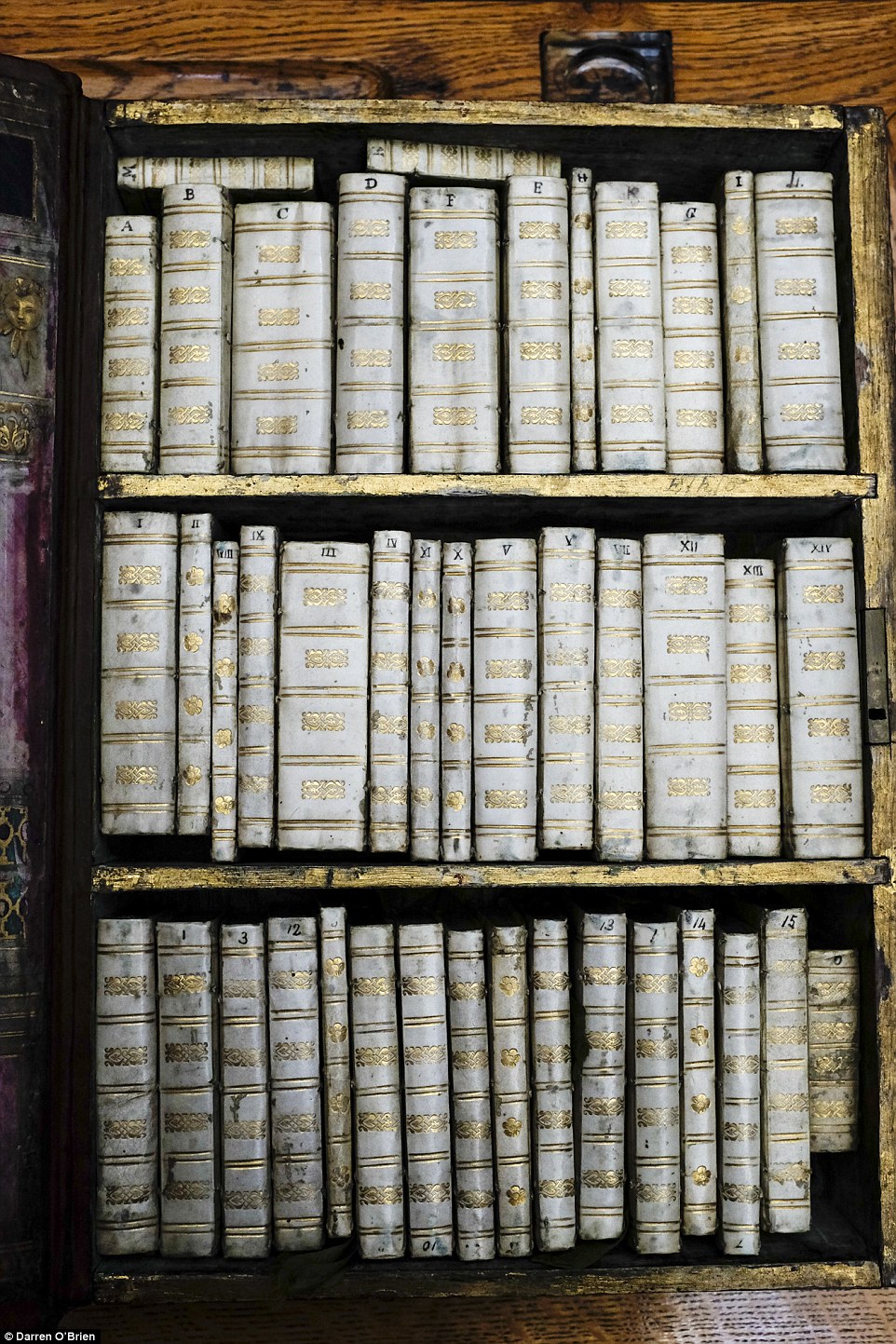
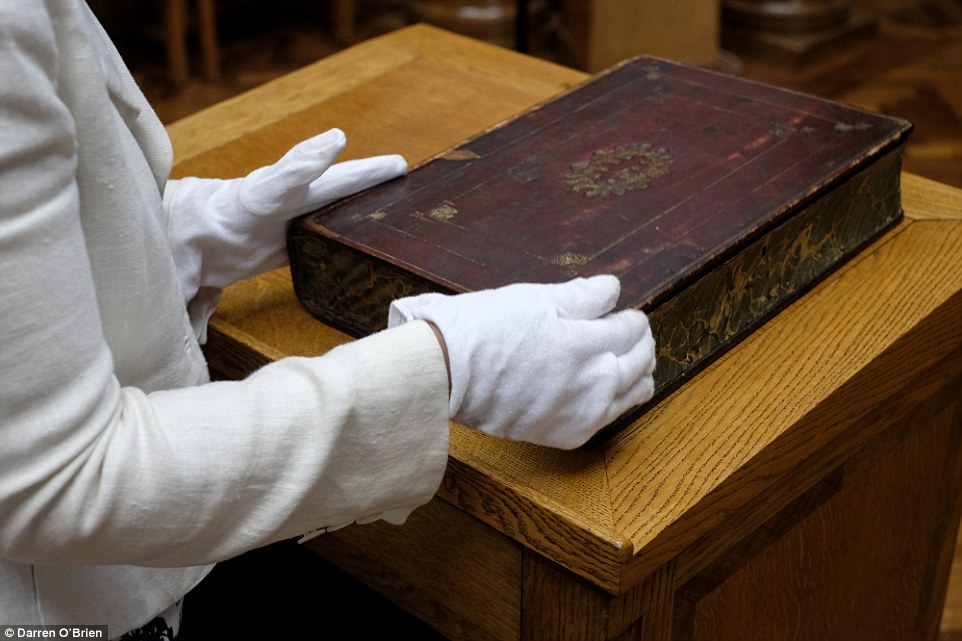
That is how the Jacobean travel-library has been described by the librarian at the University of Leeds. Created in 1617 the library of 50 miniature books are encased in a wooden box which itself resembles one large book. Once the box is opened three shelves are revealed, carrying books ranging from history, poetry and philosophy/theology.

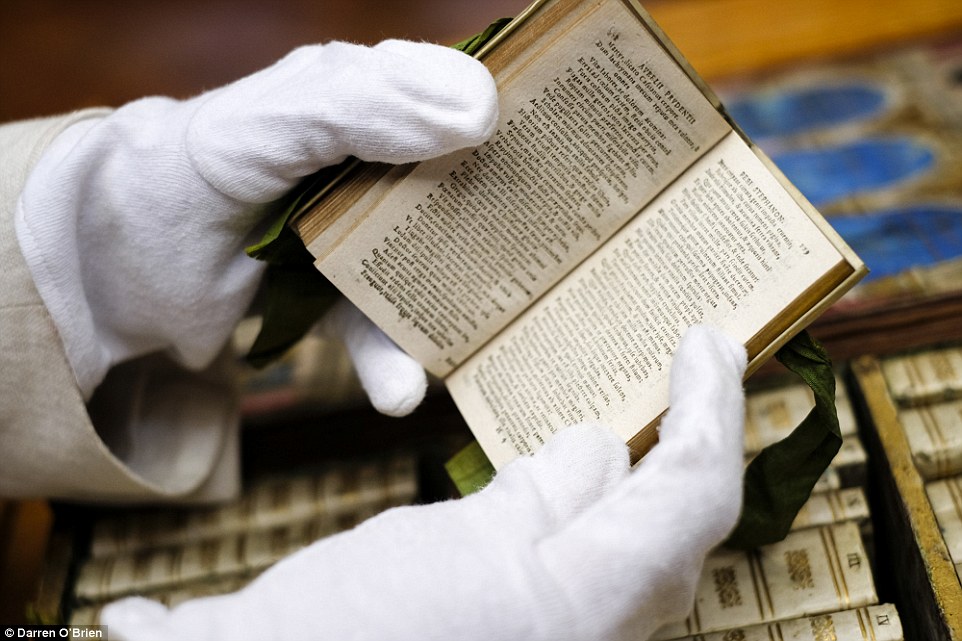
With each word typeset by hand, each page hand-printed and hung to dry individually, the precious nature of every single word is highlighted. Today it is cheap and easy to type a word, which leads to a sentence, which leads to a story. Then press print and the copy is in our hands. To have a book bound costs slightly more but the workmanship is not labour intensive.

These 50 miniature books are bound in soft vellum with fabric ties. Furthermore the spine of each book is gold-tooled with a wreath and flower and the covers of each are adorned with a gilt angel holding a scroll which engraved with the words ‘Gloria Deo’, meaning ‘Glory to God Alone’.

50 BooksBook Being Held

The folio-style box is bound in brown turkey leather and ornately decorated on the inner leaf with the catalogue written in gold on blue vellum set into three painted cathedral arches and columns.

This 17th Century travel-library was the only manner large amounts of literature could be transported on trips for the discerning Jacobean traveller.  Without disruption from tablets, computers, mobile phones the traveller could recline at leisure to read uninterrupted one of the books.

Big Book ClosedOne book open

The collection is a true rarity and as a University of Leeds graduate I am proud they have managed to acquire one of the four in existence. The acquisition was made possible by funding of £1.3 million from the Heritage Lottery Fund. The remaining three miniature libraries are held at the British Library, the Huntington Library California, and the Toledo Museum of Art Ohio.

The first collection was commissioned by the MP William Hakewill as a gift to a friend and within five years he asked for a further three collections to be made, which were then given to friends as presents.

Sources:

I read about the above in ‘L.Leeds’ Alumni Magazine. Issue 16. Winter 2014-2015. This article itself was previously covered in ‘Daily Mail’ and US ‘Slate’. The photographs were sourced from the ‘Daily Mail’ online.

There are two mistakes one can make along the road to truth… not going all the way, and not starting.
Buddha