‘Most collectors collect tangibles. As a quotation collector, I collect wisdom, life, invisible beauty, souls alive in ink.’ Terri Guillements
What is it about quotations that pull us in?
The snippets of sentences and the sharing of thoughts open a door to our humanity. Upon reading the words, our souls can take flight, lifted high by the wisdom and our hearts lightened. Quotations offer rays of hope in a world that is all too dark. They reflect ourselves, the people we want to be, and the world we long to create.
When it feels increasingly difficult to find direction, quotations nudge us back on track. They are a gentle reminder, an inspiring greeting to one’s inner self.
As the world rushes by they allow us to take a ‘beat’, a pause for that all-important re-set.
‘I pick my favourite quotations and store them in my mind as ready armour, offensive or defensive, amid the struggle of this turbulent existence.’ Robert Burns
In school we are flooded with quotations during literature studies, some still remembered to this day. At the time we often think of them merely as supportive evidence for a point, an argument we are making in an essay. Much later we realise how profound they were, etched on our minds still decades later.
Later in life, we come across quotations in books, magazines and yes, online. Blogging has clarified the important role of quotations in our lives.
‘Like your body your mind also gets tired so refresh it by wise sayings.’ Hazrat Ali
Every year I open a quotations folder and feed the empty pages which are greedy for the latest wisdom. A haphazard, eclectic source of sayings is gradually created, with quotes from the ancient Greek & Roman times to the present day.
It’s often said that home-made Christmas presents are the best and not being blessed with any needlecraft skills, every autumn I instead create a calendar for my mother. This is made from some of my favourite photos along with some special sayings. I cherish the joy it gives my mother, how every month she will message the new pictures and quotations; commenting upon them with her innate sense of wisdom and fun.
Next to the originator of a good sentence is the first quoter of it. Many will read the book before one thinks of quoting a passage. As soon as he has done this, that line will be quoted east and west.’ Ralph Waldo Emerson
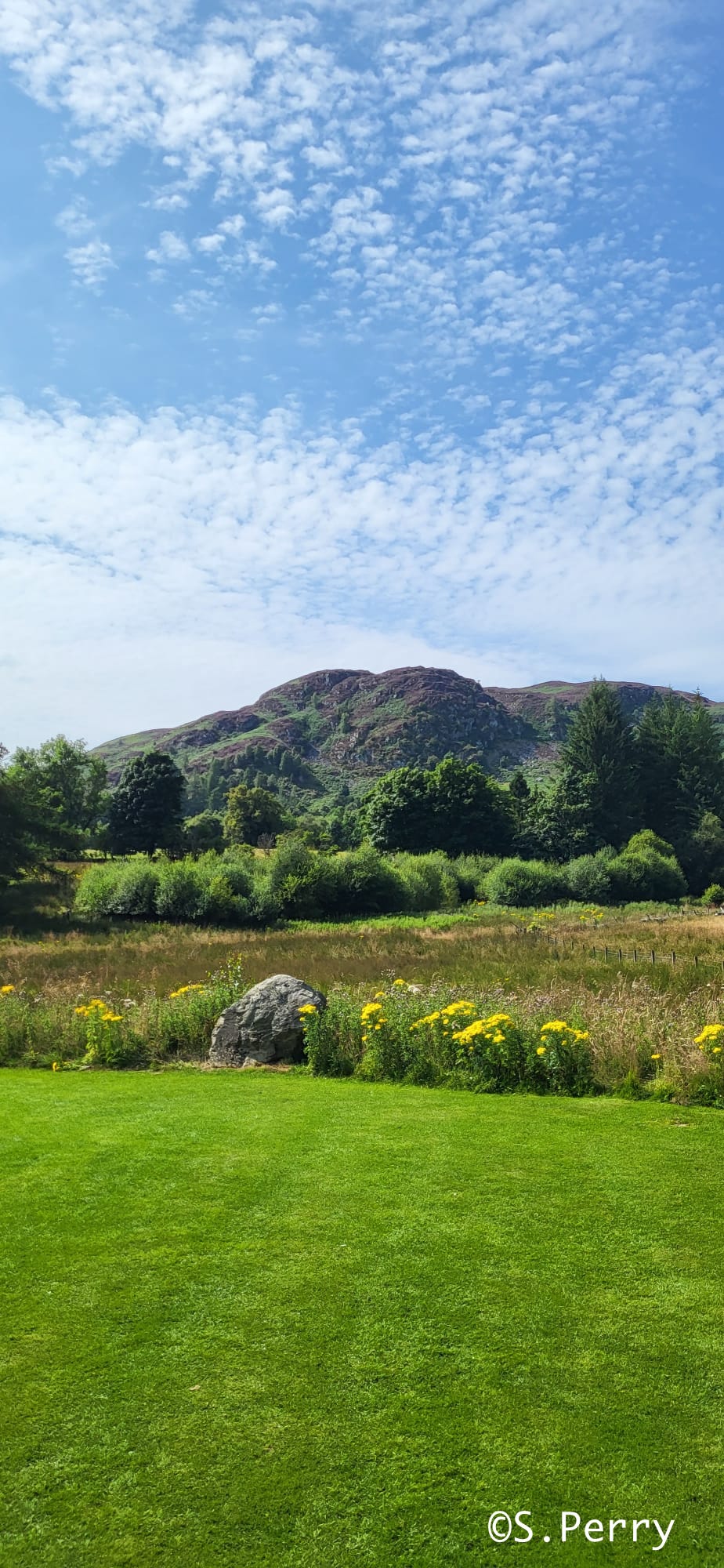
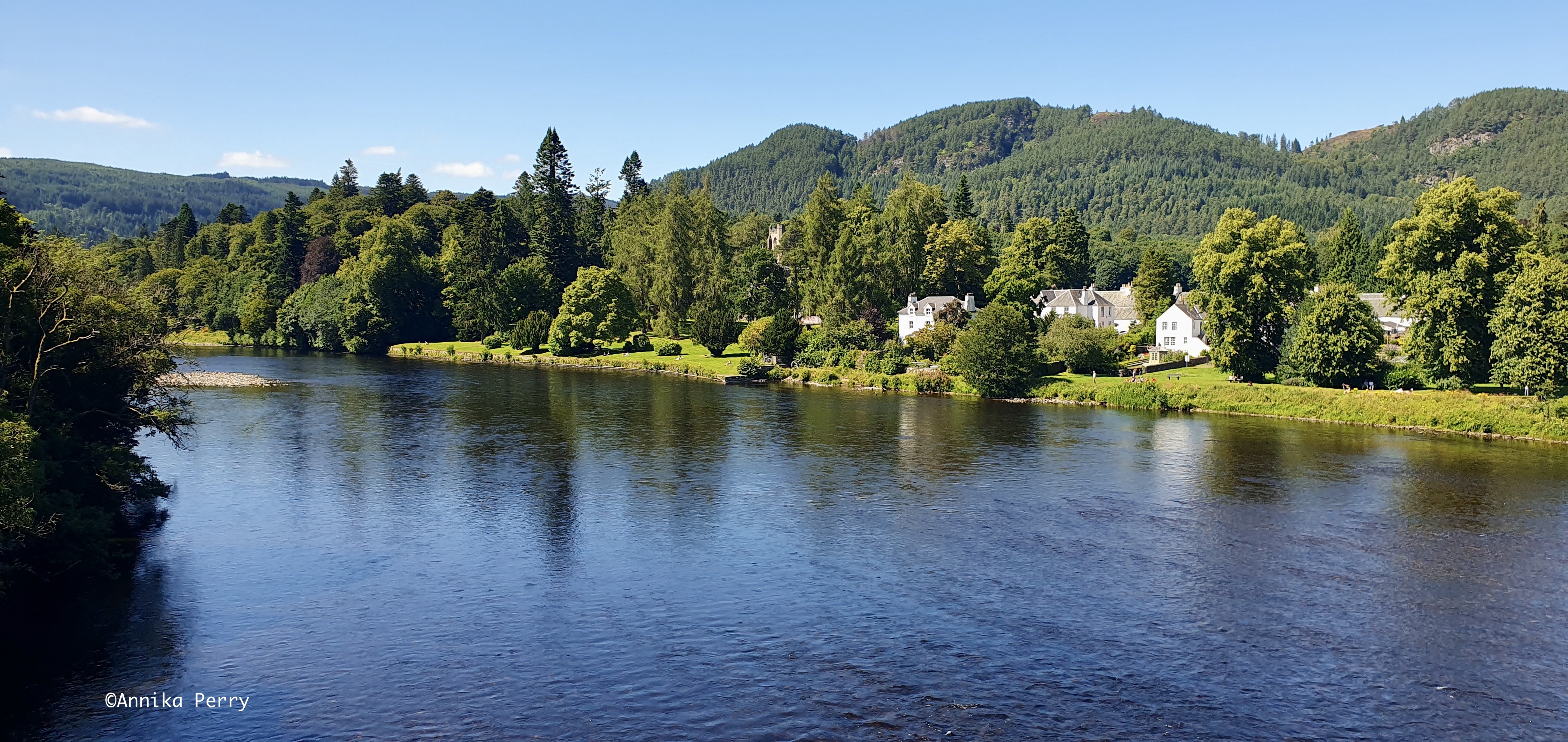
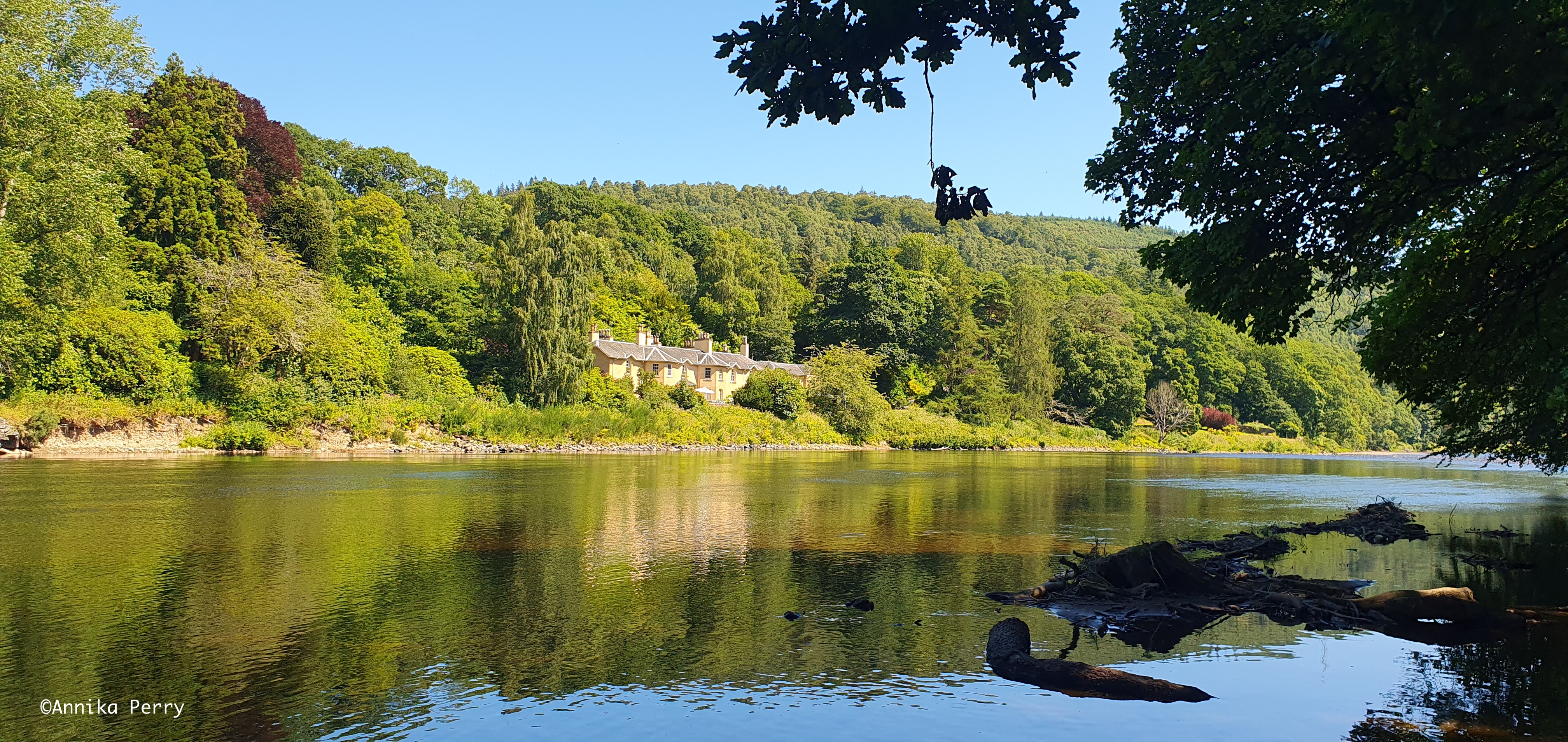
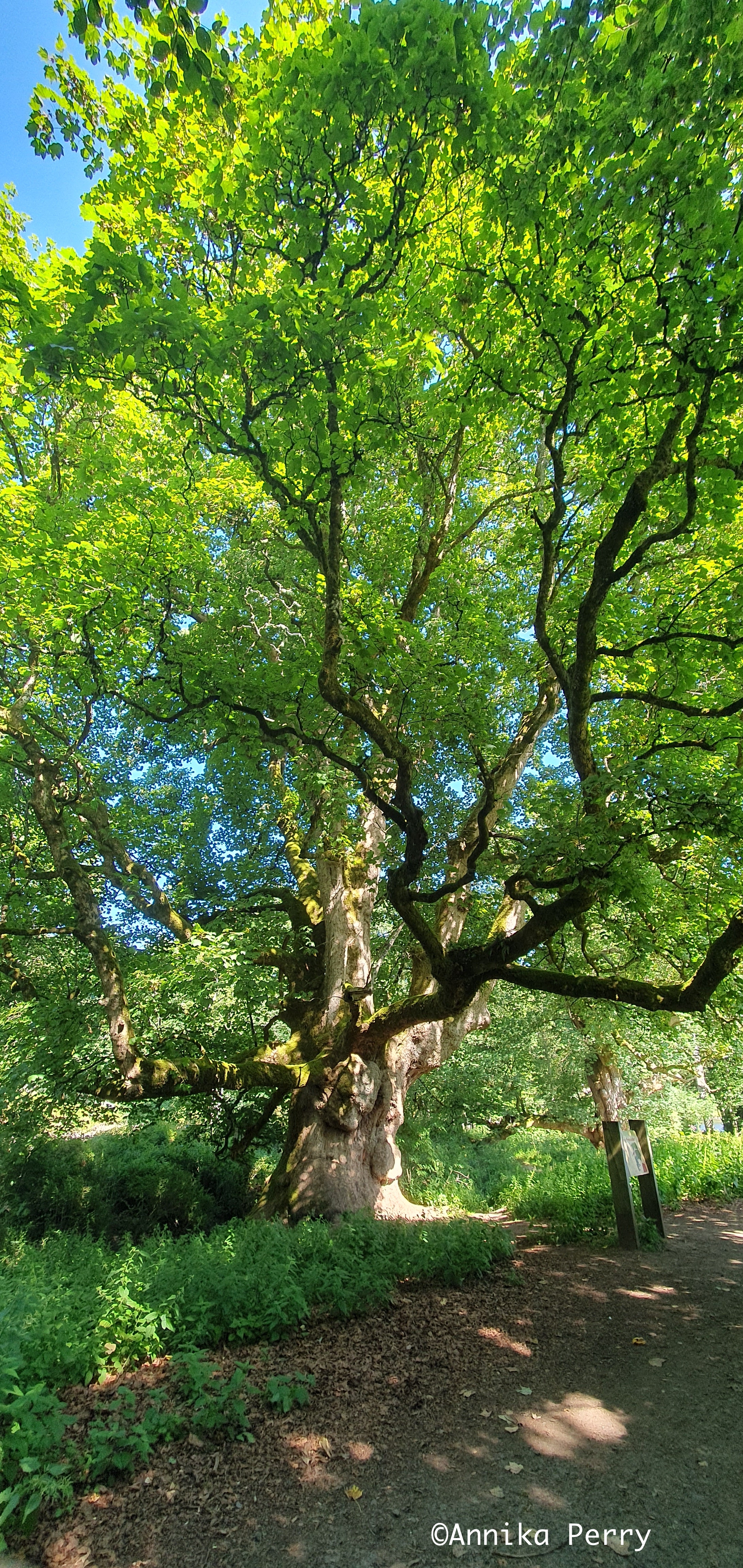
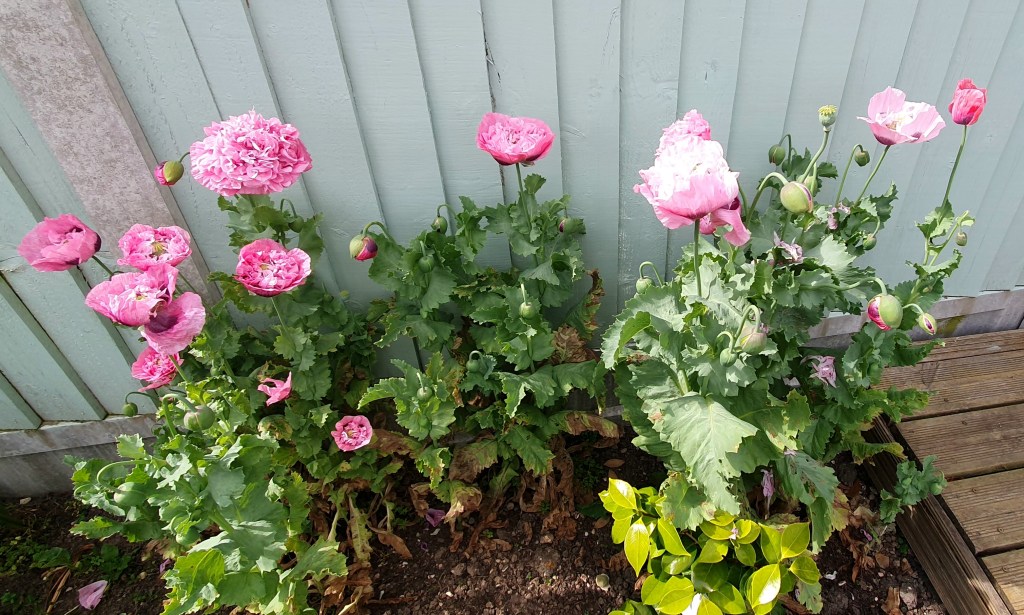
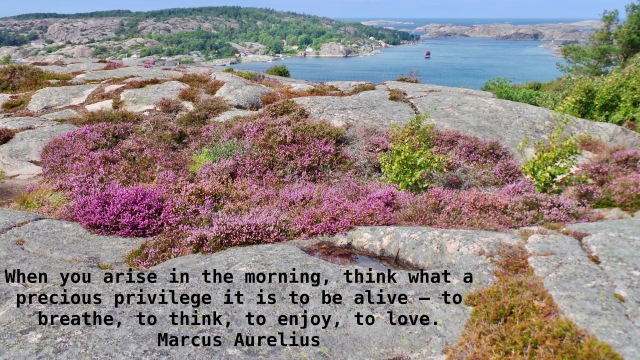
As I am away for a while in beautiful Sweden for a long sojourn, it is my joy to share some of these calendar images with you in my next three posts – I hope you find them enjoyable, rewarding and insightful!
Many of you know that during my stay away involves living amid the forest which although it has most mod-cons deliberately has no wifi. Hence my absence from blogging however I look forward to catching up upon my return. Comments are turned off for this post.
‘I have always imagined that Paradise will be a kind of library.’ Jorge Luis Borges
Yes, it’s under warranty, only two weeks old but how can I make a claim when it simply disappeared?!
Early 2018 the internet was flooded with posts and tweets about the latest jetpacks for those with means and a wicked sense of adventure. The adverts promised a ride like never before with an added mysterious non-specific dimension. I just had to have one.
I’d tried out some jetpacks at an airfield or two. At £2,000 a time the rides were a bargain yet I longed to possess one of my own.
One spring afternoon I found myself in the library with my father. This was my favourite room, all Elizabethan dark wood panelling, four walls of books, all tucked safely away behind glass doors. On one shelf I spotted my beloved and tatty Jane Austen penguin books — a most wonderful writer and I adored her books so much. So very much that one Christmas my parents surprised me with a first edition set of all her sixteen books dating from the start of the eighteenth century. They got it at a very reasonable price, I was told, at just under £200,000.
My father was on the window seat and looked up at me. Even before I said a word he spoke.
‘No, Katy. I told you last night, no way. It is just too much.’
‘Pa,’ I said. He loved it when I called him this and I repeated. ‘Pa, it is just a bit more than my yearly allowance and rumours are you lost this amount just last month. Ma called it pocket change, I heard!’
Admittedly £300,000 was way past pocket change for me even!
There was a hiccup of silence. Yes!
I had him; the famous hiccup tell — he never could work out why he was always losing at the tables.
Father reached over to me, his glittering card stretched to my eager fingers.
‘Take this and just promise me to be careful, bubbles.’
There it was, the reason I would always get what I wanted — bubbles! The nickname made me smile and groan in equal measure. My delight of bubble baths was infamous. The renowned photos of me as a childsurrounded by bubbles galore by the world famous photographer Georgias Kerragiannis collectors plastered on our walls … and those of many art galleries. How did he manage to turn such a simple idea into a colourific gaudy prints that took the world by storm? Over and over he merely changed one tiny detail at a time and the buyers kept paying ever more.
Bubbles it was and this bubbles always knew the key to her father’s heart.
My delivery from Amazon arrived promptly the next day; a bemused driver was struck with the image of a jetpack man flying over the mountains on the box. Not subtle and I’d be leaving one of my scathing reviews tomorrow.
Up in my room, I rushed to remove the packaging, sending it flying across the bedroom. I grabbed the jetpack and stepped to my balcony. This couldn’t be difficult, I told myself, convinced the two controllers would be similar to my games. After all, I was an ace at Minecraft and Sims!
The instruction booklet lay tossed on my Egyptian cream sheets, unopened at the front cover of a red brash warning of ‘read before you operate — ignore at your peril’. Blah! Generation X are so molly-coddled! As if I couldn’t fly a simple jetpack.
I stood on the balustrade and pushed the red button, with a shout I stepped off. I was flying! There followed a big dip and near mid-air tumble but I made it just above the manicured lawn below, narrowly missing the ballroom.
Another burst of power and I was up and away, heading straight to the stables about half a mile away. Skimming over the lake, my feet took a quick paddle, the giant puffy mouths of the koi popping up to try and nibble my toes.
Looking at my right controller I noticed a dial by the thumb. I’d never seen this on my previous jetpack rides. I reached over with my left hand and turned it.
Suddenly the usual quiet of the landscape and stables turned to a maelstrom of people and horses, the shouts, chatter and neighing reaching crescendo levels, each trying to outdo the other above the din and clatter of the horse drawn-carriages on the cobblestones. The men wore the strangest costumes; tall black top hats and colourful ornate suits. What was the cause of this hub of activity? Had a film company unit hired it? It looked a set fit to film the next big Jane Austen blockbuster.
I was drifting down and right underneath me a man, my age, early 20s, looked up with a startled expression. He promptly turned white and fell backwards as I stepped into a neat landing next to him.
Suddenly he woke up and grabbed my arm.
‘What are you? A flying ghost?’
‘Don’t be ridiculous,’ I replied. ‘I’m Katy and you are …’
I left the pregnant pause, waiting for an answer as to his identity. His face was set in a priceless expression of utter bewilderment in the silence.
‘What is your name?’ I asked clearly.
This time he understood, stood up quickly, wiping his hands on his trousers before reaching out.
‘Darcy at your service, ma’am!’
I laughed out loud. As if! Who had put on this elaborate joke for me? My very own Darcy, even if dressed in worker garb in rough white shirt, leather brown vest and dainty long black socks and shoes with a buckle. A small black hat flopped over his head. Of course, my Darcy would turn out to be a stable hand but his manners were to be applauded.
‘Pleased to meet you, Miss Katy. From whence do you hail?’ He stopped abruptly and realised his question. His hands waved vaguely in the direction of the air, which is in fact where I arrived from and in the process his hands, trying to reach for my arm, touched the dial instead.
That was two weeks ago and since then Darcy has enjoyed his sudden introduction to the end of the twenty-first century once he recovered from his many fainting fits. I had immediately grasped the ‘other’ dimension of the new jetpack — time travel!
How could I not fall for my own Darcy, the genuine article from 1797, so he proclaimed.
There was one small issue; Darcy longed to return home for just a while. He just wouldn’t listen, after all, he was home, here at Streaton Manor with me, just a couple of centuries out. Why was he making all this fuss?
Darcy hadn’t declared his love for me yet; that would come, I was sure. But I just couldn’t take the chance though, could I? These past days he was always on about my flying jacket, wanting to borrow it. How could I risk this most amazing change in my life? Pa already approved of Darcy although Ma muttered he was rather too dishy. For whom, I wondered?
I couldn’t risk it! I just couldn’t. This way was better for us both. A new start.
Standing from behind the jetpack, I reached over and touched the dial before stepping backwards just as the jetpack disappeared.
Whoosh! Not quite the sound rather more of a pfft but the mesmerising disappearance warranted a fanfare, I thought.
Gasping, I laughed and laughed! I’d done it! Sent the jetpack back in time and Darcy and I would be united forever. All I need was some cash for our new life— £300,000 should do it.
Now, where did I put the warranty for the notorious defective disappearing jetpack?
The winter sun streams through her mother’s living room windows, the diffused light shining golden upon the January daffodils, a reflection of inner warmth below the star, the Christmas beacon’s final moments for the year, a click and its glow vanishes but not its significance; the yearly ritual practiced with precision and love, actions set deep within her mother’s being, the red star box battered by the years, one side telling its story through the varying coloured sellotape, her children’s eager hands to set up the Christmas Star all those years, a squelch of a step upon the cardboard, the squeal of sadness, now here the brown packing tape and scissors lay prepared for this year’s enshrining, a clean cloth ready to swaddle the bulbs, a bag to encompass the precious ornament, a Christmas light that witnessed her grandson’s first word ‘tar’, a star of light and hope, there it goes, eased from its resting place on the hook, over the curtain railing, lowered with solemnity to the table, the Christmas cloth adorning the surface, the brightness regaling the room, advent candles sparkling in the vast wall mirror, the cascade of light brightening the task at hand, the satisfying pull of tape, the snap of scissors and a brown strip is affixed with consideration upon the red box, just so, there and here, what about another on this side, finally they sit back and admire the handicraft, pause to absorb the memories, the love across generations.
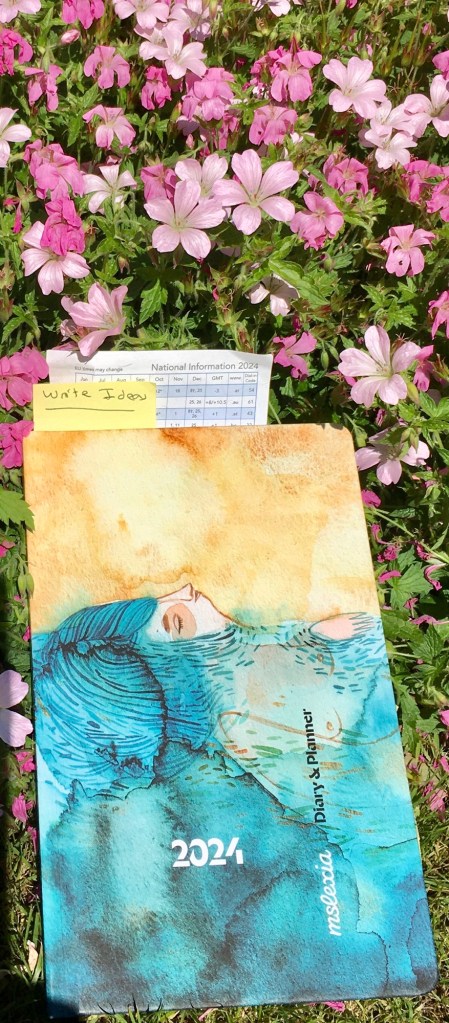
The format of the above piece was inspired by a flash fiction winning entry in Mslexia magazine which was written in its entirety of 250 words in one single sentence.
The above story celebrates some of the 80 books I read in 2023 and it’s fun to create a short narrative featuring a few of the titles. The book titles included are in the list below.
Norwegian Wood by Haruki Murakami
My Evil Mother by Margaret Atwood
House Rules by Jodi Picoult
At The Seaside Nobody Hears You Scream by Janet Gogerty
The Shadows We Breathe by Sarah Brentyn
A Winding Road by Miriam Hurdle
Happy Place by Emily Henry
The Sheltering by Khaya Ronkainen
Life is Like a Bowl of Cherries by Sally Cronin
The Lilac Notebook by Carol Notebook
The Lost Bookshop by Evie Woods
The Lies We Told by Diana Chamberlain
A Terrible Kindness by Jo Browning Wroe
More than Coffee by Lauren Scott
The Vanishing of Margaret Small by Neil Alexander
In Someone Else’s Shoes by Jojo Moyes
Where The Story Starts by Imogen Clark
The Family Tree by Sairish Hussain
In The Five Years by Rebecca Serle
There is Light the Never Goes out by David M Barnett
This Beautiful Life by Katie Marsh
Below are images of all the books I’ve had the joy of reading last year! I just made it over the finishing line of the Goodreads Reading Challenge in 2023 and this year I am reducing my sights to 52 books!
Wishing you all a New Year blessed with good health, happiness and light – may 2024 be filled with creativity!
Sadly cancer is a disease that touches nearly all of us. Either by being personally afflicted or knowing family and friends with the illness or even worse, losing or tragically lost their lives to it.
It was during a planned operation that Miriam Hurdle’s cancer was discovered by chance, and just in time to possibly give her some chance of survival. In The Winding Road: A Journey of Survival Miriam Hurdle chronicles her battle with a particularly aggressive and dangerous form of cancer, melanoma on the inner organs. Specialists doctors were consulted and a gruelling ‘treatment’ plan was drawn up, and yet her chance of survival was slim – 10-20%.
Although one might expect a book about cancer to be grim, Miriam Hurdle’s is anything but this. There are two streams of narrative throughout the book and both are perfectly interwoven.
The factual details of her life before, during and after the cancer is full of clarity, as well as being exceedingly informative and explanatory. Interspersed are sections in italic which capture her thoughts, emotions and above all her love for her family and friends.
This enduring love for her husband and her daughter as well as the loving care from her friends is paramount and one feels that they helped boost this courageous woman through some of the toughest imaginable treatments. I imagine she lost count of the loving emails and cards she received as well as the meals cooked and delivered with such thought and kindness.
Although I am not a person with outspoken faith I can understand how Faith gave much support and comfort to the author, particularly during the challenging year of treatment; one feels it almost carried her through.
Throughout the writing is fluid and an extra sense of immediacy is achieved by the use of direct speech; the ones between Miriam and her daughter, Mercy, are incredibly emotive.
I am in awe of Miriam’s strength and perseverance during her cancer battle but also in her courage to revisit the year by writing this book. Her title could not be more apt as it was indeed a long and at times torturous ‘winding road’.
I highly recommend this moving, powerful and inspirational book to all interested in both personal cancer experiences as well as to those wishing to clearly understand what cancer patients are going through or perhaps, sadly if one is personally struggling with the disease.
Miriam Hurdle’s memoir about her cancer ordeal, The Winding Road: A Journey of Survival is one-year-old today July 30th. For two days from Sunday, 12:00 am, July 30 to Monday, 11:59 pm, July 31, 2023, the book will be available for free on Amazon.
ABOUT MIRIAM HURDLE
Miriam Hurdle is a member of the Society of Children’s Book Writers and Illustrators (SCBWI). She published four children’s books at twenty-six years old. Her poetry collection received the Solo “Medalist Winner” for the New Apple Summer eBook Award and achieved bestseller status on Amazon. Miriam writes poetry, short stories, memoir, and children’s books. She earned a Doctor of Education from the University of La Verne in California. After two years of rehabilitation counseling, fifteen years of public-school teaching and ten years in school district administration, she retired and enjoys life with her husband in southern California, and the visits to her daughter, son-in-law, and granddaughters in Oregon. When not writing, she engages in blogging, gardening, photography, and traveling.
Please connect further with Miriam Hurdle on the following links:
Beneath God’s arches resides the travelling table, Its glistening onyx boards a contradiction.
After all, it should not be here, how is it possible after its 5000-year journey?
One fair day as the Stone Age drew to a close an acorn took root amongst the giant oak forests in the East Anglian Fenlands.
As the moon cast its ethereal light upon the monumental 60-metre trees the sapling flourished.
It joined the canopies of the other oaks Shrouding the people beneath Protecting, becoming part of their landscape.
This, the Jubilee Oak, was indestructible. Until the world altered. Until the sea levels rose. Roots loosened, it crashed To its airless grave.
Untouched for five millennia Resting in the pitch black of peat A preserver. Untouched until the 21st Century, When at last Unearthed!
Fourteen metres of black oak released from its shroud of earth Fourteen metres of jet-black oak trunk Survived, intact.
The magical fusion of the ground’s iron and the tree’s tannins creating the black in the oak ensuring this holy grail of wood.
Experts consulted, advised and directed, a sawmill from Canada flew to help To saw on site Ten perfect consecutive boards.
With the craft of carpentry the combination of skill and passion the unity of artistry and knowledge ALL paid HOMAGE to the beloved Oak Tree
A table designed, boards planed and dried. The Table for the Nation completed.
In majesty, it resides beneath God’s arches.
Now it is time to pay OUR respects.
In reverential silence, visitors gaze upon the table, making a pilgrimage along its length Then back up on the other side.
Fingers caressing the boards, eyes admiring the sheen of darkness. A play of light and dark, An incongruous anomaly in reality.
Now and then people bend down, Admiring the copper sheath below, Then up they appear, once again walking along tracing the winding mysterious curves of the boards
Sweeping curves mirroring the expansive Fenland Landscape, as sweeping as the sea that failed to devour it.
Note: The above post was inspired by a visit to view the Jubilee Oak tree while it was in residency at Ely Cathedral, Cambridgeshire, UK. (It is currently at Rochester Cathedral, Kent.) The table was unveiled in honour of HM Queen Elizabeth II in 2022, the year of the Platinum Jubilee and hence its name.
The ancient oak trees grew to a height of 60 metres (197 feet) and dwarf oaks of today whose average height is about 20 metres (65 feet).
Read more about The Fenland Black Oak Project here.
He didn’t know if he had a name. The very concept of names did not exist. Rather a memory fluttered at the edges of his emotions, the fuzziness of fun, a memory of rolling on the ground, play fighting with the other brown bear cubs. Overall an undefinable affection for others existed within this bear.
Then two years of isolation had wrapped itself around him like a winter duvet and through it Bruno (let you and I give him a name!) revelled in each and every season.
Through the colourful Spring, flowers erupted with dazzling displays and wildlife awoke around him. In Summer Bruno feasted on berries and odd morsels of elk meat however the midges became as bothersome as a thorn in his pad and the heat baked his fur. He sought shelter under the towers of spruce, a humming retreat of whispering shade and cooling plush moss. Autumn felt like the twilight of his life, a brightness remained yet the welcome bite of cold taunted his senses. Winter was Bruno’s favourite season, a time to strike out across the snow, sinking into it with a slightly satisfying scrunch, a caress.
Yet this second winter a loneliness gathered upon him just as the snow rested upon the fir tree branches, layer upon layer of inexplicable malaise.
The wolf, shall we say, Lobo, had been tracking Bruno for days. Rather ineptly Bruno felt, the wolf’s scent drifting across the landscape, his noisy traverse audible for all able to hear subsonically.
There he was across the frozen lake, a dusting of snow upon the icy tundra. Bruno stood still in the safety of the trees before stepping cautiously forward. Lobo mirrored Bruno’s stillness across the lake, and then he suddenly appeared from the camouflage of the dark trucks. Halfway across they were nearly nose to nose; Bruno and Lobo paused.
Bizarrely Lobo lowered his head into a subservient pose in front of the bear and meekly he inched forward to Bruno, his neck twisting away and with one final step rested his head upon Bruno’s neck and buried it into his thick brown pelt. Bruno reciprocated by bending his head forward and together the two wild beasts hugged in camaraderie.
The unique moment captured in a photo, their unity and togetherness preserved beyond the few seconds.
In a perfect synchronistic motion, they pulled away, as if on a general’s command to part ways, each stepping back a few steps, the longing yawning aching arch of friendship collapsing into the opening chasm. With a barely discernible nod between them, the bear and wolf returned to their lonely existence deep in the forest.
What better way to dispel the gloom and weariness of a long winter than visiting a 900-year-old outstanding Norman castle and its beautiful idyllic grounds on a sunny Sunday in February!?
The imposing Hedingham Castle is visible from miles around, towering above the quaint village, the stone stark edifice both daunting and majestic.
Following the Norman invasion of England, the majority of the Anglo-Saxon lands were taken over. The lands of Hedingham, North-East Essex, England were given to Aubrey de Vere I by William the Conqueror in 1080 in recognition of the knight’s fierce valour and loyalty. The family were zealous crusaders! The original castle was built of timber in the traditional motte and bailey style however Aubrey de Vere II ordered this to be torn down. It was replaced in 1140 by the building of the remarkable Norman castle and as the family were extremely rich they could afford to face the whole building in stone which was unusual for the time! As one of the great Norman castles Hedingham Castle hosted many royal visitors including Henry VII, Henry VIII and Queen Elizabeth I (probably en route to Gosfield Hall, read more on my post here)!
The de Vere family became powerful and influential members of the royal court, many of its ancestors holding important positions within the royal circle, including that of Lord Chamberlain to the monarch. Furthermore, they provided vital military force in their own right and became ennobled when granted the title Earl of Oxford.
Hedingham Castle, a key military stronghold, is built on a hill which gave it an excellent defensive position. A deep moat runs around the castle and in Norman times the area would have been kept clear to ensure visibility of approaching enemies from miles away. As its defensive significance waned in the eighteenth-century trees were planted to create soft woodland witnessed today on the long moat banks carpeted by snowdrops in February and these are still popular in the 2020s.
The original point of entry onto the castle grounds would have been a wooden drawbridge however this was replaced in 1496 with a Tudor bridge. On the grounds just outside this brick bridge a new owner of the castle, Sir William Ashhurst (a banker and politician) ordered the building of the Queen Anne House in 1719 and this still exists and it overlooks the lakes and landscaped gardens. The house replaced the 1498 buildings which included barns, stalls, granaries and storehouses.
The large green expanse surrounding the castle is known as the tilting lawn and here the knights would practice their fighting skills as well as hold regular jousting events. Also, archery and other battle skills were honed and displayed here. Nowadays, throughout the summer, there are mock traditional jousting festivals replicating the activities of the medieval knights – the power of the horses and the ability of the ‘knights’ are truly awe-inspiring.
In the seventeenth century, the castle became superfluous as a defensive building and it was quickly falling into a state of disrepair. As a result in 1600 the 17th Earl of Oxford demanded that the majority of the castle be pulled down and what is left today is the main keep. This keep is one of the most impressive keeps in the country; another famous one is at the Tower of London.
The keep is neck-achingly high and standing below it one can barely see the top 37 metres / 110 feet above. The walls are incredibly thick and strong at nearly 4 metres / 12 feet wide. This was a castle and keep built to keep the enemy out and its nobles, knights and families safe!
On the lowest level of the castle were the dungeon and storage. A stone staircase from outside leads onto the ground floor of the castle and here, on the garrison floor, the soldiers would have been sequestered. The small slits of windows surrounding the room let in just enough light and were wide enough for archers to shoot out at approaching enemies but small enough to make sure that no missiles entered the keep.
A garderobe (primitive toilet) is housed in one corner of the garrison floor, and is mostly a seat with a long open drop to the outside!
The beautiful mysterious staircase runs within the walls up to the other levels of the keep. The original stone steps were replaced by brick in the fifteenth century and the next floor leads to the stunning banqueting hall.
The hall is one of the finest domestic interiors still fully intact. It is a splendid room and towering across its length is an awe-inspiring breathtaking arch. The arch is the largest existing Norman one in England at 8.5 metres / 28 feet wide and 6 metres /20 feet high. The room would have been the headquarters for the Earl of Oxford; here the Earl lived with his family and from here the castle and estate were administered. The walls would have been covered by rich tapestries and rugs. The vast space would have been kept warm by the giant fireplace with its distinctive elaborate double chevron patterns renowned in Norman times – carvings seen throughout the castle.
Compared to the rich and luxurious carvings and wall hangings, the furniture would have been simple, with trestle tables, benches and wooden chests while rushes covered the floor.
Medieval helmets!Goose or swan feathered quill in ink pot.
The diet of the time was based heavily on game such as deer and pheasant while the diners were entertained from the minstrel’s gallery above.
The ever-narrowing inner staircase leads to the minstrel’s gallery, a haunting corridor tunnelled inside the thick castle walls and running all around the banqueting hall. From here the travelling musicians, jesters and magicians would perform their craft, clearly visible from below.
The Minstrel’s Gallery
A typical medieval banquet menu!A explanation of Medieval Money!
The top level of the keep was the dormitory section of the castle and more simplistic in its decor and layout.
It is time to exit through the magnificent double chevron-carved arched double doors of the castle. These doors date from the 1870s and were originally from the Blue Boar, a local pub in the village.
The main double-door entrance onto the tilting lawn
After a memorable morning of exploration, one becomes fully immersed in the incredible history of Hedingham Castle. A castle which was twice successfully besieged for short periods, once by King John in 1216 and a year later by the future King Louis XV11. A castle whose owner, Edward de Vere, 17th Earl of Oxford, is strongly rumoured to be the true writer of Shakespeare’s work (if interested read more here). A castle filled with the aura of its extraordinary past.
The dovecote which was built 1720
Stepping out into the sunshine was that the sound of battle? The voices of medieval folk on the tilting lawns? With a head full of facts and figures, with imagination over-heating on stories from the past, a refreshing stroll of the grounds beckoned. A time to stop and admire the snowdrops, the beautiful gardens and the lakes. Near one lake stands a dovecote from 1720 whose 460 nest boxes supplied meat and eggs for the family.
A sense of scale to the castle – I’m waving hello!A breather after a fun time stepping back 900 years!
The twentieth century saw Hedingham Castle fall back into the fold of the de Vere family. Its new owners, the Lindsays, are part of the famous family through inheritance. Through their hard work, the castle and its grounds are once again part of the community through its open days of jousting, car shows and open-air theatre as well as being a popular place for school educational visits. Furthermore, it is a unique and memorable location for weddings!
It’s that time of year again! To reflect on the previous twelve months and especially in terms of books!
One blogger in particular sums up her reading with a creative and unique approach; namely, a short story using some of the titles of the books she’s read the year before. (You can read her wonderful short story A Walk in the Wood, Book by Book on her blog ROUGHWIGHTING) Many thanks, Pam for inspiring me to write the story below which features the titles of my top twenty of the eighty books I read in 2022.
Enjoy and see how many titles you can spot! A full list is at the end of the story.
MISPLACED DREAMS
On the island of missing trees, the grief songs resonated in the absence of the light through the leaves. Songs which spun through the air in the secret language of lost dreams; when the world of sleep took on a life of its own across the four winds of the continents and set forth into the wilderness seeking their beloved recipients.
Abigail considered herself to be one of many perfectly ordinary people until the day she joined the puzzle women. Here she realised she was uniquely placed to help others, to reconcile dreams with their owners. Many claimed she lived in cloud cuckoo land however she knew in her heart she must try and in the process find the dreams waiting for her.
It was impossible to forget the day she met him. There were so many funny things about Norman Foreman after all; a congenial chap with a triangular beard bustling down his chest, the white a comfortable padding upon his generous stomach.
“Here’s the reading list, to get you started,” he’d uttered as they sat on the bench that first meeting. The ducks waddled by the river, ignoring the bread thrown to them.
Abigail had taken the list and in that second of handover it quadruped in size and she almost lost it in the sudden gust of wind.
“I’ll do it,” she nervously promised this unusual man.
On the way home the girl at the back of the bus tried to peer over her shoulder, gasping at the impossible dreams on one side of the page, the never-ending list of names on the other. She might very well gasp in wonder, Abigail thought. She too was flummoxed. How was it possible to unite the two?
“I wish you were here,” Abigail muttered to herself in the evenings, resting in the favourite well-worn armchair, the armrests sunk in the middle disconsolately. Any energy on their part to remain puffed up long since abandoned following the passing of its regular occupant, her dear William. It was nearly fourteen years ago but still she talked to him every day.
“I’m coming home,” she reassured him. “I’m coming home.”
“Never forget the forty rules of love, my darling,” he used to remind her every morning as Radio 3 and its classical music played softly. They’d written their own rules for fun on a napkin in the local Italian restaurant on their second date. The day had forever changed their lives, love bound them into infinity.
The writing was now faded, the white of the tissue a dour brown yet certain words were legible. She’d framed it as a 20th wedding anniversary present. William died ten months later.
The napkin had become an ideal ornament of remembrance at the place of their first outing as an engaged couple. The unique museum of ordinary people struck a chord with them both and they were touched by how everyday objects of deceased loved ones were displayed with tenderness and thoughtfulness. The everyday items in the museum ensuring that the extraordinary of every life lived on. Her precious napkin was now an exhibit of its own.
Oh, how she missed her treasured hubby, how she ached to see him again and every morning the way home gets longer and longer, she thought wistfully. The way home to seeing him again seemed insurmountable.
Grief, the absolute abyss of sorrow swallowed her up, her vocal chords unused to speaking, she’d become a dictionary of lost words. Until the day she discovered the mad, insane yet incredible project.
She’d help everyone she could to be reunited with their dreams and perhaps one of the others would find hers. In the process she would find herself again and the refrain of ‘the rest of me, the rest of me’ rang in her mind.
She’d wandered alone for so long!
Years after their first talk she met Norman again and he made her the new leader of the puzzle women. To the backdrop of the murmur of bees in Glenn Gardens Abigail finally declared her longing to Norman – to dream of William every night for the rest of her life. To be reunited with him for eternity in the living and dead.
“It is quite possible,” he’d confirmed as he chewed the remains of the beef sandwich, the crumbs trailing down the white-bearded mass.
One night months later she turned off the Mozart CD that she’d been listening to whilst working away. Mozart! One of William’s favourites and how they had dreamed of going to Vienna. It was not to be.
Abigail put the massive sheaf of papers aside and stepped away from her overflowing desk. The buzzing of the computer faded with one last sighing whine and became silent. The house was quiet. Perfectly still.
Sleep, once again, Abigail fell into her dreamless sleep, the darkness overwhelming until the silence was broken by music from the secret piano. Overwhelmed she listened in bliss before William stepped forth from the piano and bowed to her. At last, her wish had been granted and they were finally reunited!
As I mentioned every New Year is a treat for all book lovers here on WordPress as the community shares some of their best reads from the previous year. Here are just a few posts I have come across. Please let me know if you have written a post featuring your books of 2022 or have enjoyed some other ones!