
A world without words is a terrifying thought. They are the very essence of our being and no part of our existence is untouched by words.
Yet we are complacent with this precious gift and like the thousands of animals that silently, almost unnoticed, fall into extinction, so to do our words.
A recent research project by Dr Selin Kesebir at London Business School has discovered that an incalculable number of our words in the English Language are quickly disappearing and many of these are associated with our natural environment. These words were robustly used and alive until the 1950s but have since dwindled in usage until their presence in society is a mere backdrop, often known only to academic staff.
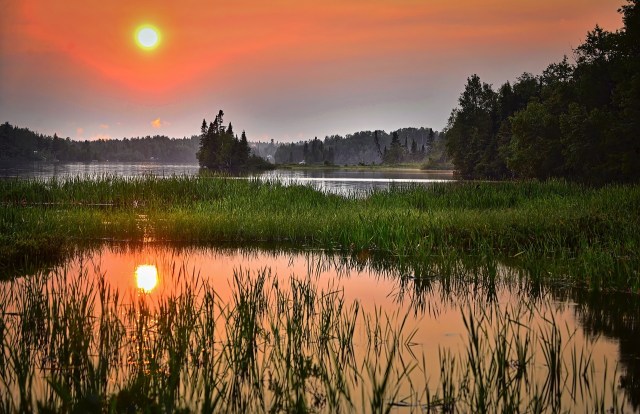
Poetry is found within the words themselves, their sounds a sensory delight, almost tactile and a joy to pronounce (or attempt!). The highly evocative ‘Landskein’ describes the weave of horizon lines on a hazy day – where one word takes the place of the clumsy formation of nine!
Equally rich and expressive is ‘roarie-bummlers’, a Scottish playful-sounding word describing the swift-moving storm clouds.
Whilst school children become more attuned to the digital world and where nearly 80% can name Pokemon characters as opposed to only 50% who can name pictures of wildlife, the hope is that this same expansive digital network can come to the rescue of the vanishing words.
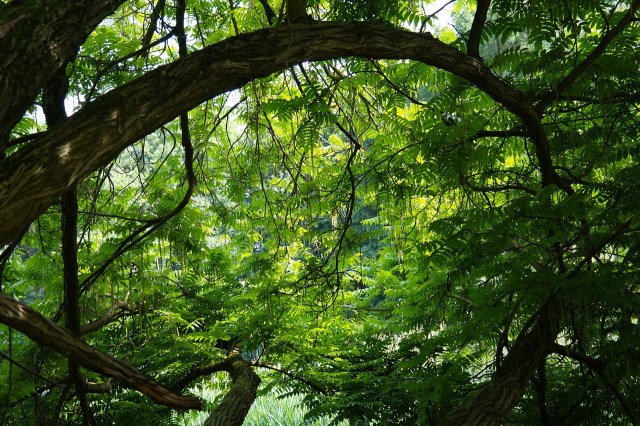
Through the use of social media there is an aspiration that words such as ‘shivelight’, which means lances of light cast through woodland canopy, will enter our everyday language. In one experiment a tweet sent by Dr MacFarlane at the University of Cambridge about the Anglo-Saxon heritage of the word ‘Holloway’ for a sunken lane worn into the landscape by generations of travellers received 20,000 retweets and likes.
Other words highlighted in the research include the following:
‘Owl-light’ Twilight
‘Petrichor’ Smell of dry earth and rock that comes before and during rainfall
‘Glashtroch’ Incessant rain
‘Gludder’ Fleeting sunshine between showers
‘Neptunes-uouue’ Sea mist
‘Smeuse’ Sussex dialect for a hole in the hedge left by the repeated passage of a small animal
‘Stravaig’ Scots and Irish word for wander aimlessly
‘Nurdle’ East Anglian dialect for wander aimlessly
One area where there is an exception to the decline of words is weather-related vocabulary, which is as popular as ever and no doubt shows the predisposition in the UK to talk endlessly about the weather…of yesterday, today, tomorrow!
However, the decline of words surrounding nature are of concern ‘not only because they imply foregone physical and psychological benefits from engagement with nature, but also because cultural products are agents of socialisation that can evoke curiosity, respect, and concern for the natural world.’*
The onus on us is to save our rich heritage which is part of us all!
* Selin Kesebir
Photos courtesy of Pixaby
Sources include The Times & BBC Today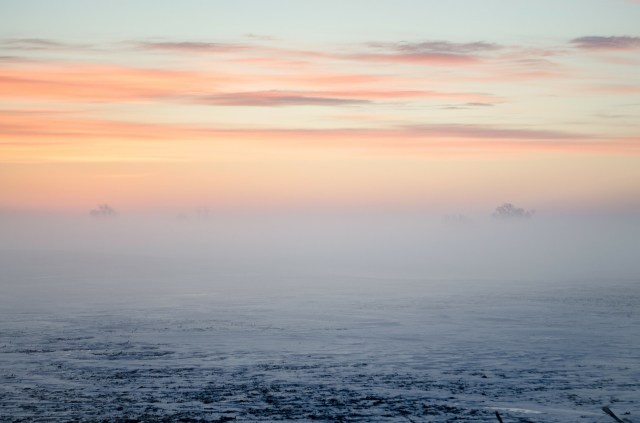
 Annika Perry