It started with an email. As a subscriber to the local garden centre’s newsletter they kindly offered me a tray of wildflowers. A sucker for anything floral and even better if free I was eager to acquire some. There was only one problem — I was in Sweden and the offer expired before my return. With a big sigh I accepted this was one deal I’d not take up.
A day after my return to England another missive stated that the offer had been extended one more week. Imagine the dash to my car, engine revving, tyres kicking up the dust as I drove away! Unfortunately this was not my departure to the garden centre, rather a subdued tired drive, remembering to keep on the left and at last I was there.
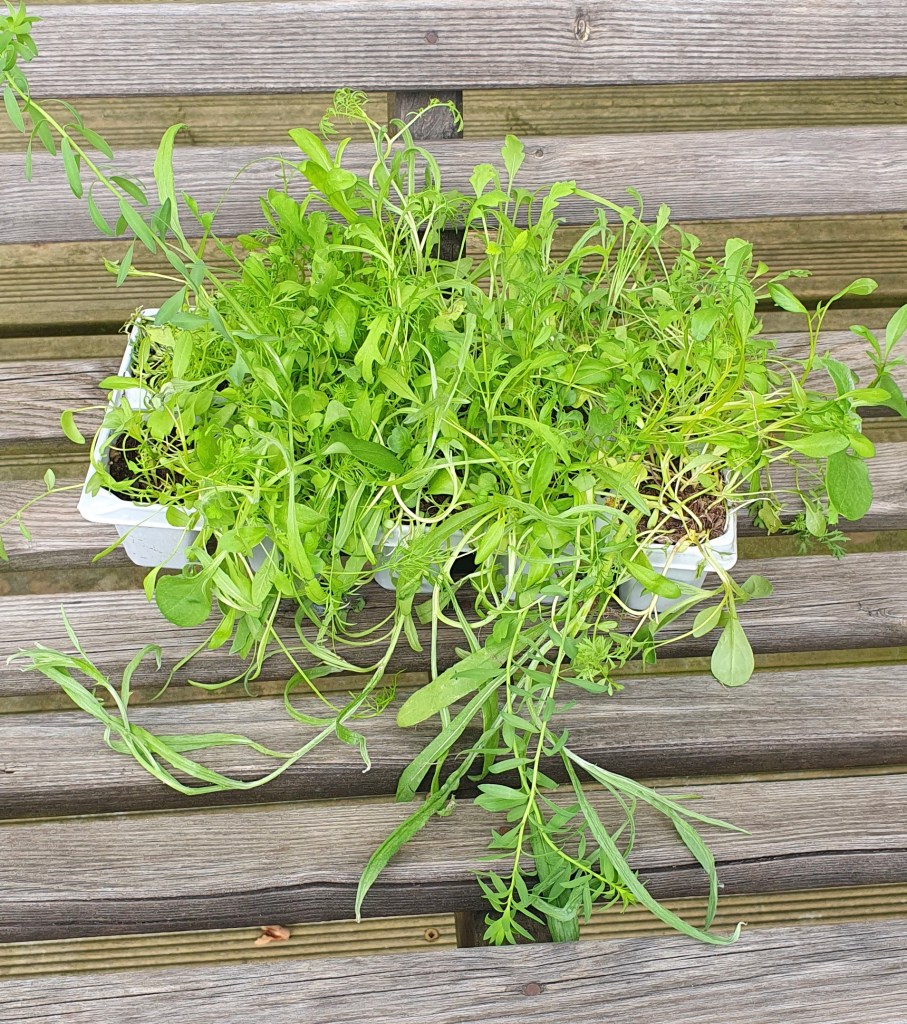
Stepping past tables of beautiful blooms, bushes in full display and hanging baskets in all their glory, I enthusiastically walked up to the tills to claim the free tray. With unmatched enthusiasm, I was directed to a trolley outside. My heart sank a few notches. Before me were three forlorn trays, featuring the straggliest weedy flowers! I nearly caved into my initial desire to leave them alone before choosing the best of the worst and headed home. Maybe, I hardly dared to hope, maybe with TLC galore they might flourish.
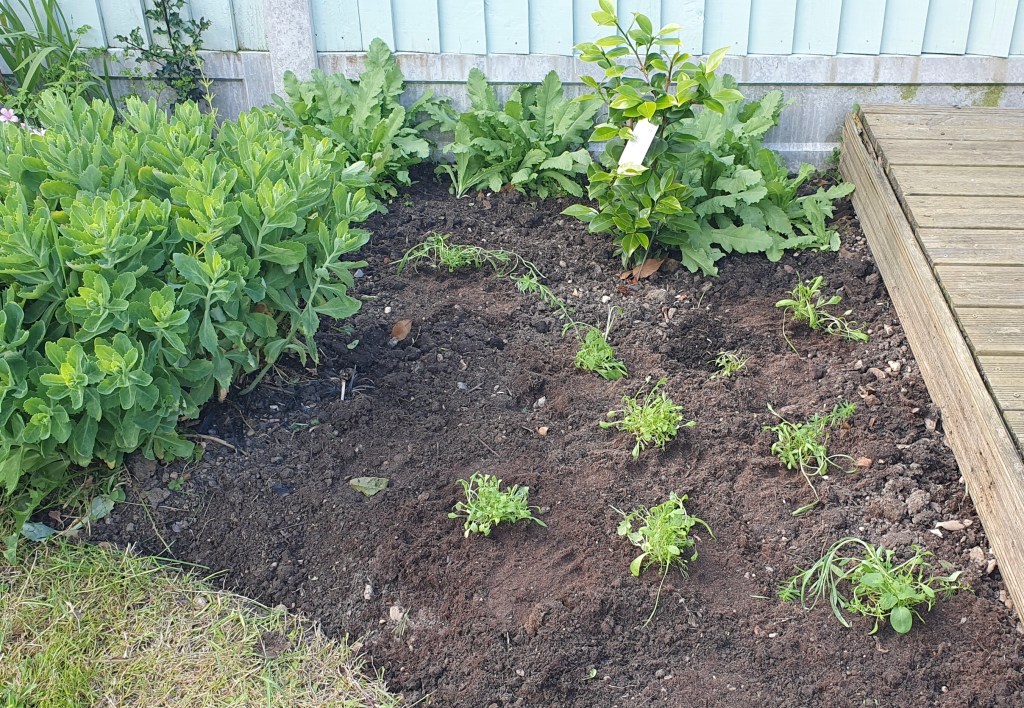
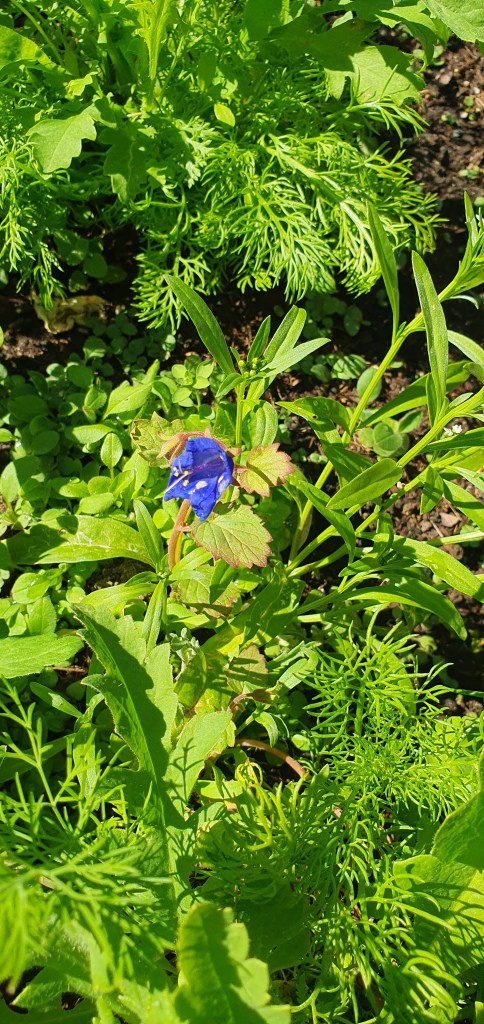
Mid May – the straggly ten wildflowersMid May – planted and looking rather lost!
In the following days and weeks, I avidly studied the wildflowers which had been delicately planted in a corner of the garden. What magical transformation as the warmth, sunlight and watering helped them recover and grow in unrivalled spurts.
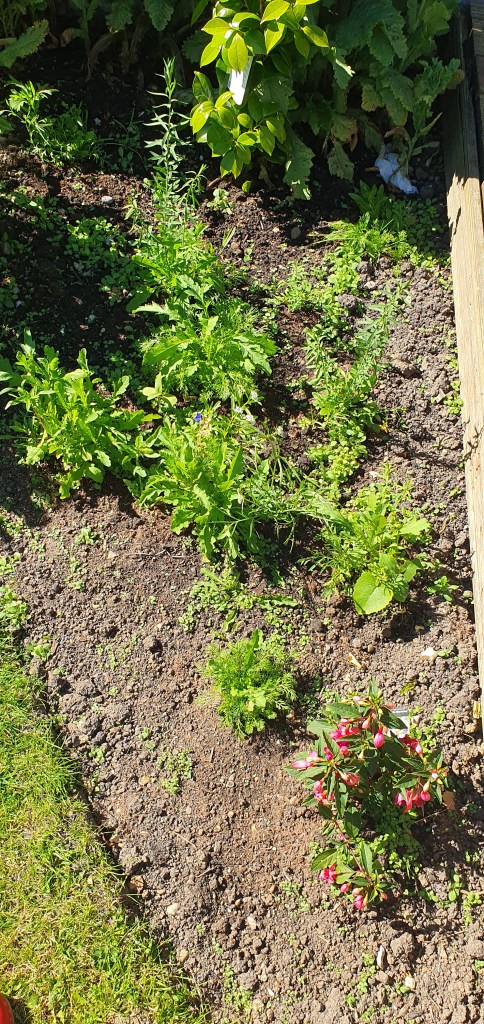
Mid June – Promising!Mid June – First flower!
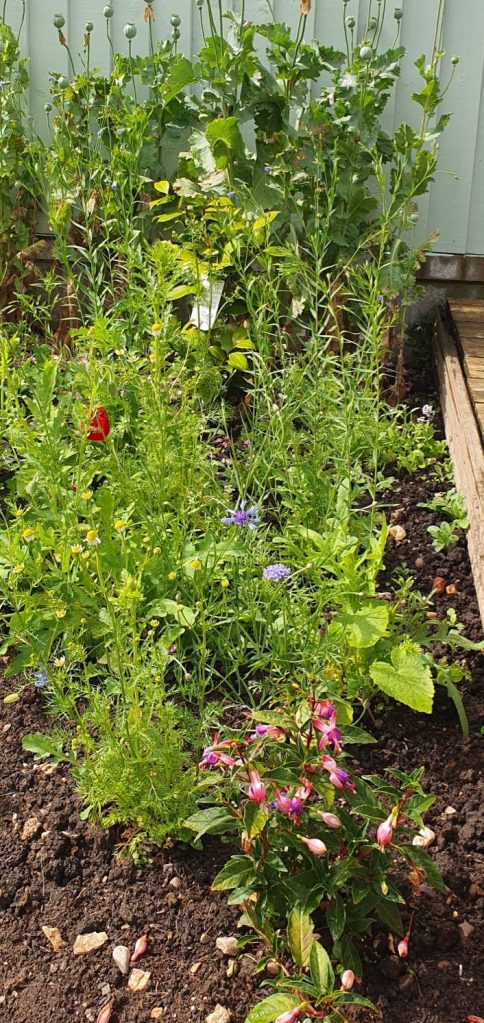
Soon glorious green plants with fragile flowers swayed in the breeze, filling the mass of brown earth with buoyant blues, reds, and yellows.
End June
Nurturing and growth became the motif for me during the month of June. A month of reflection and these humble wildflowers symbolised the metamorphosis within me.
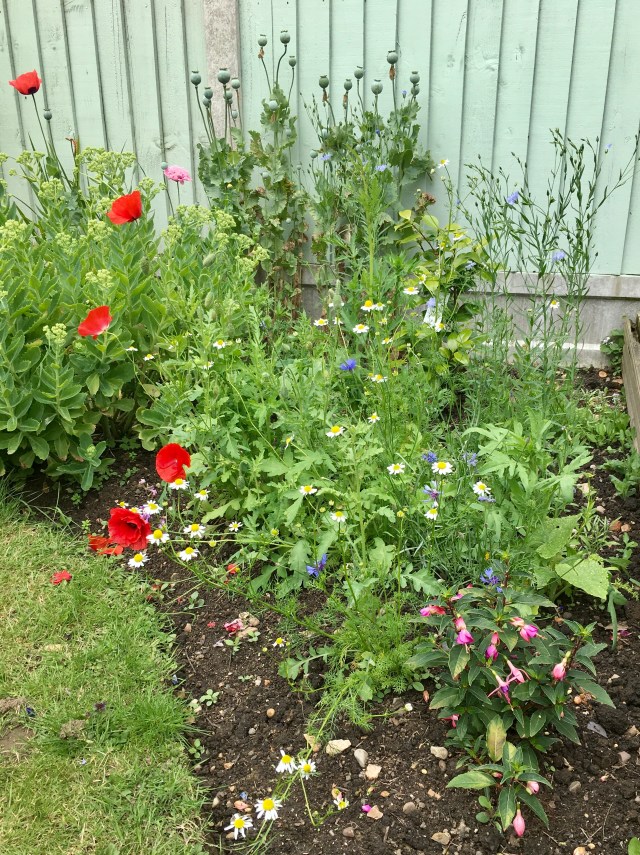
The wildflower garden this week in July – full ground cover.
Having helped a young couple over two weekends to move into their first home I pondered the love, care and nurturing that led to this moment. To help them find their wings and to give them belief in themselves. Heartened by their joy and excitement my thoughts drifted back to my life.
This month my husband and I celebrated 25 years of marriage. I must have blinked for a moment or a lot longer as I was not at all aware when those years flew by. For days I contemplated this Silver occasion, waiting for an epiphany to strike me. Instead, an awareness crept up on me, maybe while gazing at the wildflowers, the roses and poppies. That the richness in life is in the minutiae, that it is impossible to sum up a quarter of a century of togetherness. However, the growth, the care and nurture of each other and our relationship is tangible, an exponential development of our existence. The small moments of caring and love, of understanding, of laughter creating a whole.
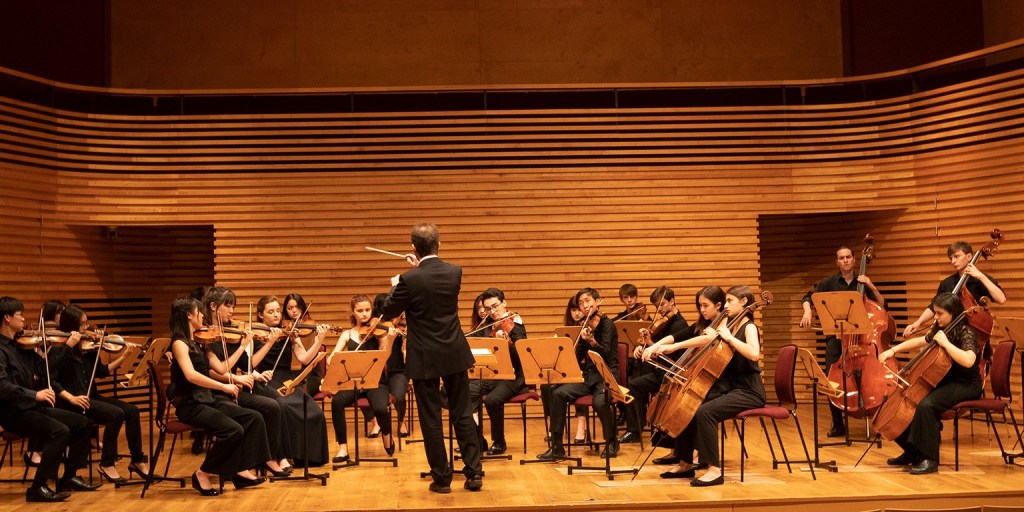
We celebrated over a long weekend with friends. On one afternoon I was entranced by talented students at the Yehudi Menuhin School in Surrey, England. Founded by the master violinist in 1963 the school, with just over eighty students from ages 8 – 19, takes in pupils from around the world, whatever their financial circumstances.
The orchestra and auditorium at the Yehudi Menuhin School (Photo from school website)
As they are guided by their teachers, so our spirits were lifted by the sheer and absolute beauty of the music. I was transported up and beyond the wonderful auditorium, tears in my eyes. At one stage my friend put a knowing arm around me and we just nodded. No words were needed then. Later picnicking on the school grounds with the other members of the audience conversation flowed easily, our joy shared as we discussed our awe of these young gifted musicians.
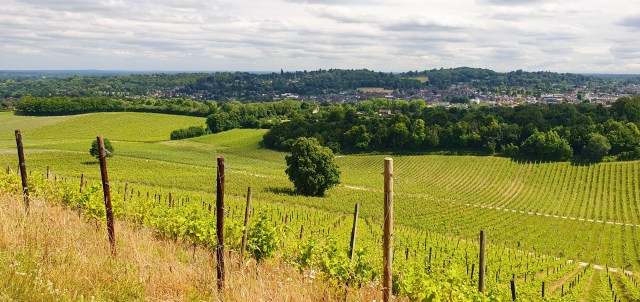
The importance of our roots was reinforced during the visit to one of England’s largest vineyards. Set in the beautiful Surrey Hills the chalky soil is key to the success of the 256 acres of vines at Denbies Wine Estate.
Each year is fraught with possible hardship, particularly from the elements with regard to frost and rain. The grapes are harvested by hand for the most part, tenderly picked to avoid any damage to the skin which in turn would effect the quality of the grape’s juice.
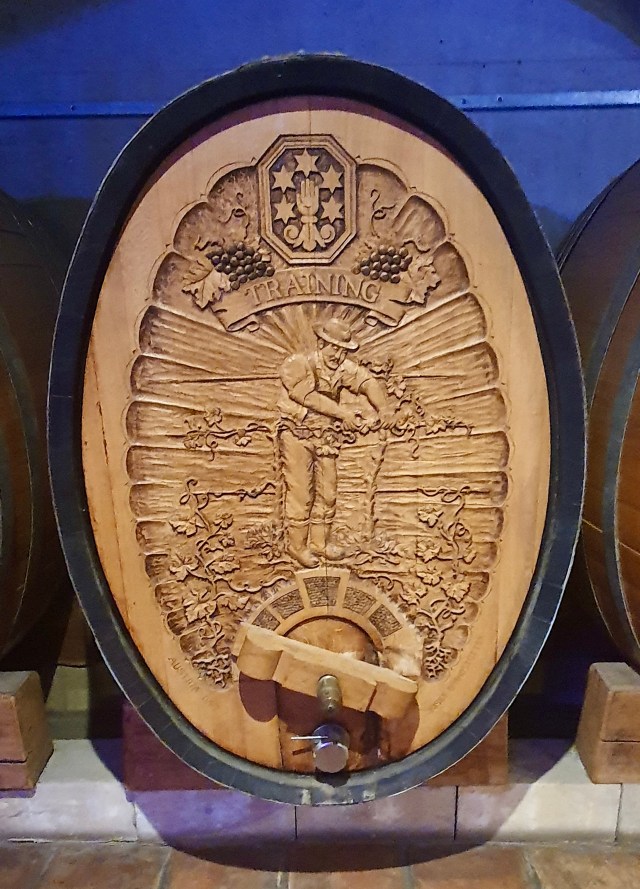
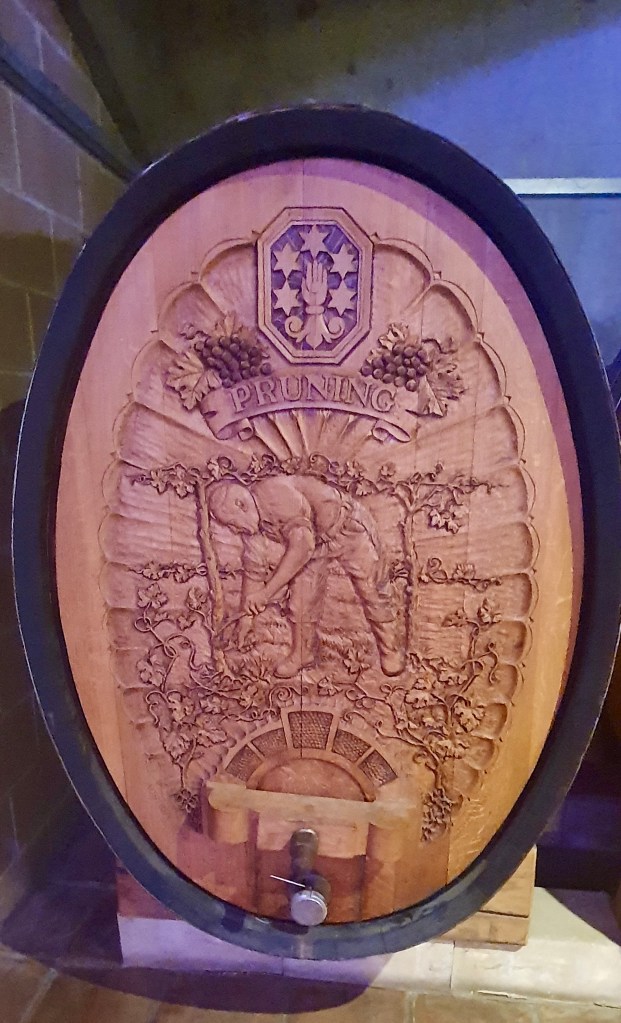
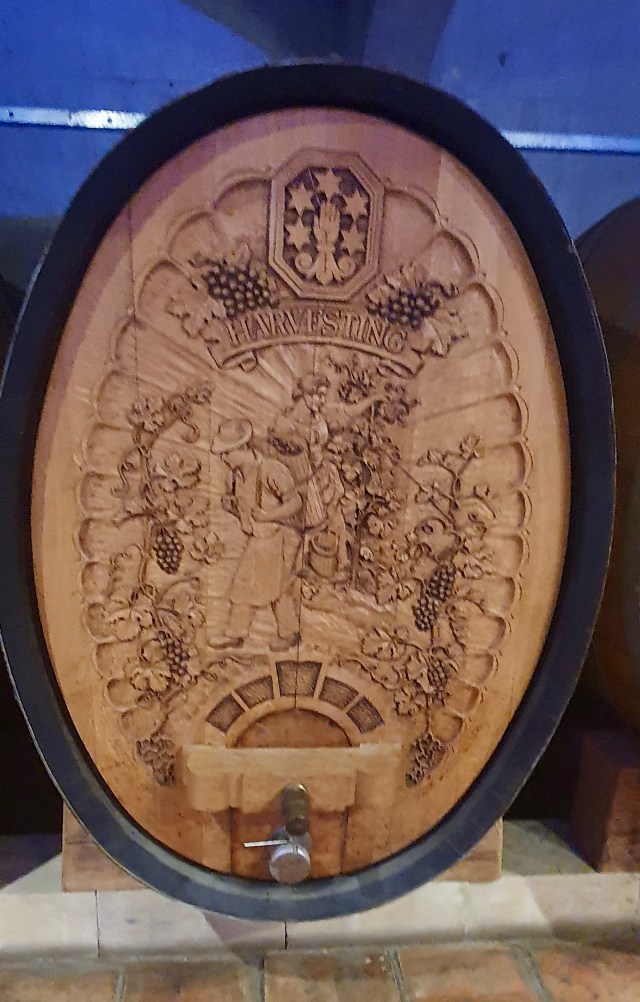
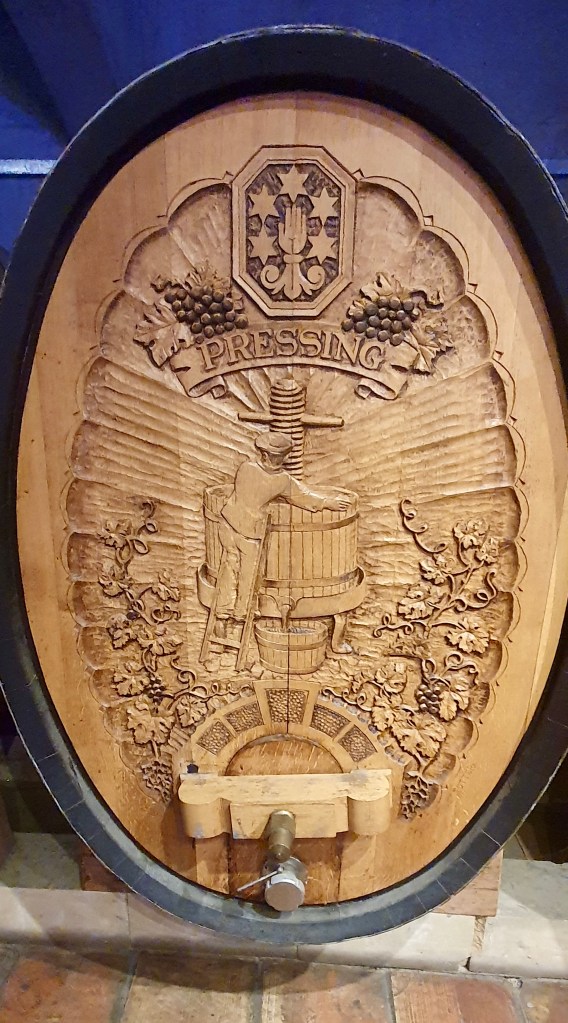
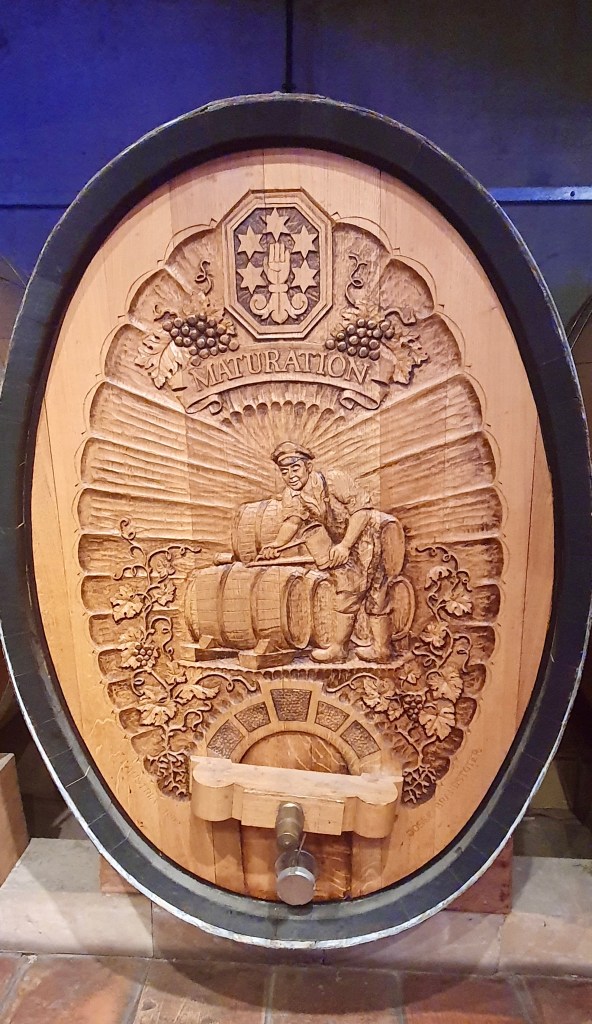
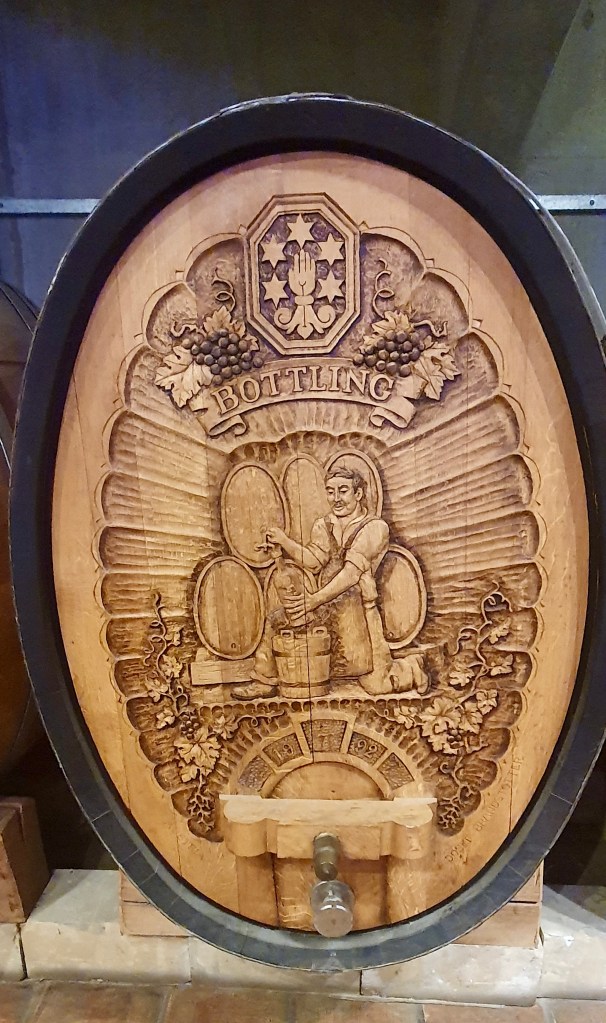
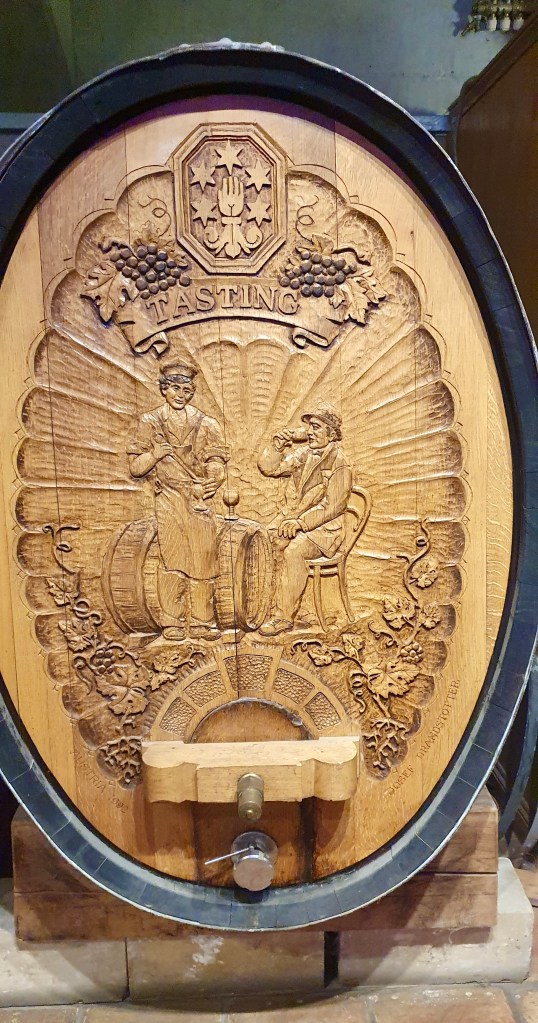
Below is a slideshow of a series of carved oak barrels exquisitely detailing the wine making process from the training to the tasting!
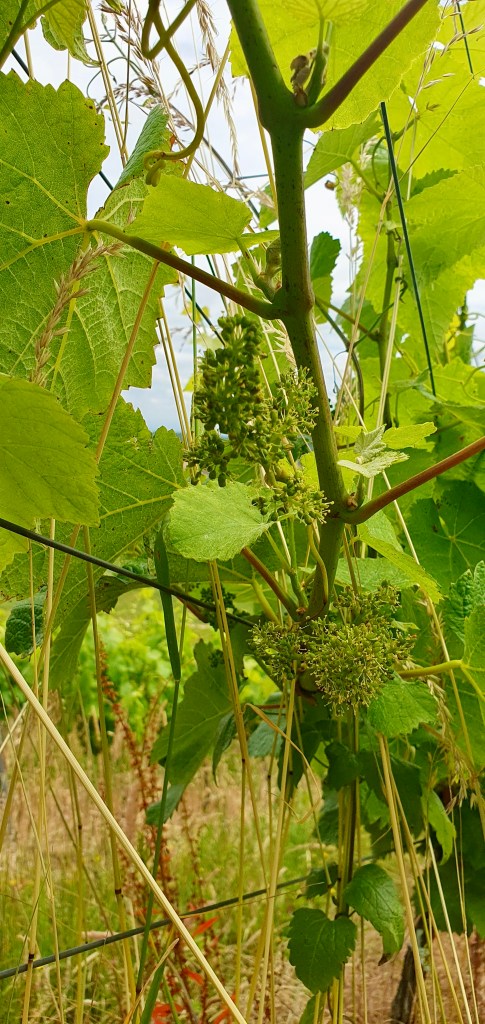
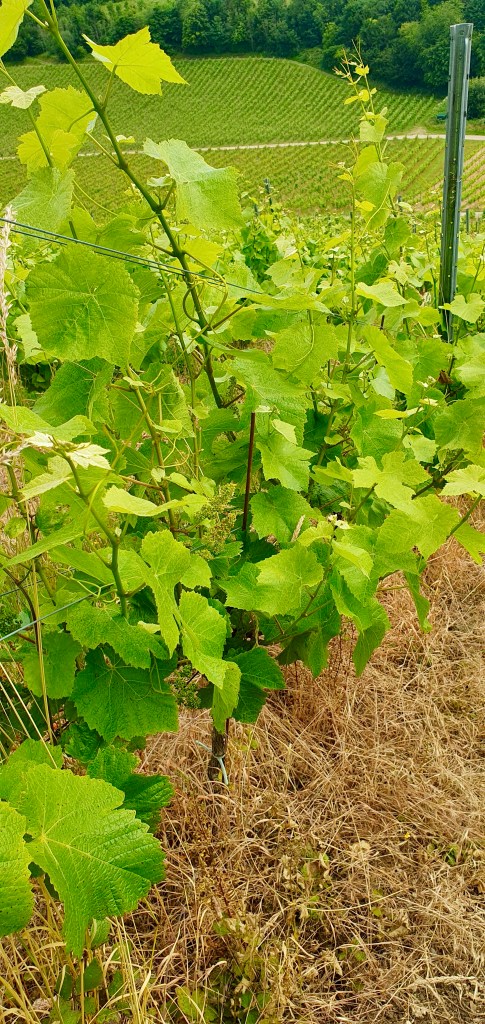
Once again the theme of nurture and care, of dedication flowed through this beautiful and relaxing visit. The highlight of the visit included the tasting experience of some of the sparkling and table wines as well as a road train tour. The latter provided stunning views of the landscape and the hills full of young vines with a chance to view the young budding grapes just as they were emerging from the flowers.
The flowers have just ceased and young grapes soon on the way.Young vines trailing down the steep hillside.
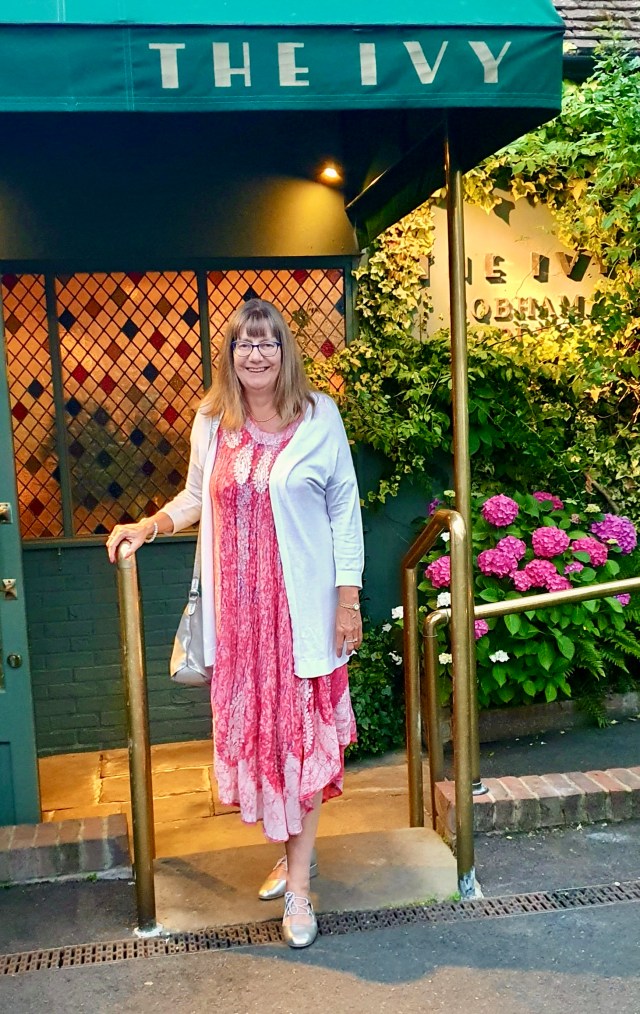
How could we not celebrate our special day without a romantic meal? I was overjoyed to have the chance for a sublime meal and experience at The Ivy. The iconic restaurant was founded in 1917 and even this one, an hour away from the original in London, features the signature harlequin stain-glass windows!
Me outside The Ivy after dining!
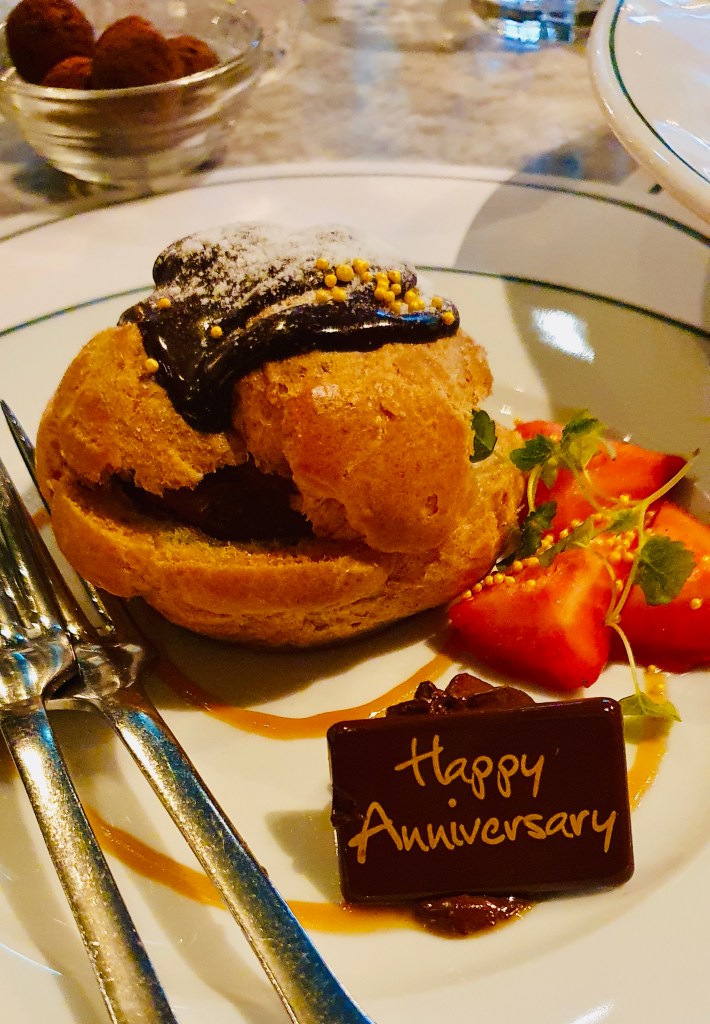
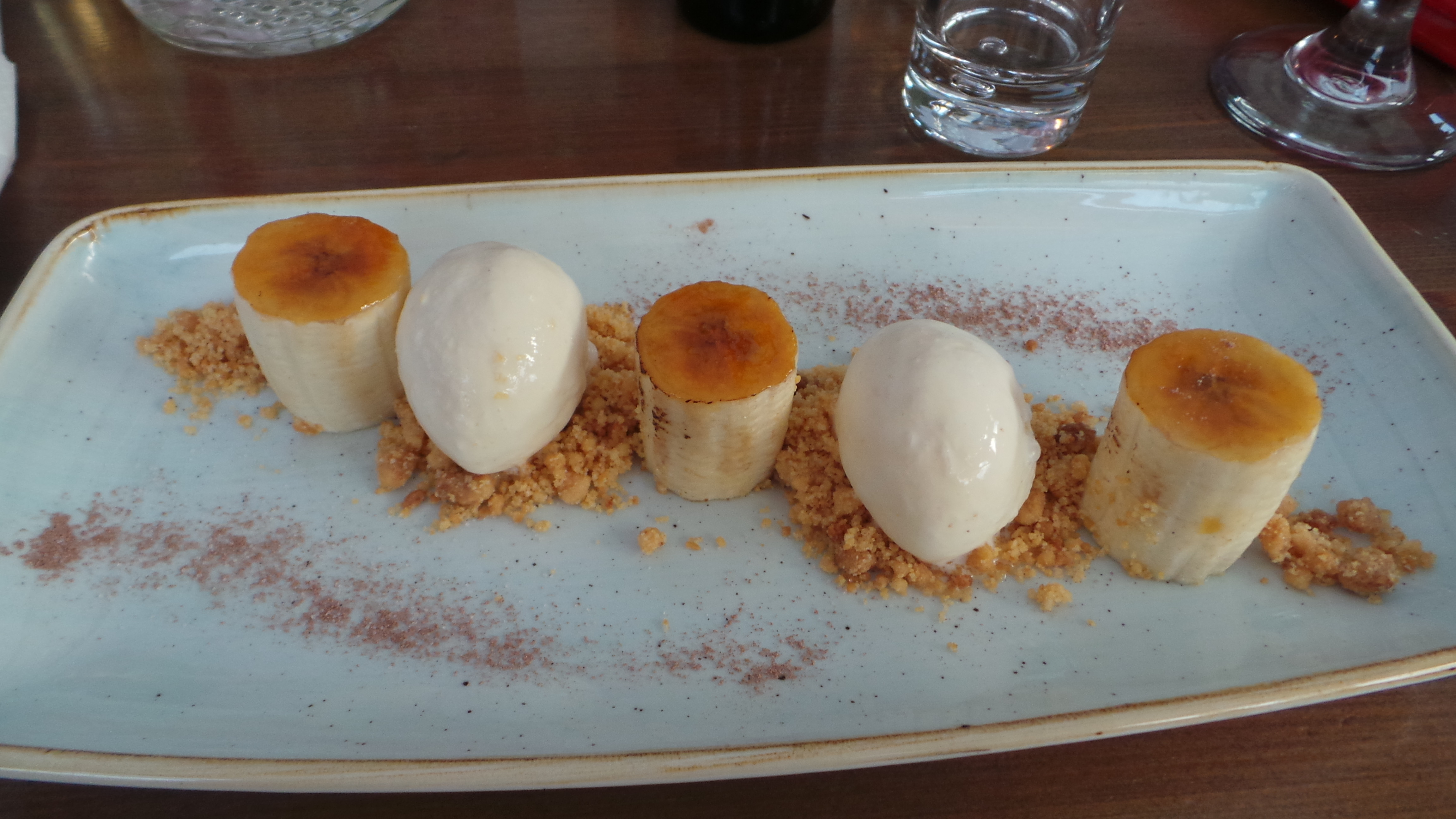
The Ivy is not somewhere we would normally go but wow, the food was superb, the dining experience exquisite and we were even presented with a surprise delicious anniversary dessert!
Our surprise chocolate choux pastry and strawberry dessert.
The evening is engraved in my mind and spirit.
To finish my post, I want to share a few sentences from a precious letter written to us by my dear departed grandfather upon our marriage. (To those who do not know, he was a fisherman.) As always upon reading this loving analogy I am struck by his eternal wisdom.
‘ It is rather difficult to explain to someone else what a marriage is to me, but I will use an image.
That this will be a boat (a fishing boat) is quite natural to me. The boat (love) is setting out to sea, out to the North Sea. It isn’t a day trip; it will probably be a week before you are home again.
You are not guaranteed nice weather. It is autumn and you have to meet storms as well as sunshine. What is the first to do before you set out on such a trip? It is to check the condition of the boat which is to carry you. You don’t set off with a boat that is ready to ‘fall apart’. No, it has to be of the very best material available. The engine (heart) has to be strong and safe. You have to learn to listen to the engine that you can hear the smallest change in tone and rhythm — and as quickly as possible correct any fault. I hope you understand my image.
Yes, this I also have to say: when you have been fishing for days and nights and have no strength left, then drop the anchor and fasten the hawser at the front. The rest and sleep is indescribable. Do not forget the anchor and the hawser. One more thing, do not anchor on clay bottom — it can set you adrift. Anchor on a hard bottom so you can trust your anchor.’
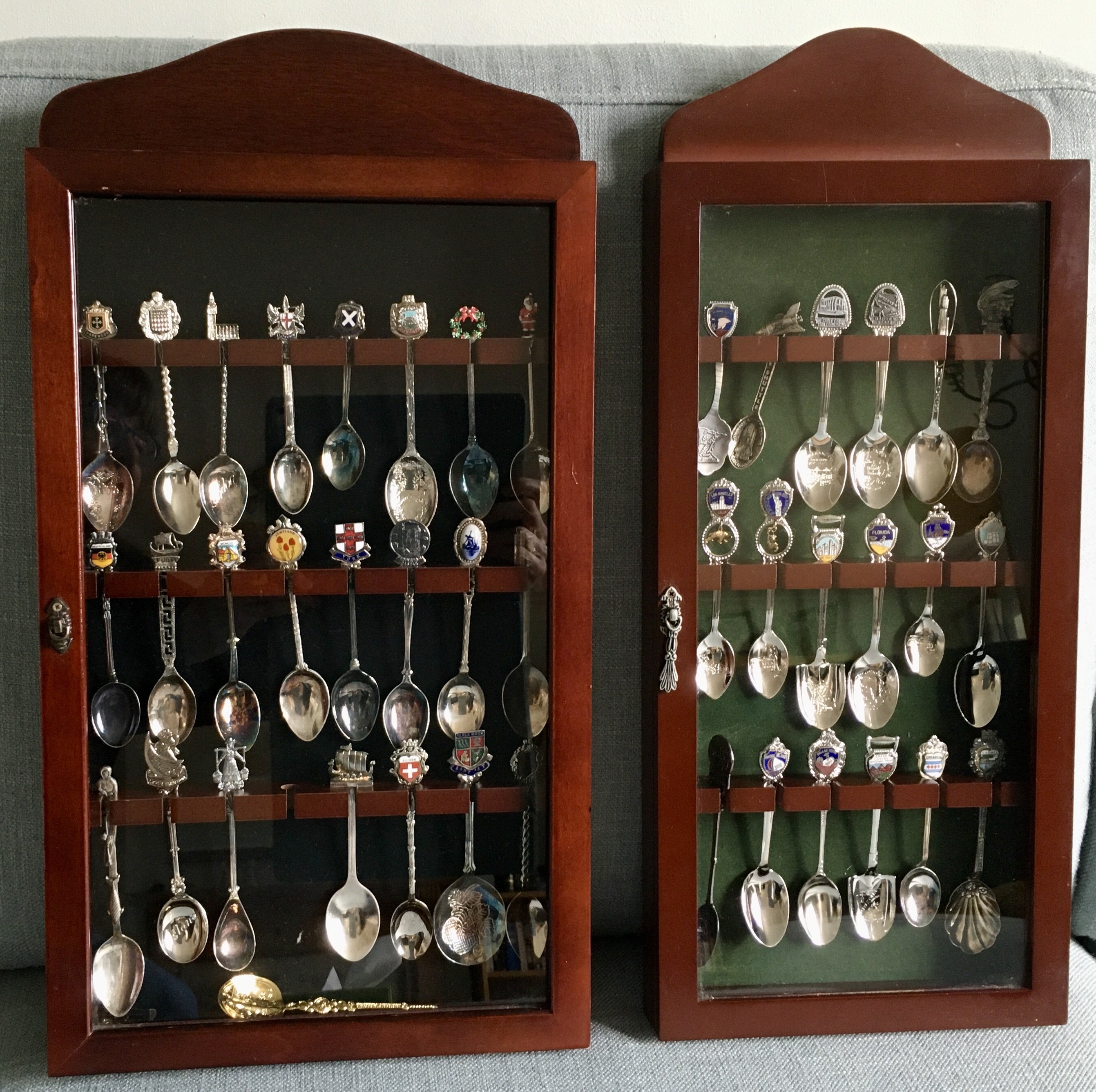
My respect for the staff of the big houses, such as the fictional Downton Abbey, grew this week as I set to sprucing up my silver spoon collection.
Long neglected, it has lain gathering dust in the loft until the recent redecoration of a room brought it to mind. A new blank wall, a whole new canvas beckoned to be filled and up to the ladder I headed to hunt out something appropriate.
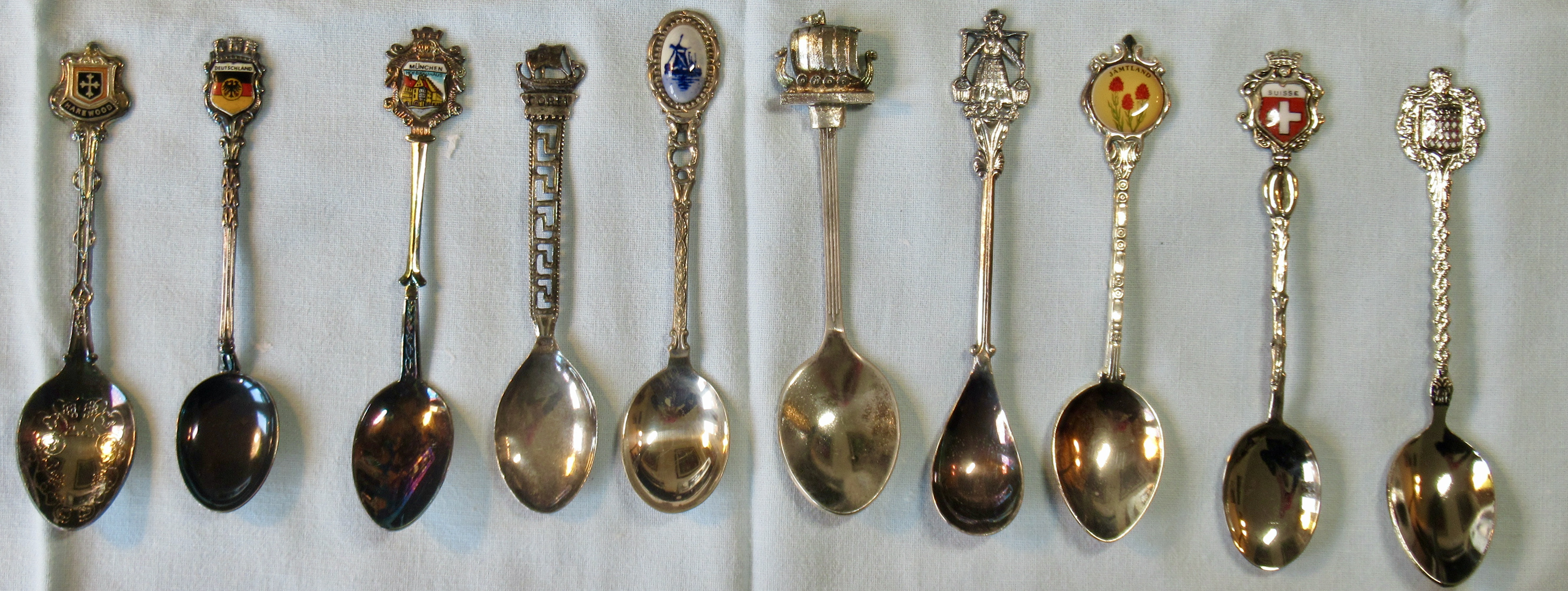
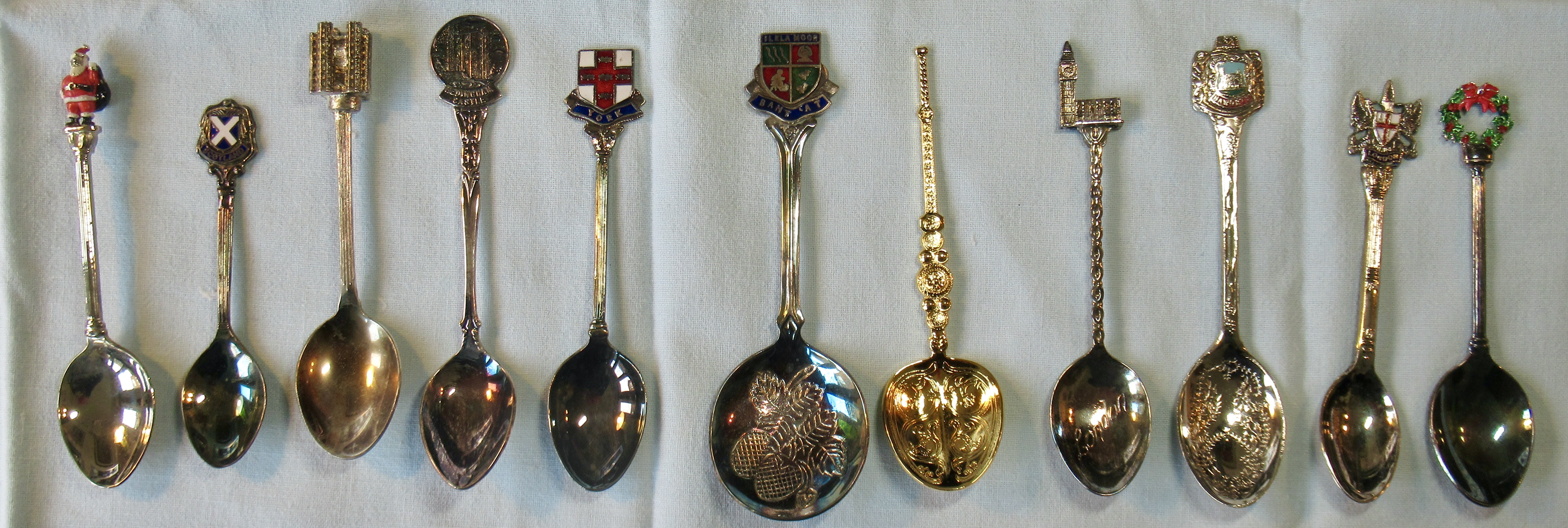
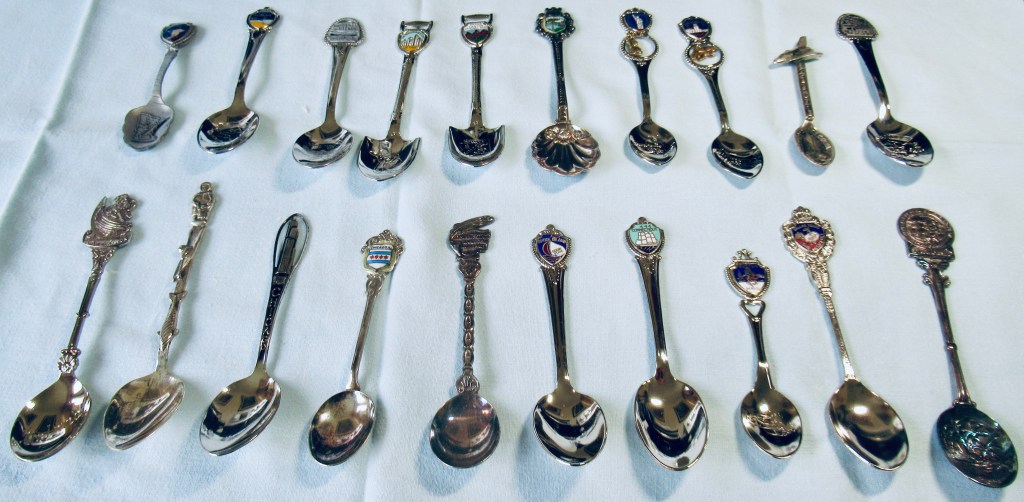
Tucked on a shelf the two cases lay next to each other – perfect. Not the entirety of my collection, there are many more in boxes, however these forty-two represent some of my favourites.
They were in a sad state; dirty and blackened and well overdue a clean-up. Cherishing them once more I washed them individually in a bowl of soapy warm water, rubbing them as clean as possible, drying and buffing up to a shine. This took more time and dedication than I’d expected and my esteem for the staff handling the silver in the big houses grew ever more, in awe of their perseverance and dedication!
Although many are gleaming and glittering some still are rather less than shiny. For now, I am not resorting to silver polish as online warnings recommend that if used at all it is important to acquire the right low-dosage one! Who knew!
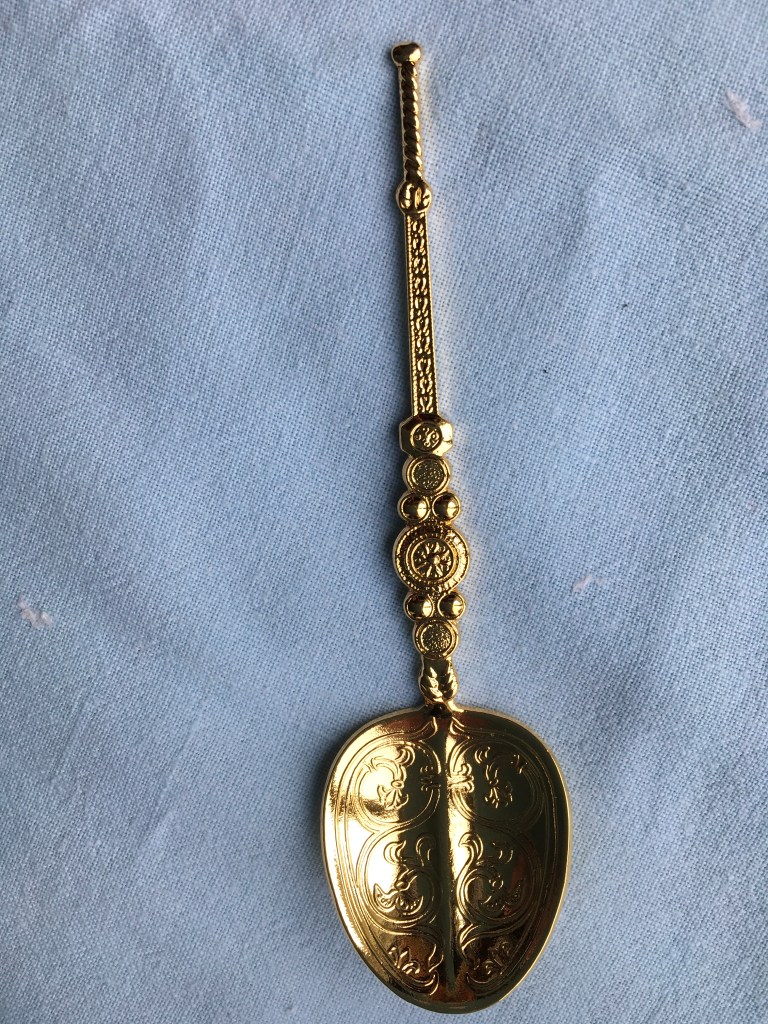
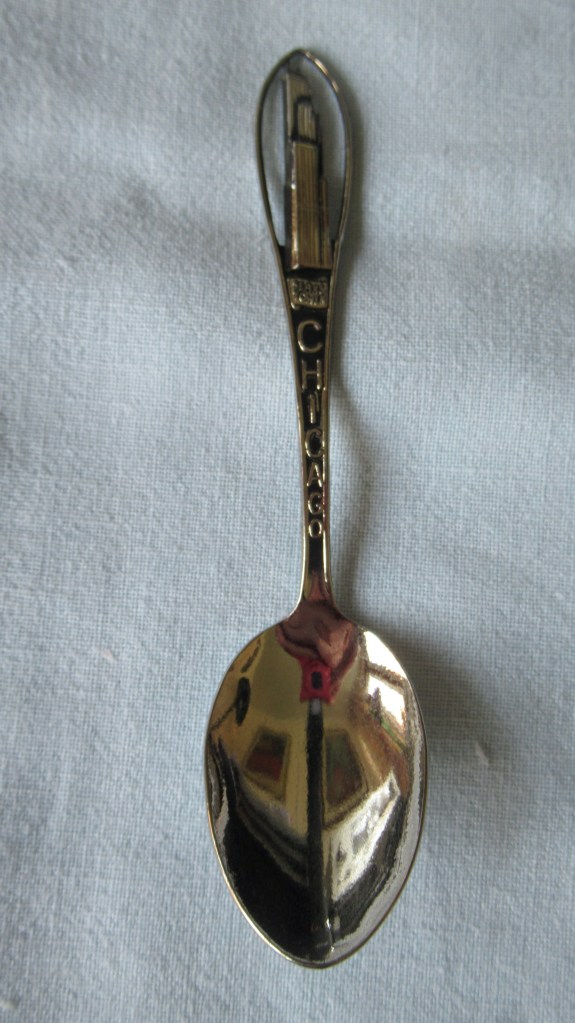
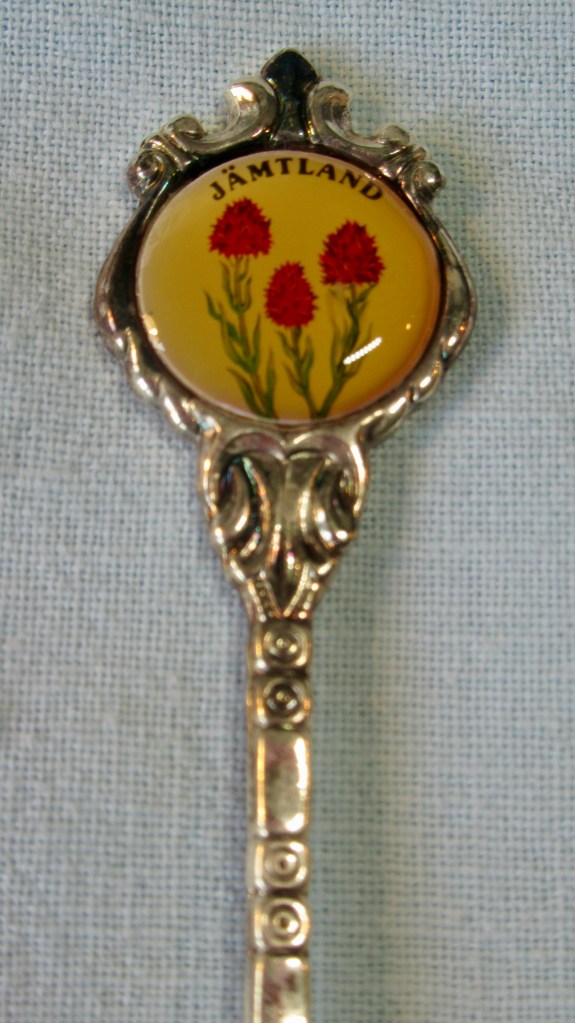
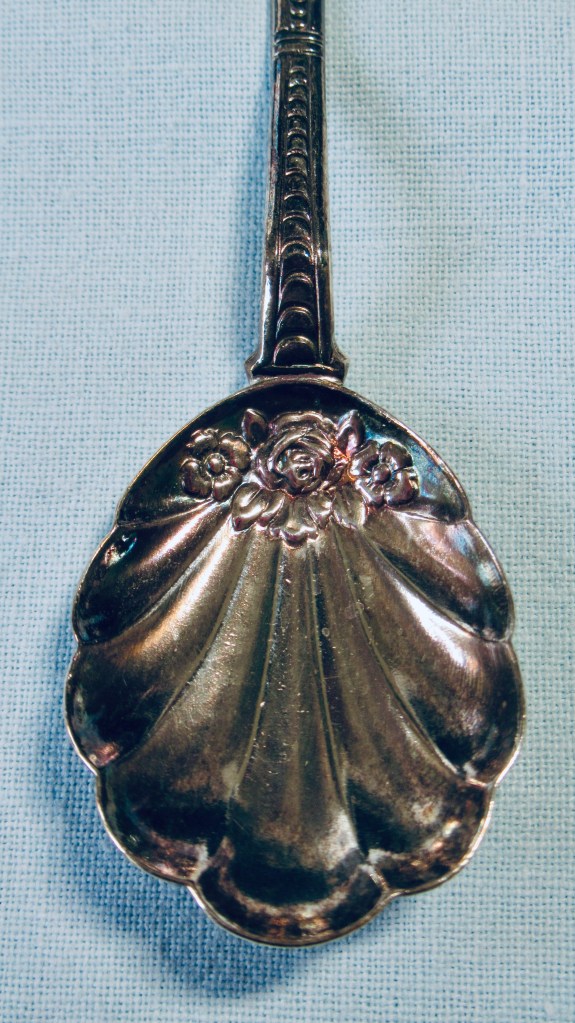
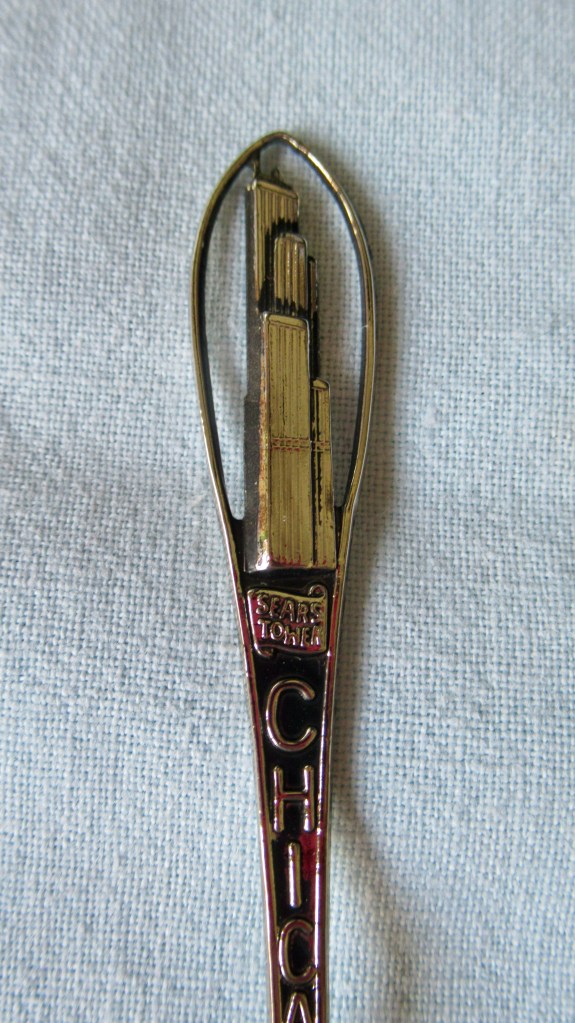
All children (and many adults too!) love collecting things and as well as bookmarks, spoons are my niche hobby. Many were gifted to me, mostly by family, as well as bought by myself. I love to travel and the spoons represented somewhere exciting and exotic; a memory of special times and other eras; the designs opening the doors of untold mystery and excitement.
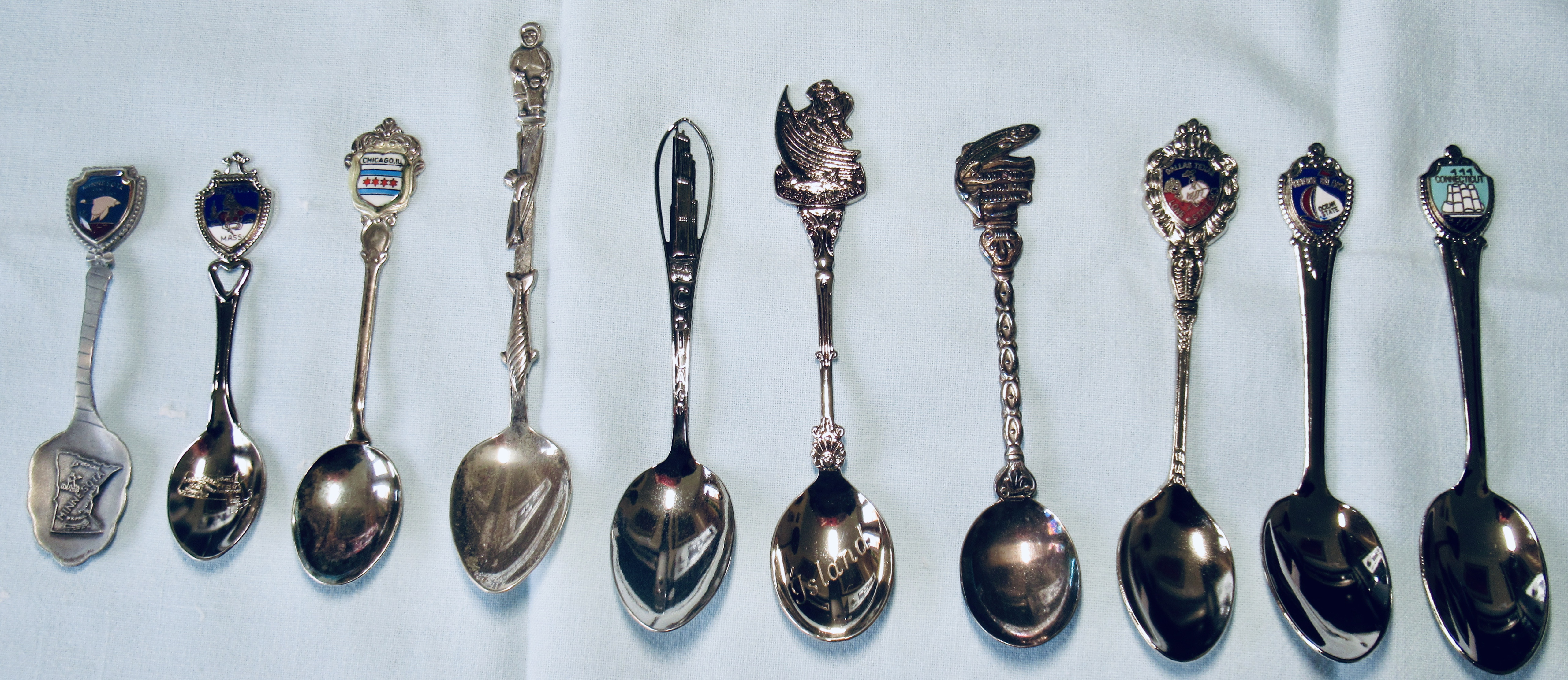
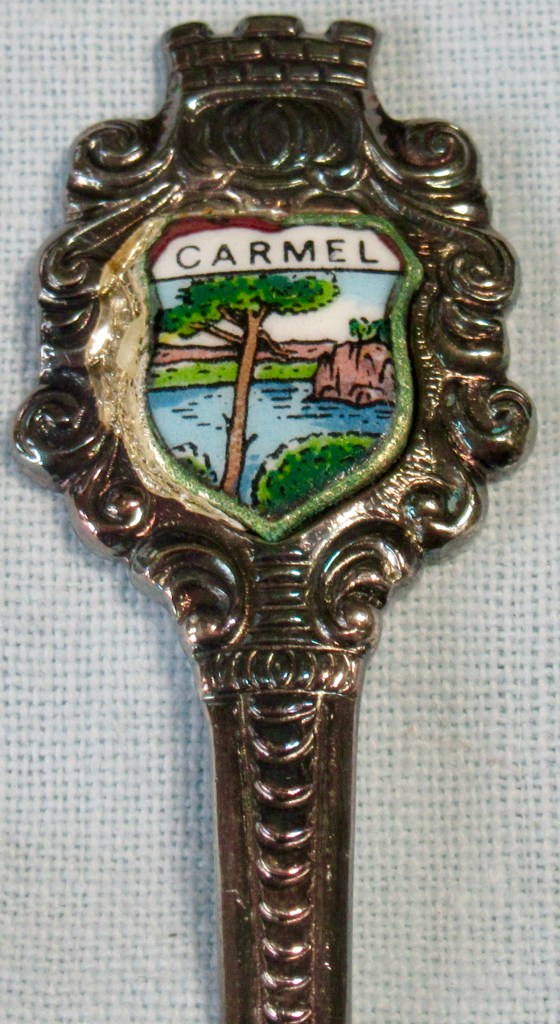
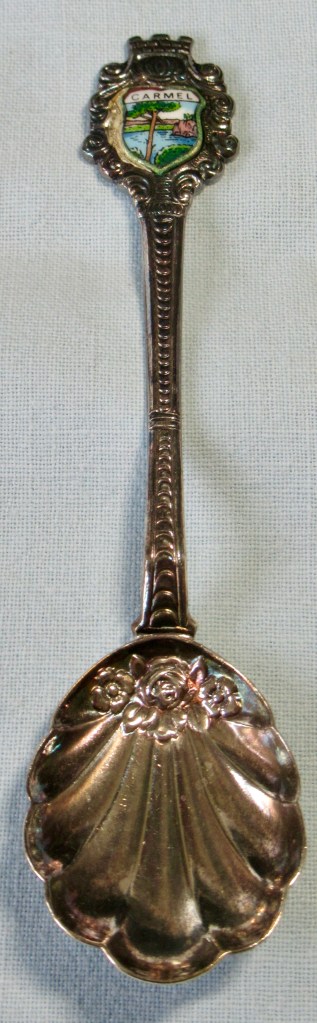
The collection is split into three categories: The United States of America, Europe and The United Kingdom. Enjoy browsing through the collection with me! Which are your favourite ones?
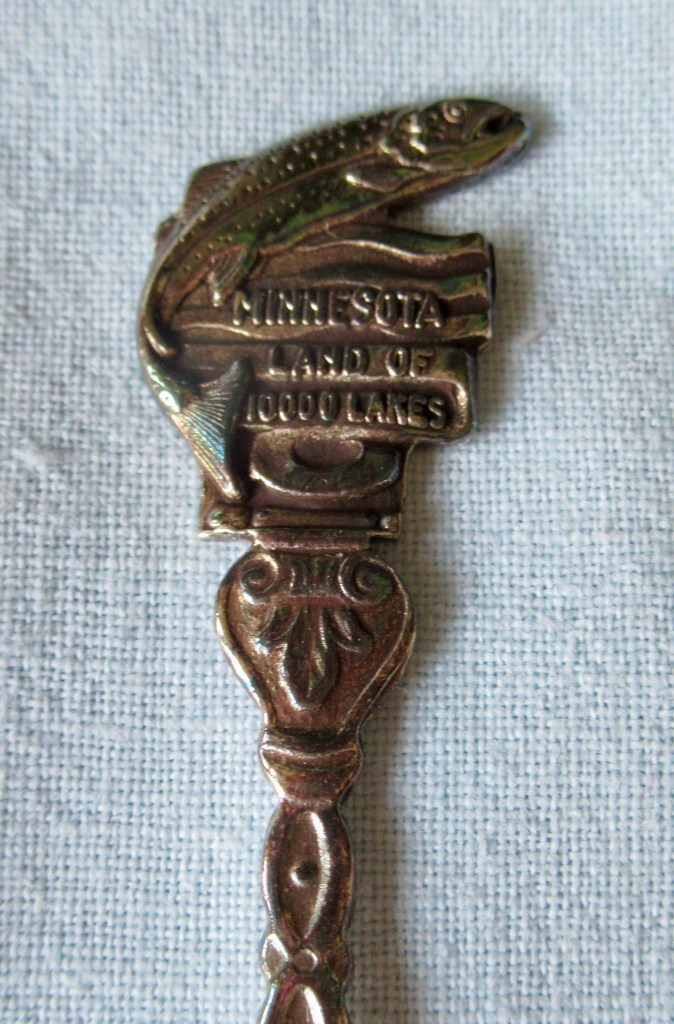
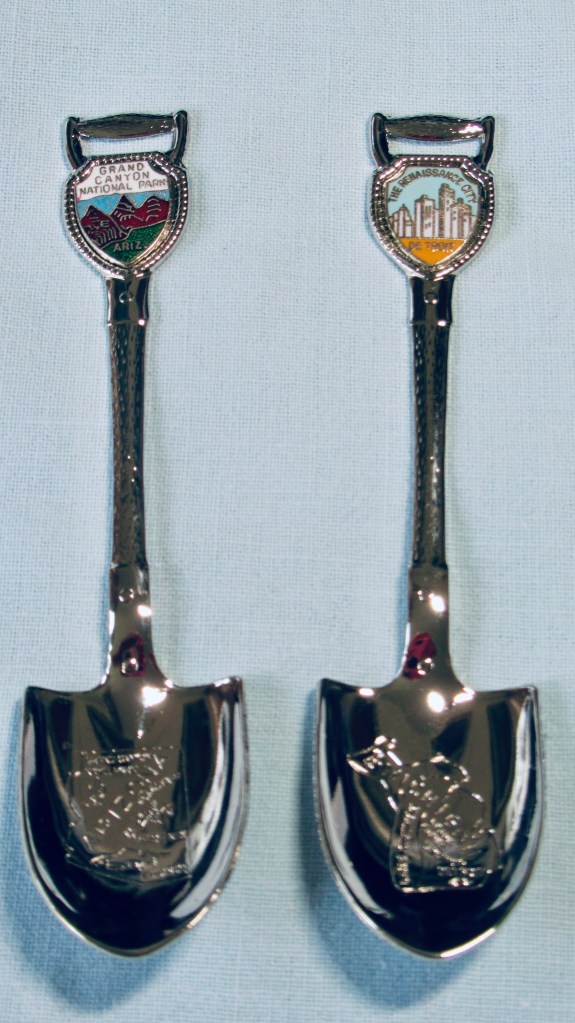
For those in America, can you find your state’s spoon?
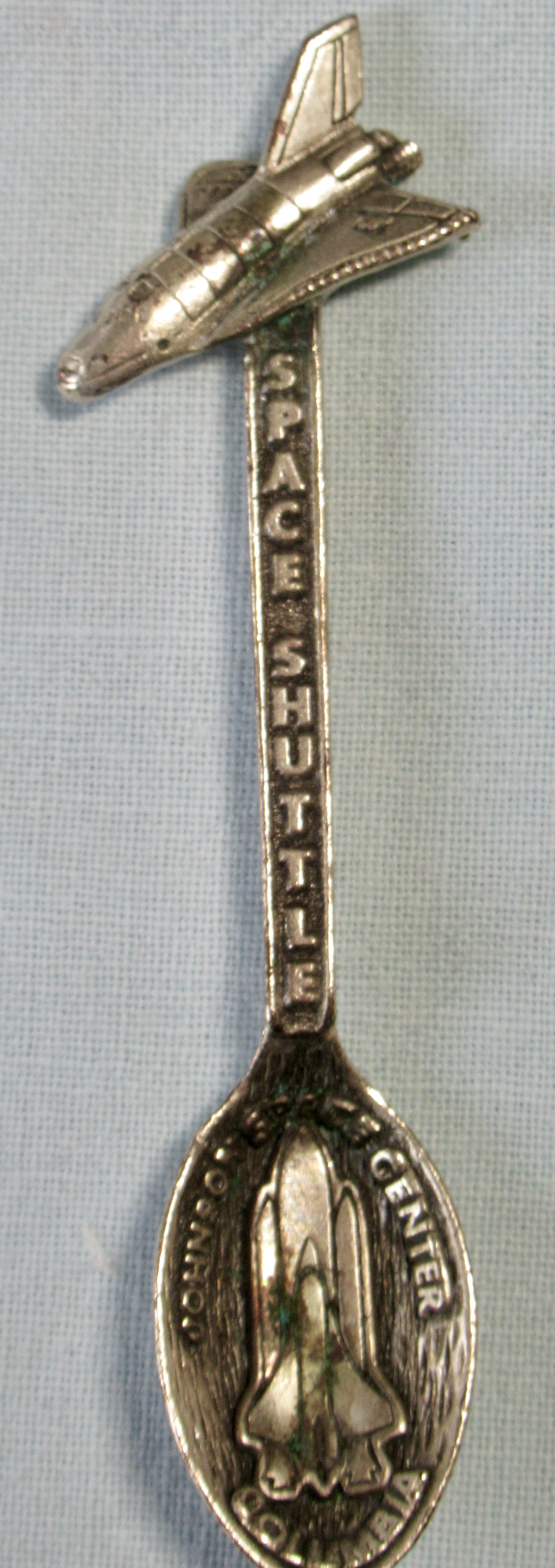
As a child I was mad about anything to do with space and especially the space shuttle – imagine my joy at receiving this spoon.
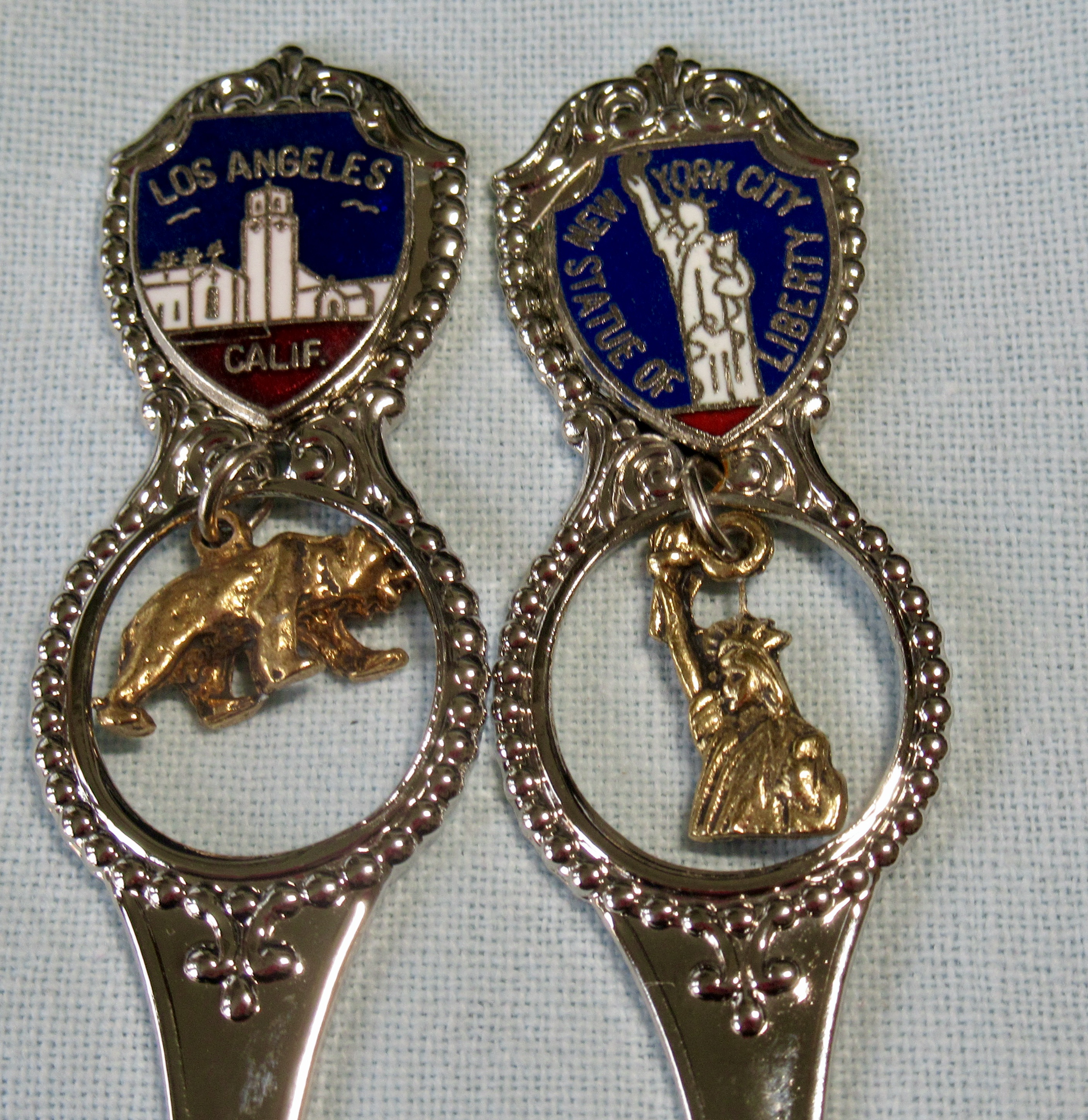
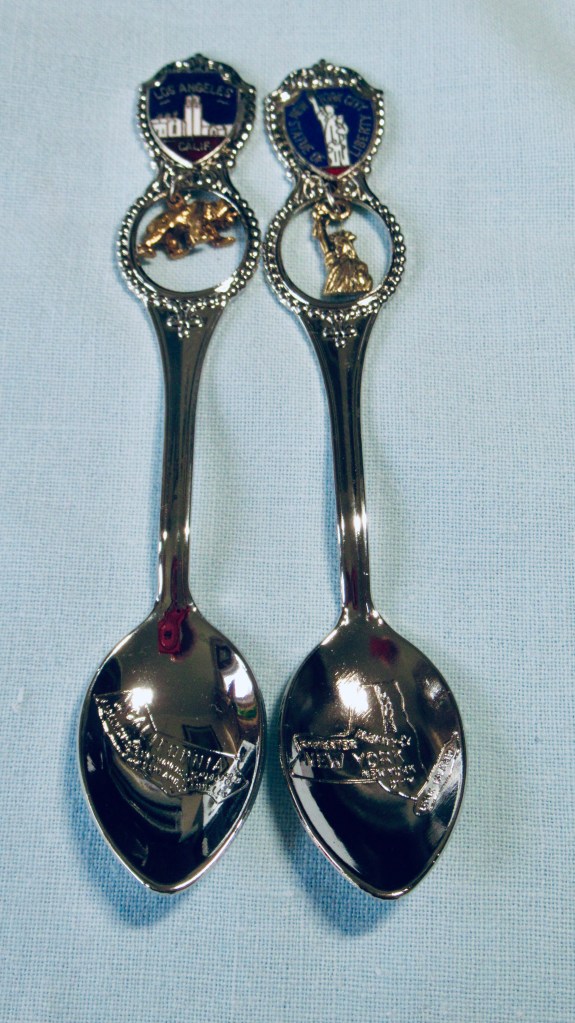
I’m particularly fond of the two spoons from Los Angeles and New York City with their golden hanging ornaments.
For those in Europe, can you see your country’s spoon?
When young we visited Greece many times and I have wonderful memories of our time in Corfu!
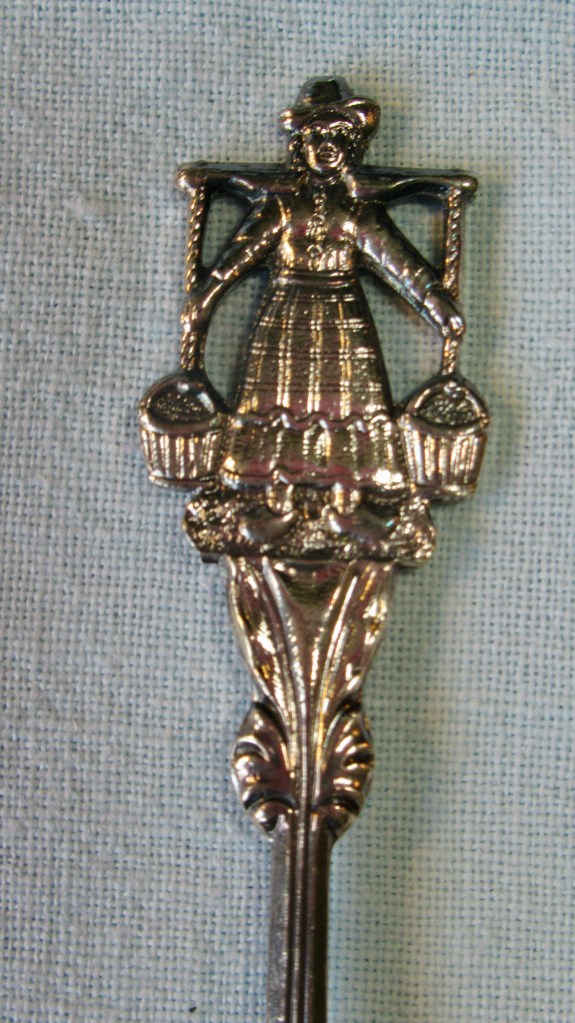
The slender shape of the Dutch milkmaid spoon is striking and there is exquisite detail of the woman herself, the two pails balanced perfectly on her shoulders.
Here are the spoons from Great Britain.
Have you ever been to any of these places?
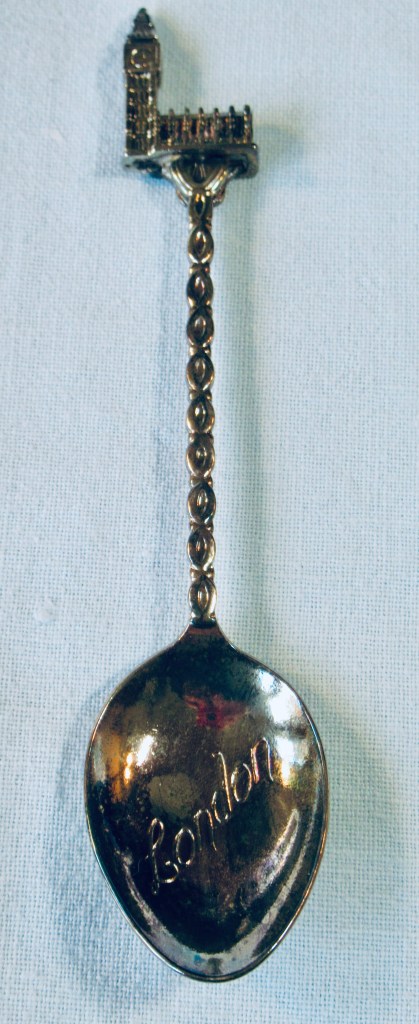
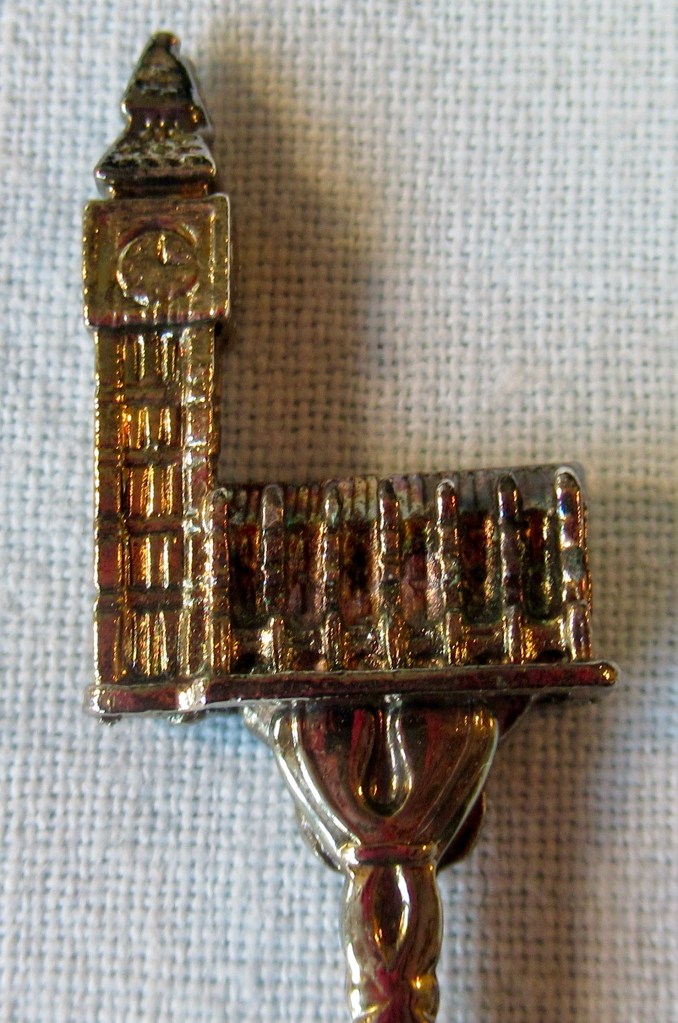
Big Ben and the Houses of Parliament are looking splendid on top of the silver spoon.
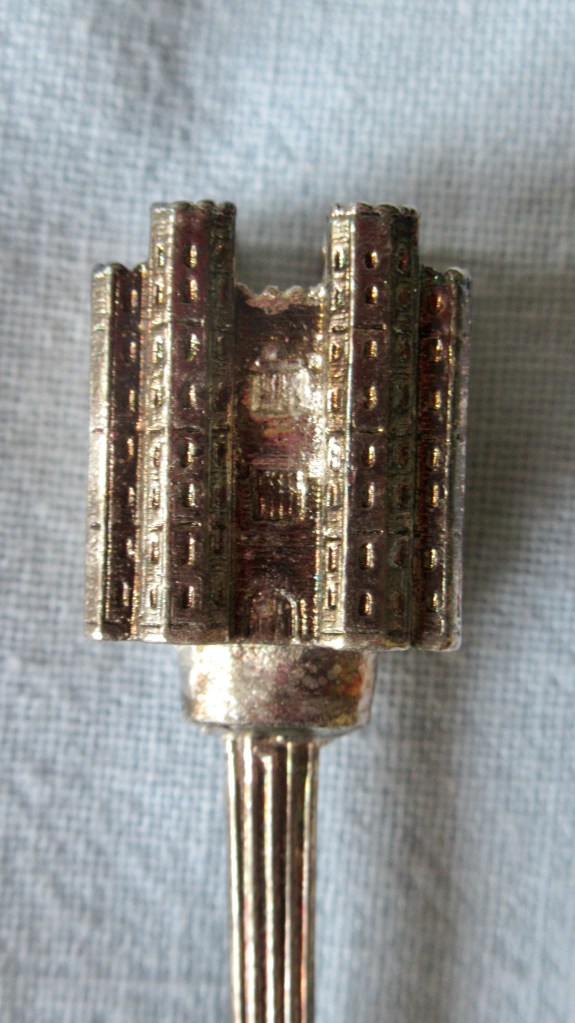
I remember being surprised that the local Hedingham Castle (which I’ve written about here) was similarly designed with the building on top.
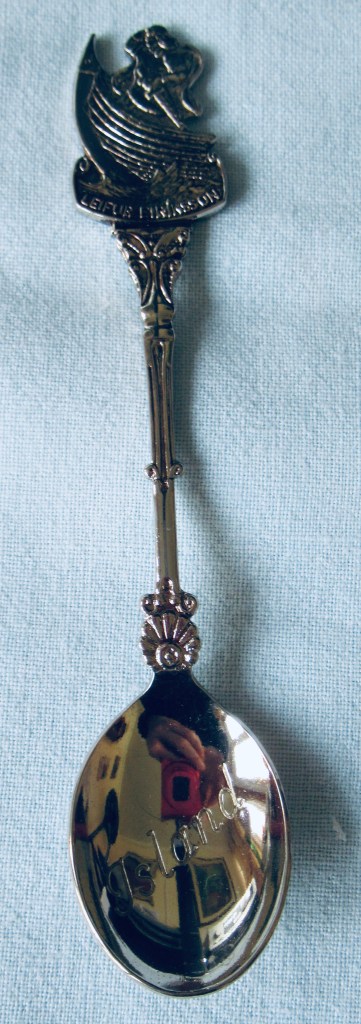
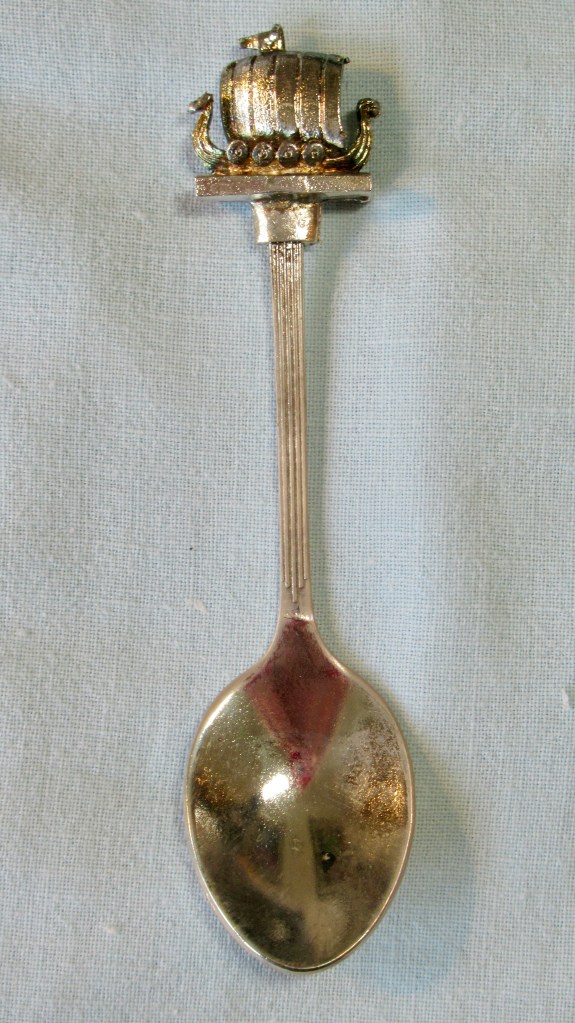
Finally, one spoon fell in between all categories although it ended up with the American.
Leif Eriksson, also known as Lucky Leif, was a Norse man born in the late 900s, believed to be the first European to reach the shores of America. His father, Erik The Red, was originally banished to Iceland, before moving with his family, including Leif, to Greenland.
According to the sagas, Leif and his crew were said to have been blown off course while sailing from Norway to Greenland, eventually landing on Vinland in Newfoundland.
So much history within just each spoon! It is such a unique way of commemorating a place or moment.
Writing my post I became interested in spoon collections in general and intrigued to learn the following:
Silver spoon collecting became popular in the 1800s following the birth of tourism and especially the Grand Tours of Europe. By the late 1800s this European fad spread across America.
The first souvenir spoon produced in the United States, in Washington, D.C. in 1889, featured a profile of George Washington and was created to mark the centennial of his presidency.
Interest waned following World War One and is a marginal hobby nowadays.
My collection is palfrey in comparison to the world’s largest collection of 30,000 owned by Des Warren in Mayfield, Australia.
The phrase “born with a silver spoon in his/her mouth” is well known and is assumed to mean the child grew up wealthy. However, the idiom originated as a way of saying that the person never seems to get sick. There was a belief that the silver offered germ-killing properties and in the past children who were fed with silver spoons (which was a luxury often reserved for wealthier families) were typically healthier babies.
The most expensive silver spoon was sold for $32,500 / £26,000 at Heritage Auctions, London in 2021. It was manufactured in 1790.
Do you tend to buy a memento of your time visiting somewhere special? Or perhaps you have an unusual hobby or collection yourself? It’s great to chat away in the comments!
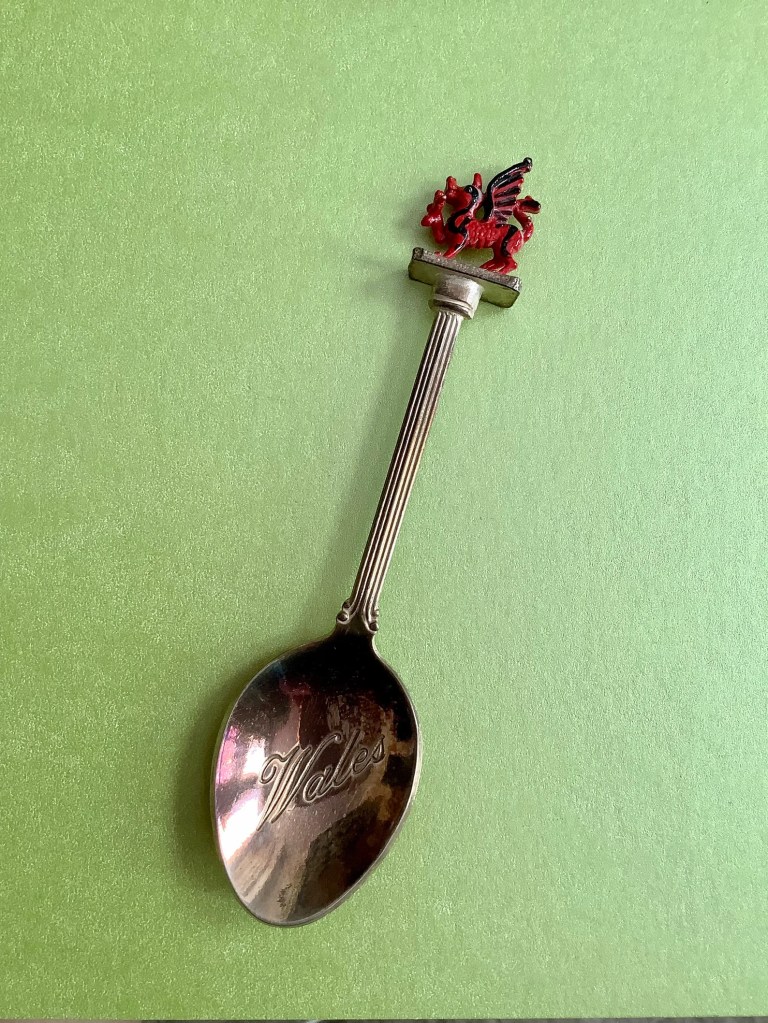
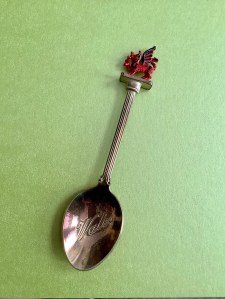
Finally, many thanks for David Prosser for mentioning how good the Red Dragon of Wales would look upon a silver spoon! They exist and look amazing- a new one I would love to be my next silver spoon!
What better way to dispel the gloom and weariness of a long winter than visiting a 900-year-old outstanding Norman castle and its beautiful idyllic grounds on a sunny Sunday in February!?
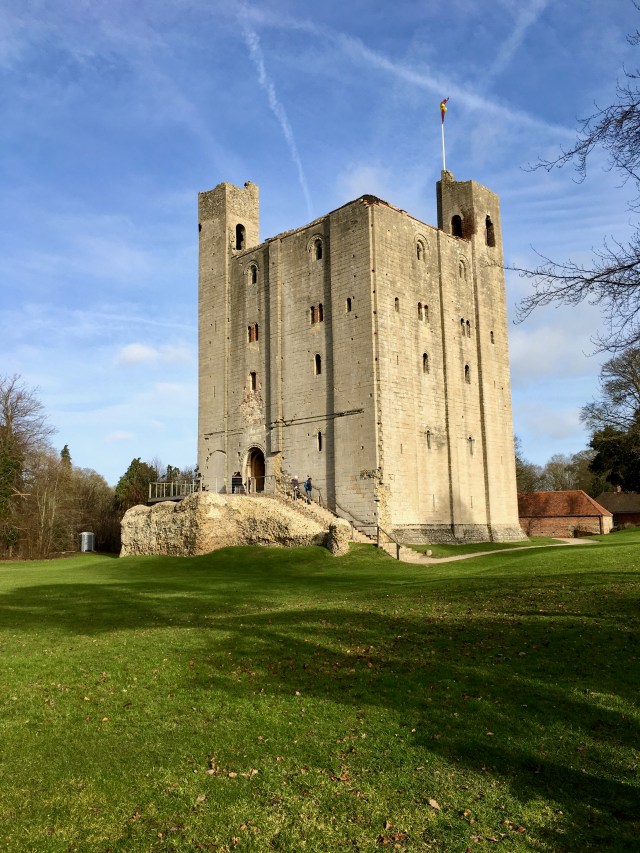
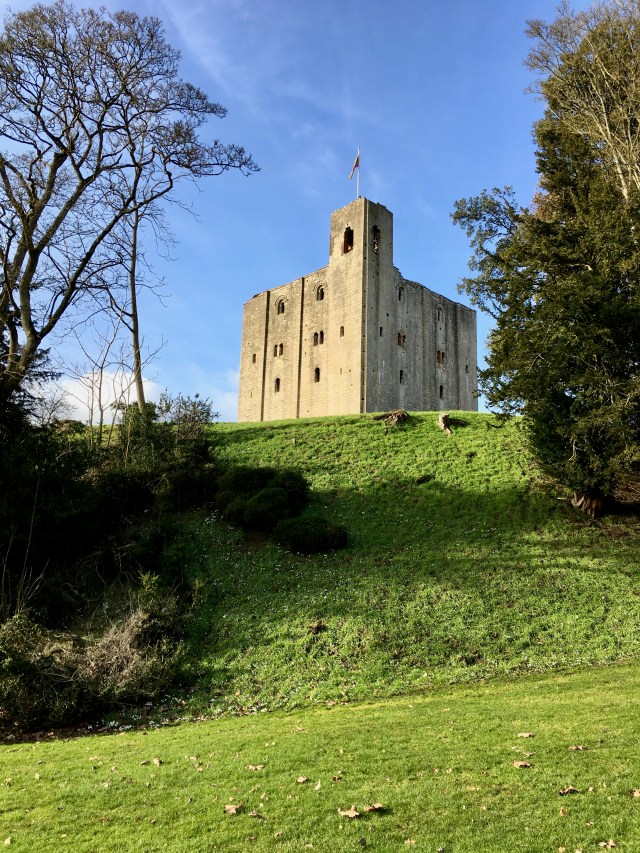
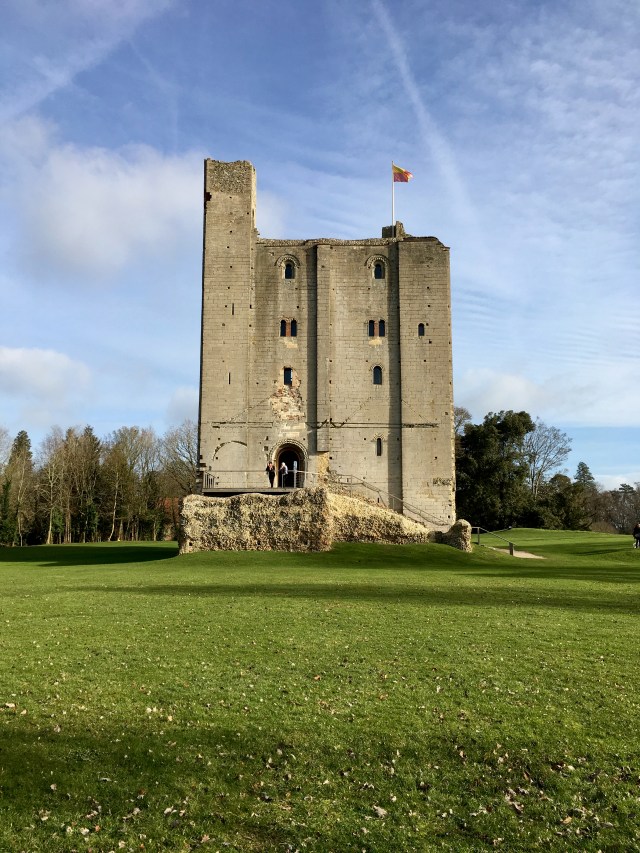
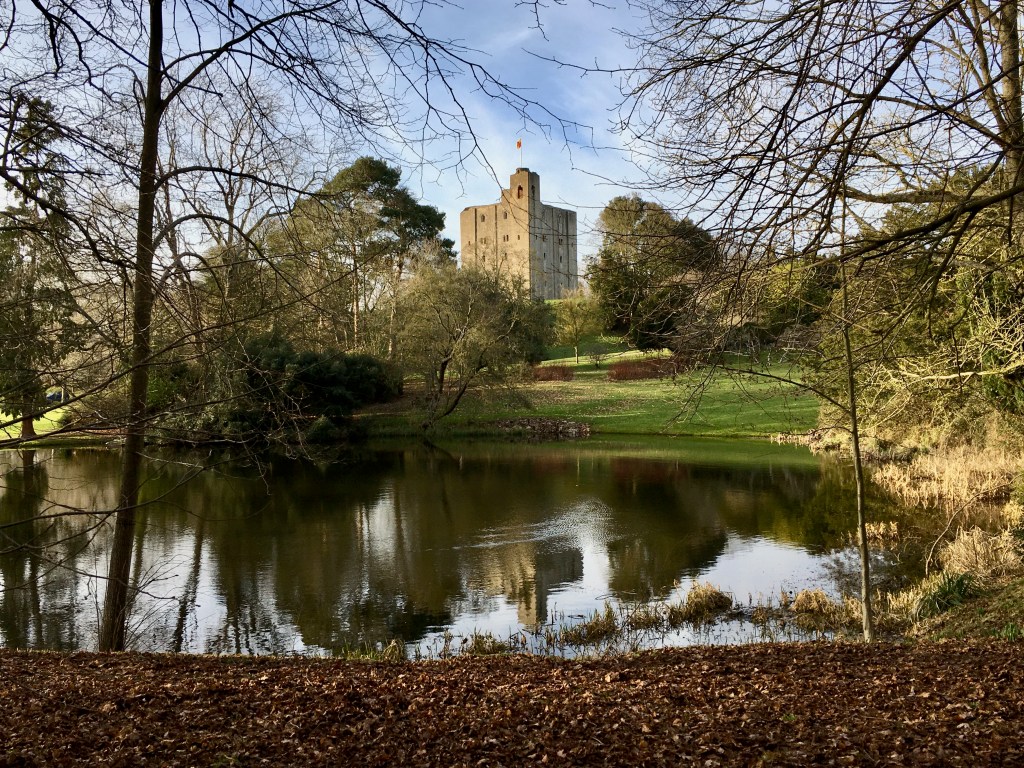
The imposing Hedingham Castle is visible from miles around, towering above the quaint village, the stone stark edifice both daunting and majestic.
Following the Norman invasion of England, the majority of the Anglo-Saxon lands were taken over. The lands of Hedingham, North-East Essex, England were given to Aubrey de Vere I by William the Conqueror in 1080 in recognition of the knight’s fierce valour and loyalty. The family were zealous crusaders! The original castle was built of timber in the traditional motte and bailey style however Aubrey de Vere II ordered this to be torn down. It was replaced in 1140 by the building of the remarkable Norman castle and as the family were extremely rich they could afford to face the whole building in stone which was unusual for the time! As one of the great Norman castles Hedingham Castle hosted many royal visitors including Henry VII, Henry VIII and Queen Elizabeth I (probably en route to Gosfield Hall, read more on my post here)!
The de Vere family became powerful and influential members of the royal court, many of its ancestors holding important positions within the royal circle, including that of Lord Chamberlain to the monarch. Furthermore, they provided vital military force in their own right and became ennobled when granted the title Earl of Oxford.
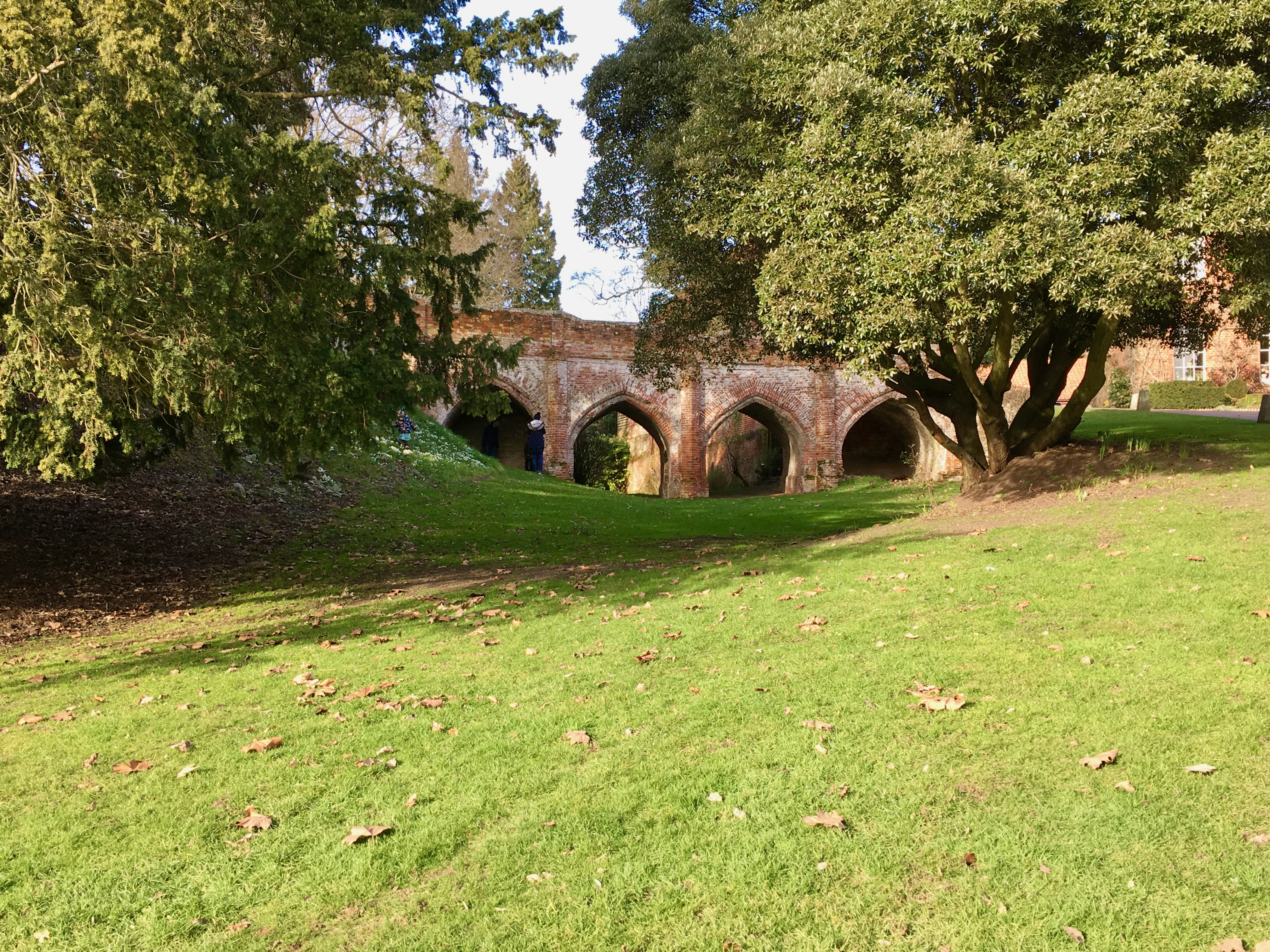
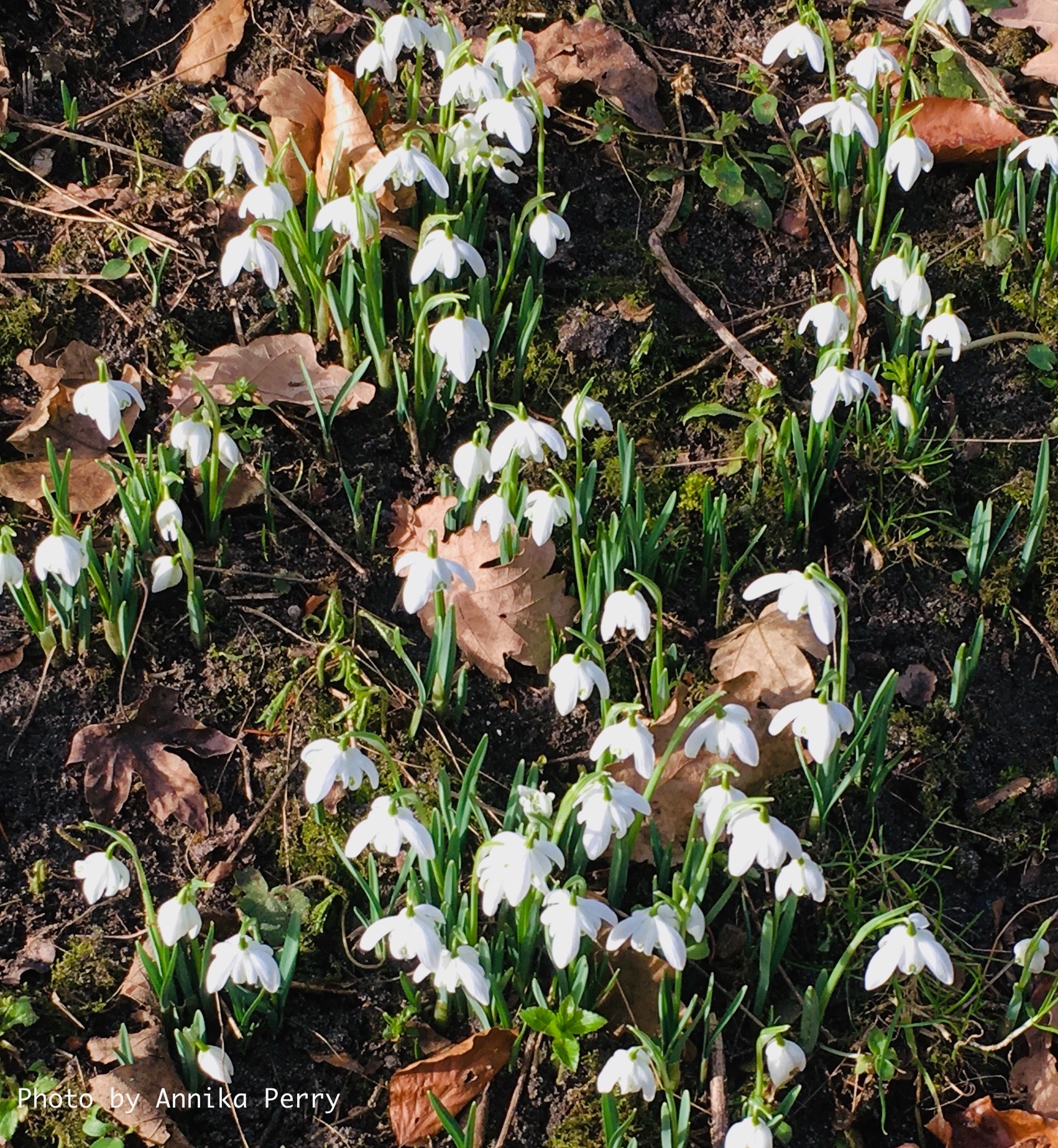
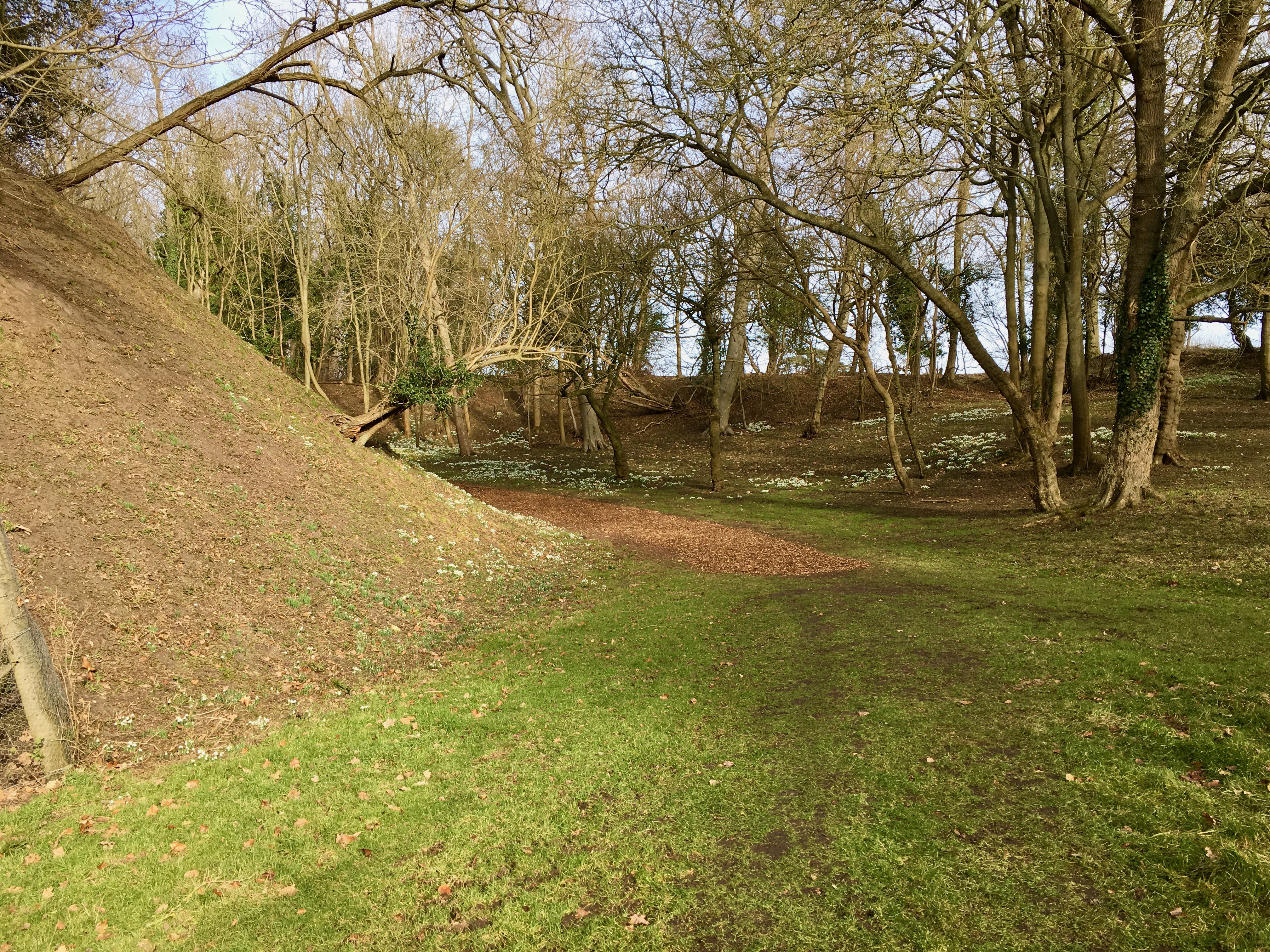
Hedingham Castle, a key military stronghold, is built on a hill which gave it an excellent defensive position. A deep moat runs around the castle and in Norman times the area would have been kept clear to ensure visibility of approaching enemies from miles away. As its defensive significance waned in the eighteenth-century trees were planted to create soft woodland witnessed today on the long moat banks carpeted by snowdrops in February and these are still popular in the 2020s.
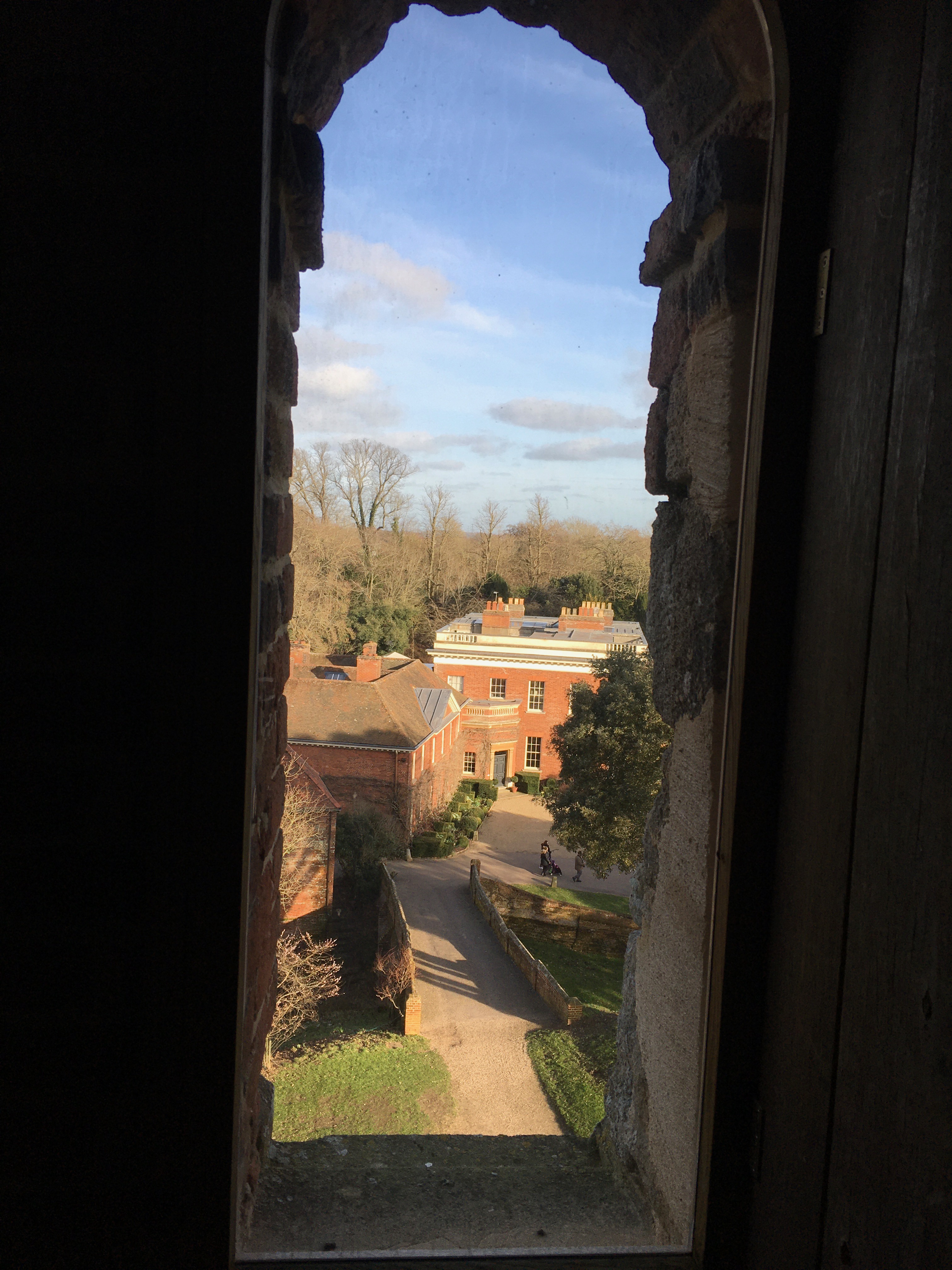
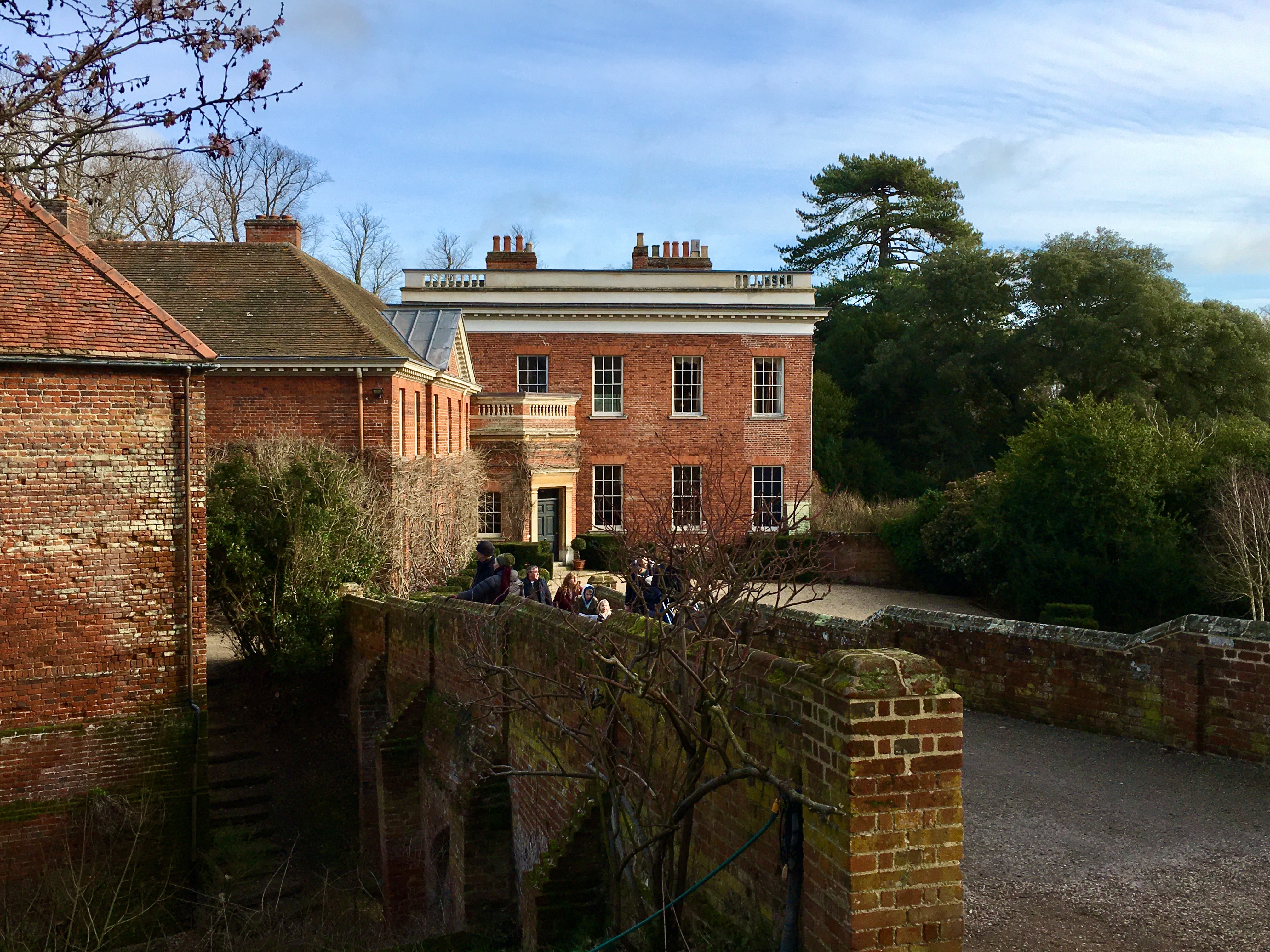
The original point of entry onto the castle grounds would have been a wooden drawbridge however this was replaced in 1496 with a Tudor bridge. On the grounds just outside this brick bridge a new owner of the castle, Sir William Ashhurst (a banker and politician) ordered the building of the Queen Anne House in 1719 and this still exists and it overlooks the lakes and landscaped gardens. The house replaced the 1498 buildings which included barns, stalls, granaries and storehouses.
The large green expanse surrounding the castle is known as the tilting lawn and here the knights would practice their fighting skills as well as hold regular jousting events. Also, archery and other battle skills were honed and displayed here. Nowadays, throughout the summer, there are mock traditional jousting festivals replicating the activities of the medieval knights – the power of the horses and the ability of the ‘knights’ are truly awe-inspiring.
In the seventeenth century, the castle became superfluous as a defensive building and it was quickly falling into a state of disrepair. As a result in 1600 the 17th Earl of Oxford demanded that the majority of the castle be pulled down and what is left today is the main keep. This keep is one of the most impressive keeps in the country; another famous one is at the Tower of London.
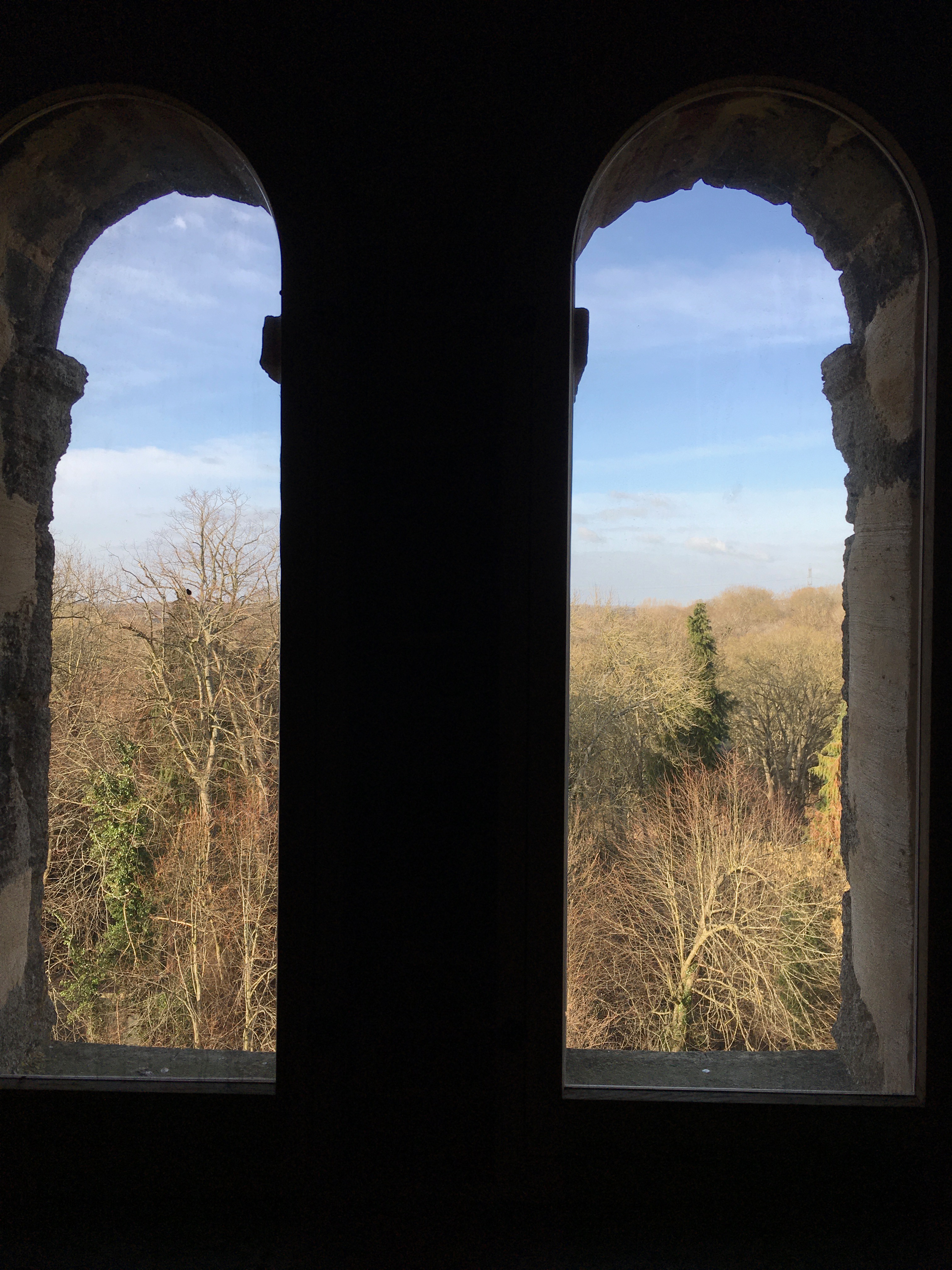
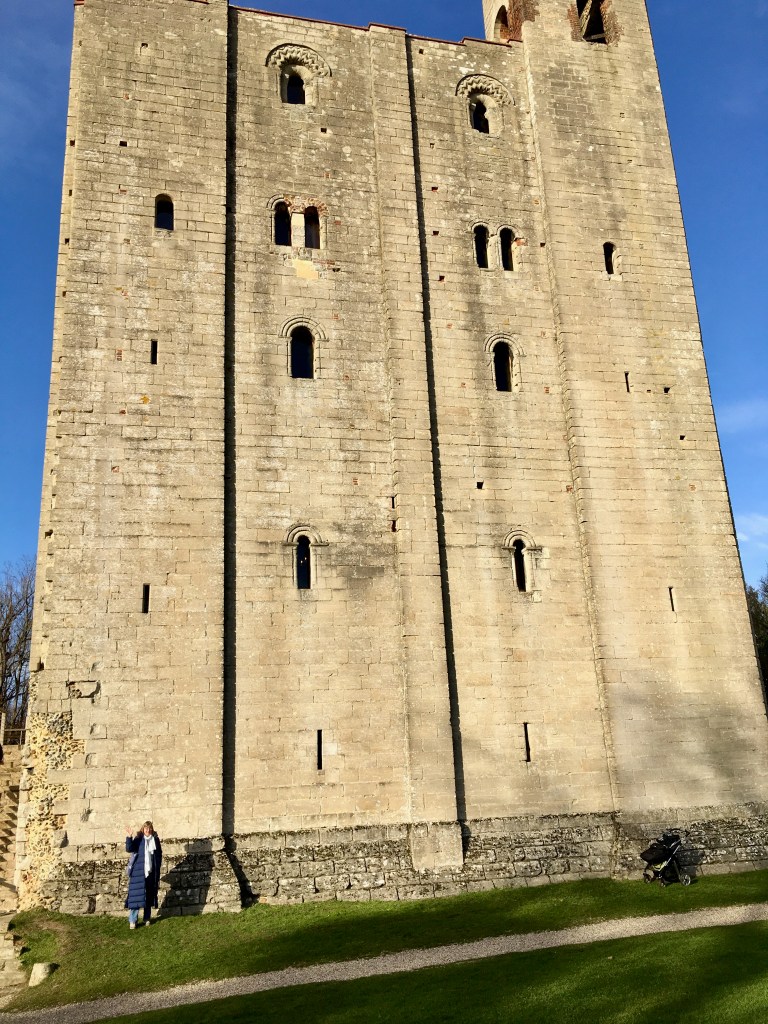
The keep is neck-achingly high and standing below it one can barely see the top 37 metres / 110 feet above. The walls are incredibly thick and strong at nearly 4 metres / 12 feet wide. This was a castle and keep built to keep the enemy out and its nobles, knights and families safe!
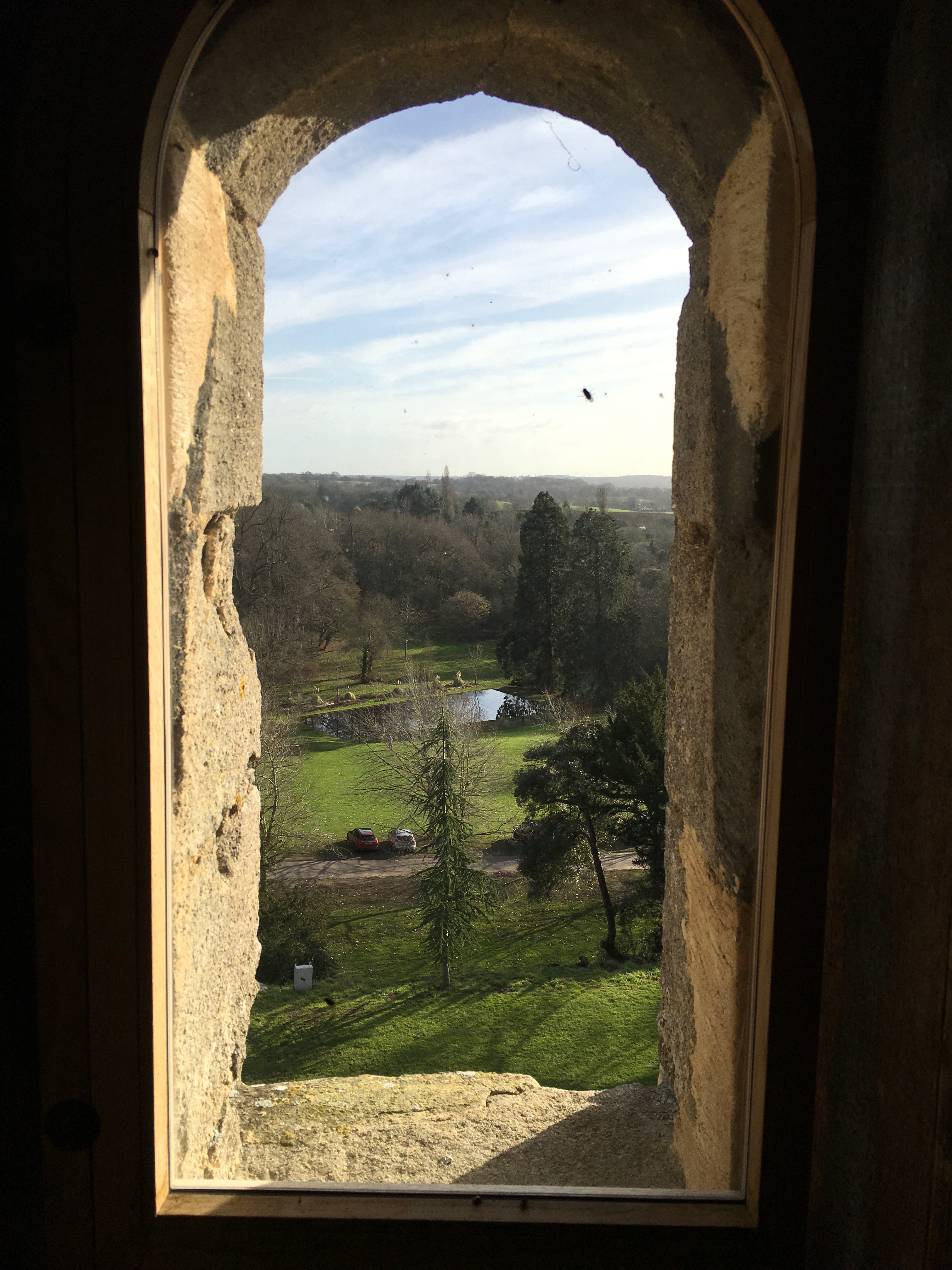
On the lowest level of the castle were the dungeon and storage. A stone staircase from outside leads onto the ground floor of the castle and here, on the garrison floor, the soldiers would have been sequestered. The small slits of windows surrounding the room let in just enough light and were wide enough for archers to shoot out at approaching enemies but small enough to make sure that no missiles entered the keep.
A garderobe (primitive toilet) is housed in one corner of the garrison floor, and is mostly a seat with a long open drop to the outside!
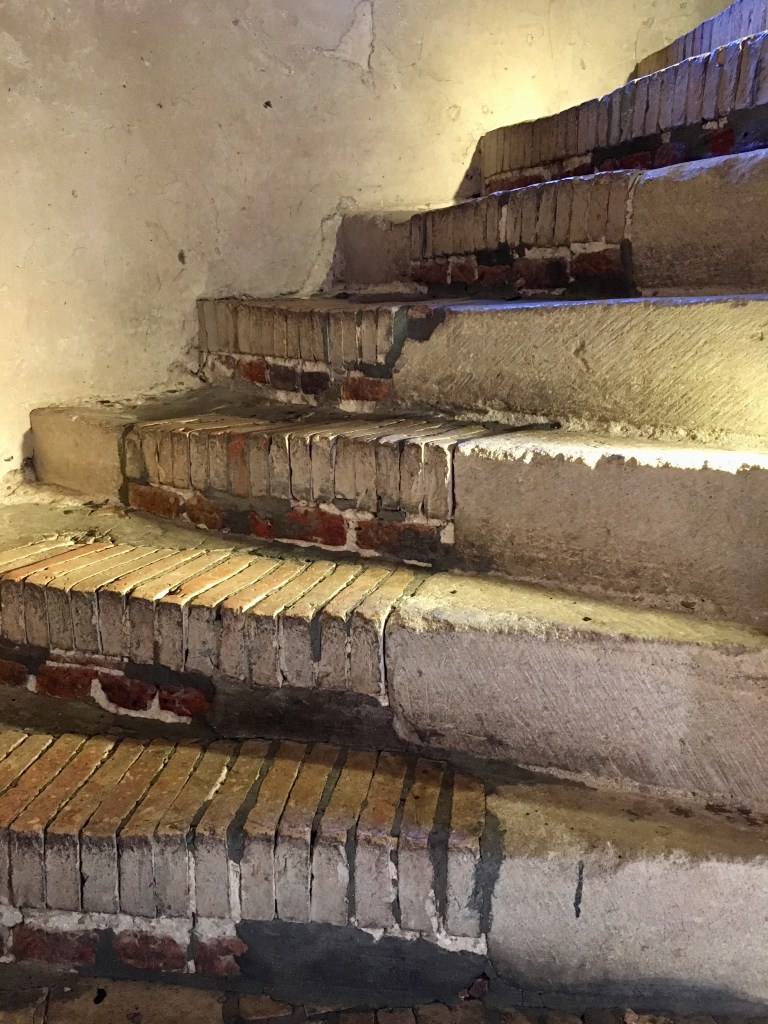
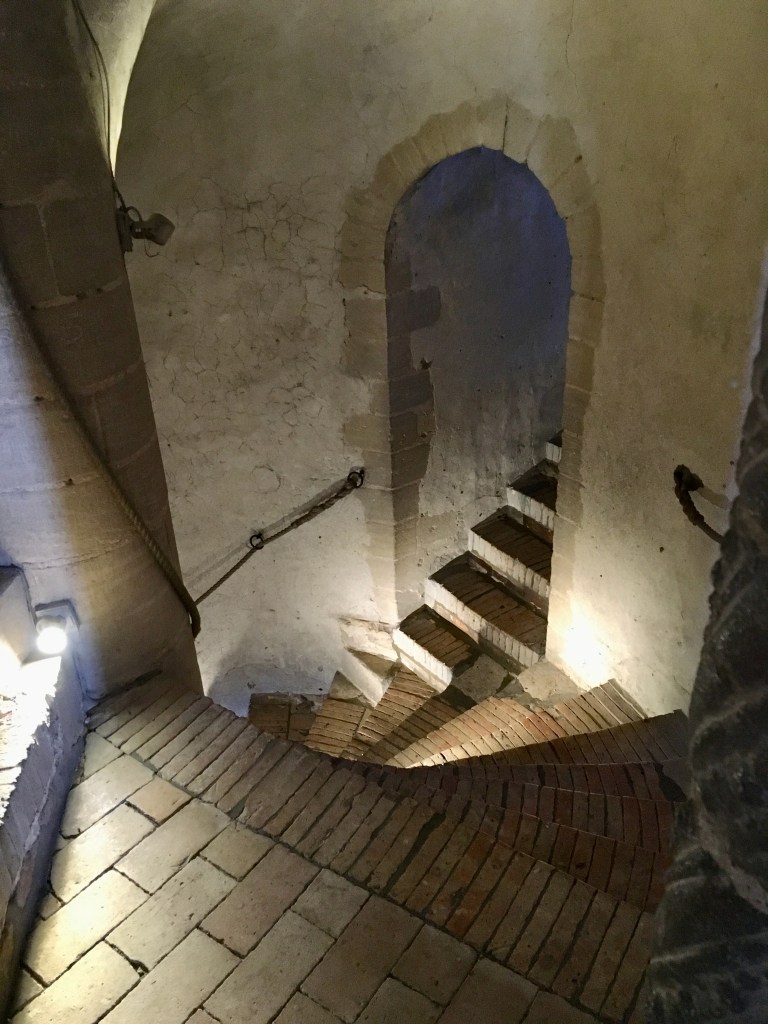
The beautiful mysterious staircase runs within the walls up to the other levels of the keep. The original stone steps were replaced by brick in the fifteenth century and the next floor leads to the stunning banqueting hall.
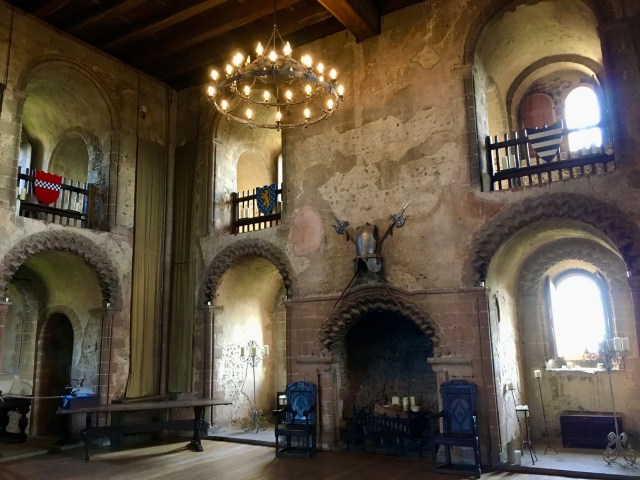
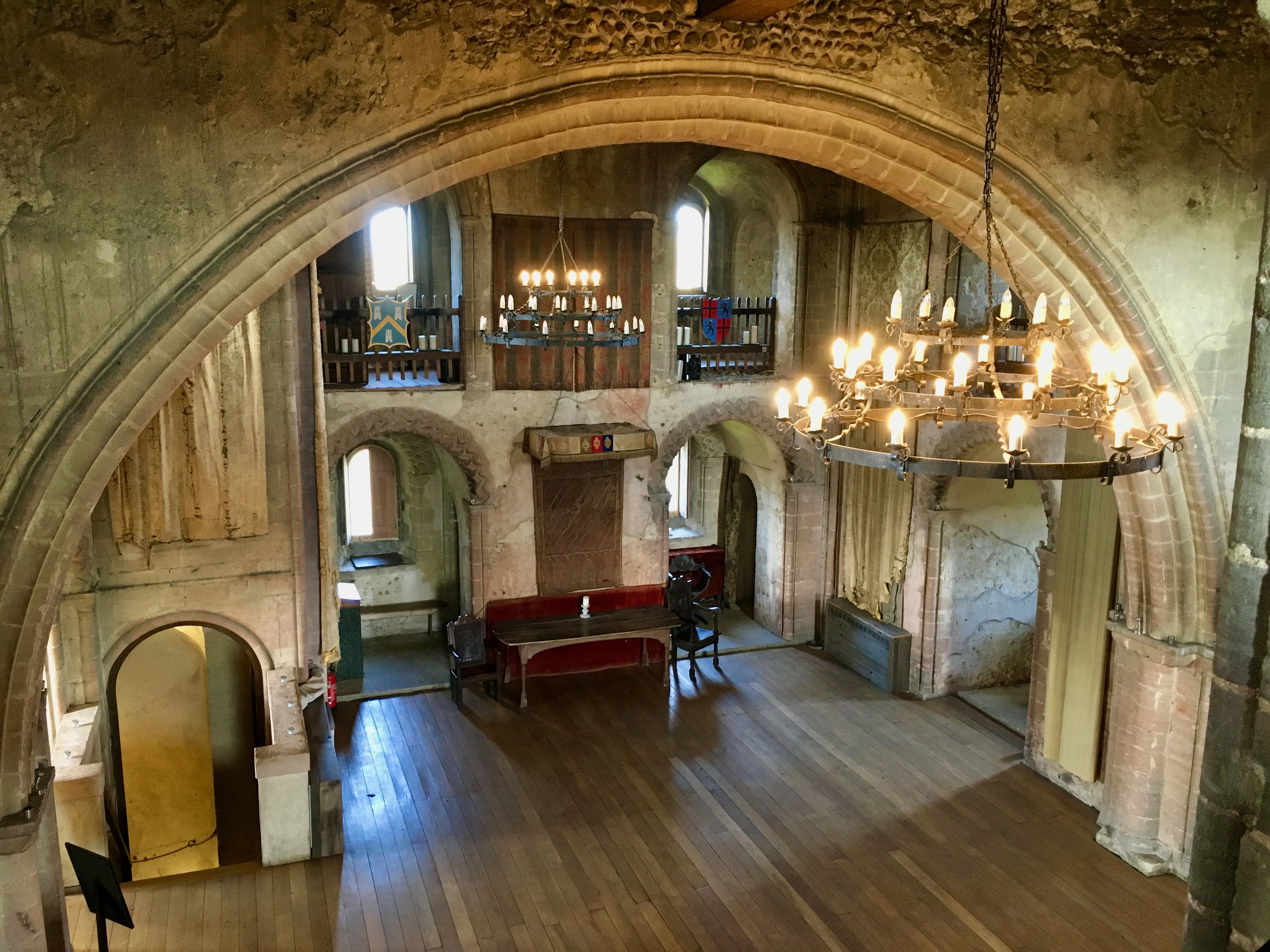
The hall is one of the finest domestic interiors still fully intact. It is a splendid room and towering across its length is an awe-inspiring breathtaking arch. The arch is the largest existing Norman one in England at 8.5 metres / 28 feet wide and 6 metres /20 feet high. The room would have been the headquarters for the Earl of Oxford; here the Earl lived with his family and from here the castle and estate were administered. The walls would have been covered by rich tapestries and rugs. The vast space would have been kept warm by the giant fireplace with its distinctive elaborate double chevron patterns renowned in Norman times – carvings seen throughout the castle.
Compared to the rich and luxurious carvings and wall hangings, the furniture would have been simple, with trestle tables, benches and wooden chests while rushes covered the floor.
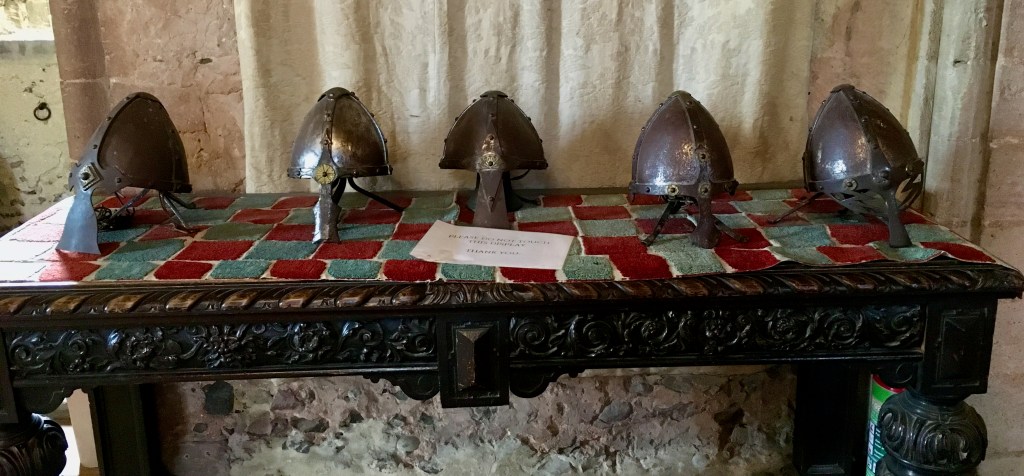
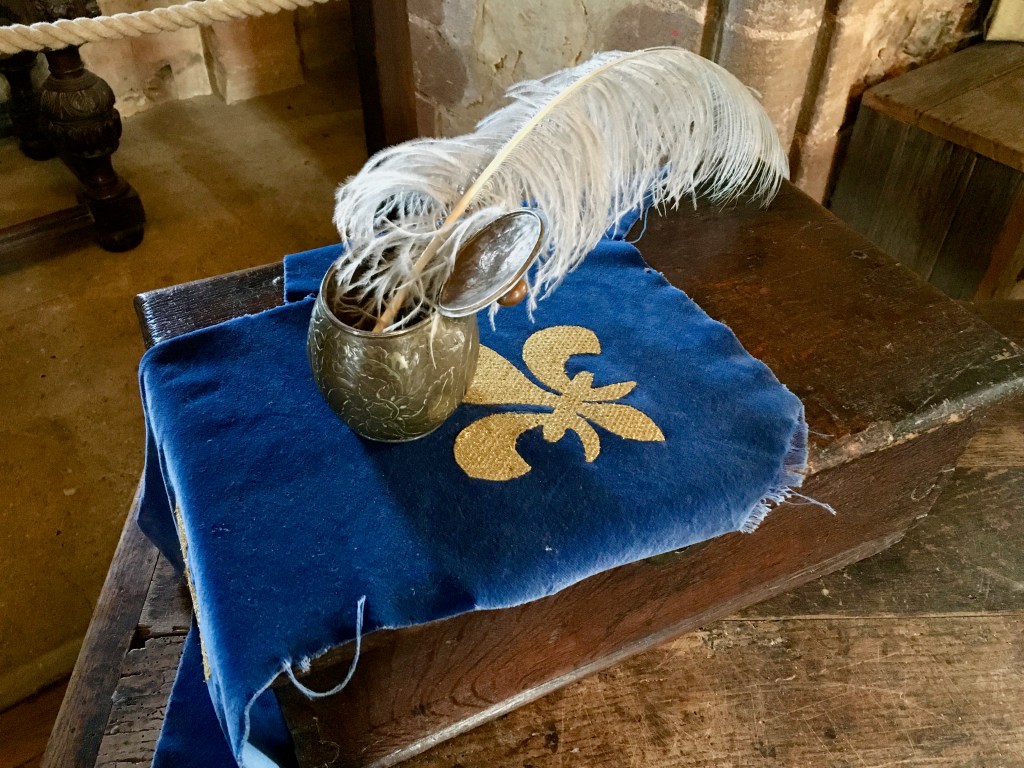
Medieval helmets!Goose or swan feathered quill in ink pot.
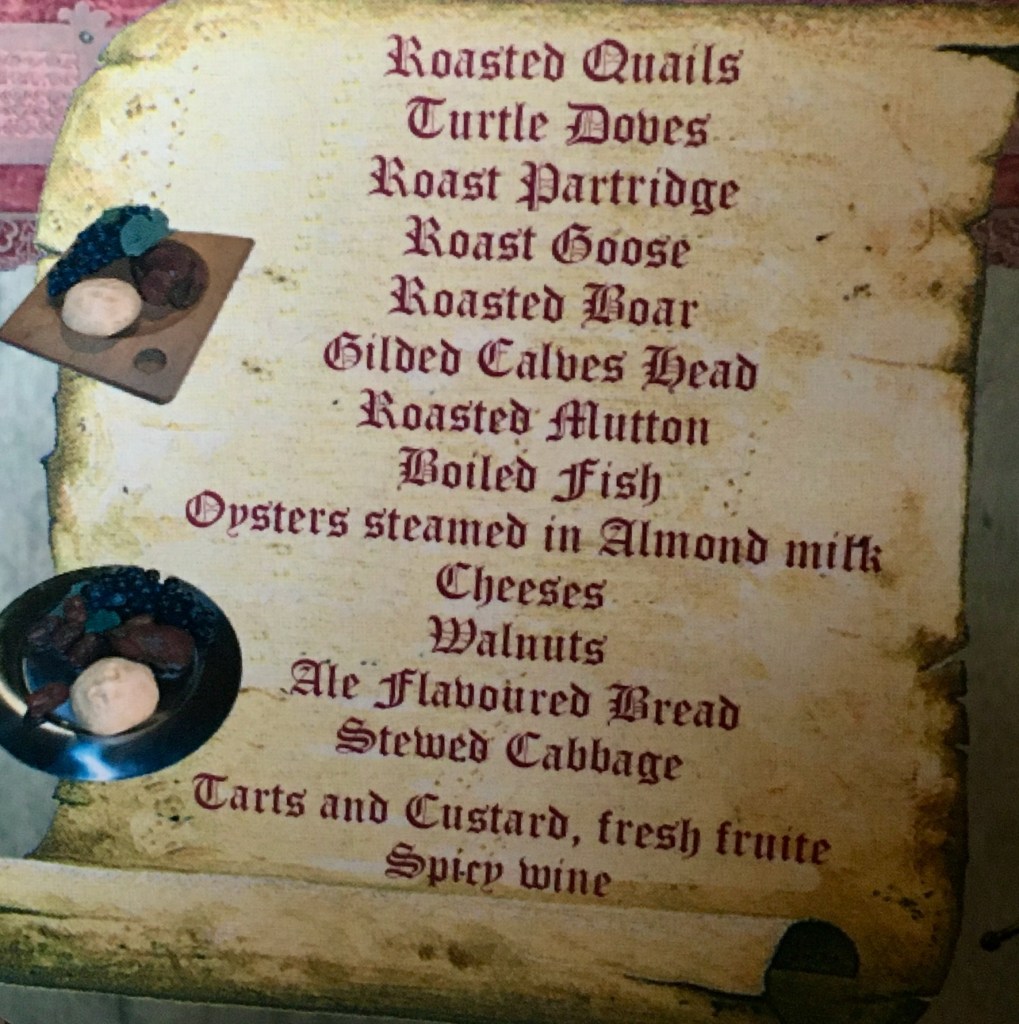
The diet of the time was based heavily on game such as deer and pheasant while the diners were entertained from the minstrel’s gallery above.
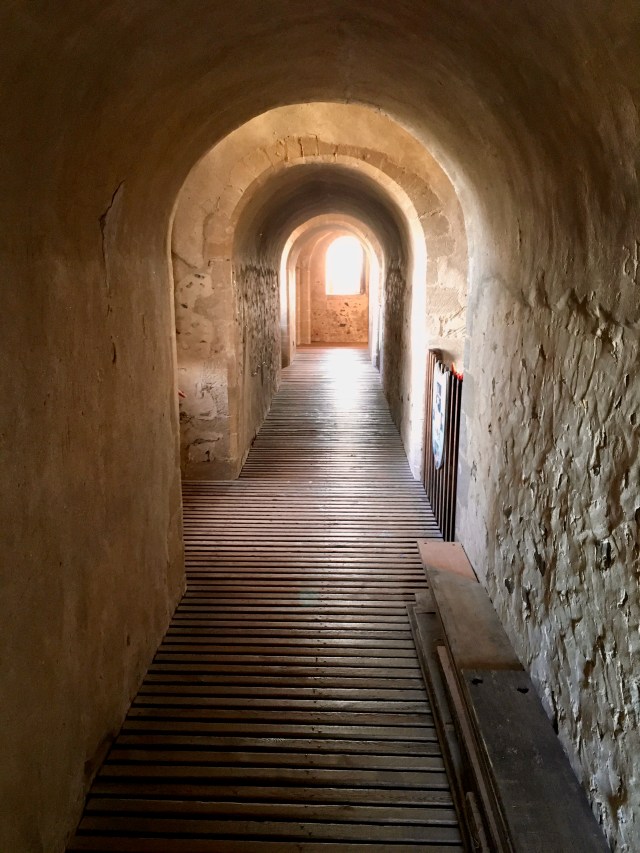
The ever-narrowing inner staircase leads to the minstrel’s gallery, a haunting corridor tunnelled inside the thick castle walls and running all around the banqueting hall. From here the travelling musicians, jesters and magicians would perform their craft, clearly visible from below.
The Minstrel’s Gallery
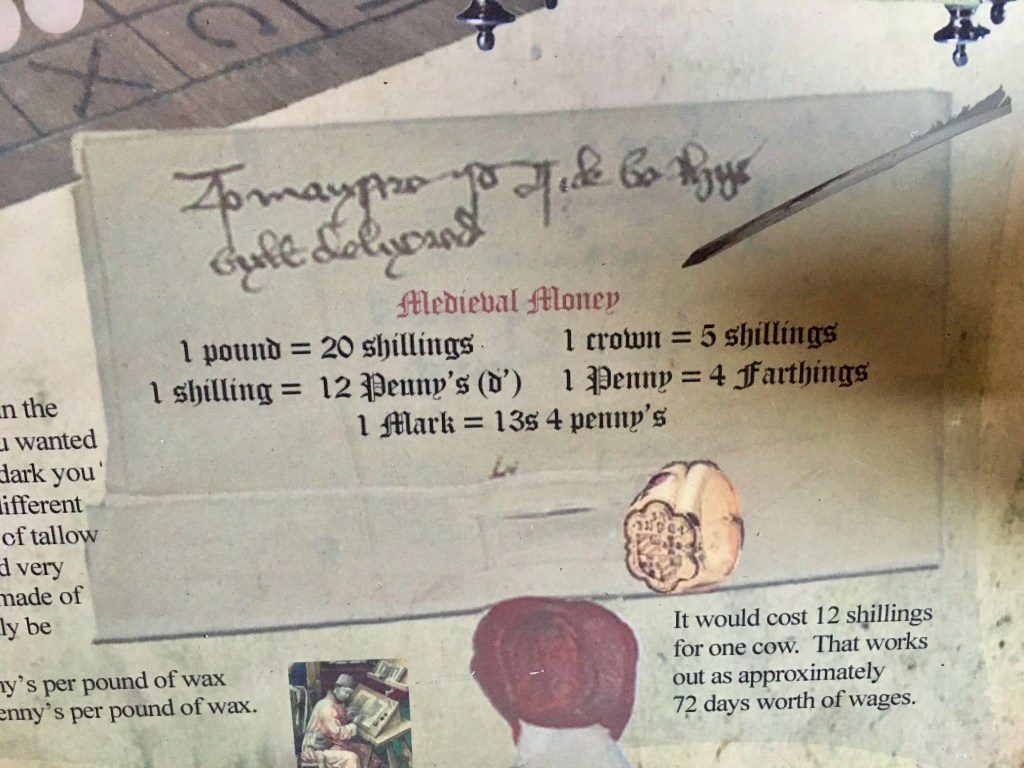
A typical medieval banquet menu!A explanation of Medieval Money!
The top level of the keep was the dormitory section of the castle and more simplistic in its decor and layout.
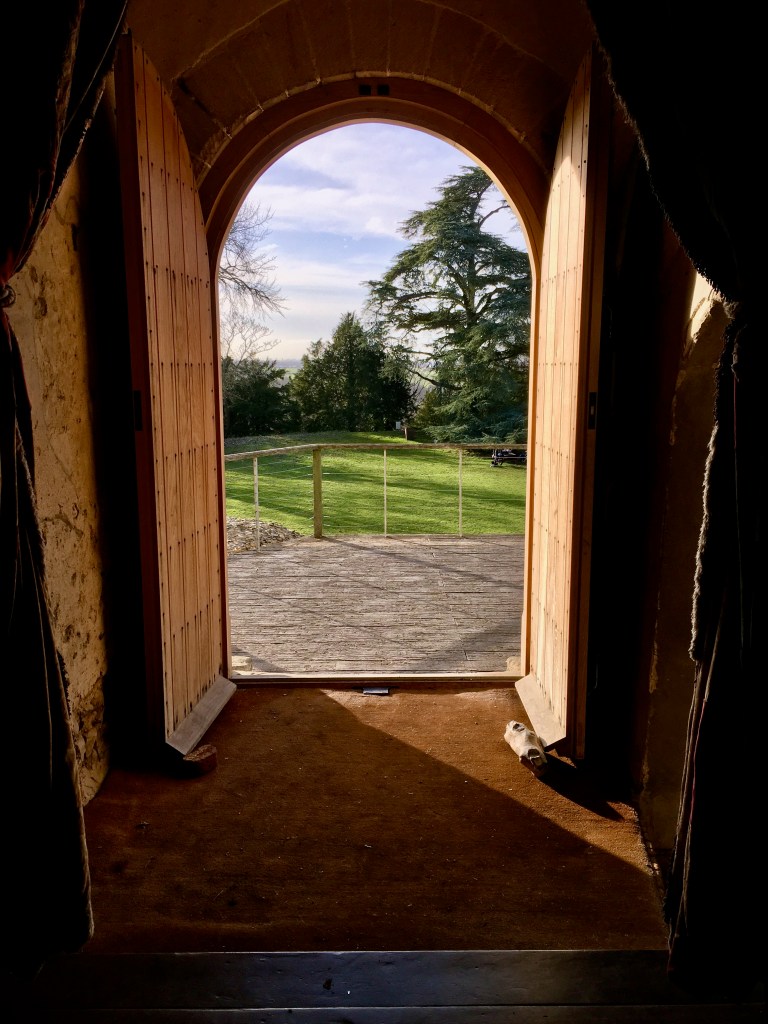
It is time to exit through the magnificent double chevron-carved arched double doors of the castle. These doors date from the 1870s and were originally from the Blue Boar, a local pub in the village.
The main double-door entrance onto the tilting lawn
After a memorable morning of exploration, one becomes fully immersed in the incredible history of Hedingham Castle. A castle which was twice successfully besieged for short periods, once by King John in 1216 and a year later by the future King Louis XV11. A castle whose owner, Edward de Vere, 17th Earl of Oxford, is strongly rumoured to be the true writer of Shakespeare’s work (if interested read more here). A castle filled with the aura of its extraordinary past.
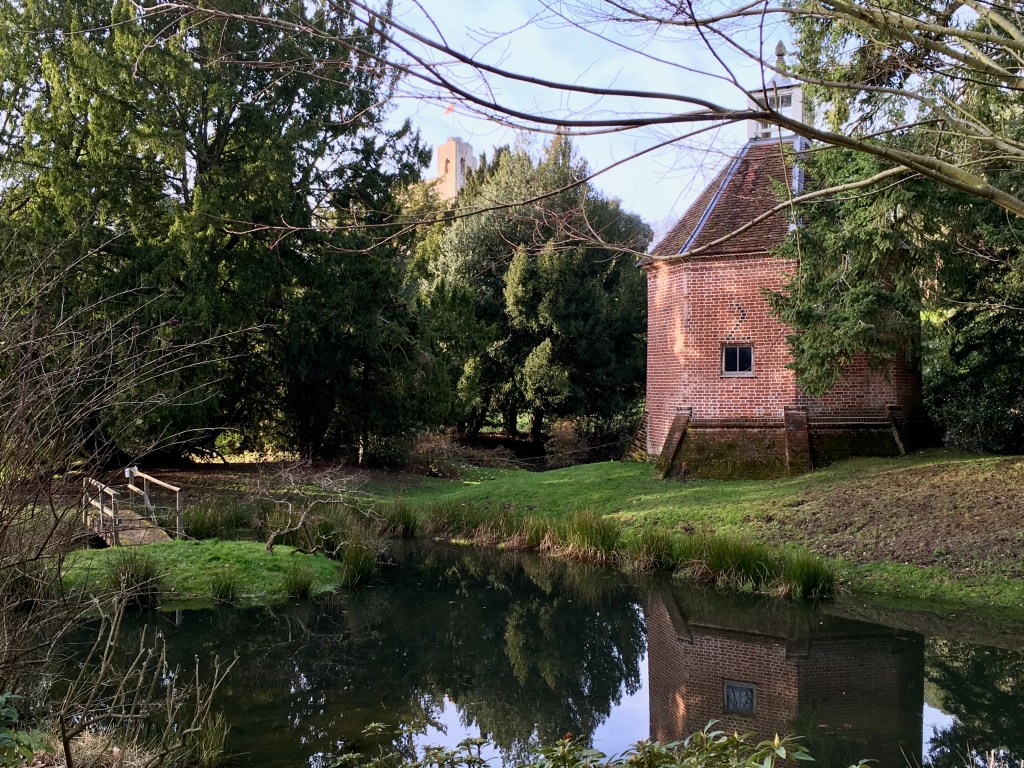
The dovecote which was built 1720
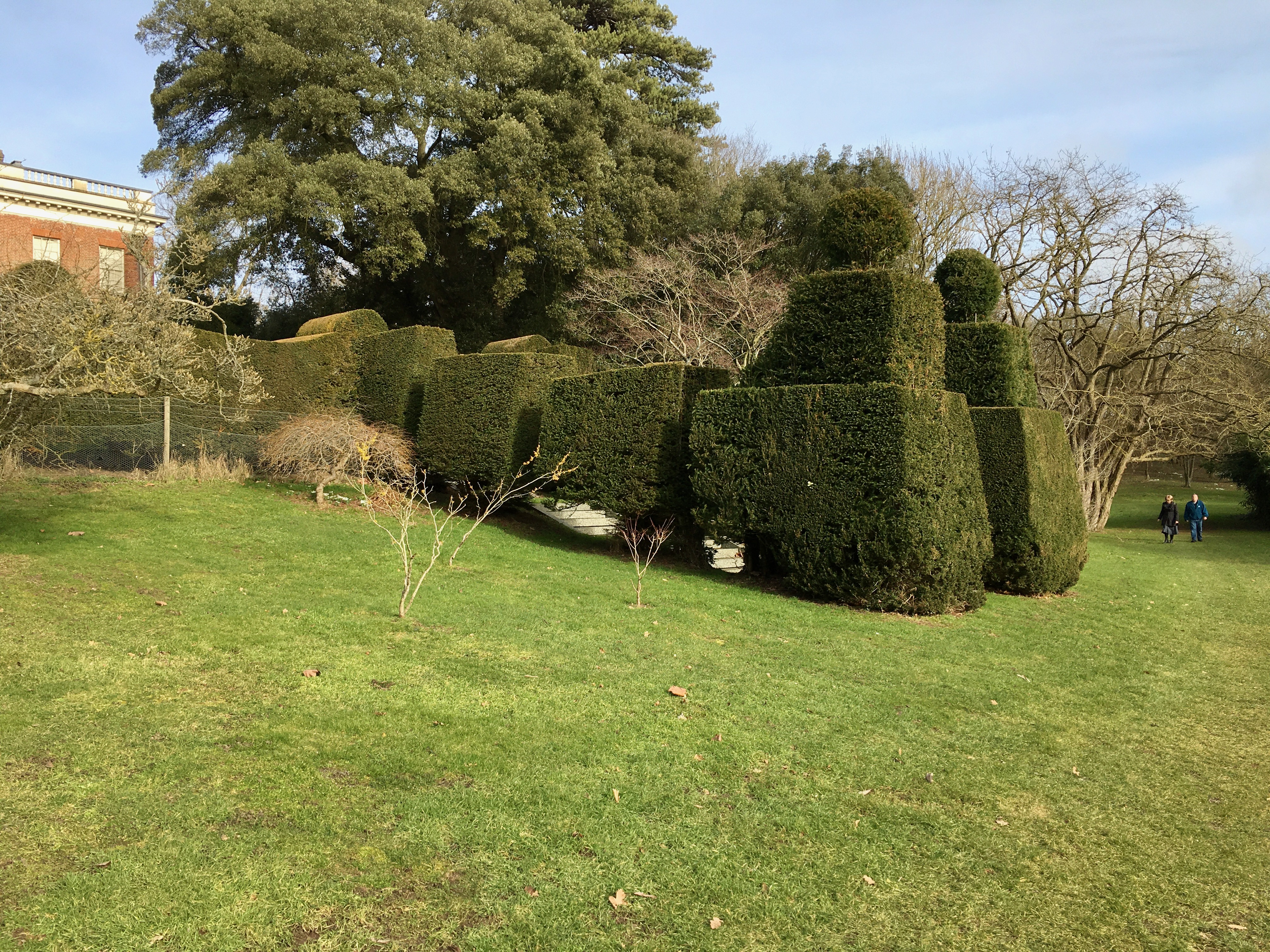
Stepping out into the sunshine was that the sound of battle? The voices of medieval folk on the tilting lawns? With a head full of facts and figures, with imagination over-heating on stories from the past, a refreshing stroll of the grounds beckoned. A time to stop and admire the snowdrops, the beautiful gardens and the lakes. Near one lake stands a dovecote from 1720 whose 460 nest boxes supplied meat and eggs for the family.
A sense of scale to the castle – I’m waving hello!A breather after a fun time stepping back 900 years!
The twentieth century saw Hedingham Castle fall back into the fold of the de Vere family. Its new owners, the Lindsays, are part of the famous family through inheritance. Through their hard work, the castle and its grounds are once again part of the community through its open days of jousting, car shows and open-air theatre as well as being a popular place for school educational visits. Furthermore, it is a unique and memorable location for weddings!
The grace of an invisible hand flits across her cheek, an ethereal sensation. She leans forward, longing for more.
The bombardment of silence thunders in her ears whilst the meandering of bumblebees is amplified to Concert crescendo.
Eyes closed, she senses the trials of thousands of years Swirling around her soul.
The ghostly guide tugs impatiently At her hand.
‘Not yet’, she replies. ‘Soon, very soon.’
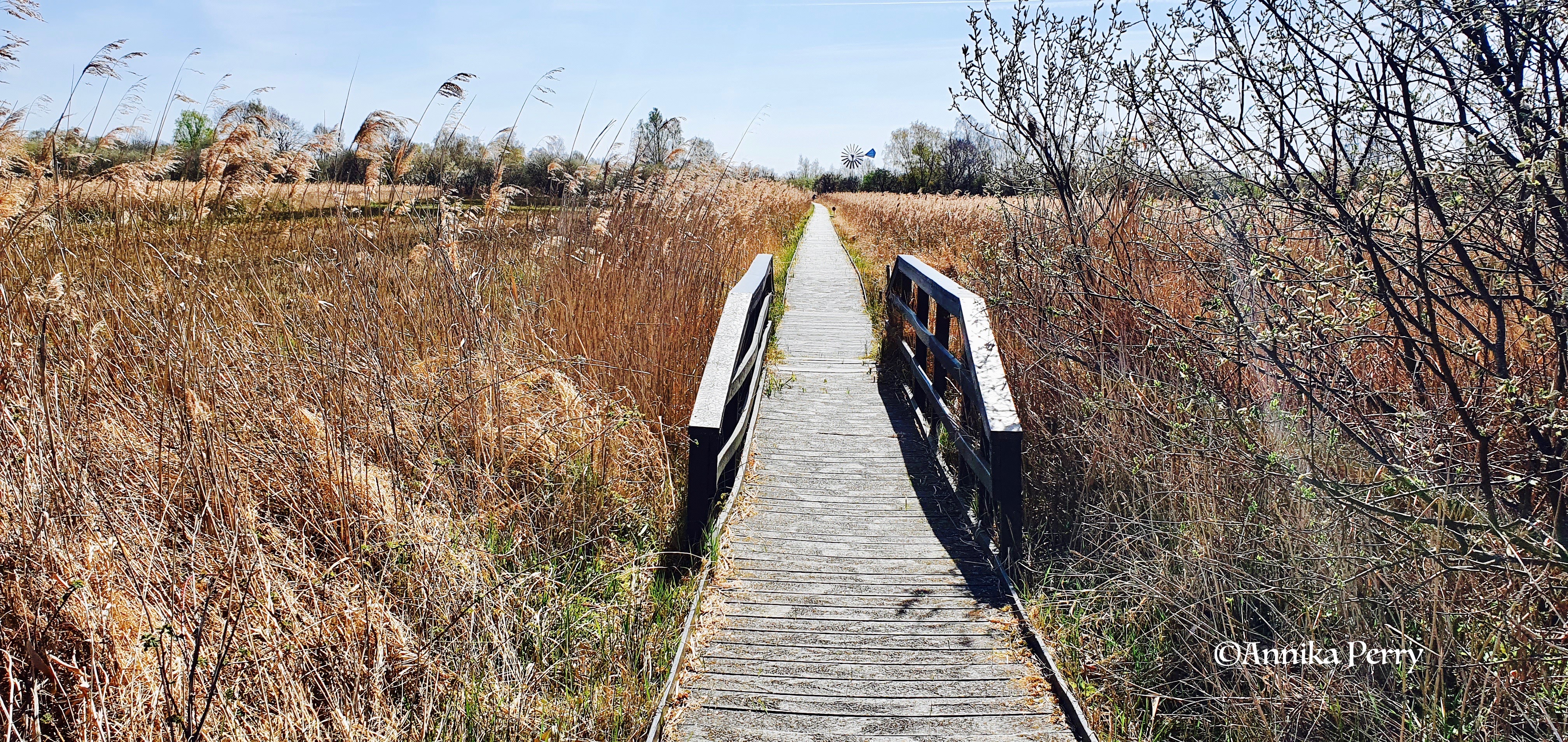
First she needs the grounding Of the boardwalk.
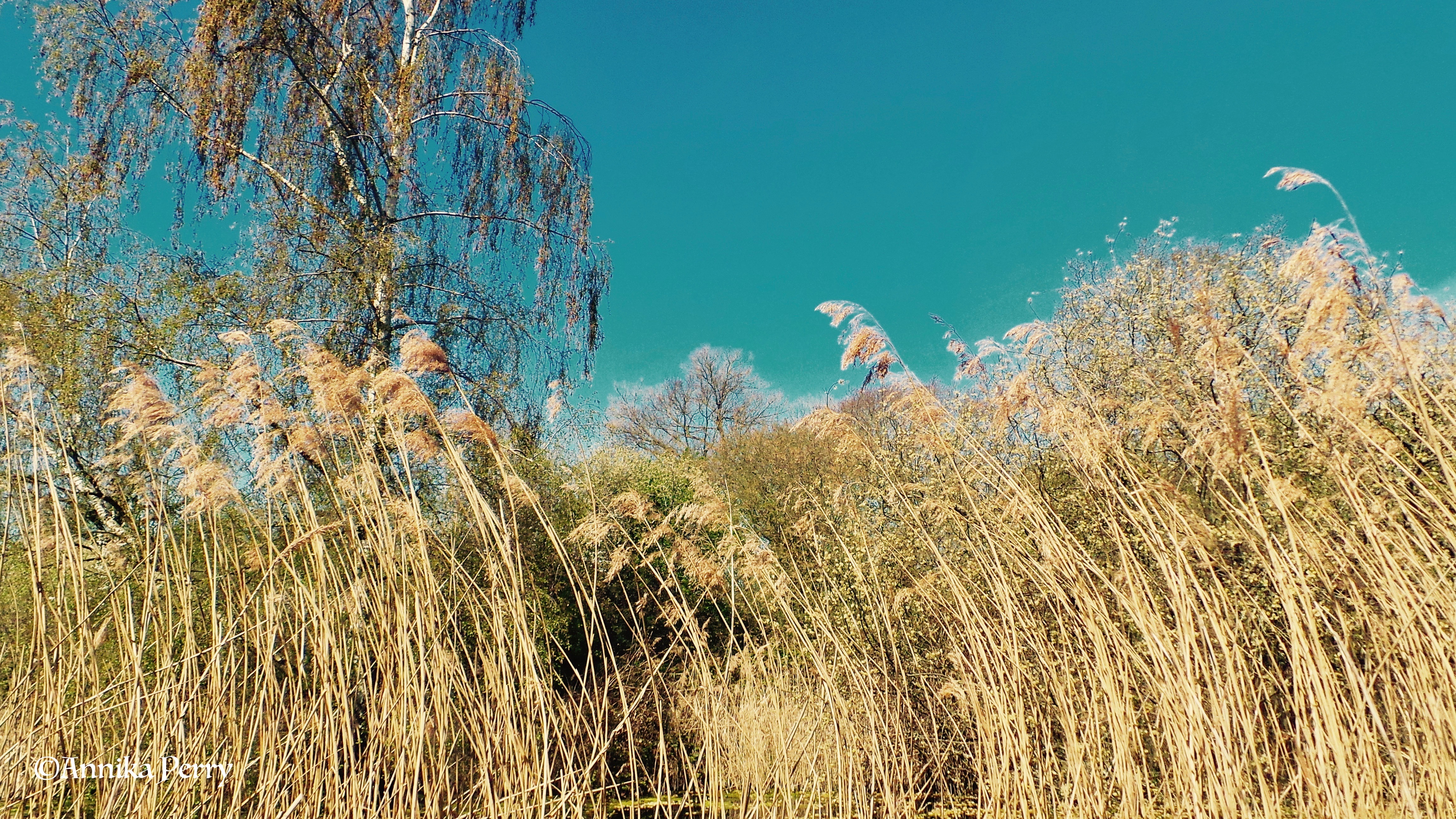
As far as the eye can see Reeds and sedge dance in the breeze A bewildering display unleashed. The unified being pulsating with life; Its energy palpable.
The cerulean sky reaches To infinity. Unhindered by obstacles it sweeps down to The sunbeam of golden land.
Ahead indistinct voices drift towards her The unknown language beguiling. The air punctuated by thumps of axes Trees hewn by brute force.
A canopy of oak leaves looms above her She shivers, sways and swoons Into the arms of the mystical being.
‘The Spirit of the Fen’ was inspired by my recent visit to Wicken Fen, the oldest Nature Reserve in Britain. Immediately I sensed an enchantment within the ancient fenland of East Anglia.
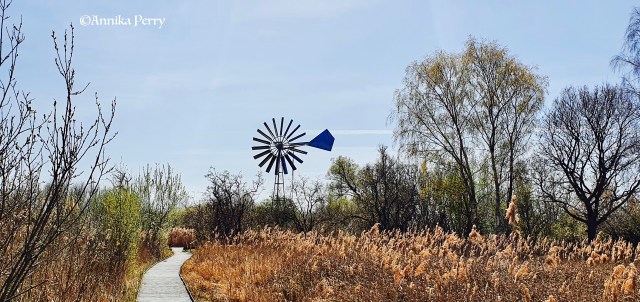
An inventive and enjoyable set of boardwalks has been created around the fen to allow visitors to the site whilst protecting the landscape and wildlife. It was thrilling to step out just above the water, gazing out upon the bewitching scenery.
The fens are made up of the fens, marshes, reed beds, farmland and woodland. There is a deep peat soil that is kept wet by rainfall and clean, chalky river water.
Within the low lying water reed and sedge are grown for harvesting. The latter is used for thatch roofing which is still used for many older buildings within the country. The earliest recorded sedge harvest was in 1414.
Furthermore, the fens are rich with a variety of floral and fauna with over 9000 species of animals, birds and insects thriving in the area. I only saw a handful of these alas! Charles Darwin in the 1820s favoured the spot for finding beetles.
The reserve was founded in 1899 by the National Trust to preserve its iconic habitat and the first parcel of land was donated to the Trust by Charles Rothschild in 1901.
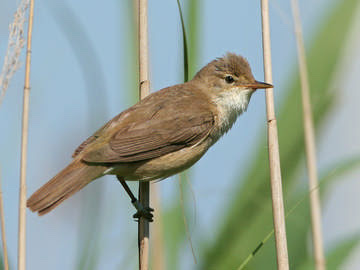
A Reed Warbler
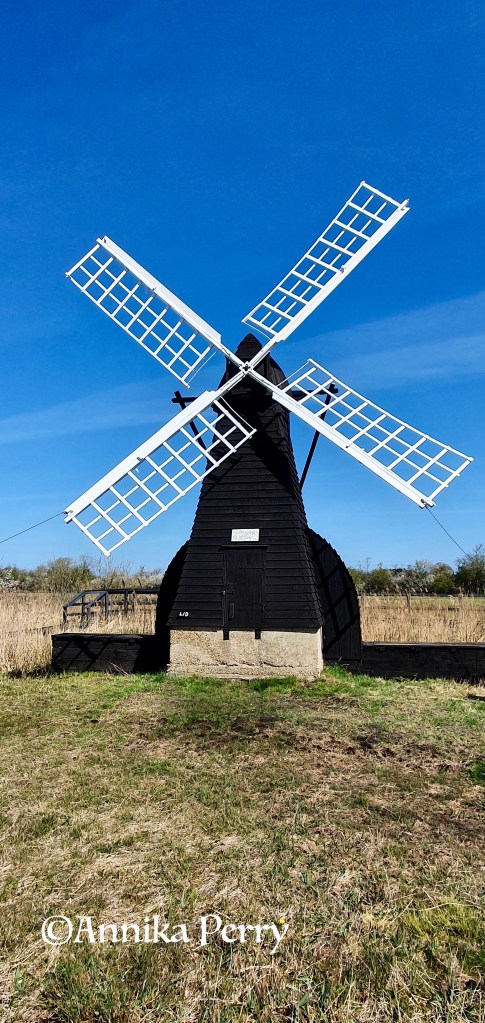
Although some parts of the southern fens were made into navigable waterways by the Romans called the ‘Lodes’, the majority of the fens were barely accessible before they started to be drained for farmland in the seventeenth century using windmills. Wicken Fen remained undrained and continued as a business for peat and sedge until the end of the nineteenth century.
Although Wicken Fen is currently quite a small area a new 100-year project was launched in 1999 to mark the 100th anniversary of the first acquisition. The Wicken Fen Vision is seeking to expand the fen to a size of 22 square miles to preserve and increase its exceptional biodiversity.
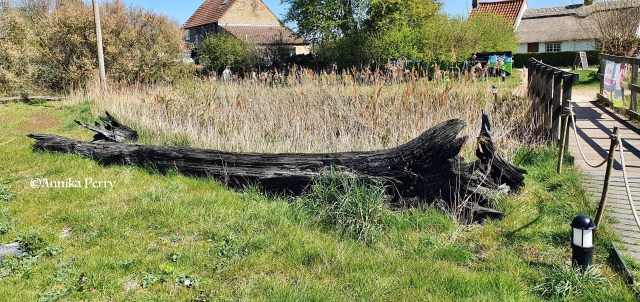
Finally, it was fascinating to learn about Bog Oaks upon leaving the Nature Reserve. These are remains of trees preserved in the waterlogged peat and just such a tree was unearthed in 2016 whilst a ditch was cleared, pictured below. Some bog oaks are from the Bronze Age and it is staggering to think that before me lay a tree trunk from possibly 4200 years ago!
Bog Oak, possibly 4000 years old
The magical aura of Wicken Fen stayed with me long after my visit, the peaceful, harmonious presence lingering within. It will not be long before I return to this unusual place of natural beauty to explore more!
We left without fanfare, a couple pulling out of the drive without a fuss. The ado was all within me, here an orchestra was in mid-flow, a crescendo of excitement, a flurry of violins, the brass instruments joining in! As we turned down the road did I spot a bagpiper wishing us farewell?!
Our first trip away for nearly two years already felt surreal and mirrored my many dreams of this moment. Days earlier it was with disbelief that the suitcases found their way down from the loft, the cool box washed and aired! My packing list was referred to repeatedly (yet how did I forget my Kindle which later resulted in a magical time surrounded by books in the local W H Smith’s!)
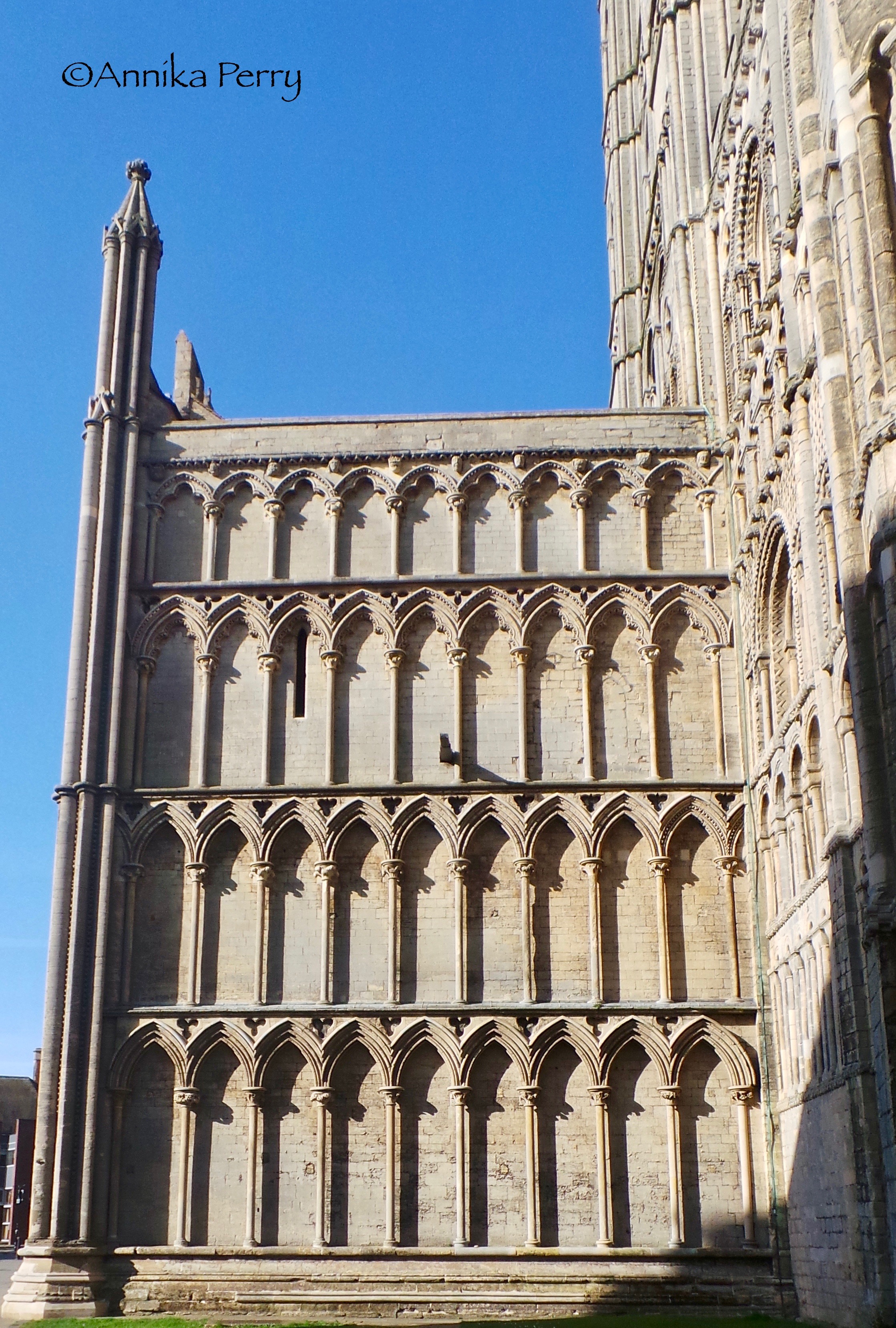
The origins of Ely Cathedral reach back to 672 when Etheldreda, daughter of Anna, king of East Anglia, founded an abbey on the site. It flourished for 200 years until it was destroyed by the Danes. In 970 it started again as a Benedictine community.
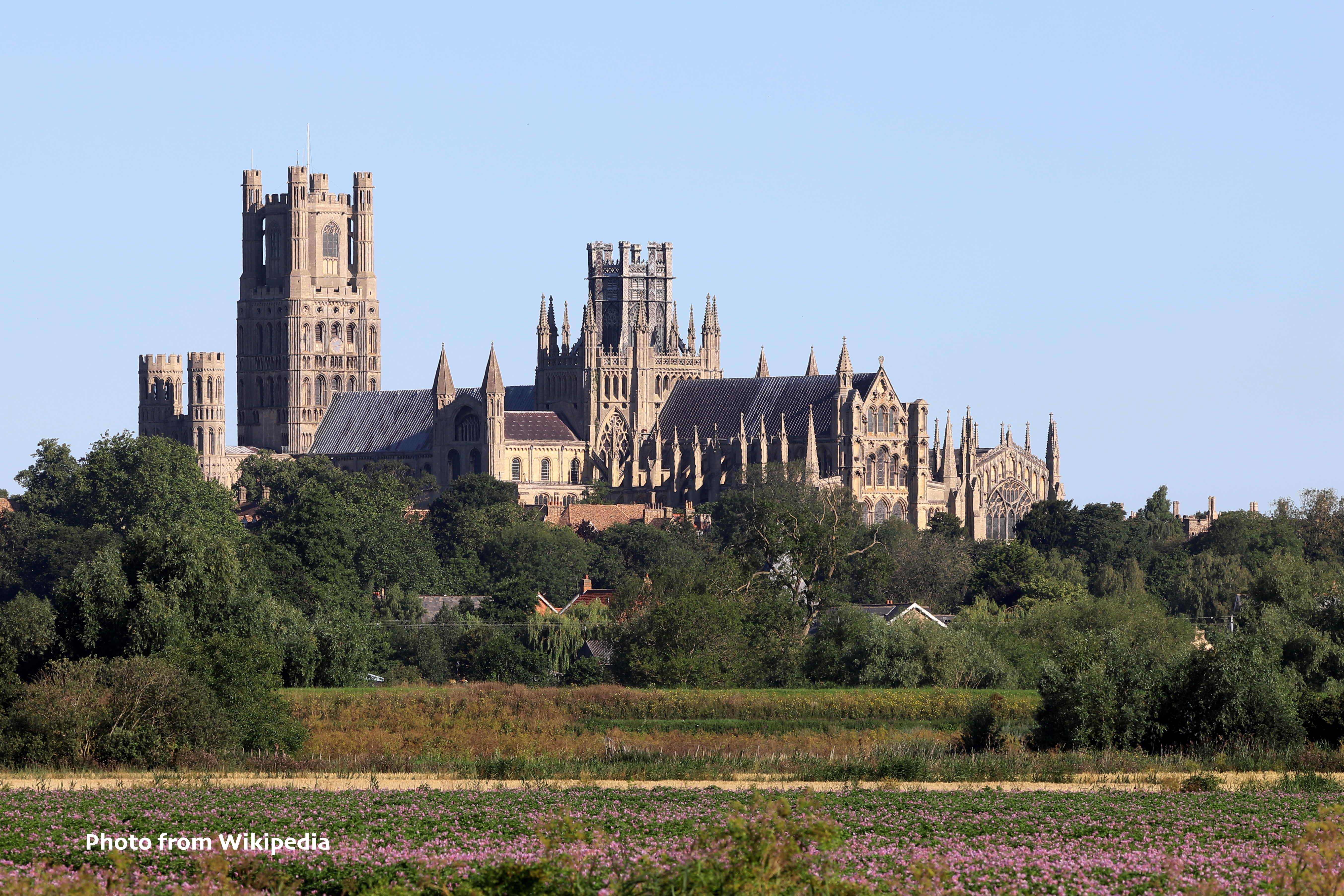
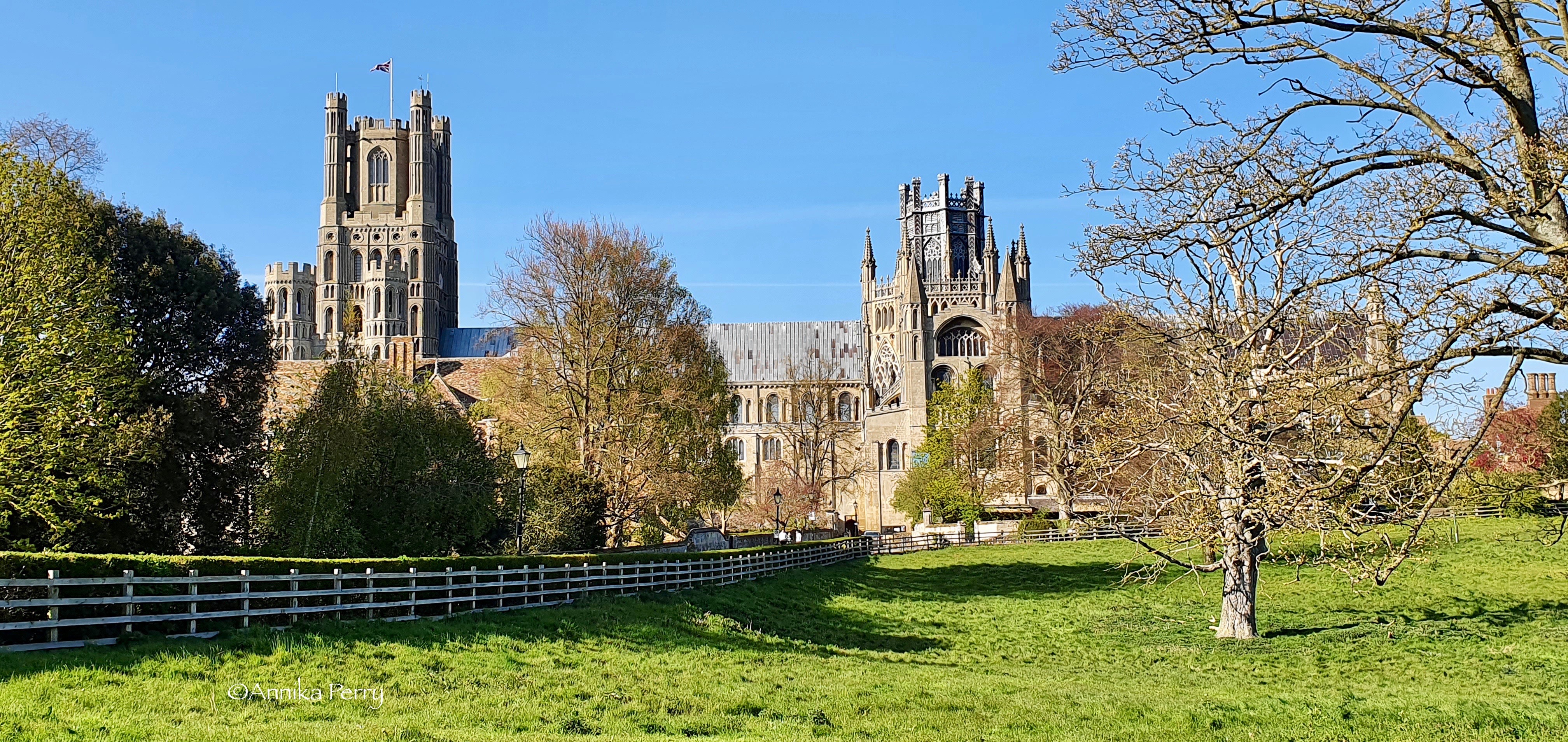
From afar the cathedral of Ely dominated the skyline, a glorious breathtaking sight, an architectural wonder! A constant as we approached the city and how it must have seemed a miraculous creation to the citizens nearly a thousand year ago.
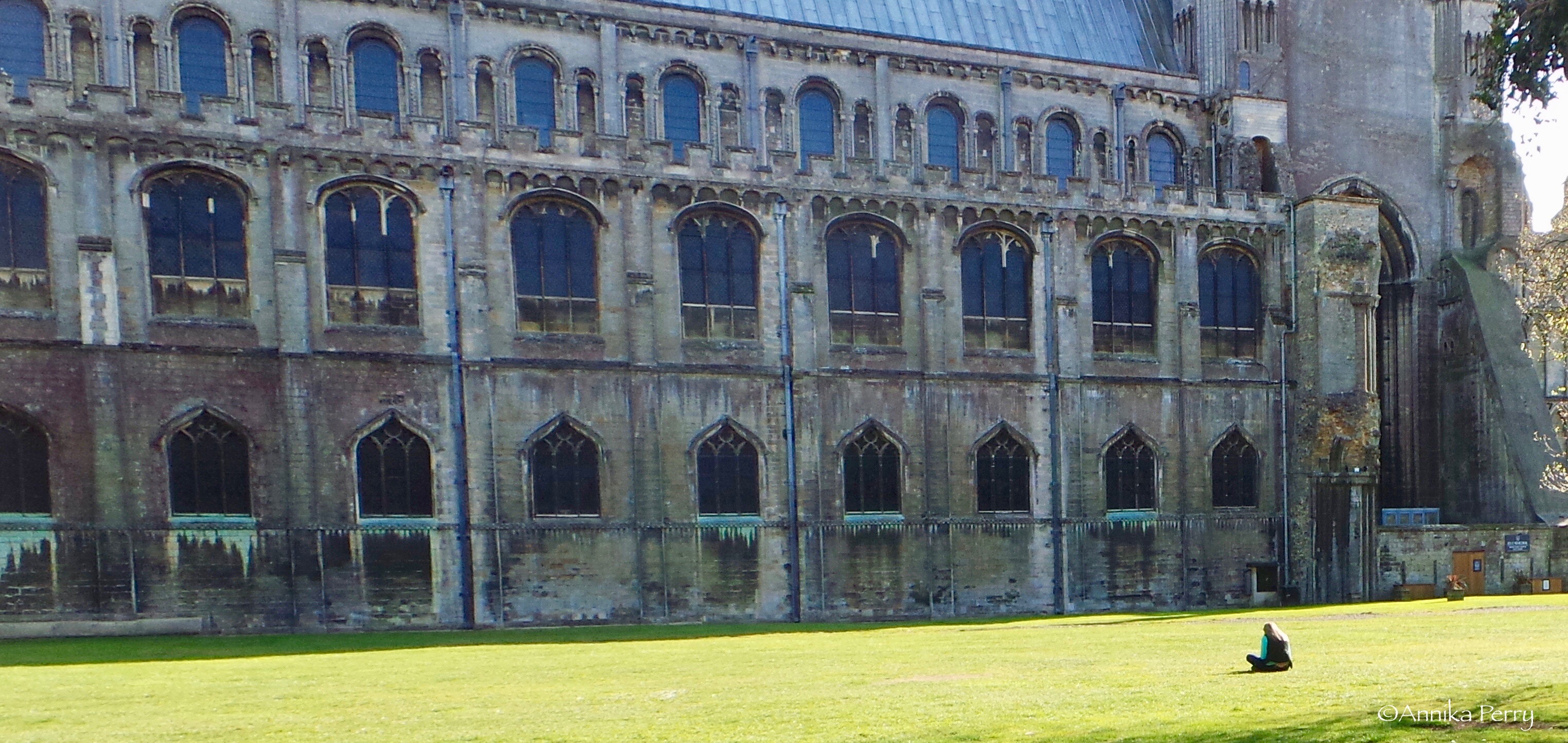
The current cathedral dates back to 1083 when it was rebuilt under leadership of Abbot Simeon. Work began when he was 90 years old!The monastic church became a cathedral in 1109.
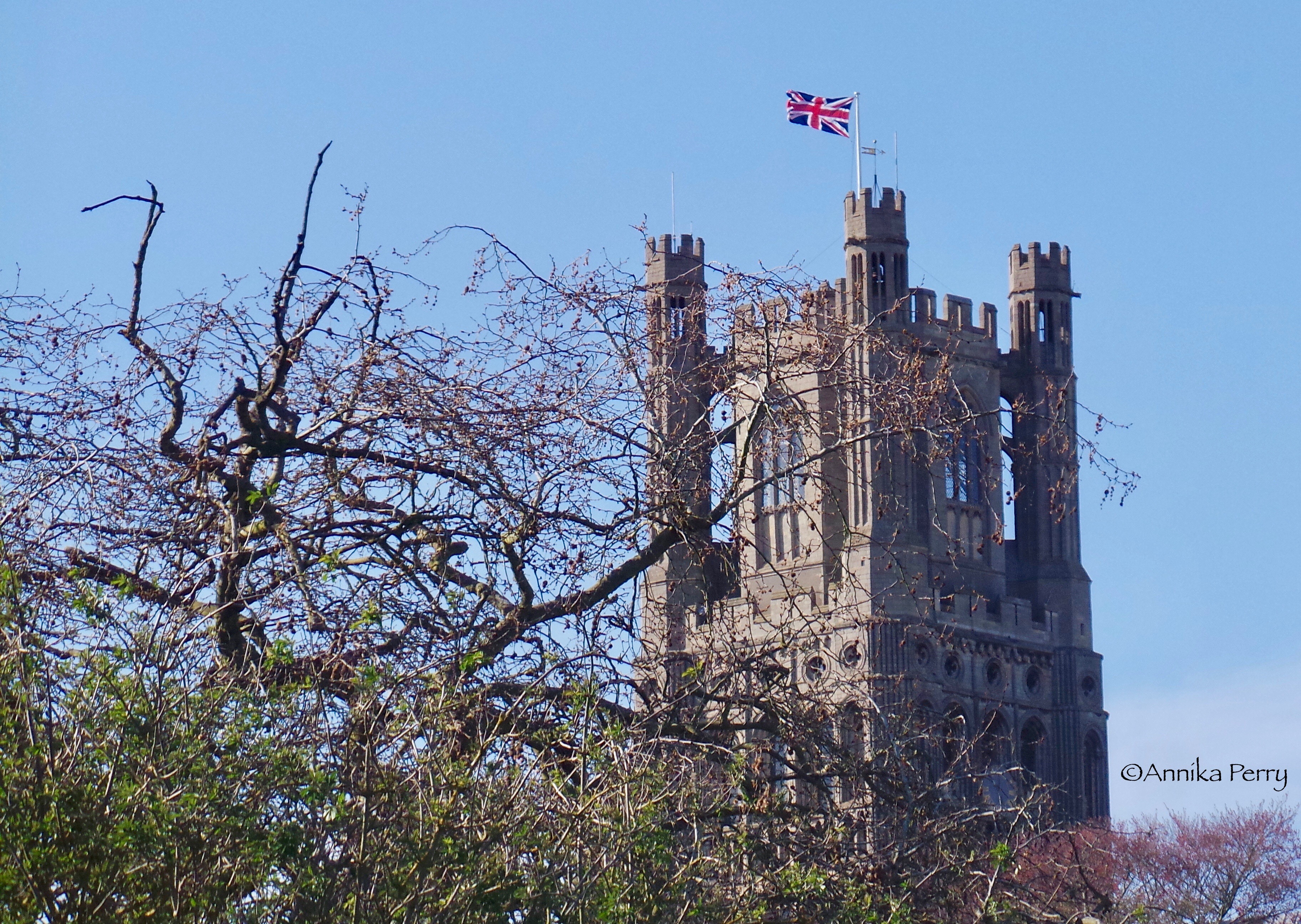
The West Tower was completed under Bishop Geoffrey Ridel (1174-89)
The monastery at Ely was dissolved in Ely by Henry VIII in 1539. It suffered less than many other monasteries yet countless statues were destroyed together with carvings and stained glass.
The cathedral was refounded in 1541. The first major restoration took place in the eighteenth century, then in 1839 and lastly in 1986, completed in 2000.
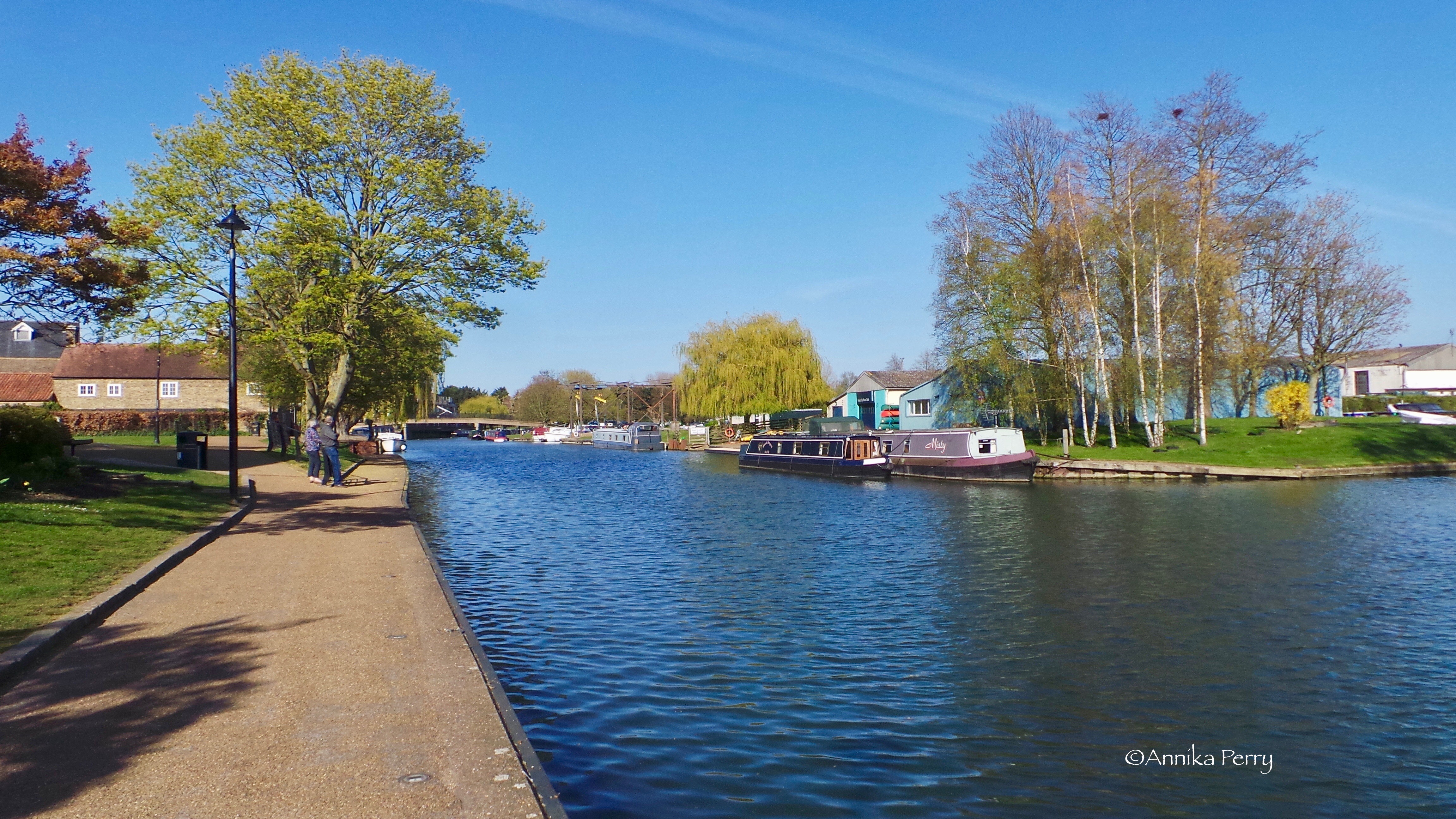
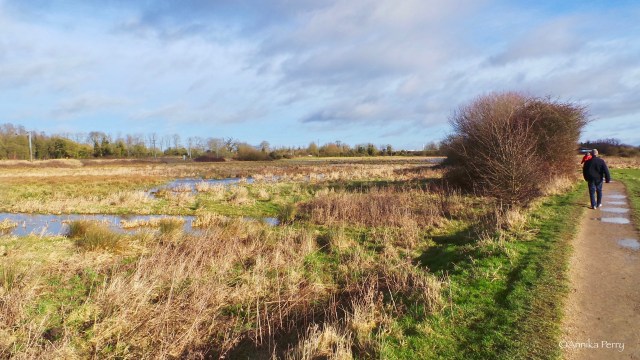
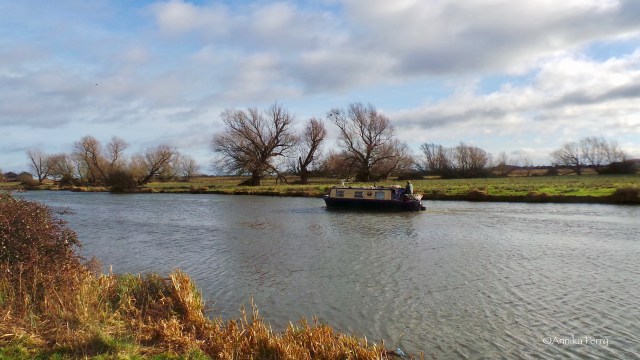
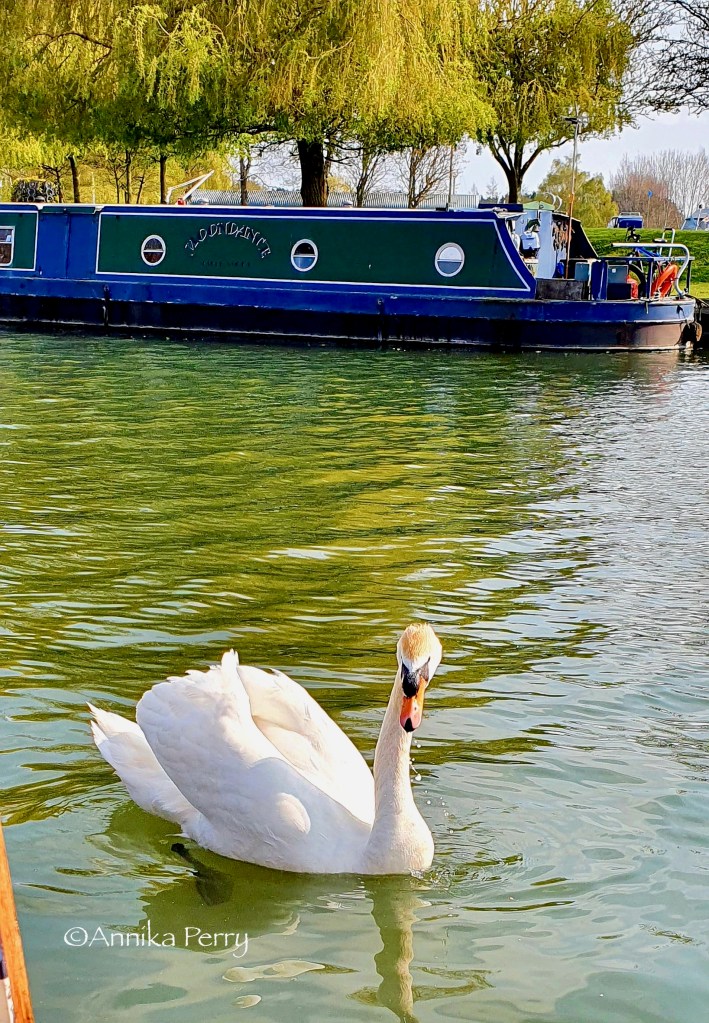
Along with the cathedral the River Great Ouse is the heart of Ely and it was here we headed upon our arrival. We took a gentle stroll along the promenade of canal boats and pubs, through the park to the fields beyond. To one side the river, beauty of the natural world, to the right the regular rumble of trains, in between we walked a parallel path. The honks of swans and the hoots of trains became the backdrop to our stay. Our stay on a canal boat.
Ely is an ancient Cambridgeshire city that lies on an ‘island’ in the Fens which were mostly drained in 1630-52.
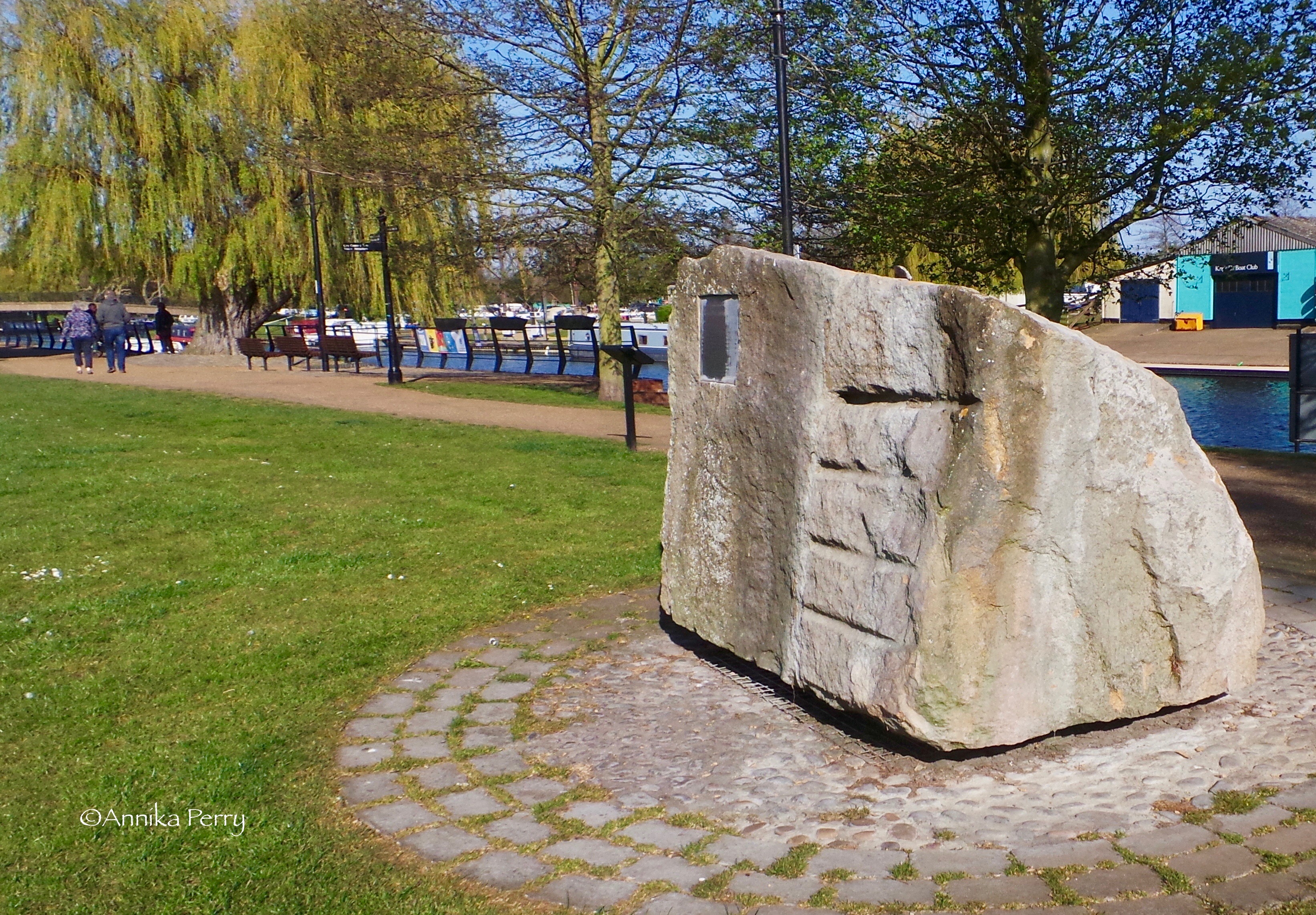
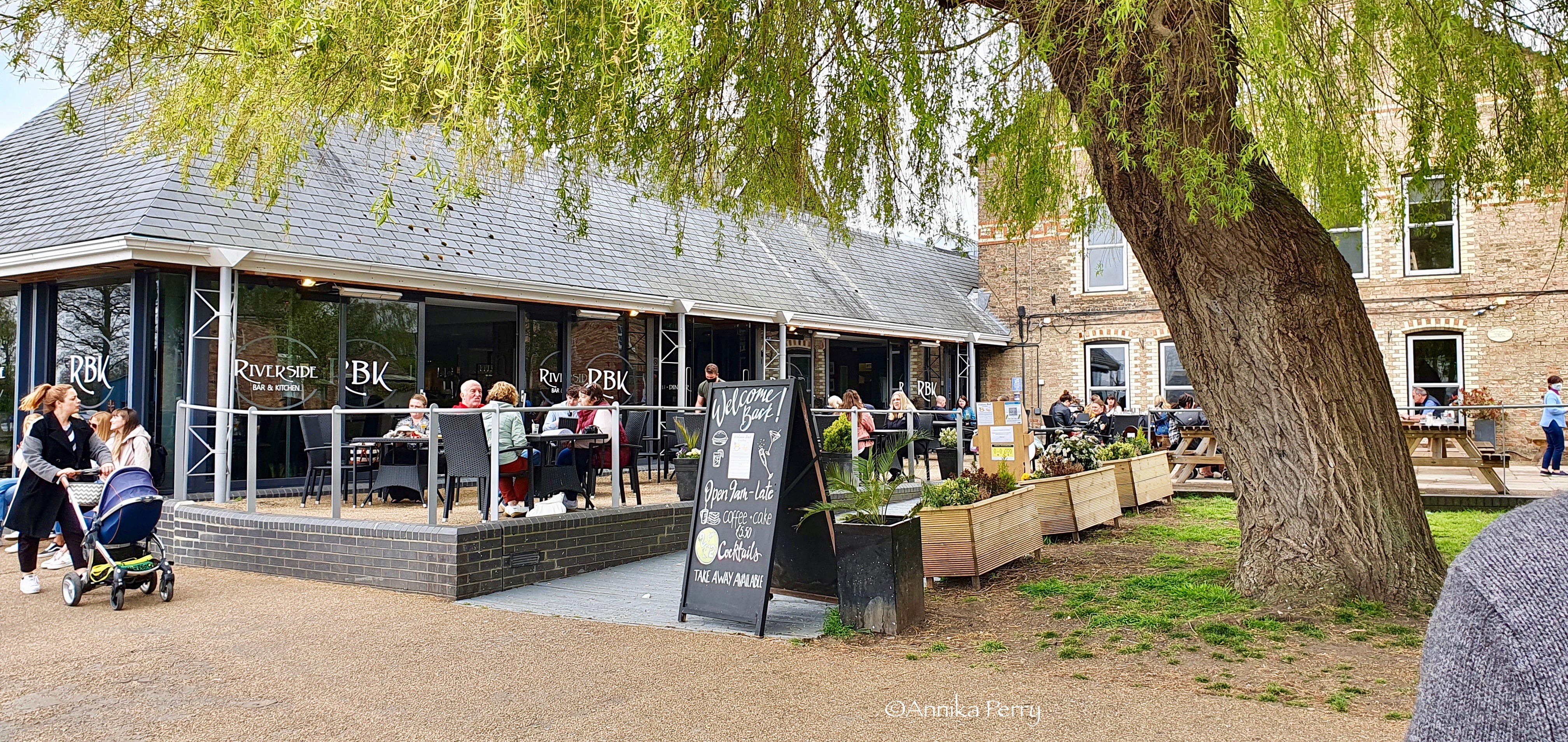
Yet time tick tocked by and now my husband picked up the pace, a short cut through the woods became a long lost way past shops and houses. Ahh … there was the Jubilee Park and its famous Eel statue. There was the goal … The Riverside Restaurant!
The statue of the eel in Jubilee Park represents the local eels which were caught in the fens for food and are thought to have given the name to the Isle of Ely – first mentioned in AD 700s by Bede!
Sample stone of large tonnage quarried from Barnack, at the time in Northamptonshire, and transported to Ely via the waterways. All for 8000 eels a year!
Masks donned we confirmed our booking and registered our arrival before being shown to our table. With only outside dining permitted we happily took a seat overlooking the river and path, safely distanced from other souls.
I picked up a menu yet found myself unable to read! A skill learned from young abandoned to this momentous occasion, the first meal from home for over a year. As my drink arrived I teared up when the food came, I cried! With joy and sadness. A joy that this was possible again with confidence, trust (& jabs!). Sadness for what we have all endured, are enduring and for some countries still overwhelmed by horrors. More than aware of the fragile nature of all our lives.
At last, it was time to check out our canal boat and even gaining entrance was an adventure, through a boatyard, along a metal walkway and across another boat. Already the front of the canal boat beckoned me to unfold the seats and table, to just absorb the peace of the water.
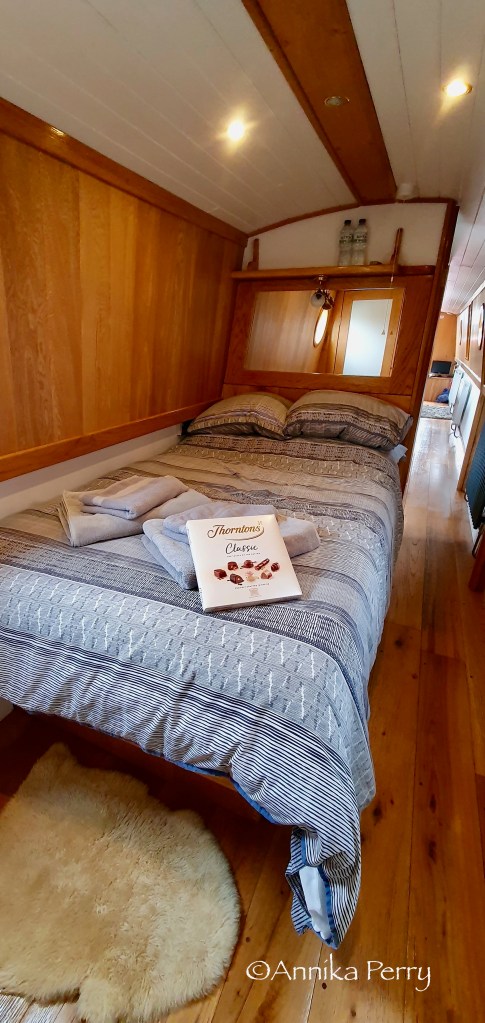
Inside the spaciousness was a welcome surprise, as were the chocolates and wine!
We were set!
Finally, under current restrictions, the cathedral was not open but I have visited this glorious building previously including the stunning Stained Glass Museum. You can read my post about it, An Illuminating Art, here.
For the trainspotter fans, a couple of videos of the railway traffic through Ely are available on my YouTube channel here and here.
Why restrict oneself to only one walk at a time? When two are far more exciting!
As I stride out into my neighbourhood through woods and fields I’m simultaneously traversing the path of an ancient wall 300 miles north and 2000 thousand years in the past.
Nearer to home is a beautiful lake, over a mile long and created when the gardens of the local Hall were designed in the middle of the 18th Century.
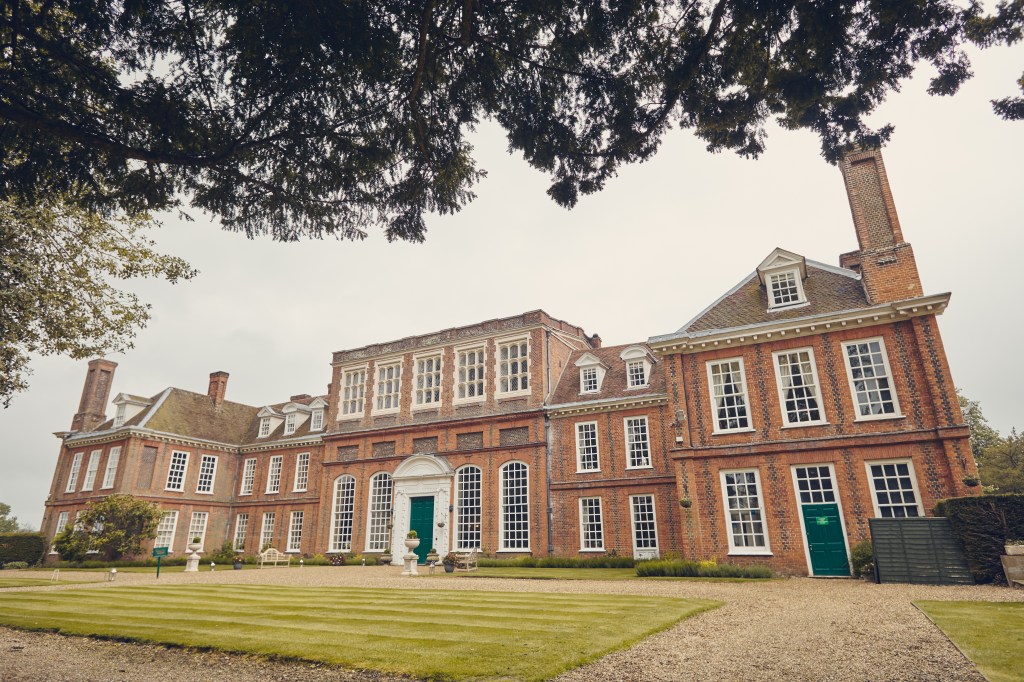
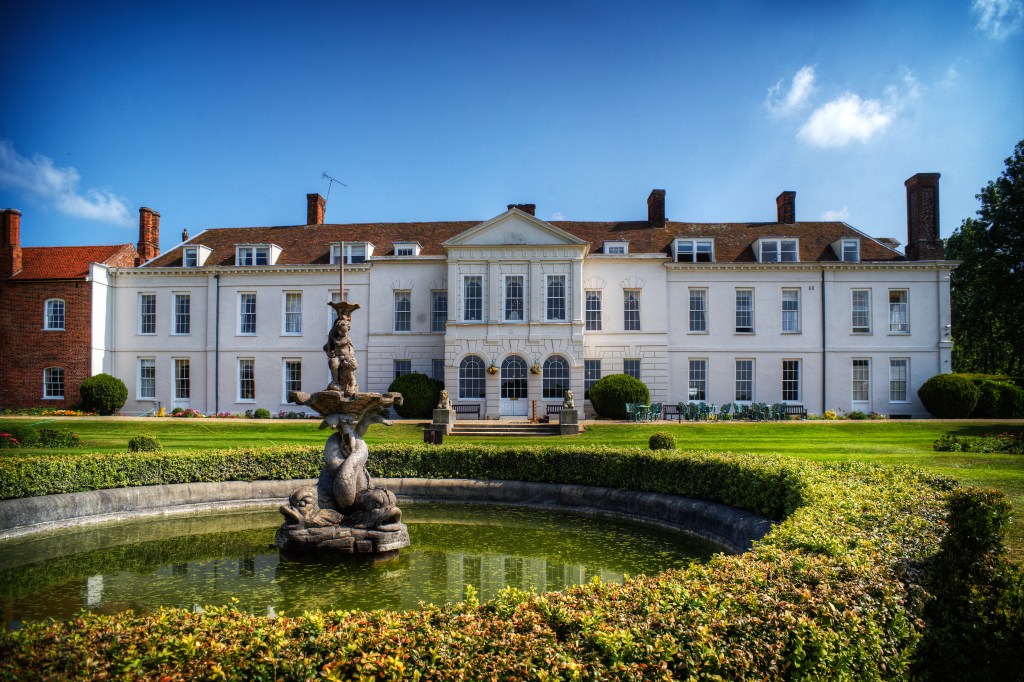
The Hall itself was host to such prestigious guests as Elizabeth I and her grand retinue in the 1500s as well as King Louis XVIII. Along with his wife and courtiers the party numbered over 350 people and they resided at the Hall between 1807-1809 after King Louis XVIII fled the French Revolution.
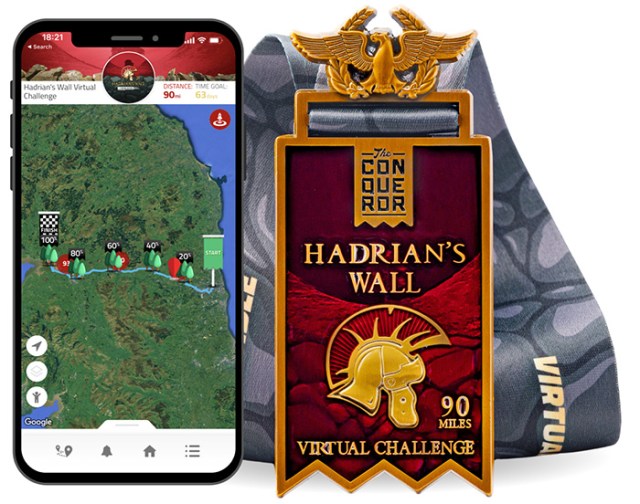
I’m further immersed in history on my second walk, this time a virtual one as part of The Conqueror Challenge, which involves a fabulous 90 miles following Hadrian’s Wall.
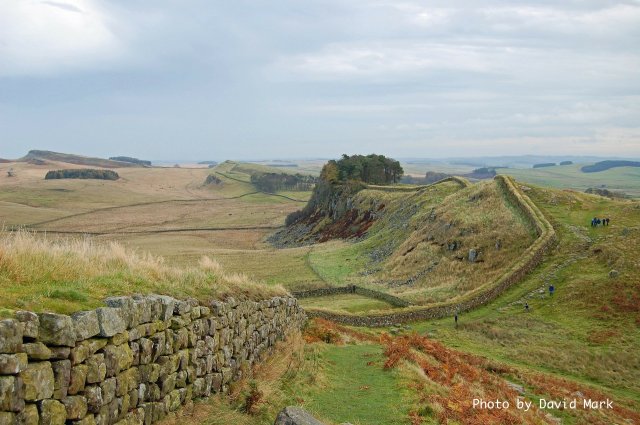
Hadrian’s Wall is a UNESCO World Heritage Site located in the north of England and the hike starts off at Wallsend near River Tyne not far from the North Sea and finishes at Bowness-on-Solway near the Irish Sea.
Hadrian’s Wall was built by the Romans in AD 122 by order of Emperor Hadrian and it was the north-west frontier of the empire for over 300 hundred years.
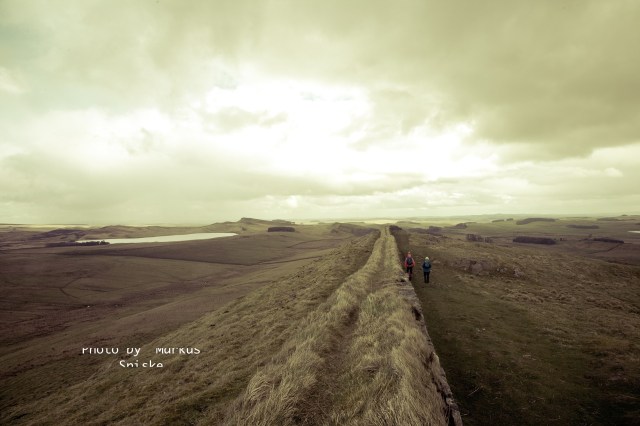
The landscape is breathtaking and along the 73 miles of the wall, much which is alas not in existence, there are fascinating fort remains to explore!
At home I’m still standing by the lake, soaking up the serenity of the winter peace. During the rest of the year, the 35 acres site is bustling with people and particularly with water skiers, both of national and international competitive standard, including a young man who was in my son’s class at primary school.
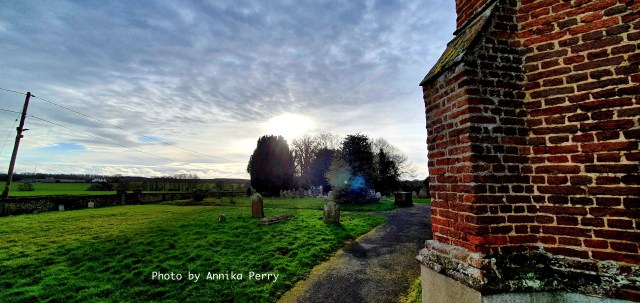
Just up the road is the local church and one has existed on the site since 1190. It was built by Audrey De Vere, 3rd Earl of Oxford during the reign of Richard I (The Lionheart).
The current church was established in 1435 and looks very much the same now as it did nearly 700 years ago. It is incredible to think that the church registers go back without a break to 1539.
As I leave the church, my walk along Hadrian’s Wall continues and I pause for a while at Homesteads to explore the ruins of ancient Roman military site. At this vantage point, the panoramic views stretch 360 degrees across the stunning countryside and show exactly why the Romans would have chosen this location for the fort. Amongst the ruins, I happen to see the oldest toilet in England!
Following a couple of months of bleak, damp and bitterly cold weather I needed an incentive to set out for daily treks. The inclination was rather low at the thought of walking through the same familiar routes and thankfully I came across The Conqueror Challenge on various blogs to encourage me out every day!
These challenges vary from the extreme to more moderate and Hadrian’s Wall looked just ideal for my first attempt at the challenge.
An app on the phone handily allows me to track my progress as well as seeing my location in 3D on StreetView. Along the way four postcards are emailed to me packed with information and for every 20% completed a tree is planted! Participants of the challenges have ensured more than 450,000 trees have been planted since August 2020. Furthermore, I look forward to receiving a medal upon completion of the walk – I can’t remember if I have ever received one before!
To finish my post I would like to briefly mention a very special man on who passed away on 2nd February 2021.
Sir Captain Tom Moore raised our spirits in 2020 with his warm, kind and positive nature and utter determination and true Yorkshire grit in his own particular charity fundraiser. Born in Keighley, West Yorkshire (a town close to where I grew up), he served in India and Burma during WWII.
Sir Captain Tom shot to fame as he aimed to raise a £1000 for the NHS by walking a lap of his garden on each of the 100 days leading up to his 100 birthday on 30th April 2020. To say he smashed the amount he hoped to raise is an understatement. He raised over £33 million for the NHS Charities Together, an incredible feat for one individual. He gave us all hope and inspiration when it was so sorely needed proving that the human spirit can prevail when so much feels lost.
As the flag at my local church flew at half-mast in his memory, the song ‘You’ll Never Walk Alone’ which Sir Captain Tom Moore recorded with Michael Ball played on loop in my head. It rightly became a number one hit in the U.K. in April 2020.
The first time I met myself was a few years ago. Once again this Easter, after a day of travelling, I arrived at last at the houses in the midst of the forest. And there I was! As if I’d never been away! A disconcerting sensation, a time-shifting eclipse. As if my conscious self in the UK had been switched off, just as the awareness of my Swedish self powered on.
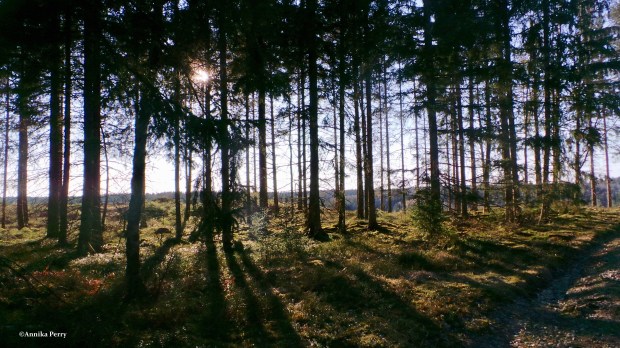
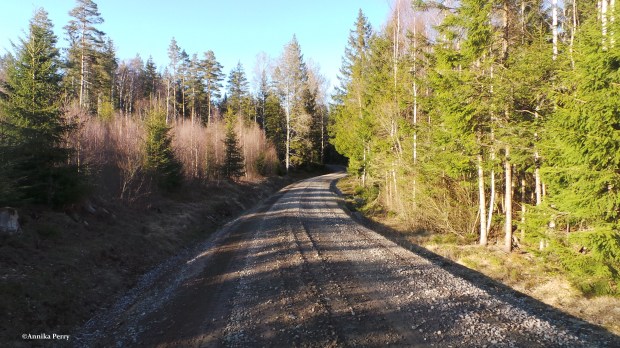
It was as if I’d walked this gravel road every day, not just for the two weeks over Easter. One spectacular afternoon I witnessed the sun searing through the trees.
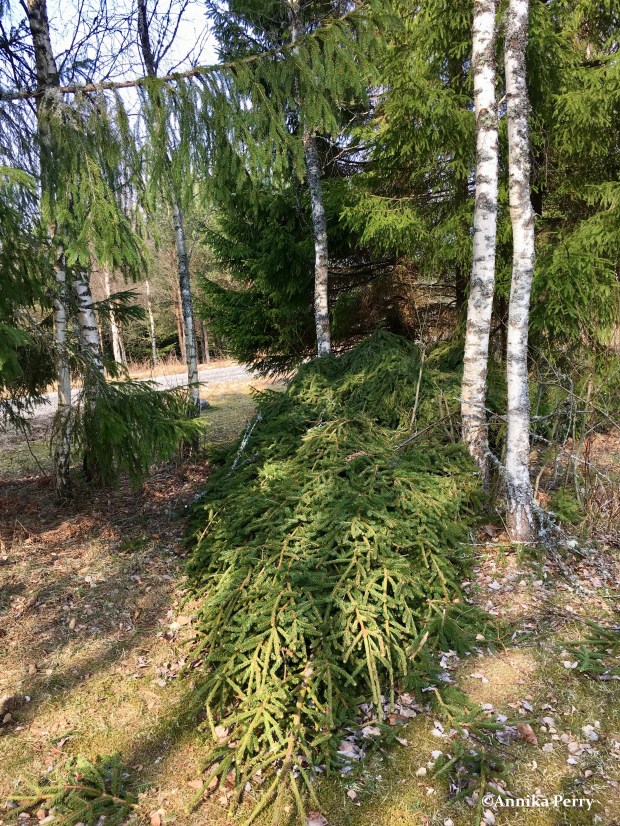
The forest itself proved startlingly alive, alluring; the air brimming with oxygen, the colours clear and vibrant. Certain events, unknown to my Swedish self, reminded me that I had not been there after all. When did the big fir tree topple down? Or rather break away as a neighbour later pointed out, the top half cracking away from the main trunk, to land neatly in the birch copse.
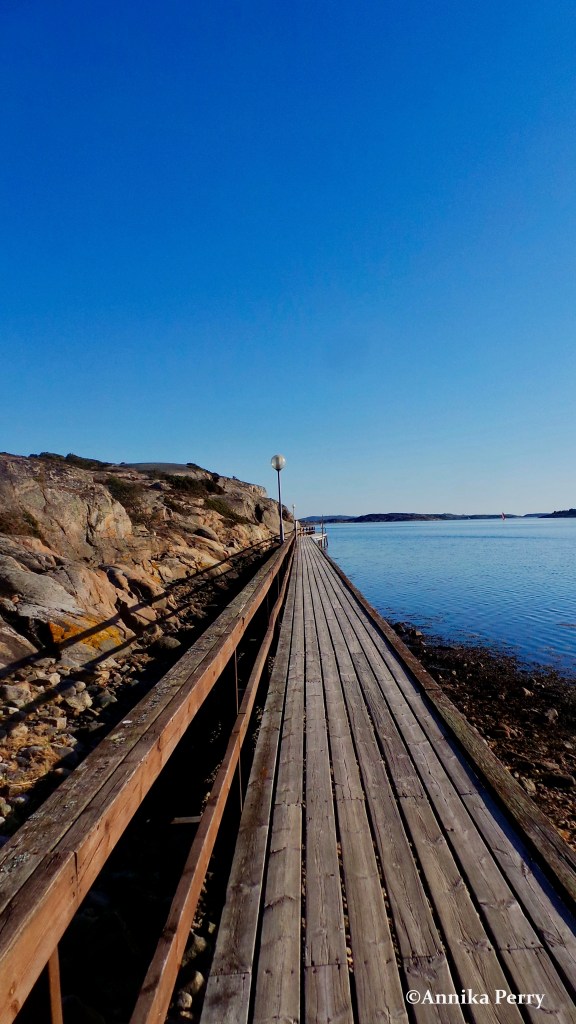
By the coast the combination of sea, sky and rocks struck me anew, the views intoxicating, like a punch of joy to my heart. My other self had let me down, let me forget this body blow of beauty.
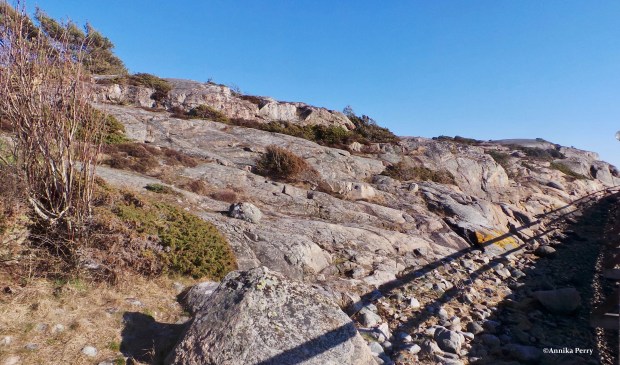
The blues all around were broken up by the array of colours of the rocks, the stark trees, the dainty flowers growing in the granite cracks.
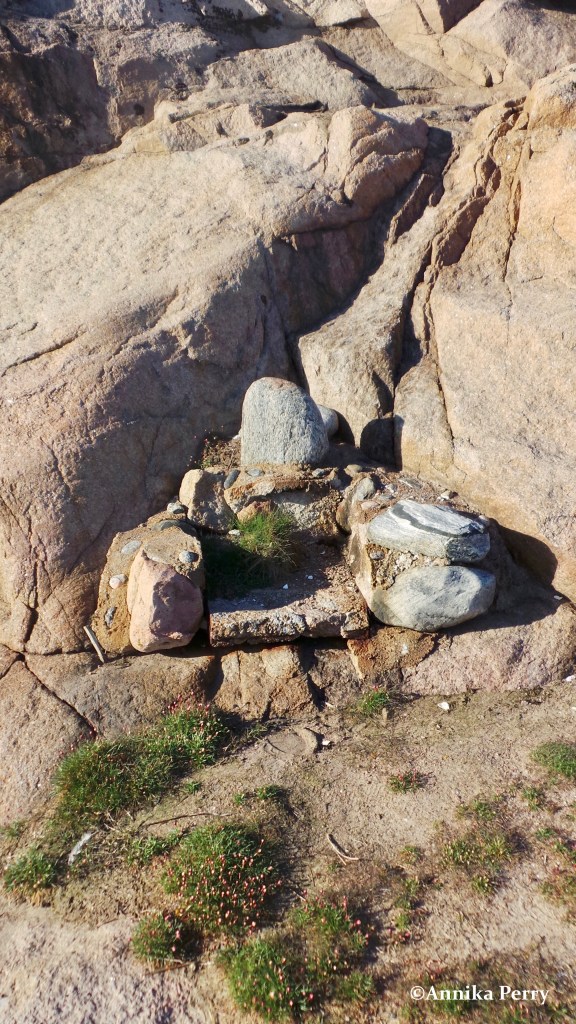
Here and there people had contributed to the enjoyment with a sense of fun creating a child’s seat set amongst the rocks.
The two weeks were filled with overwhelming joy, laughter, conversation. Where walks transformed into meditations, where books became all-consuming, where thoughts sought and found clarity in the vastness of nature.
How could life be anything but this?
Yet I return home … my other home, to my other self. Yet the one in Sweden clings on to my spirit, not quite ready to release me from its hold, my soul swooping amongst the trees, across the waters.
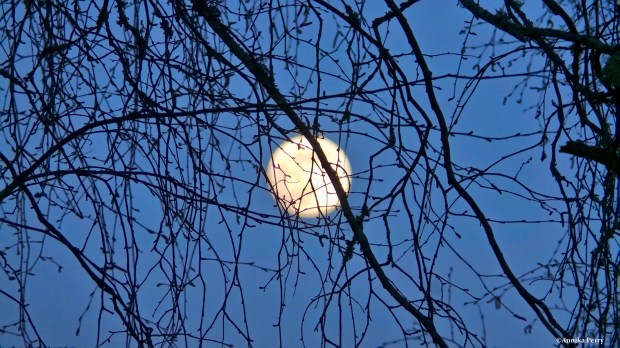
I am here, yet there. I’ll never forget standing on the deck on Good Friday, gazing at the full moon in all-consuming awe of epiphany. The pink aura transported across space to minuscule us! The magic of the cosmos captured in a finite second. There am I, part of the wilderness, here am I, longing to return.
“We carry our homes within us, which enables us to fly.” John Cage
Two weeks ago, my husband and I had the opportunity of an extended break in the historic and beautiful city of Bath. Whilst there not only did we explore the amazing Roman Baths, dine at the lavish Pump Rooms, we also set one day aside for nature.
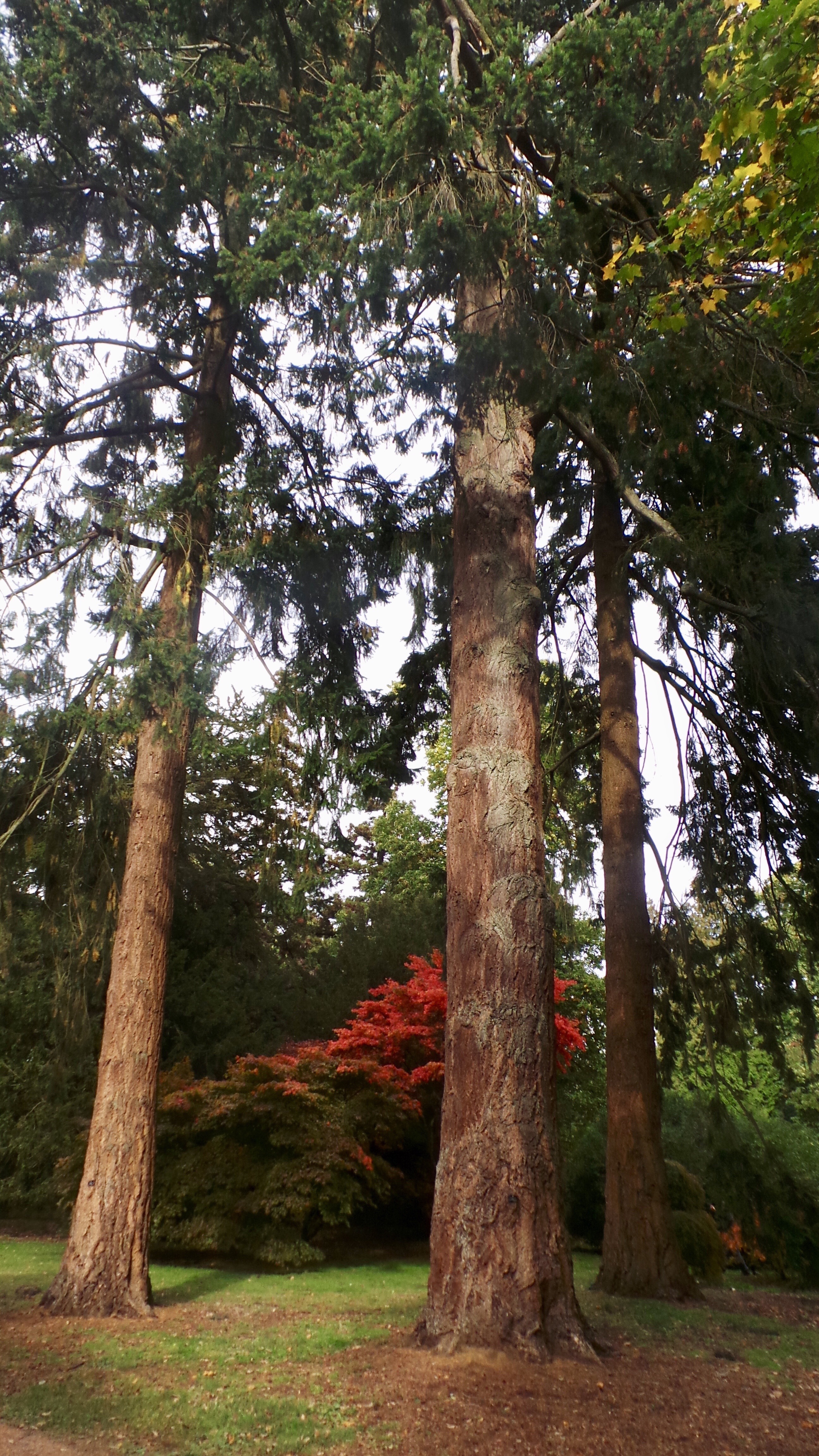
In the midst of Autumn what better place to visit than the National Arboretum of Westonbirt.
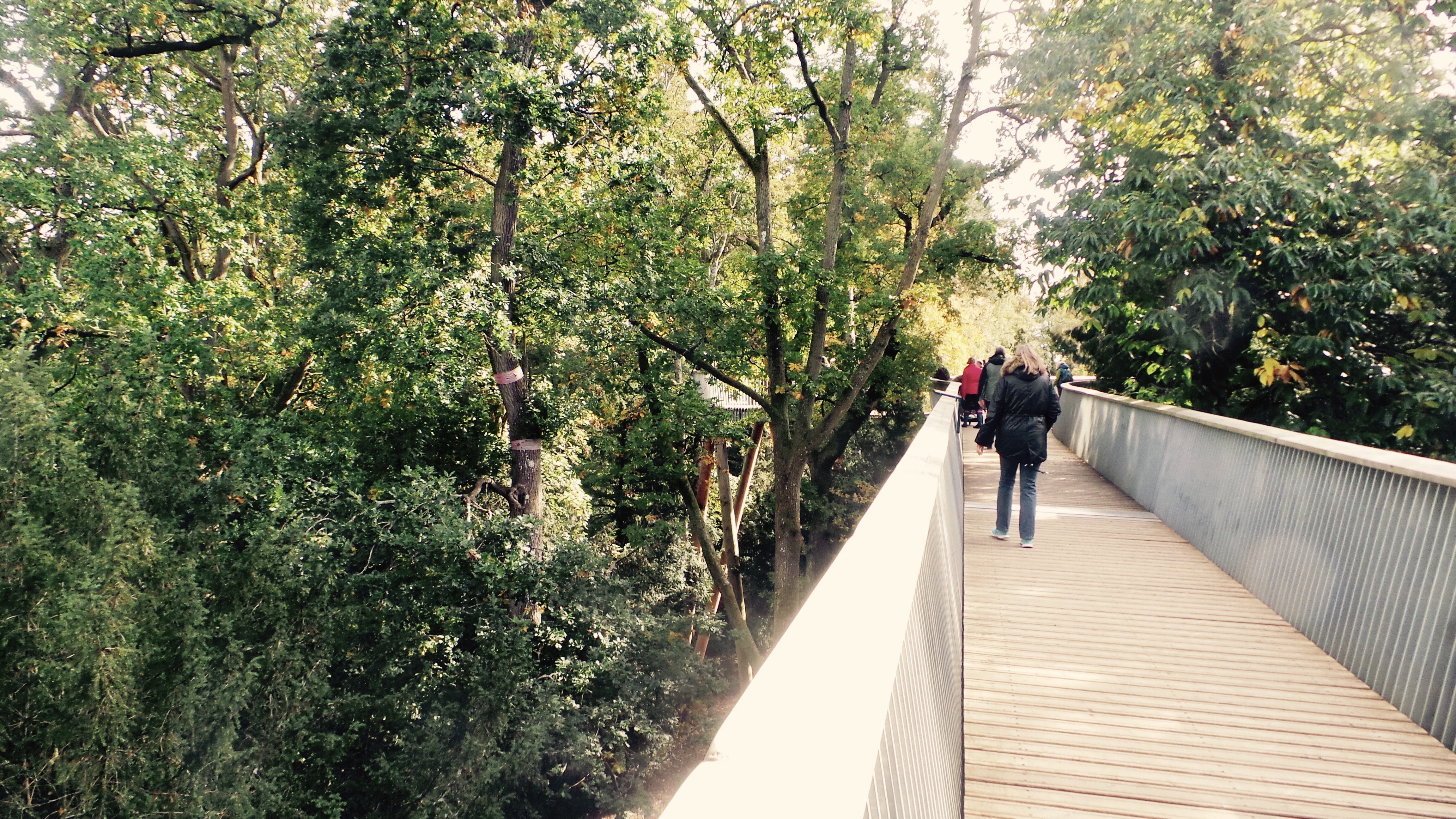
With over 18,000 trees we were spoilt with autumnal displays and happily wandered for four hours along some of its 17 miles of pathways (one of these amongst the treetops!).
As is often the case, Westonbirt was the vision of one man; in this case a wealthy landowner, MP and gardening enthusiast Robert Halford who started the Arboretum in 1829. Since 1956 it has been managed by the Forestry Commission.
Today it boasts over 2,500 species from all across the globe, and ‘is internationally renowned not only for the diversity and importance of its collection but also its breath-taking beauty’.
“And into the forest I go, to lose my mind and find my soul.” John Muir
“The world’s forests are a shared stolen treasure that we must put back for our children’s future.” Desmond Tutu
“I never see a forest that does not bear a mark or a sign of history.” Anselm Kiefer
“In a forest of a hundred thousand trees, no two leaves are alike. And no two journeys along the same path are alike.” Paulo Coehlo
“An autumn forest is such place that once entered you never look for the exit!” Mehmet Murat Ildan
“The strongest oak of the forest is not the one that is protected from the storm and hidden from the sun. It’s the one that stands in the open where it is compelled to struggle for its existence against the winds and rains and scorching sun.” Napoleon Hill
How long does it take to bring a ship to her moorings? Seventeen years in the case of lightship LV18!
A request for a permanent berth at Harwich docks for this grand old dame was turned down repeatedly in a protracted battle wth the local council; a fight only won once the original councillors ‘left’.
Who knew that a lighthouse boat turned film star could cause such a furore?
By chance my husband and I happened upon this vessel whilst walking along the docks in Harwich one sunny Saturday. How could we refuse the kind invitation issued by 93-year-old Lord Bill of Sealand to climb on board and explore! (He later told us his amazing life story which I may recount in another post.)
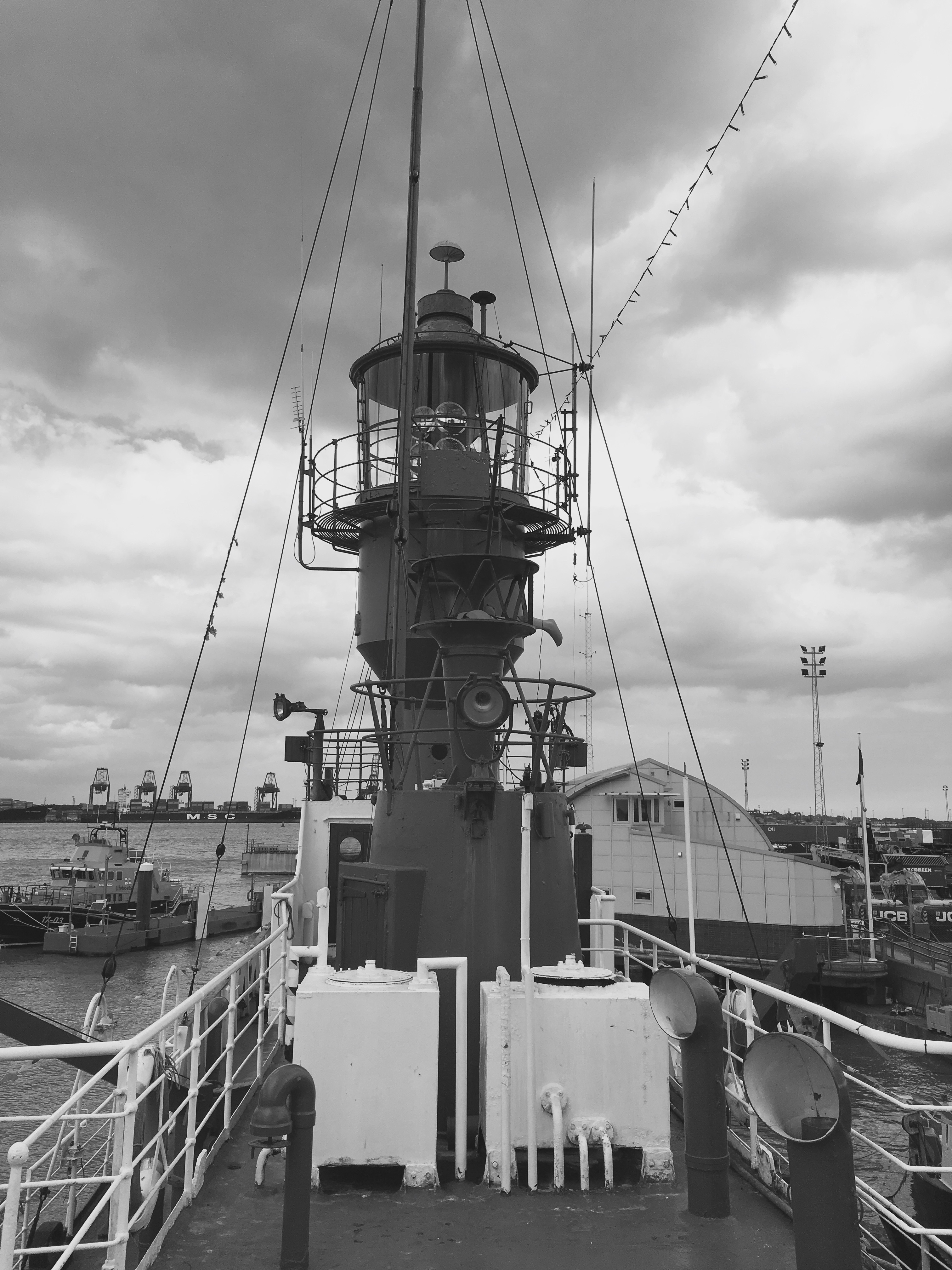
Scanning the various signs I was reminded of the start of Superman – what is it? A lighthouse? A Pirate Radio Ship? A museum? LV18 is a unique combination of all three.
Not knowing what to expect I eagerly trod the board to the deck … one unexpected discovery can be read in my earlier post Flowers Ahoy!
Stepping warily, mindful of the odd sway from the sudden swells, I headed to the top deck, past the helicopter pad, right up to the giant light on the top.
The view across the Orwell estuary was beautiful, looking towards Felixstowe on the other side.
LV18 was launched in 1958 and sailed with nine crew and anchored along the coast as a lighthouse boat protecting mariners through the dangerous waters.
This slideshow requires JavaScript.
This unique historic ship, decommissioned in 1994, is the only surviving light vessel with all its original accommodation still intact, including the crew quarters, galley, mess room … all visible to view but with an additional surprise!
In 1999 a man with a vision, Tony O’Neal, chartered the boat for restoration and LV18 started its second life. This time recapturing the era of the famous Pirate Radios moored in international waters off the East Coast of East Anglia in the 1960s. A couple of you in the comments have already picked up on the Radio Mi Amigo twitter to whom I credited the last photo in my previous blog — the name of Radio Caroline’s ship.
With streaming, youtube, DAB radio readily available with a click, it’s hard to believe there was a time when music, all variety of music, was not easily or widely available. Or even banned and illegal. Try to imagine only three radio stations in the UK which were tightly monitored and served the ‘establishment’ and only permitted up to an hours pop music a day.
In a country hungry for the latest pop songs, the general populace turned increasingly to radio stations outside the country. First Radio Luxembourg, then pirate radio ships. These became the starting ground for many famous DJs including John Peel & Tony Blackburn, all who would embark on small launches from Harwich to take them to the pirate radio boats moored three miles out to sea. At one stage these stations had around 15 million listeners altogether. A very worrying figure for the government of the time. The last pirate radio station was closed in 1967 as pirate broadcasting was declared illegal. BBC Radio 1 started soon afterwards, ironically staffed with a number of ex-pirate radio DJs.
In the first decade of this century LV18 was moored off Harwich and the Radio Mi Amigo days were recreated as well as being a Community radio station for the area. In 2002 its ownership transferred to the Pharos Trust whose patron is Johnnie Walker, ex-pirate DJ from Radio Caroline who was subsequently on Radio 1.
Only in 2011 was LV18 granted a permanent mooring in Harwich and it became home to a permanent exhibition of Pirate Radio memorabilia.
This slideshow requires JavaScript.
And what about the film star reference? Well, LV18 made a brief appearance in the DVD version of ‘The Boat That Rocked’. Of course, once back home I just had to watch the film. It gives a fantastic exposition of life onboard this wild, on the edge, lifestyle where music played until the very end!
My husband would not forgive me if I did not finish this post with the last song to be played on Radio London which was ‘A Day in the Life’ by the Beatles.
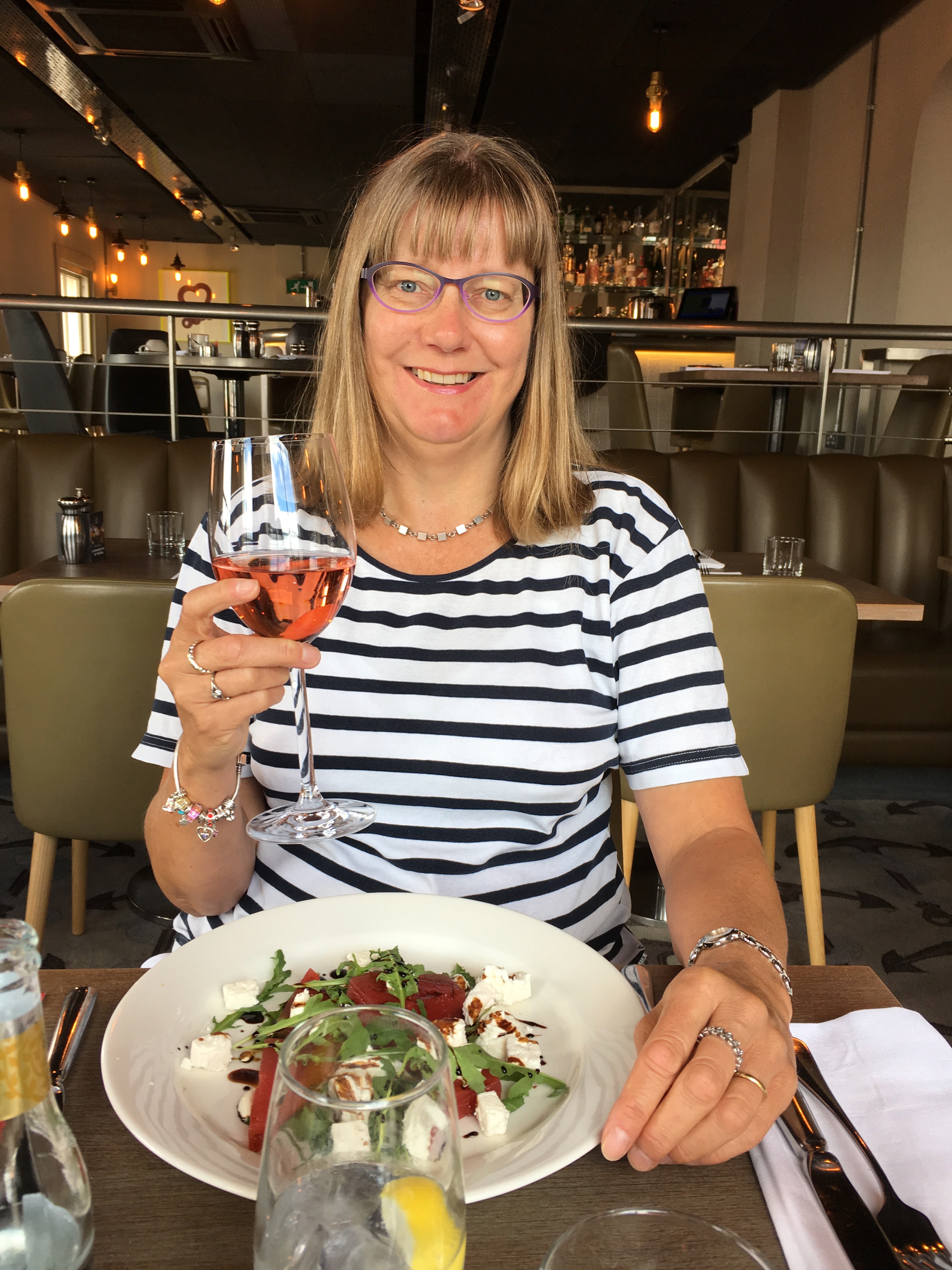
Finally, no day trip in Harwich is complete without a meal at The Pier Hotel & Restaurant where we enjoyed a delightful, early wedding anniversary meal. It was special to look out to the LV18 on which we’d just spent a wonderful couple of hours!
Last weekend I fell a little bit more in love with life.
Every journey I set off on, I feel a flutter of excitement, a bundle of palpable nervous energy, never quite knowing what to expect. A short weekend break booked on the spur of the moment a few days ago was no exception! For our first trip away on our own in fourteen years, my husband and I decided our anniversary was a perfect opportunity for some time-out; June had been, for various reasons, a hectic stressful month with little opportunity to just stop and be together.
North Norfolk proved the perfect haven; a blissful retreat from our busy schedules and our brief sojourn there seemed to last a week as the peace and tranquility washed over us, tension headaches easing, laughter and lightness returning.
How could this vast empty beach fail to soothe? Trudging through the slip-sliding shingle, the bracing wind playing havoc with my hair, my brain cells vibrating under the onslaught – I felt alive!
Hints of fishing were evident from the odd boat pulled up far on the beach, however, it is hard to believe that this was busy port until it silted up in the 19th Century.
Nowadays tourism is the biggest industry in the area – although Cley proved to be quiet, with visitors dotted around the town, coast and visitor’s centre.
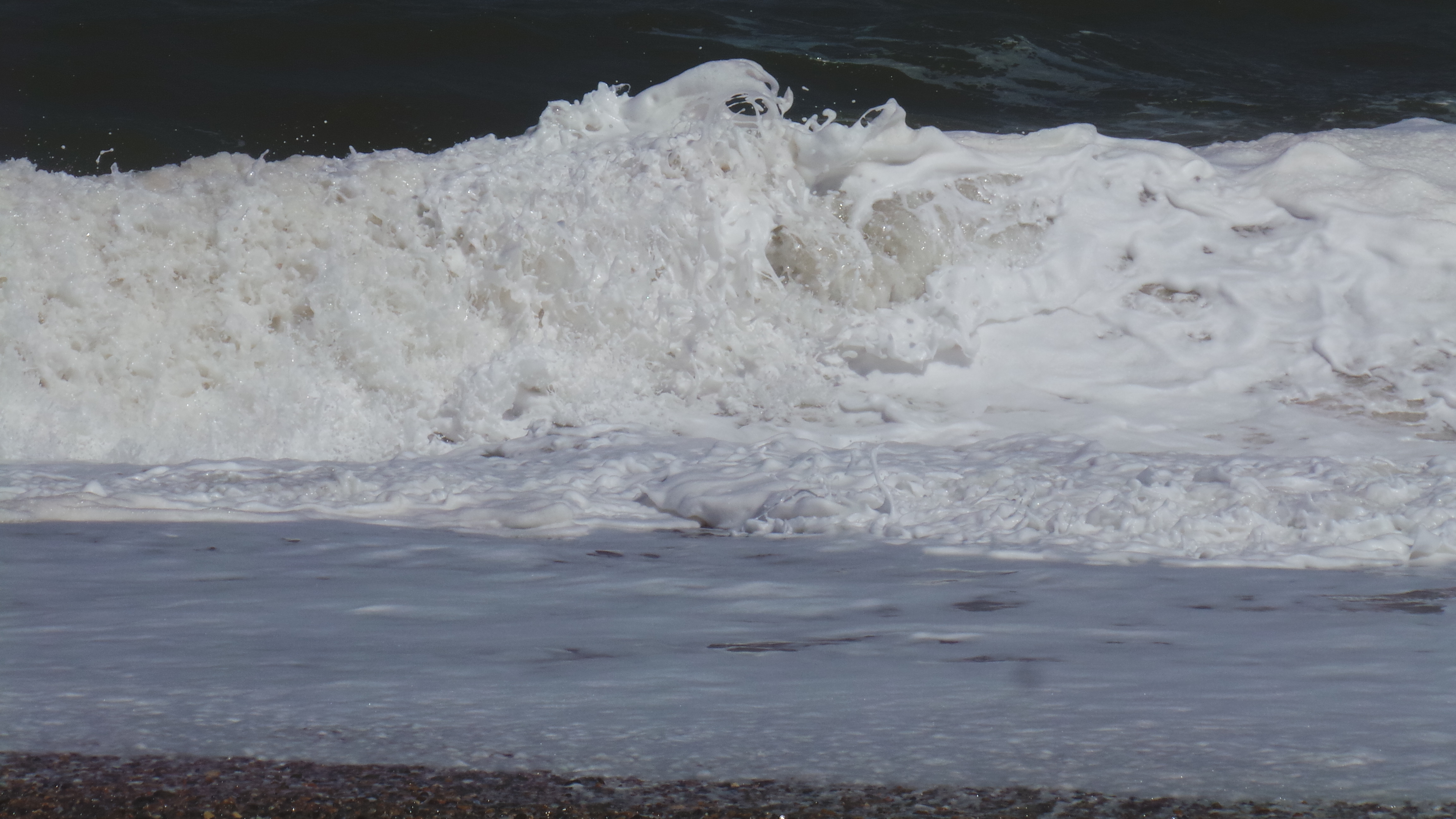
Isn’t nature our greatest artist, I wonder, standing for the longest of time looking at the waves crashing on the shore, hypnotised by the wondrous displays with each roll. I’m mesmerised.
Cley-next-the-Sea is protected from the vast and powerful waves of the North Sea by a steep shingle bank, behind which there is saltwater marshland separated by the narrow New Cut; on the south side of this is a huge expanse of freshwater marsh.
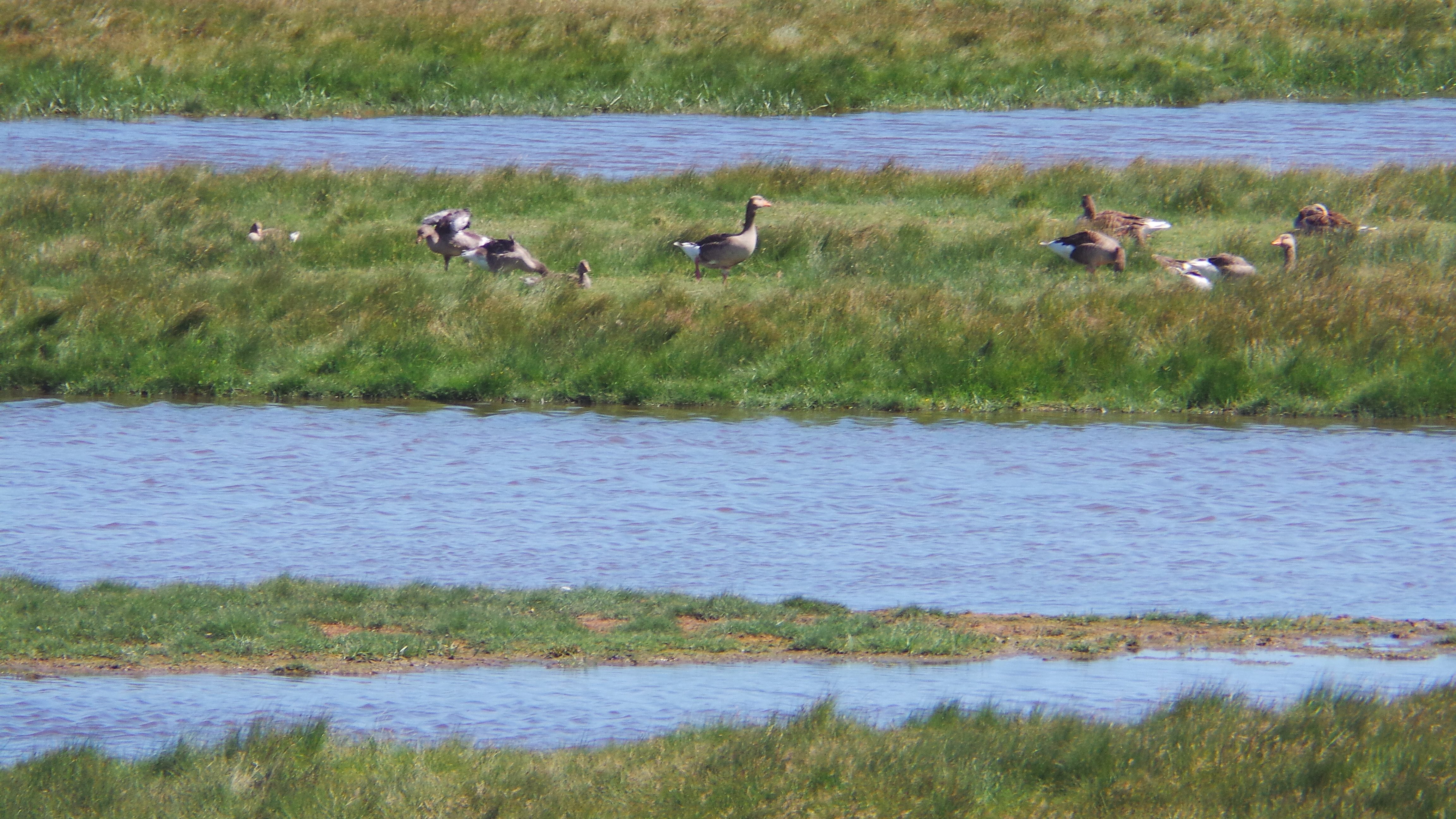
Both areas are alive with the flurry of unusual bird life and it was a joy to celebrate the natural environment; a bird-hide providing helpful reminders of the names and characteristics of the avian visitors.
Here though we were the outsiders, the intruders. We stepped with ease, avoiding the fenced off nesting area and viewed in awe the terns and skuas as they majestically claimed the skies; the egrets reminding me of my trip to Florida, the geese almost hidden in a patch of distant marshland.
Pausing by the reed beds I close my eyes and just listen…the music of the wind drifting into my soul, the rustle of the leaves creating their own rhythmic sound, soothing, in harmony with the bird calls.
Whilst others muttered at the lack of mobile signal I celebrated the return to ‘olden’ days and scouring my purse for coins I headed to the red phone box to call home. Memories of university days flooded my thoughts, my whirlwind of emotions as I recall hours spent calling from these tardis-style contraptions!
The village has a lovely quaint feel to it; many buildings are reminiscent of its former Flemish trading partner with gabled roof lines and many built using the local Norfolk flint. The main road, although narrow, winds its way through the centre of the town with lots of mysterious alleyways leading around the back of the village, often into people’s gardens!
Gourmet meals punctuated the end of our days and at one restaurant we were welcomed on our special day with complimentary champagne, a strawberry slice resting at the bottom of each flute. The food was sublime, an ecstasy of tastes and occasions that will long live with me!
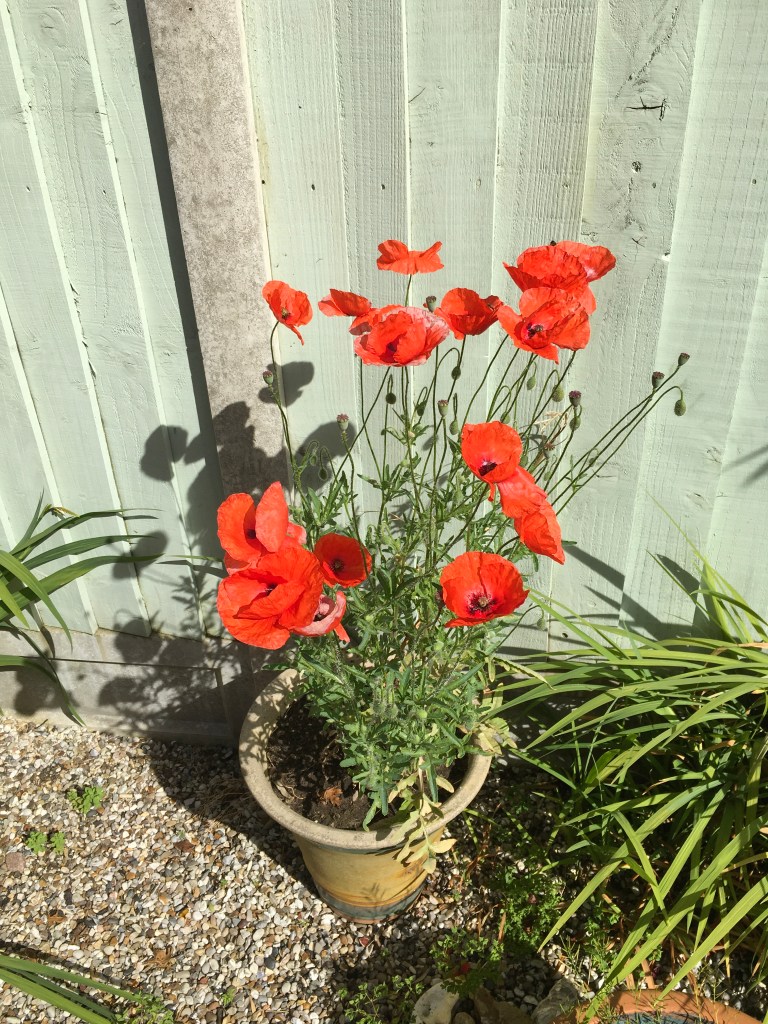
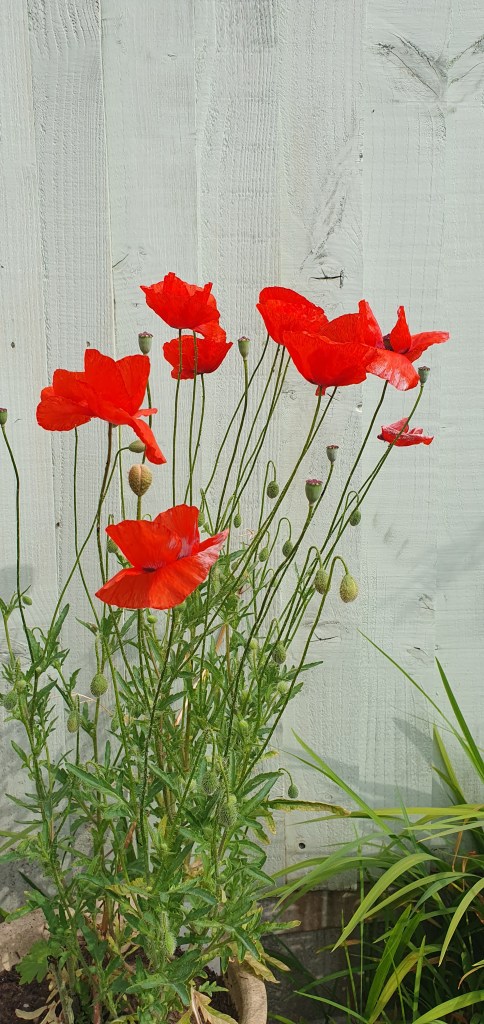
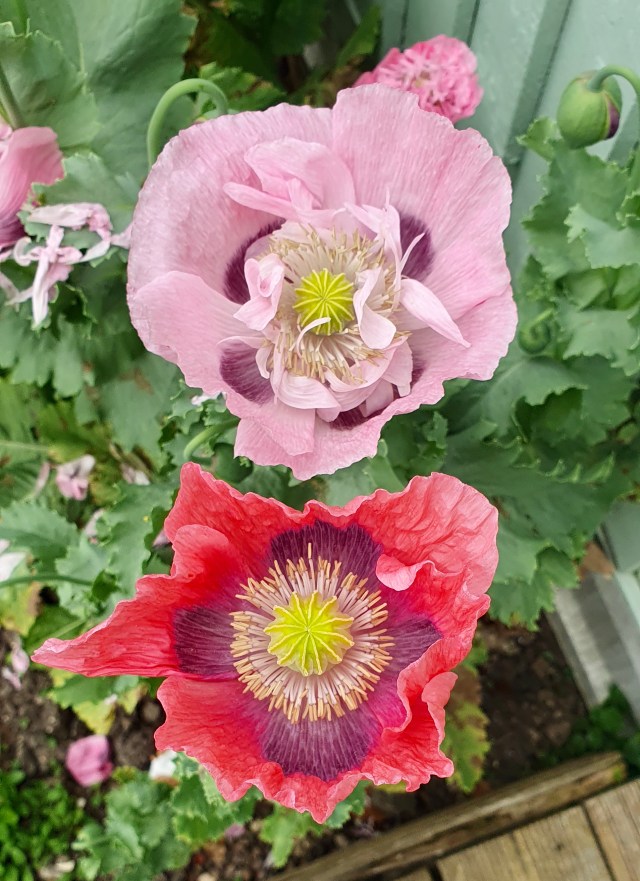
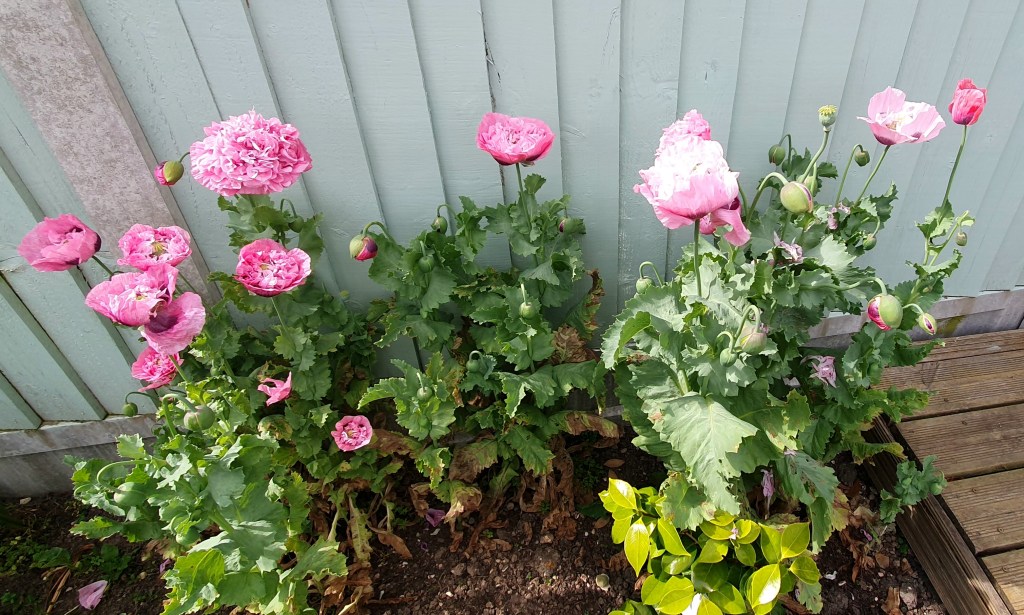
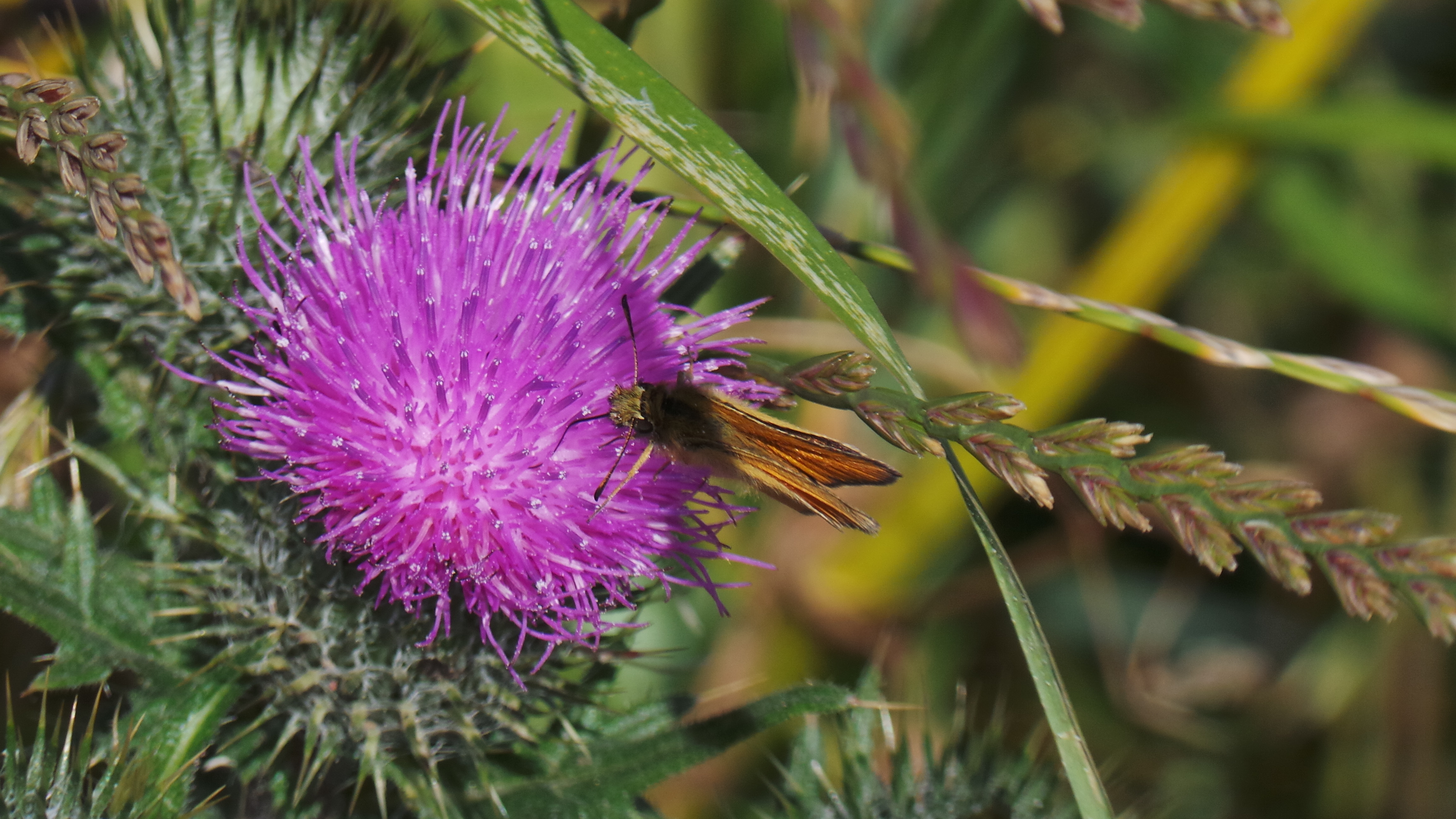
As always I admire the strength and vitality of the flora as even in these somewhat inauspicious conditions flowers flourish; particularly striking is the yellow horned-poppy, native to the area.
It’s been a long while since it’s been this hard to leave a place – one of those times when all elements of a trip conspired to offer us an exquisite time filled with joy every moment. On the car drive home, I sit in silence, savouring the sense of contentment and resolve to carry this harmony forward into the everyday, letting the lightness shine brightly into the days and months ahead.
Finally, many thanks to Klausbernd and Dina (Hanne) at The World According to Dina for inspiring me to visit Cley-next-the-Sea – their photos and description of the village and surrounding area caught my imagination a while ago. Alas, we didn’t have time to arrange to meet up…next time hopefully!




































 Nowadays tourism is the biggest industry in the area – although Cley proved to be quiet, with visitors dotted around the town, coast and visitor’s centre.


 Whilst others muttered at the lack of mobile signal I celebrated the return to ‘olden’ days and scouring my purse for coins I headed to the red phone box to call home. Memories of university days flooded my thoughts, my whirlwind of emotions as I recall hours spent calling from these tardis-style contraptions!



 Annika Perry