

Whimsy met fantasy, nature recreated by man stood next to the absurd, the beautiful rested close to the ethereal celebration of family. A journey of discovery ensued as I visited the Gardens and Arboretum of Marks Hall which hosted over 300 sculptures from across the UK. For once such a magnificent exhibition was near to me and with a childish delight of the unknown, I set off to explore…and found the most wonderfully surprising, original, colourful and creative work imaginable. It felt an honour to feast my eyes upon these sculptures and I left a few hours later in awe of the artists and inspired by the collective creative energy.

The plaque accompanying this magnificent statue was written by the designer, Stephen Charlton and is a testament to his desire to share joy and happiness with the viewer through his work.
‘THE OFFERING
NO WORD SAID,
BUT WITH A SIMPLE,
GESTURE INSTEAD.
AN OFFER OF MY HEART,
LET’S BE ONE TOGETHER
– NEVER APART.’

The magnificent and awe-inspiring ‘Freedom’ stands in the prime position looking across the lakes, a glorious celebration of being, ready to take flight. It’s majestic in execution and simply breath-taking in scope.
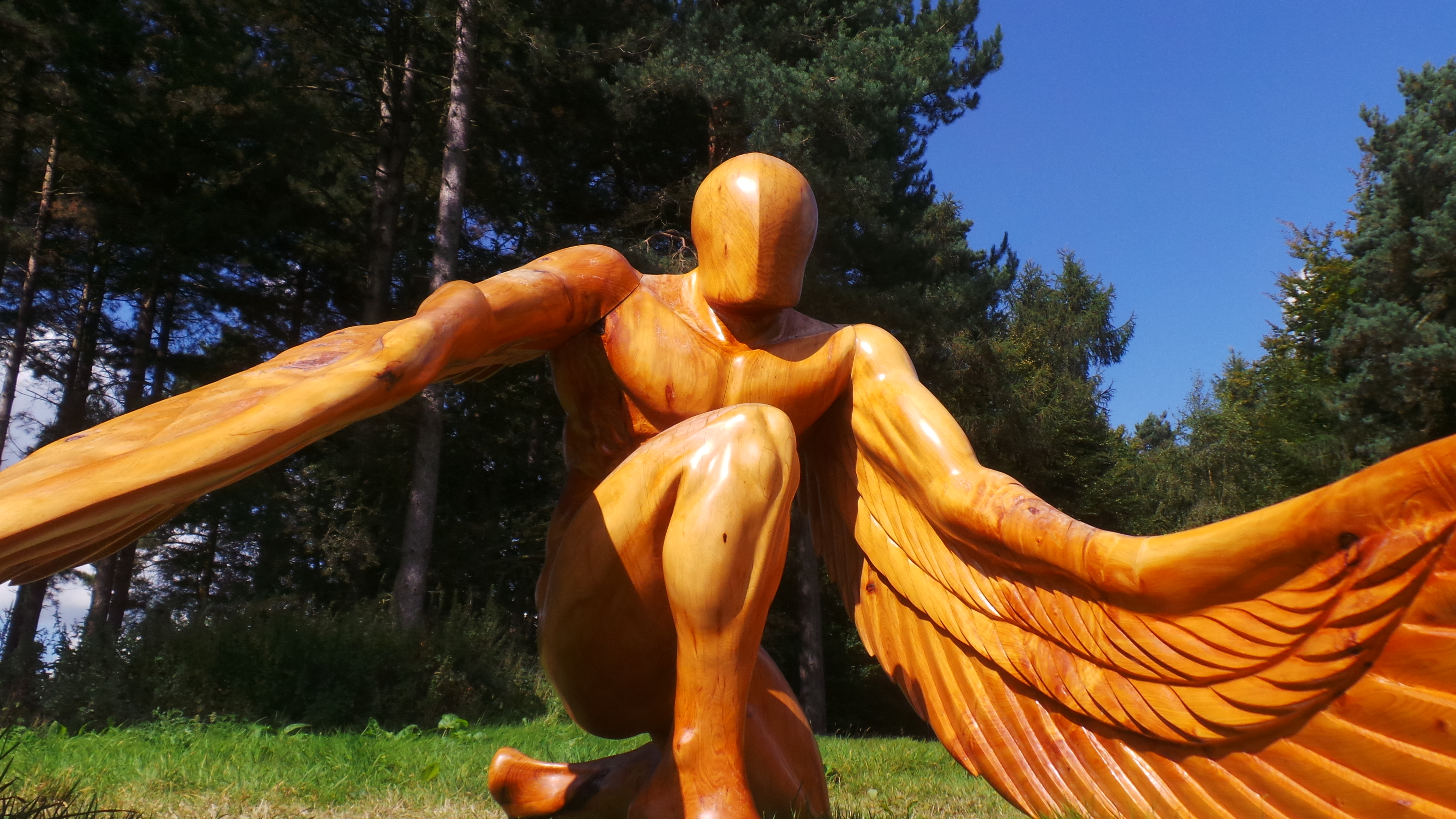
This wonderful ‘Guardian Angel’ is made entirely from cedar wood and the photograph is deceptive of its size with the statue being thigh high. Its huge wings reach out as if to scoop you up into safety. Its creator, Ed Elliot declared that ‘sculpture is a language for me and I aim to create a memorable presence with my work. Finding the right environments for sculpture is crucial in finishing many pieces and making them sing’.


Animals featured too amongst the sculptures including a variety of birds, fighting hares as well as two beautiful willow horses, the light flickering across the material rendering it almost life-like. It was hard not to just reach out and touch the friendly creatures. Their creator Jane Foddy says that ‘willow is a natural product that bends in elegant curves. Willow sculptures cast intriguing shadows as the sun moves across the sky, which brings them to life and suggests movement.’
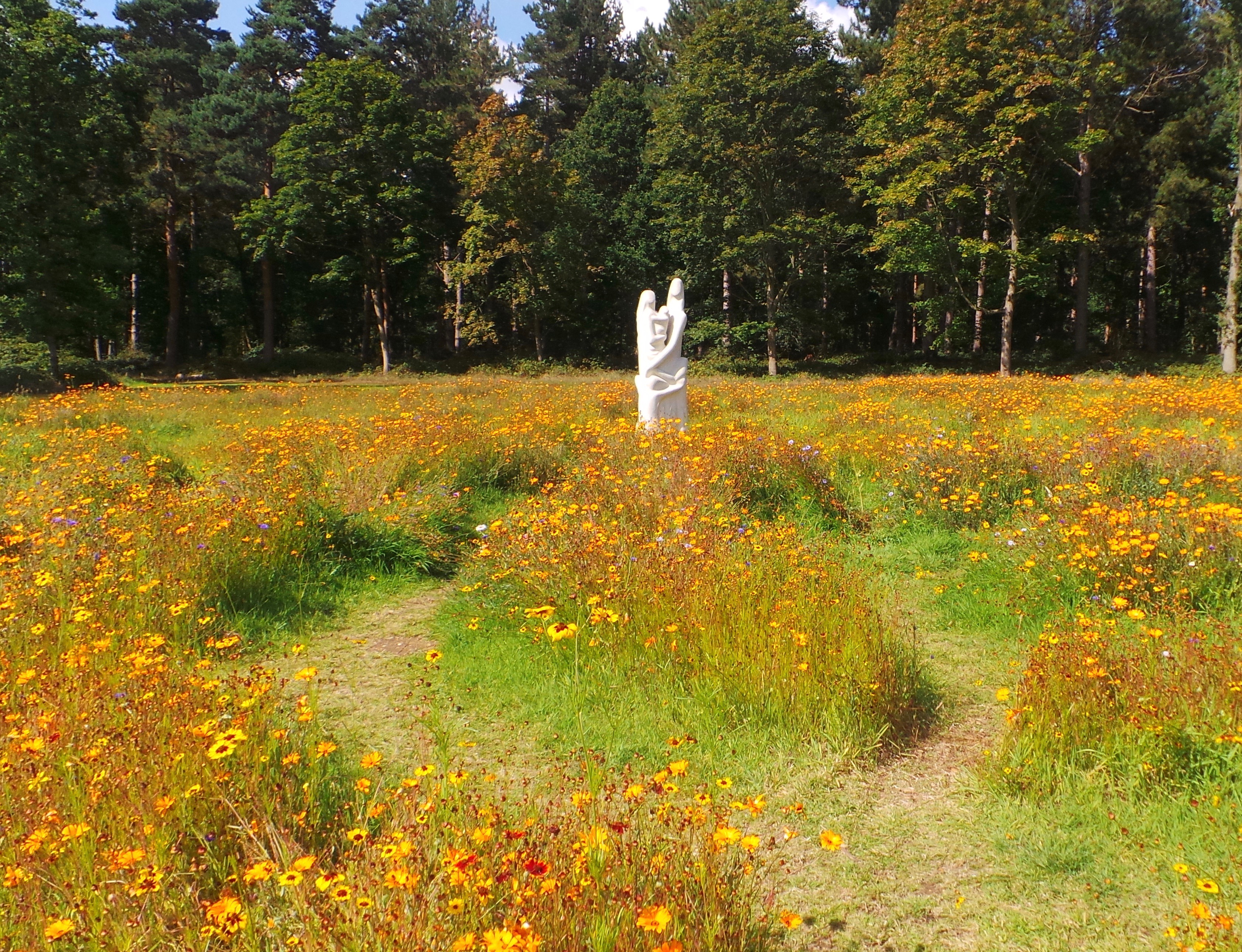

Rounding the corner from the dark shade of a wood I entered the light of late summer afternoon and ahead in a beautiful golden circle, yellow flowers fluttered serenely in the light breeze. At the centre I spied a gleaming white statue of four figures and approaching it I realised I must meander through the maze cut through the flowers…how original and imaginative. Closer I spied the family unit of four enveloped in hugs, standing tall and stoic, looking bravely into the future.
There was a variety of modern art sculptures dotted around the two and a half acre site; nature inspired many such as the glass and metal flowers, the metallic leaves of one is mirrored by the metal scooped windmill branches of another rotating creation which thrilled with its quiet ease of motion.
Other sculptures took on a more abstract form, mimicking the tall trees around as well as one displaying an everyday bird bath which is ingeniously unique and quaint.
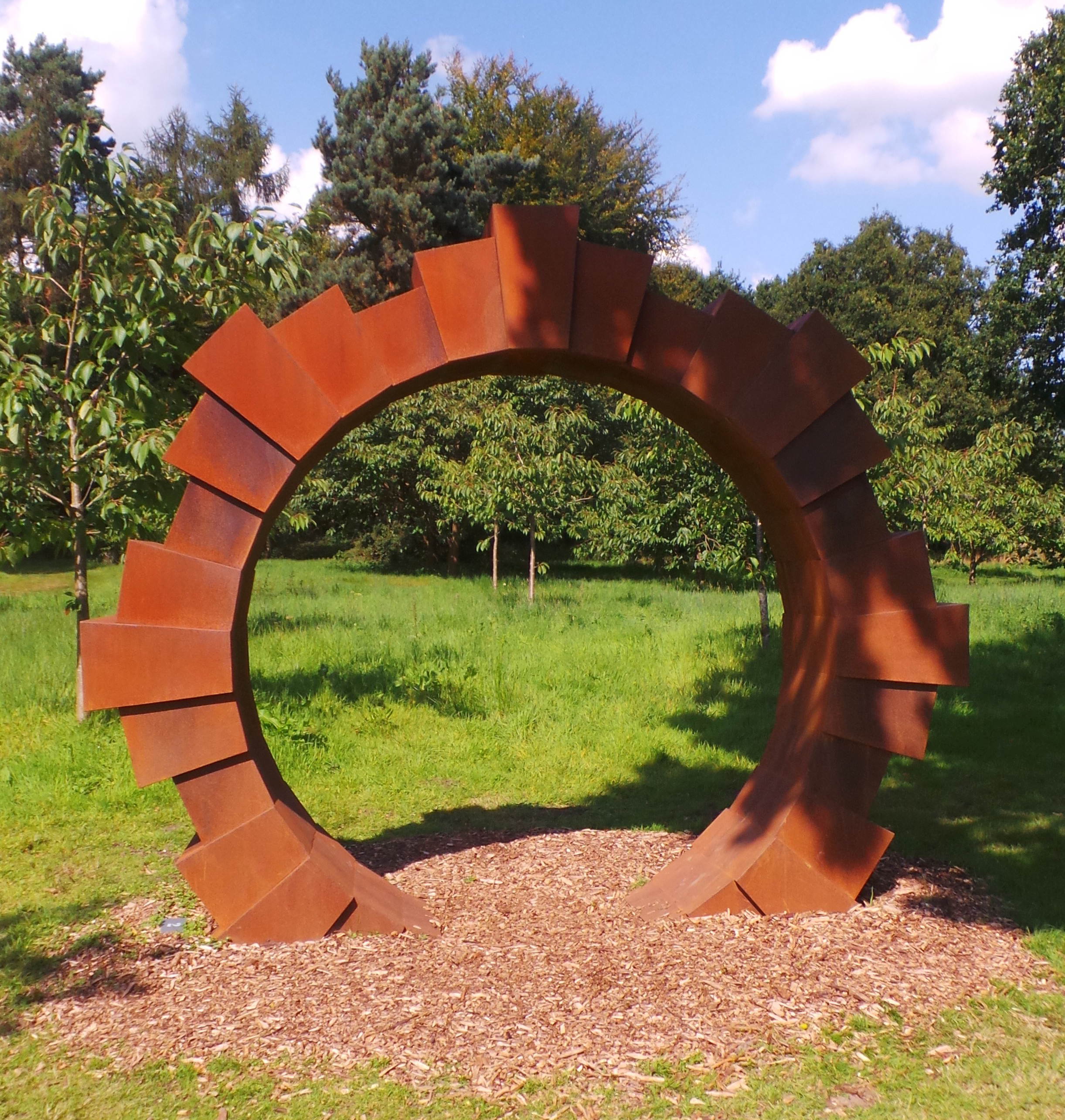
I paused in front of the giant portal made from rusty steel; visions of numerous viewings of ‘Stargate’ come to mind. Did I dare pass through into the next dimension? Tickled with excitement I stepped beneath the circular arch – of course, I was still here, nothing had changed but for a moment the possibility thrilled me and then it occurred to me, that by visiting I had changed, new thoughts were born, energy was refreshed.
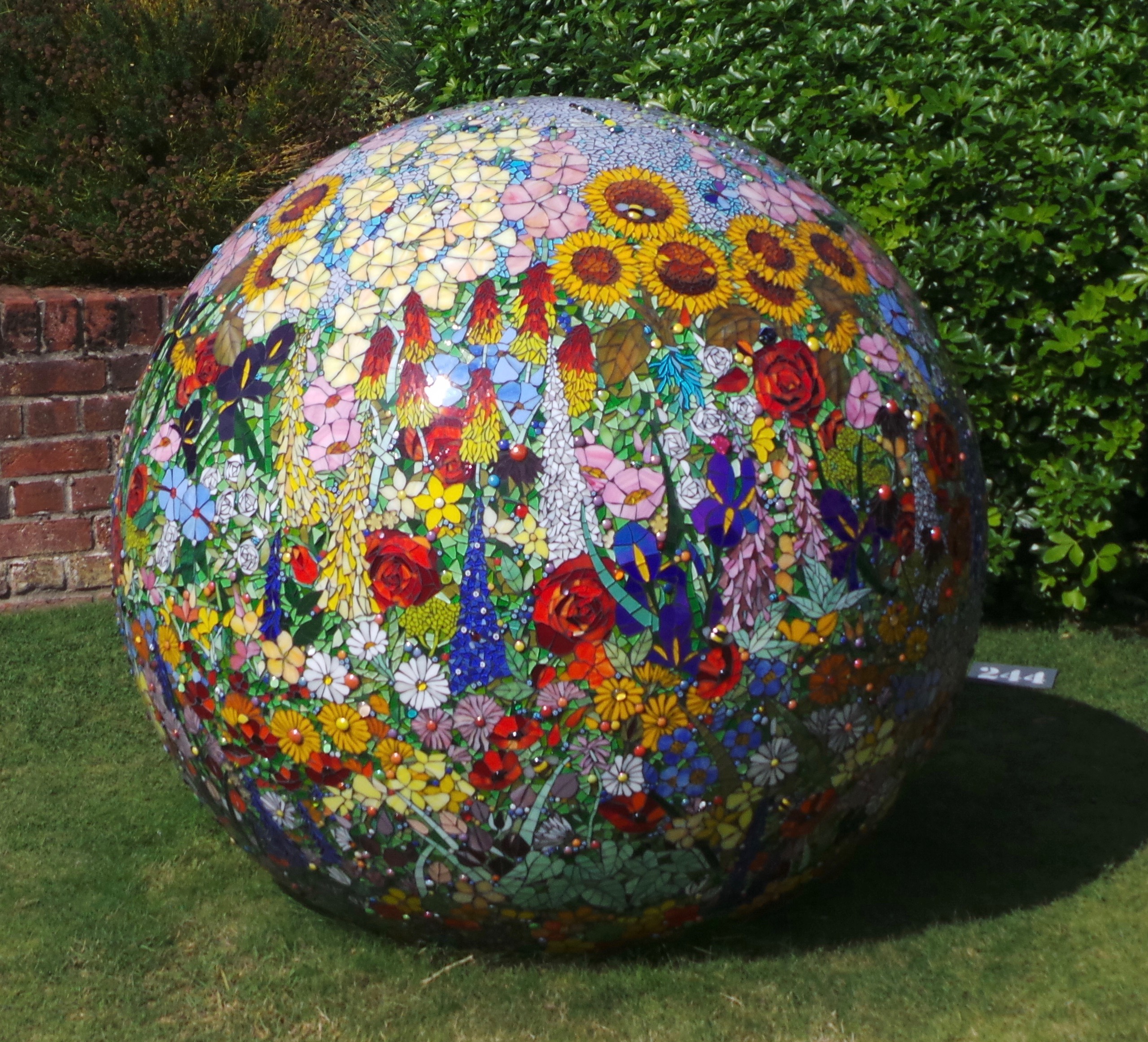
This ginormous stained glass mosaic ball was stunning in its breadth of creation, ideas and colours which came vibrantly to life and was a most unusual form of stained glass artwork I’ve come across.

Quirky, fantastically absurd and eye-catching summed up this astonishing creation of the fork and the conker. It stopped everyone in their tracks as the rule book of the norm, the expected was thrown out and a new reality recreated for us.
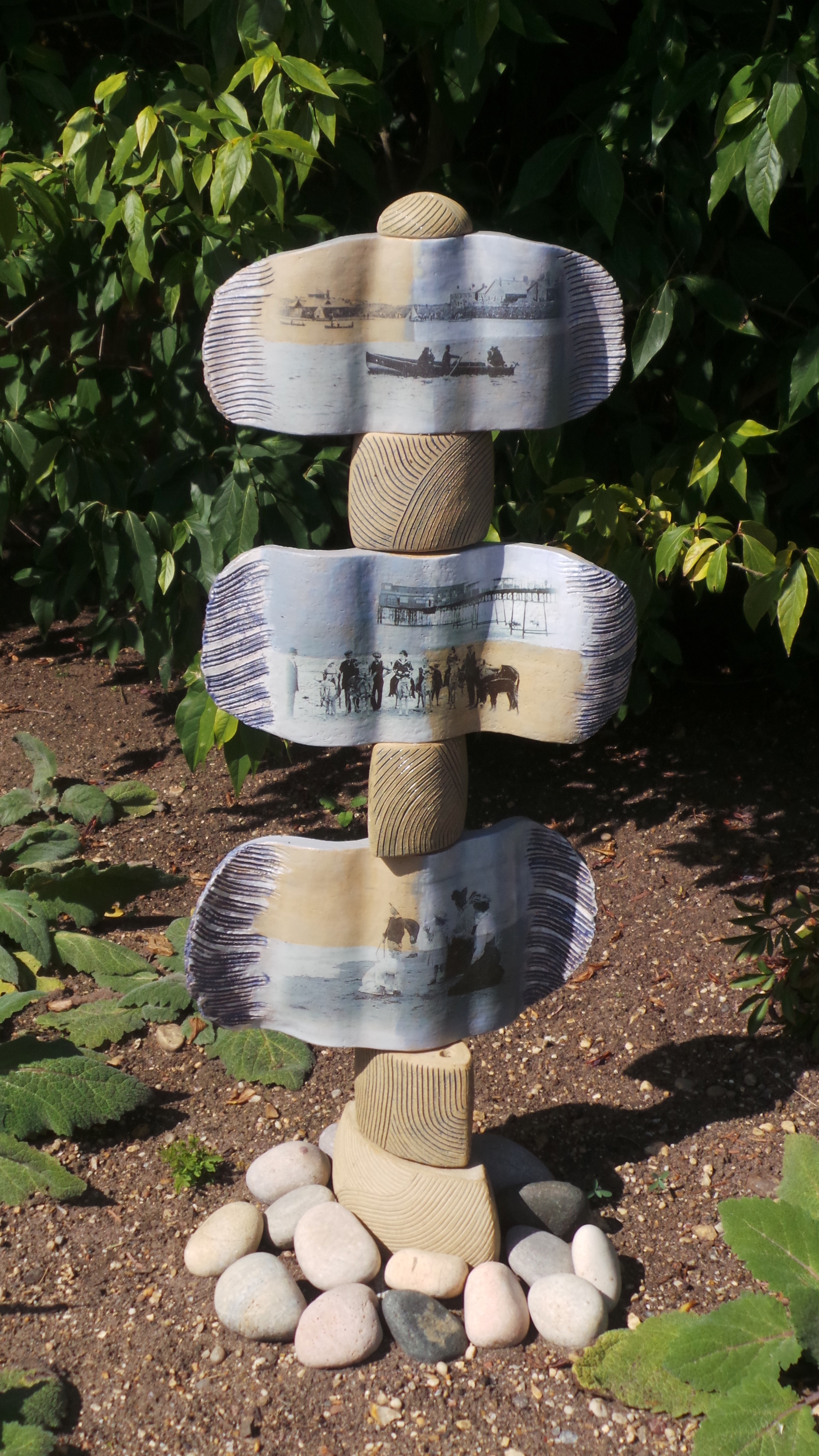
Two personal favourites of my visit were of a smaller size. The wave totem was made of ceramic stoneware with in-glaze images of photographs from olden days. It was a terrifically atmospheric work, reminiscent of another era whilst using the art from across the Atlantic.
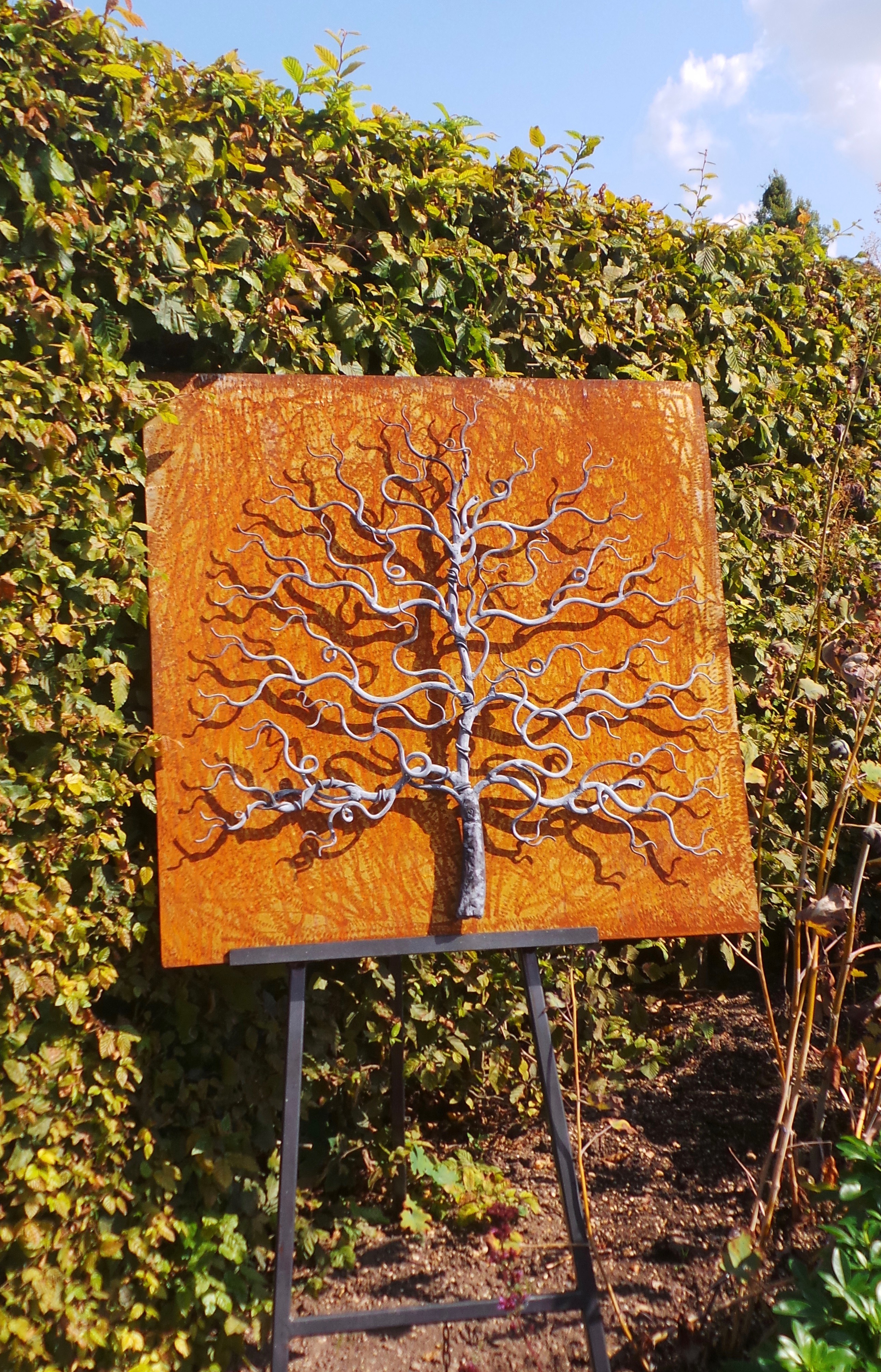
The Rustic Oak Tree was galvanised steel formed into a perfect oak tree and placed on the autumn colours of a display board. Here the artist, Chris Townsend wanted to ‘challenge sculptural space’. He added that ‘in public places, beautiful objects can intrigue, calm and inspire. Some simply bring on a smile…”
All the sculptures at Marks Hall certainly achieved that, smiles all round, conversation flowing as discussions ensued, spirits revived on a beautiful late summer sunny day.
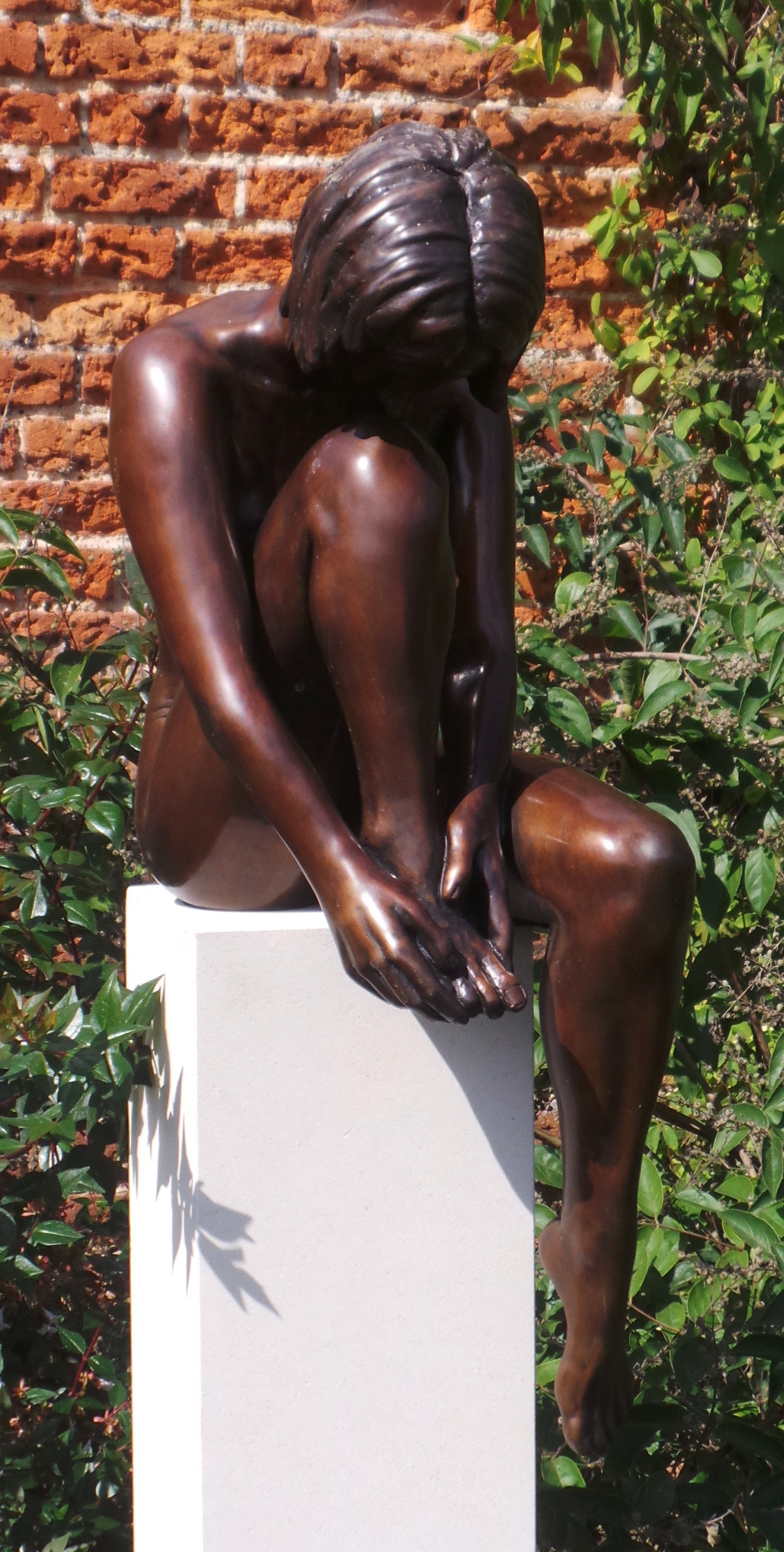
I hope you enjoyed your ‘tour’ of the exhibitions and thank you for reading and viewing. Do you have any favourites of the sculptures I posted? Have you had the opportunity to visit any sculptures shows during the summer (or for some winter). I look forward to reading your thoughts and comments.
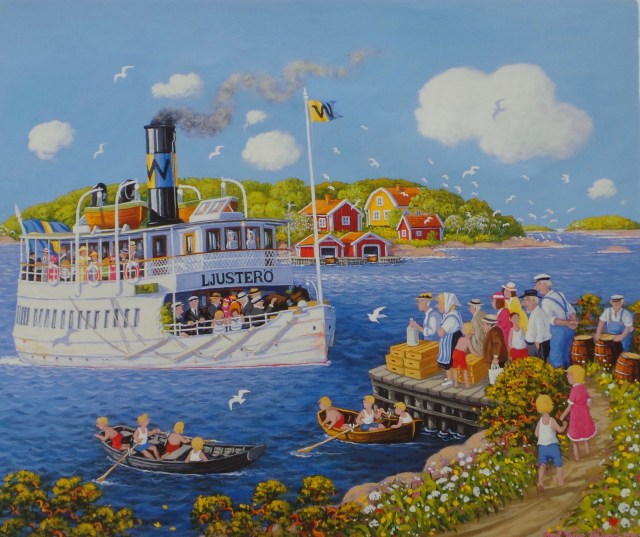


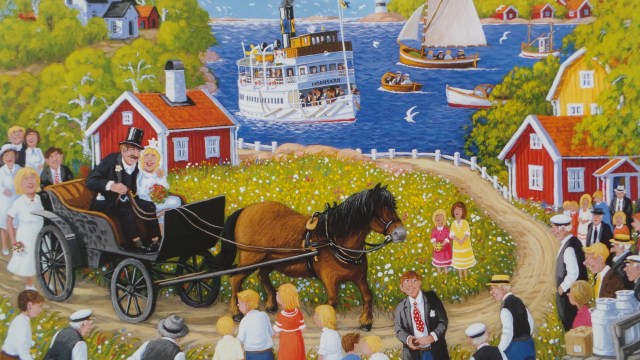

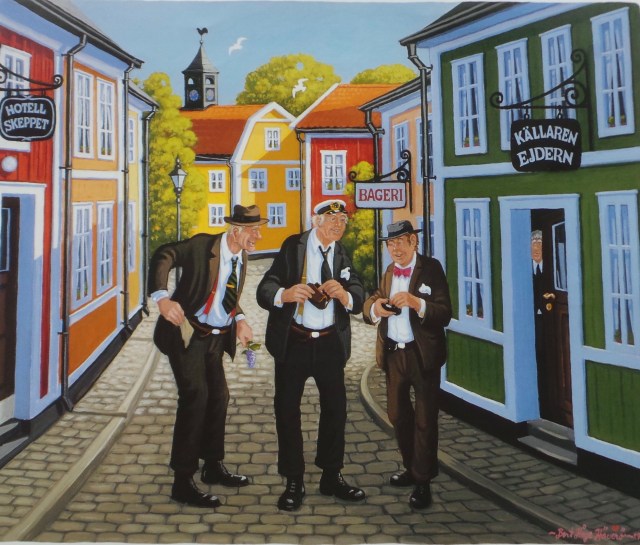


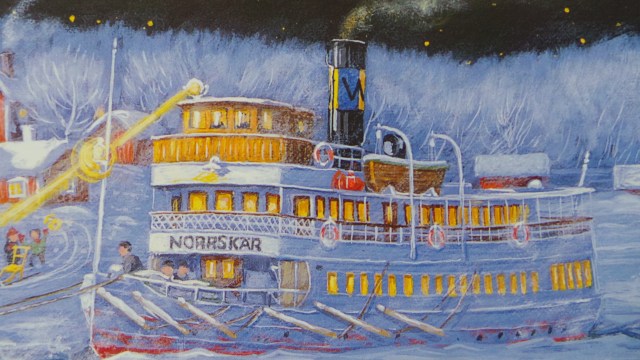

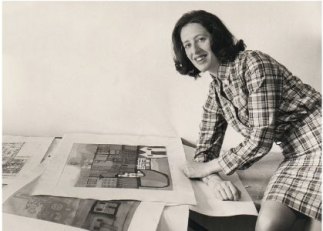 Artist and printmaker Helena Markson is a person whose name and fame should have spread far beyond her field of expertise. Born in London in 1934, she studied at Salisbury School of Art and then at Central School of Art before becoming a successful professional printmaker. Initially she co-directed a Fine Art Printmaking workshop, soon after she set up an etching studio in London before teaching at Chelsea College of Art and St. Martin’s School of Art in London. During this time she exhibited many of her prints. Her lifelong career took her across the UK, to America and Israel and she worked until her death in 2012.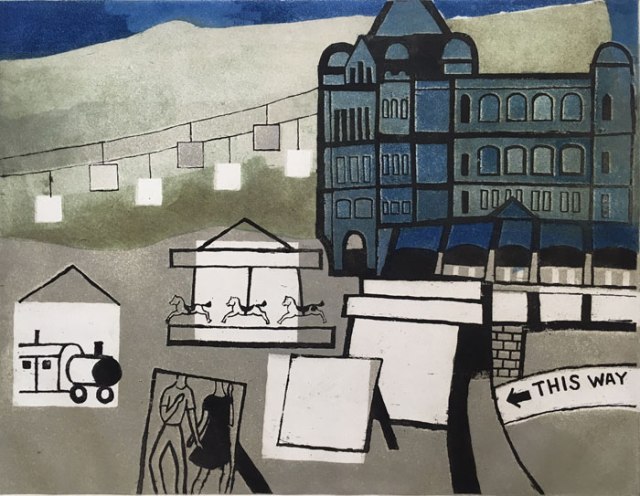
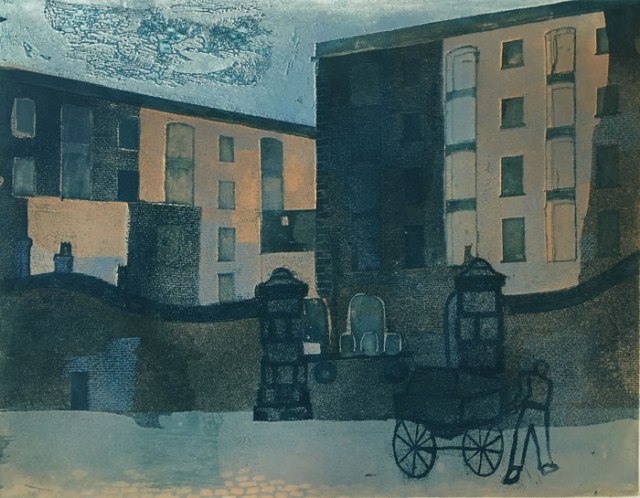


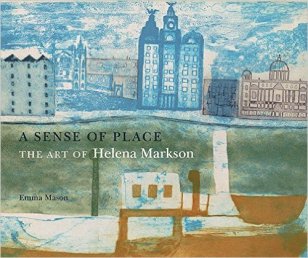 Helena Markson’s beautiful prints are open to view in collections around the world including the Museum of Modern Art in New York and Tate Britain in London. A book celebrating her work has recently been released and is entitled
  Annika Perry