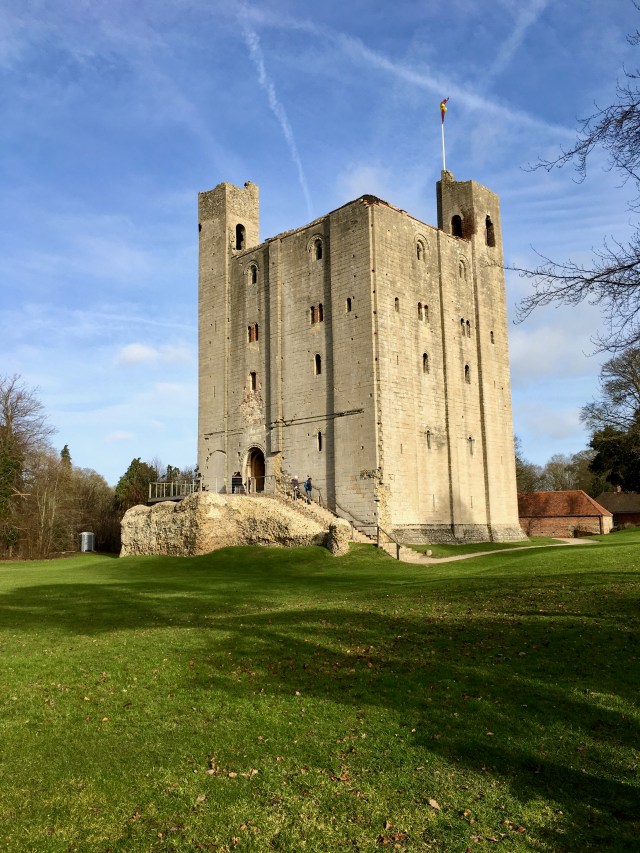
THE KEEP

What better way to dispel the gloom and weariness of a long winter than visiting a 900-year-old outstanding Norman castle and its beautiful idyllic grounds on a sunny Sunday in February!?

The imposing Hedingham Castle is visible from miles around, towering above the quaint village, the stone stark edifice both daunting and majestic.

Following the Norman invasion of England, the majority of the Anglo-Saxon lands were taken over. The lands of Hedingham, North-East Essex, England were given to Aubrey de Vere I by William the Conqueror in 1080 in recognition of the knight’s fierce valour and loyalty. The family were zealous crusaders! The original castle was built of timber in the traditional motte and bailey style however Aubrey de Vere II ordered this to be torn down. It was replaced in 1140 by the building of the remarkable Norman castle and as the family were extremely rich they could afford to face the whole building in stone which was unusual for the time! As one of the great Norman castles Hedingham Castle hosted many royal visitors including Henry VII, Henry VIII and Queen Elizabeth I (probably en route to Gosfield Hall, read more on my post here)!
The de Vere family became powerful and influential members of the royal court, many of its ancestors holding important positions within the royal circle, including that of Lord Chamberlain to the monarch. Furthermore, they provided vital military force in their own right and became ennobled when granted the title Earl of Oxford.

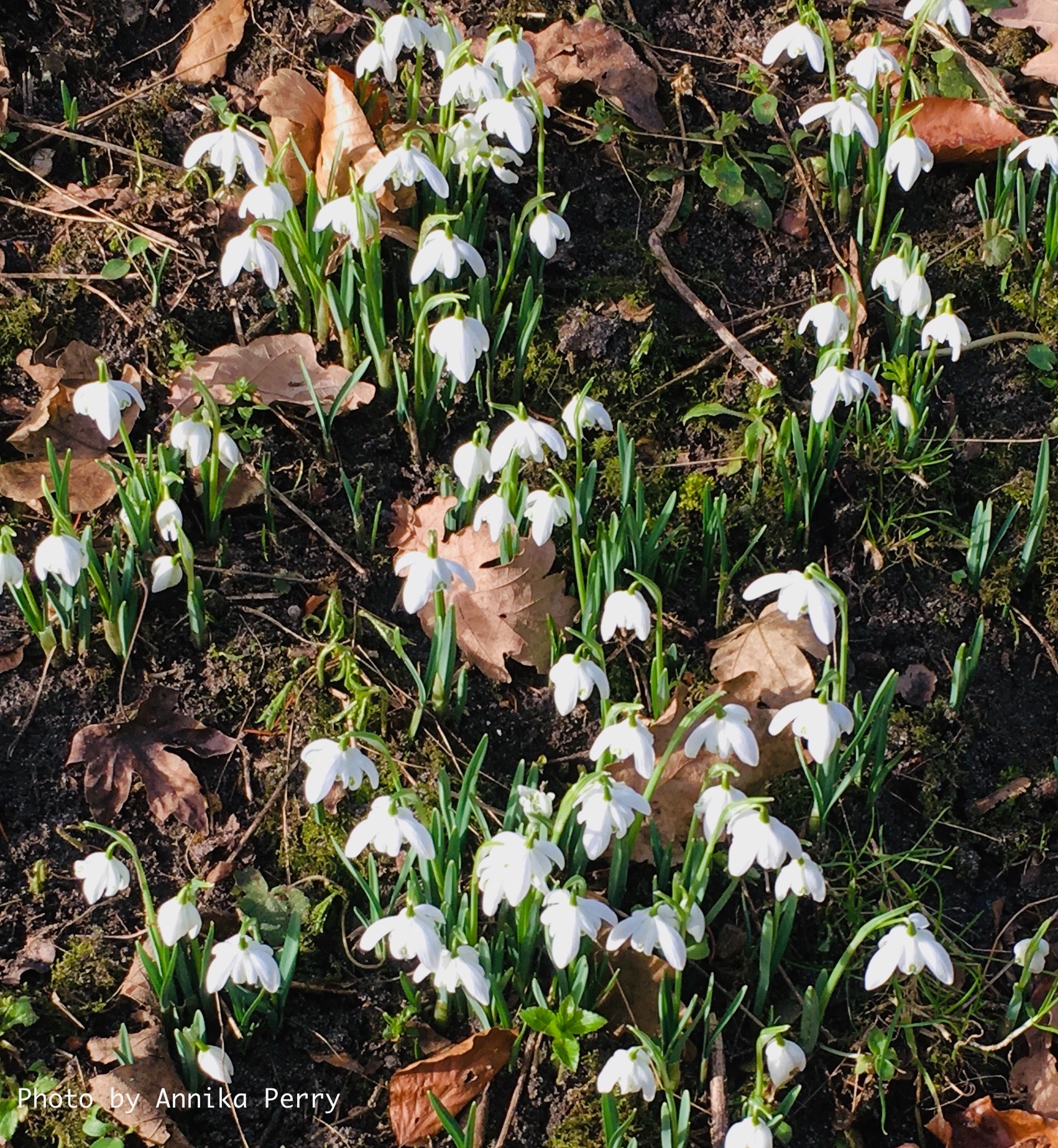
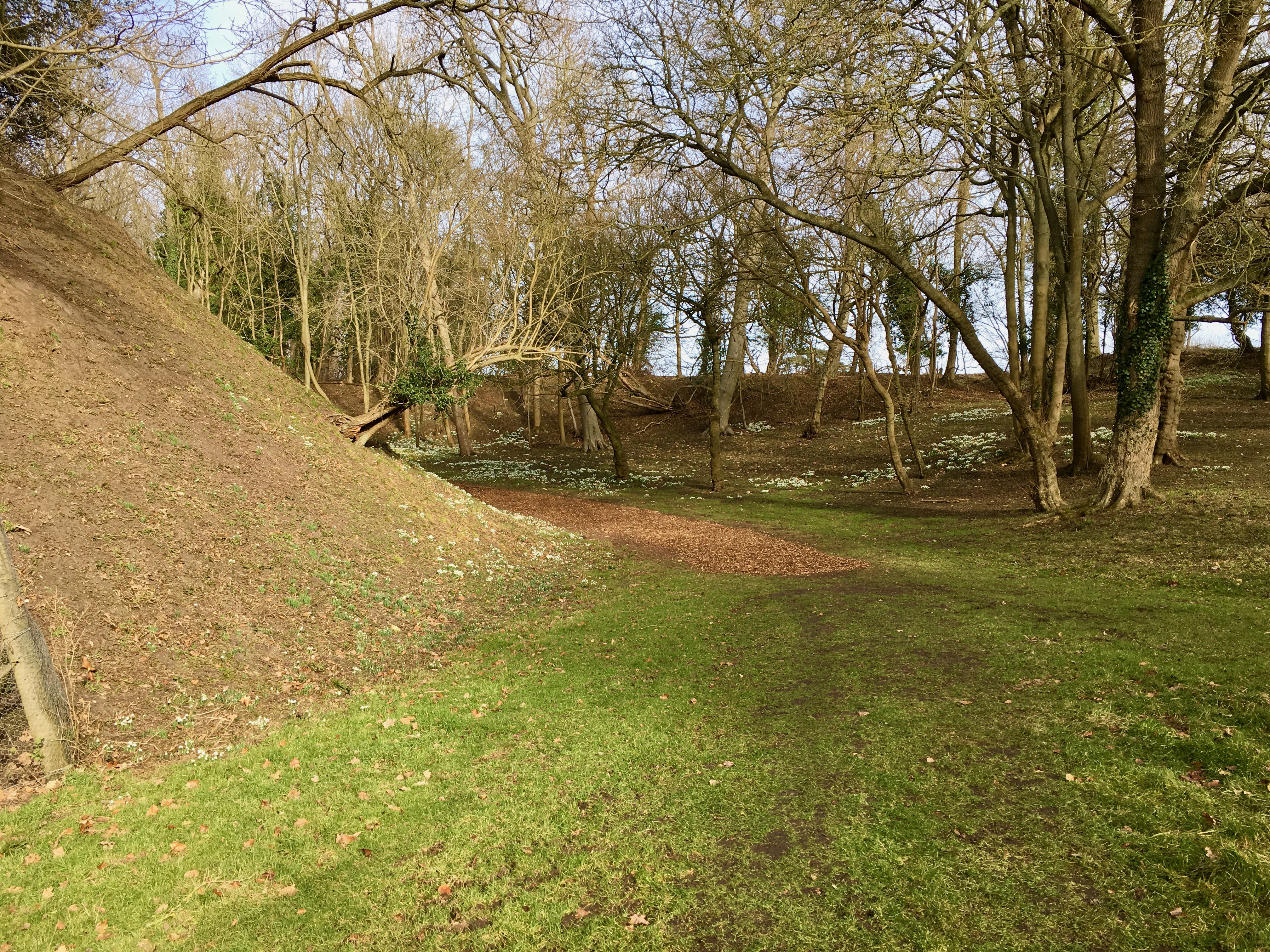
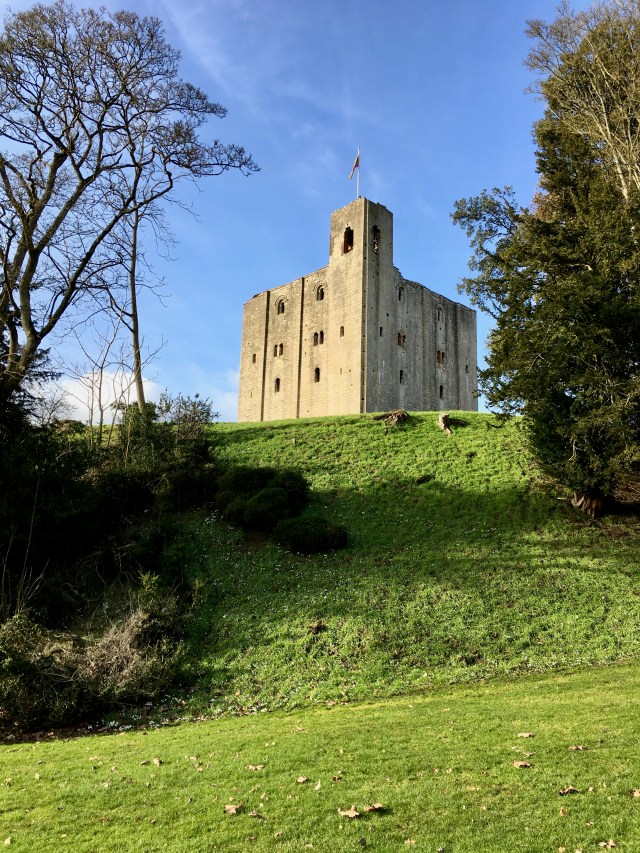
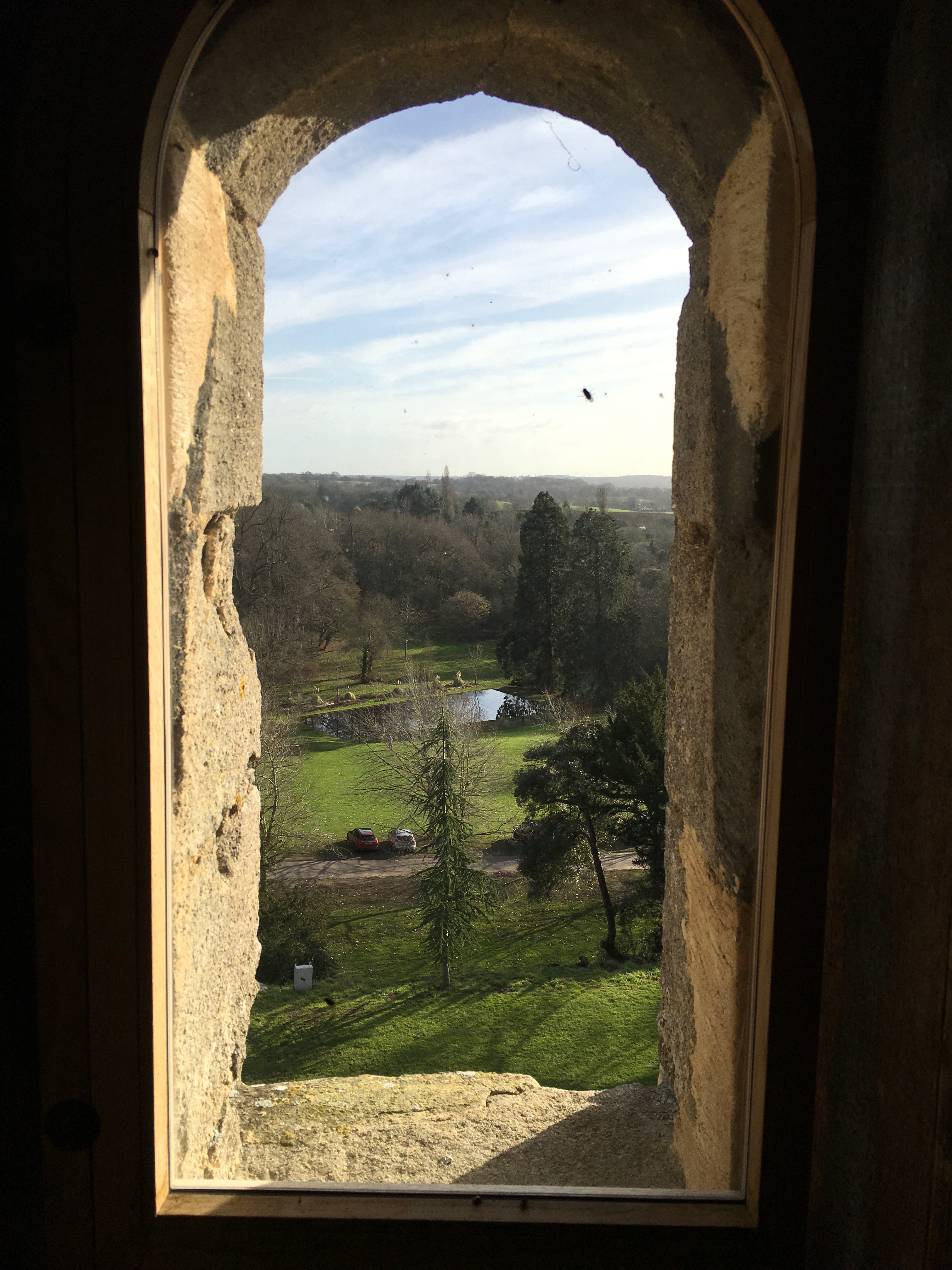
Hedingham Castle, a key military stronghold, is built on a hill which gave it an excellent defensive position. A deep moat runs around the castle and in Norman times the area would have been kept clear to ensure visibility of approaching enemies from miles away. As its defensive significance waned in the eighteenth-century trees were planted to create soft woodland witnessed today on the long moat banks carpeted by snowdrops in February and these are still popular in the 2020s.
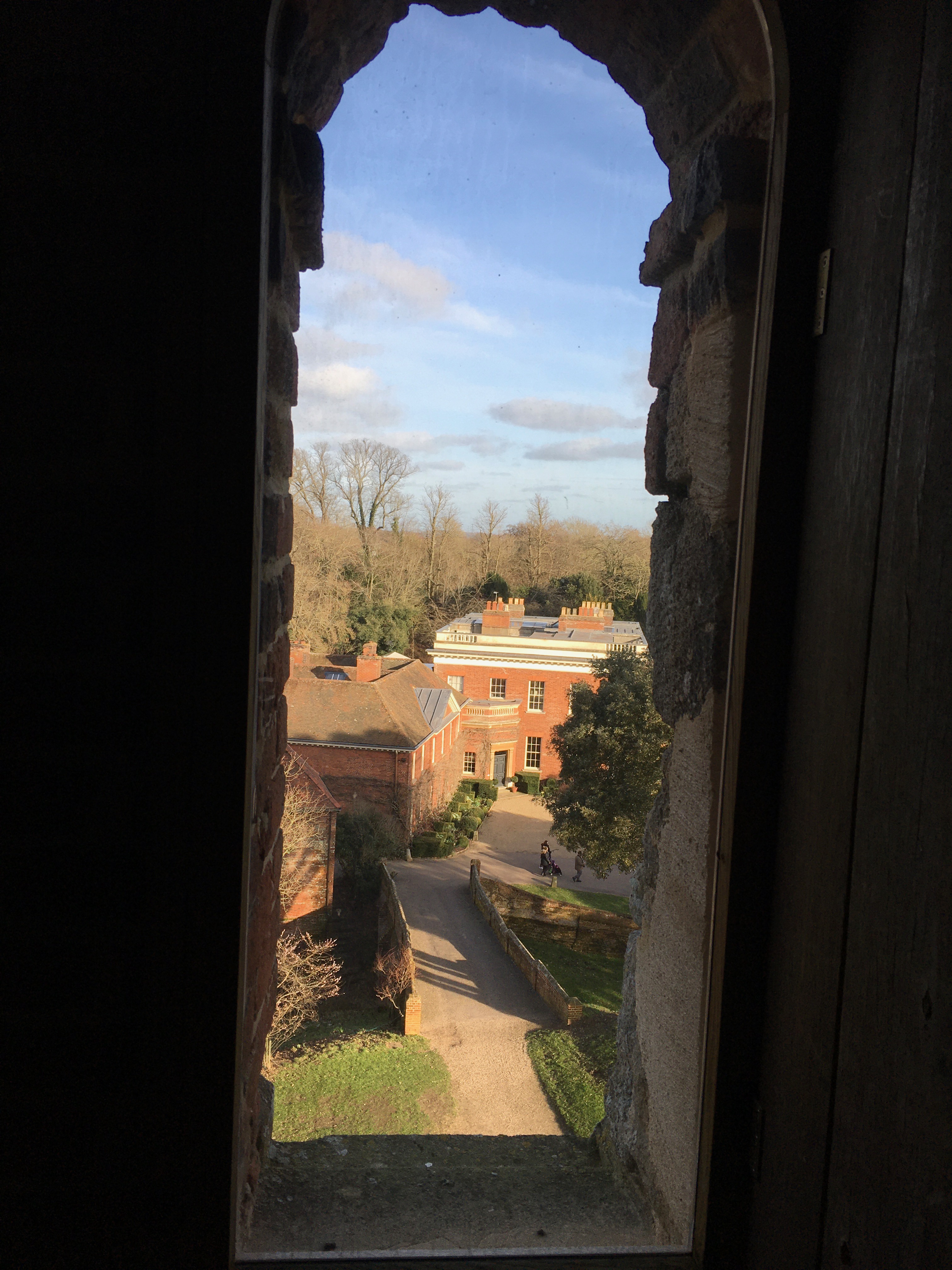
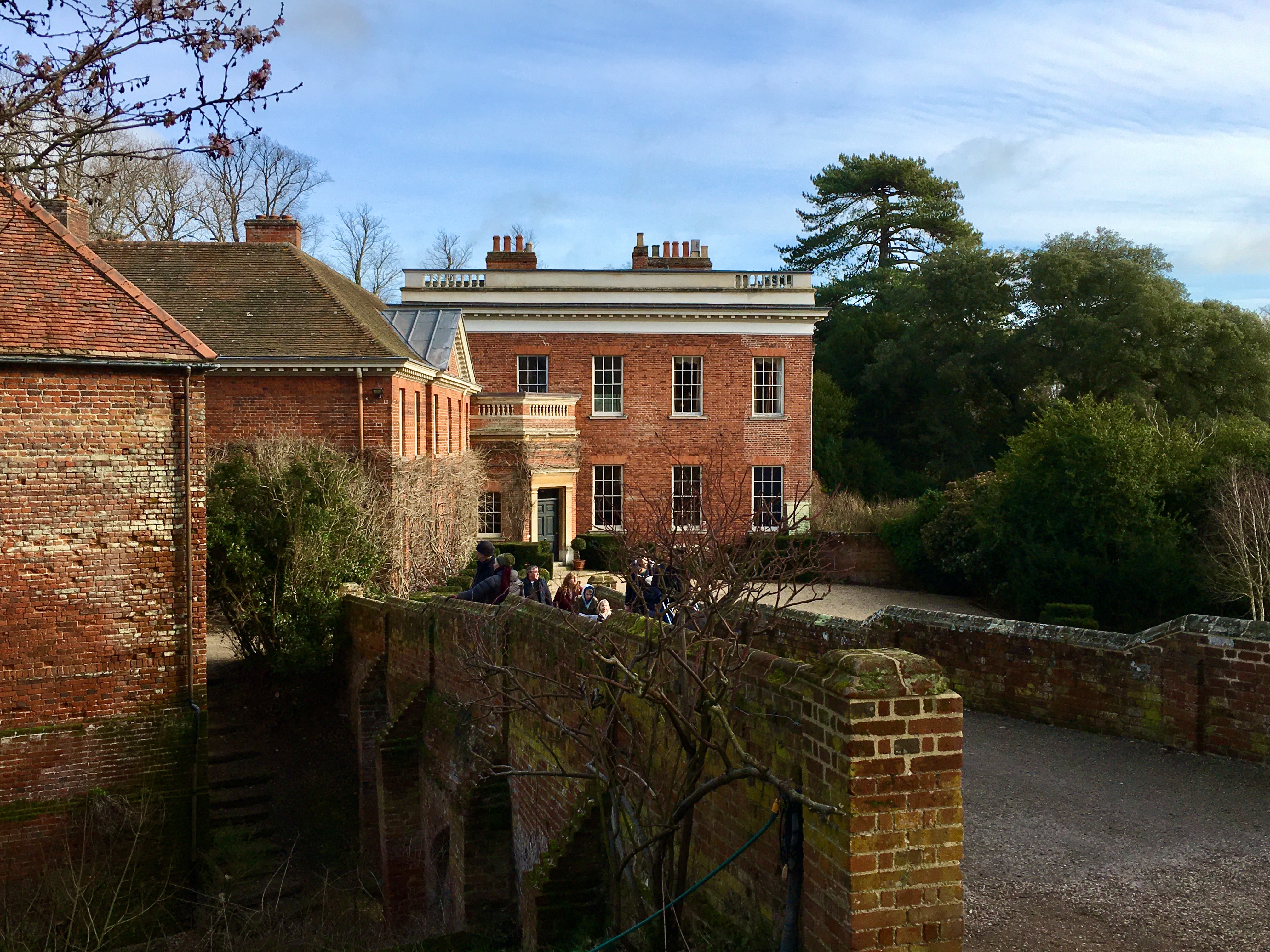
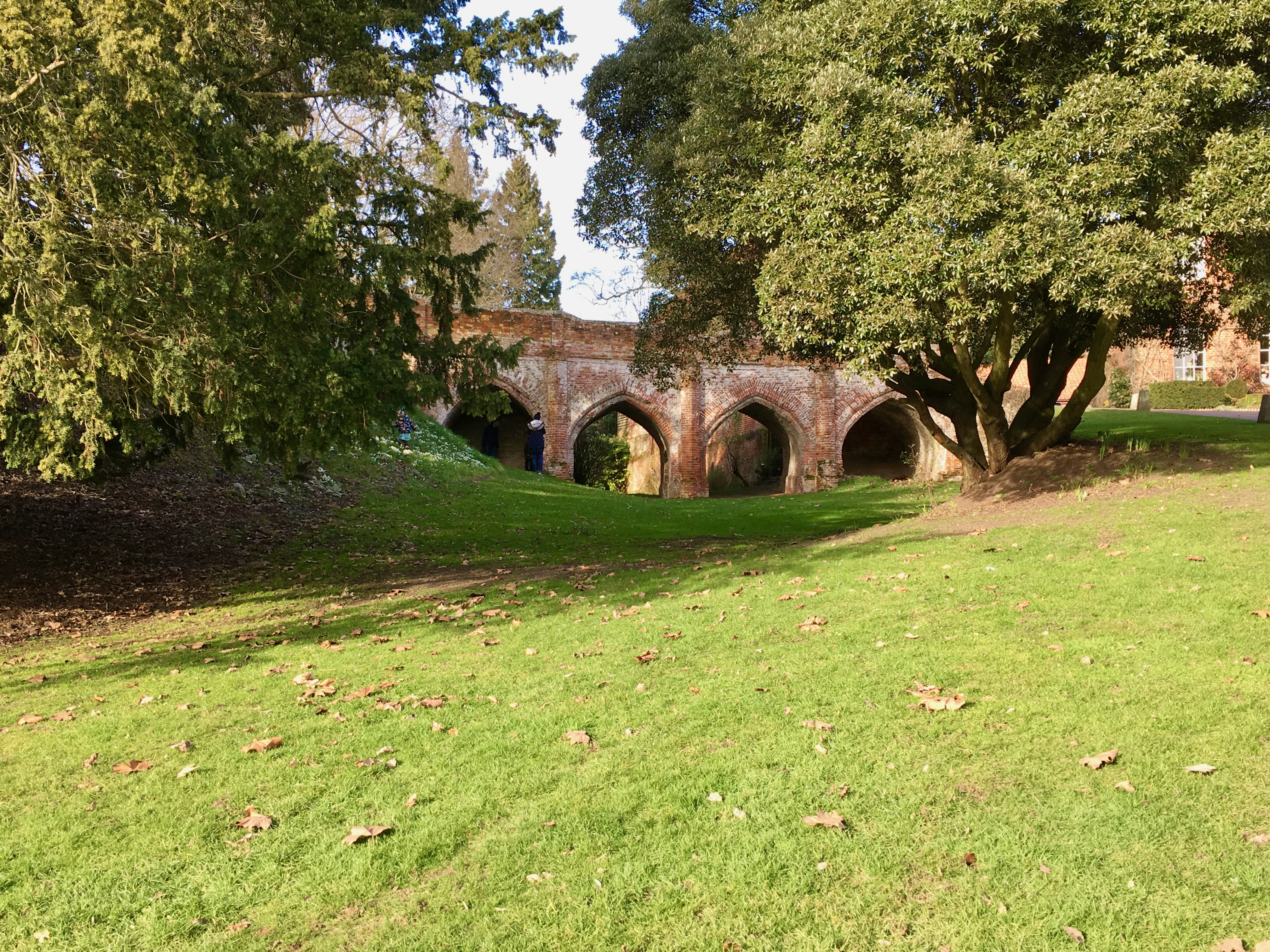
The original point of entry onto the castle grounds would have been a wooden drawbridge however this was replaced in 1496 with a Tudor bridge. On the grounds just outside this brick bridge a new owner of the castle, Sir William Ashhurst (a banker and politician) ordered the building of the Queen Anne House in 1719 and this still exists and it overlooks the lakes and landscaped gardens. The house replaced the 1498 buildings which included barns, stalls, granaries and storehouses.
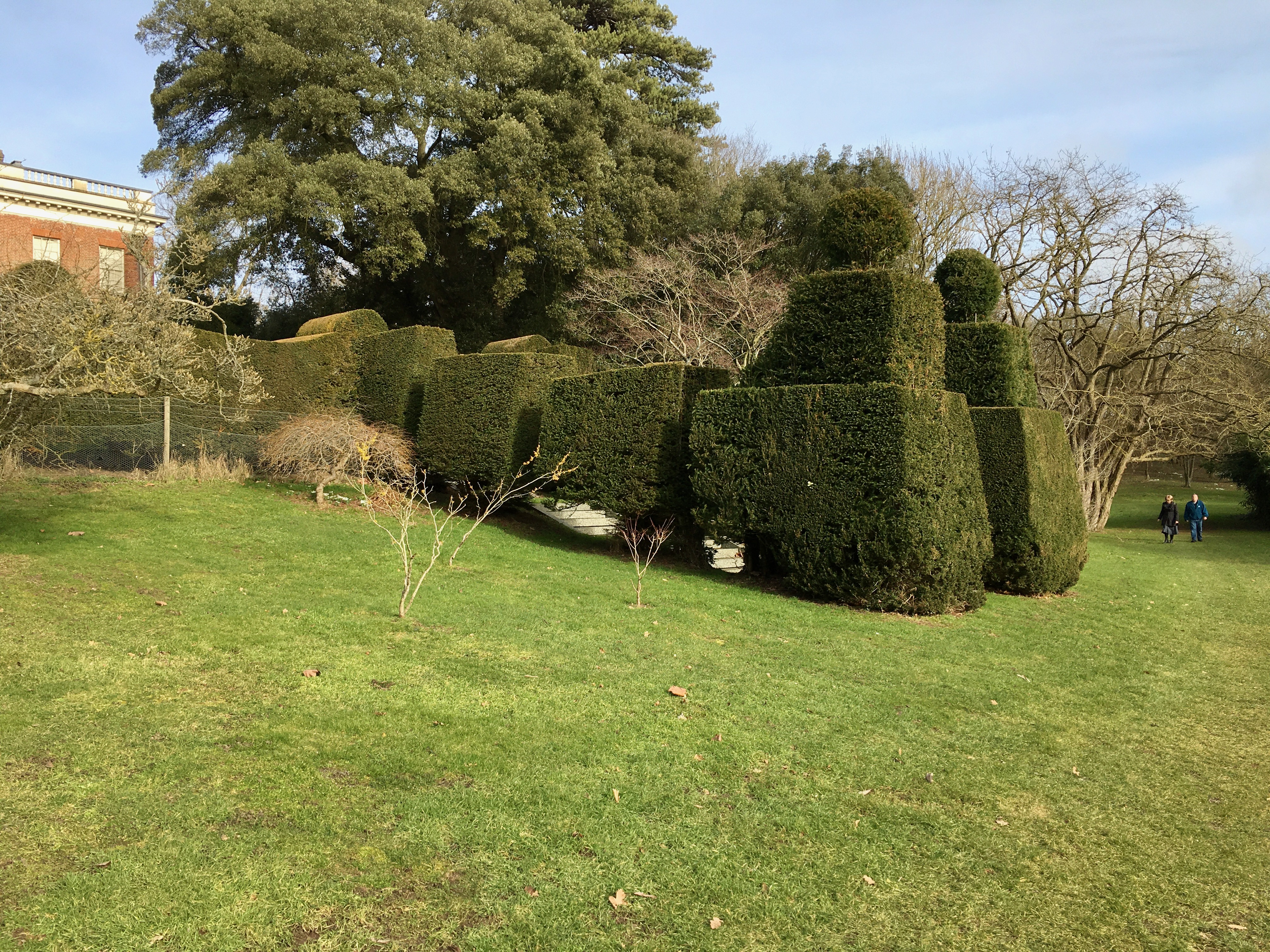
The large green expanse surrounding the castle is known as the tilting lawn and here the knights would practice their fighting skills as well as hold regular jousting events. Also, archery and other battle skills were honed and displayed here. Nowadays, throughout the summer, there are mock traditional jousting festivals replicating the activities of the medieval knights – the power of the horses and the ability of the ‘knights’ are truly awe-inspiring.
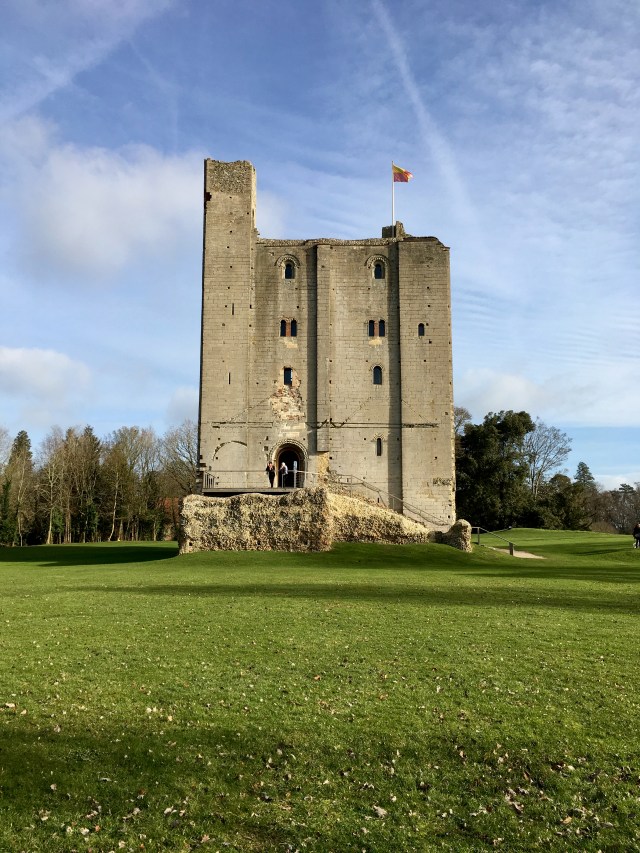
In the seventeenth century, the castle became superfluous as a defensive building and it was quickly falling into a state of disrepair. As a result in 1600 the 17th Earl of Oxford demanded that the majority of the castle be pulled down and what is left today is the main keep. This keep is one of the most impressive keeps in the country; another famous one is at the Tower of London.

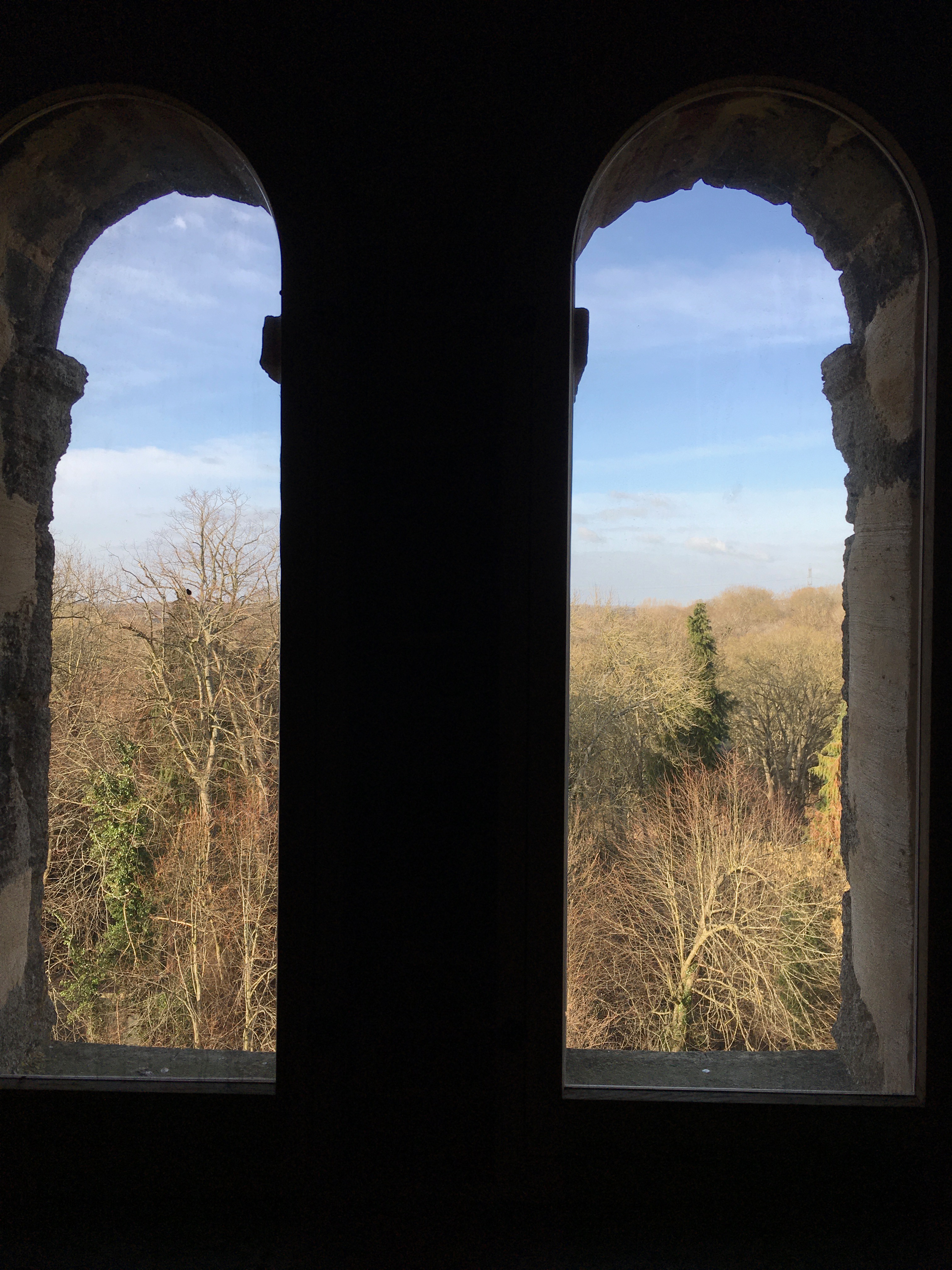
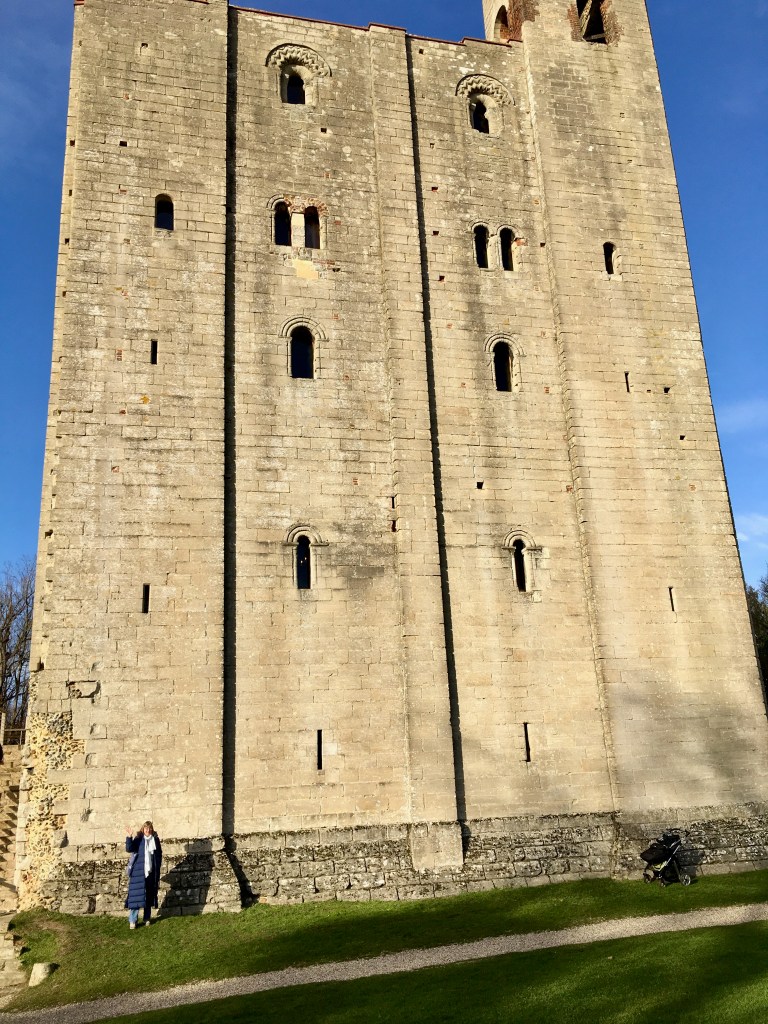
The keep is neck-achingly high and standing below it one can barely see the top 37 metres / 110 feet above. The walls are incredibly thick and strong at nearly 4 metres / 12 feet wide. This was a castle and keep built to keep the enemy out and its nobles, knights and families safe!

On the lowest level of the castle were the dungeon and storage. A stone staircase from outside leads onto the ground floor of the castle and here, on the garrison floor, the soldiers would have been sequestered. The small slits of windows surrounding the room let in just enough light and were wide enough for archers to shoot out at approaching enemies but small enough to make sure that no missiles entered the keep.
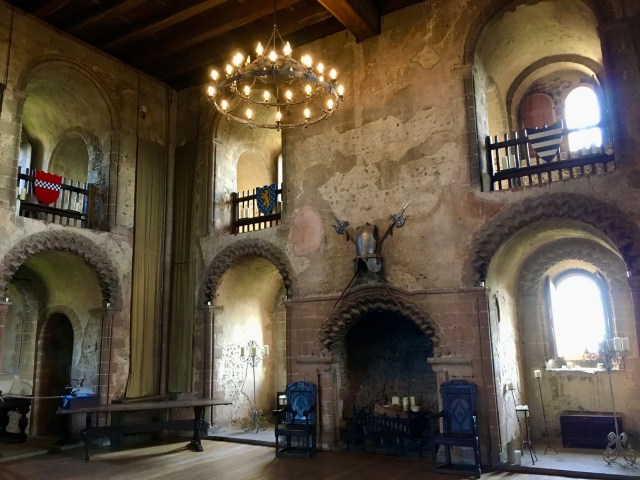
A garderobe (primitive toilet) is housed in one corner of the garrison floor, and is mostly a seat with a long open drop to the outside!

The beautiful mysterious staircase runs within the walls up to the other levels of the keep. The original stone steps were replaced by brick in the fifteenth century and the next floor leads to the stunning banqueting hall.

The hall is one of the finest domestic interiors still fully intact. It is a splendid room and towering across its length is an awe-inspiring breathtaking arch. The arch is the largest existing Norman one in England at 8.5 metres / 28 feet wide and 6 metres /20 feet high. The room would have been the headquarters for the Earl of Oxford; here the Earl lived with his family and from here the castle and estate were administered. The walls would have been covered by rich tapestries and rugs. The vast space would have been kept warm by the giant fireplace with its distinctive elaborate double chevron patterns renowned in Norman times – carvings seen throughout the castle.
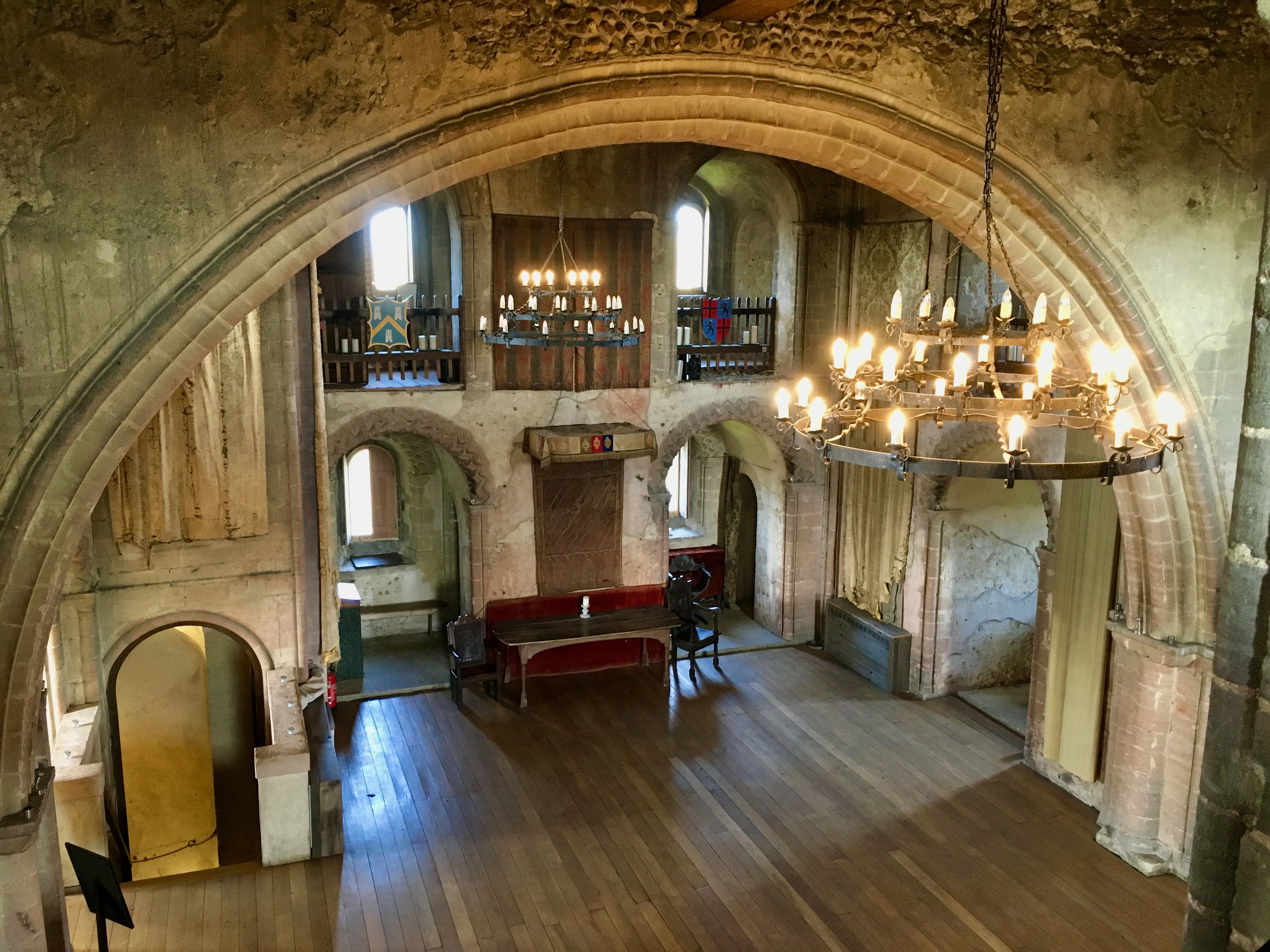
Compared to the rich and luxurious carvings and wall hangings, the furniture would have been simple, with trestle tables, benches and wooden chests while rushes covered the floor.
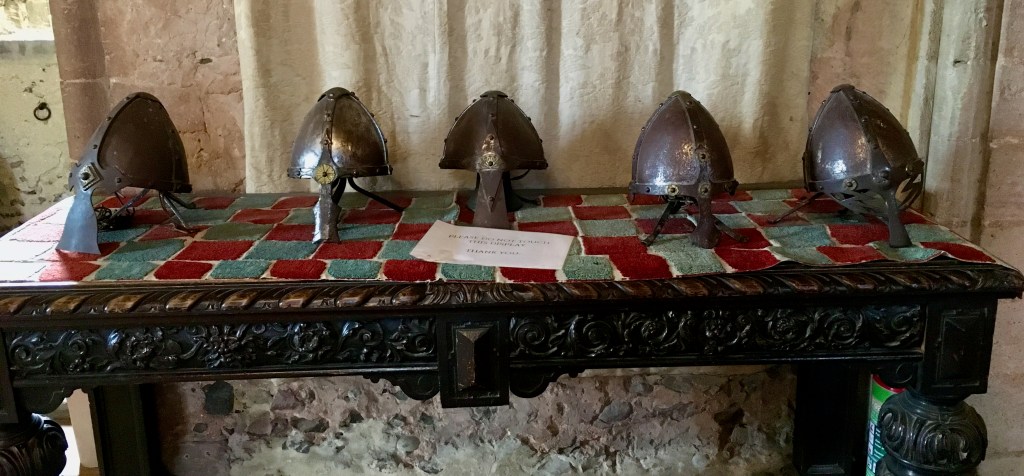
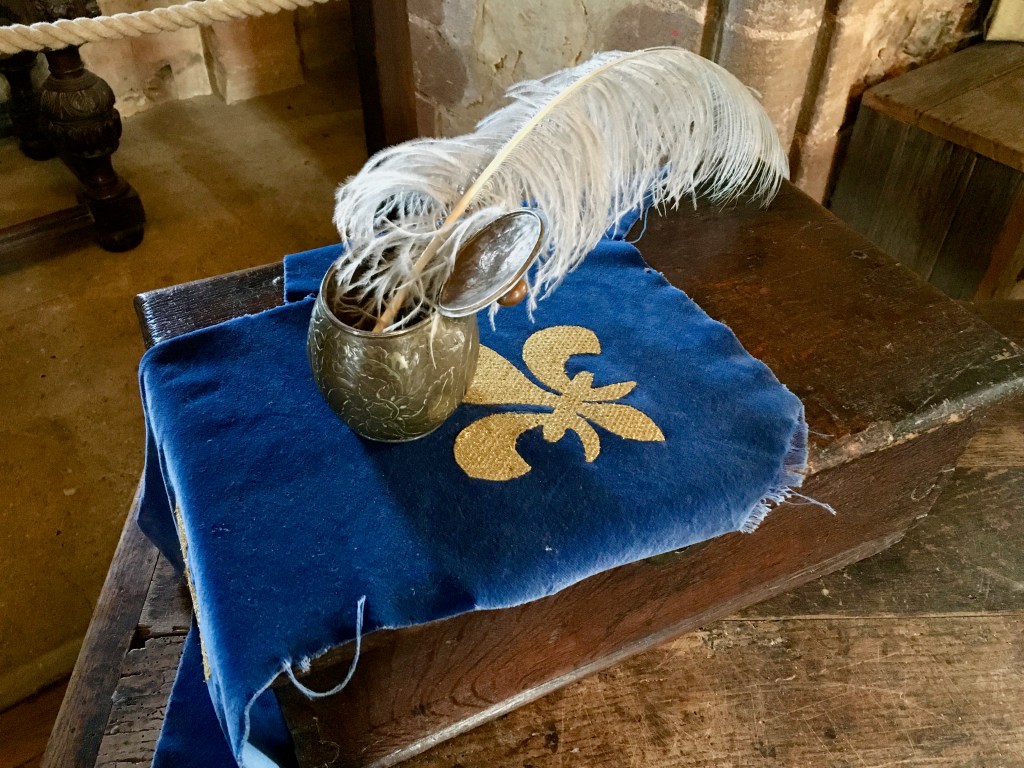
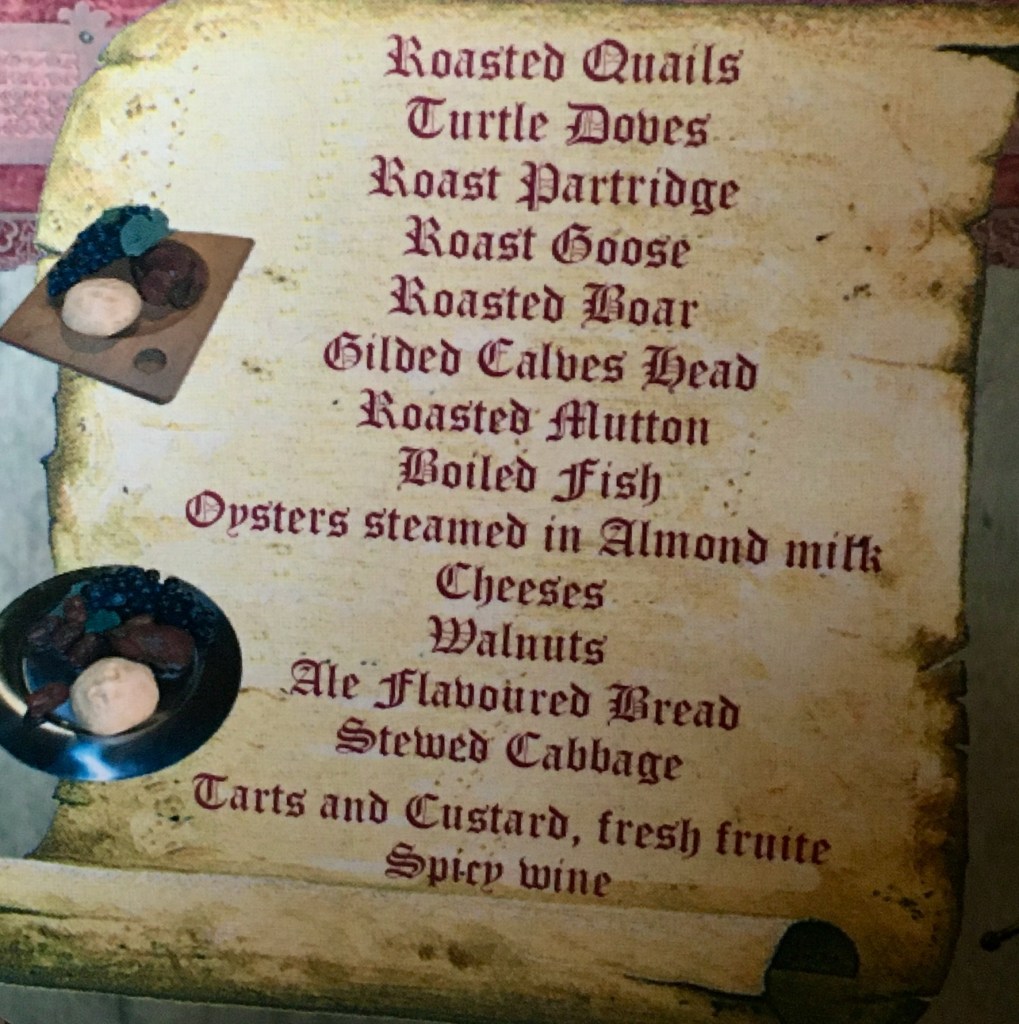
The diet of the time was based heavily on game such as deer and pheasant while the diners were entertained from the minstrel’s gallery above.
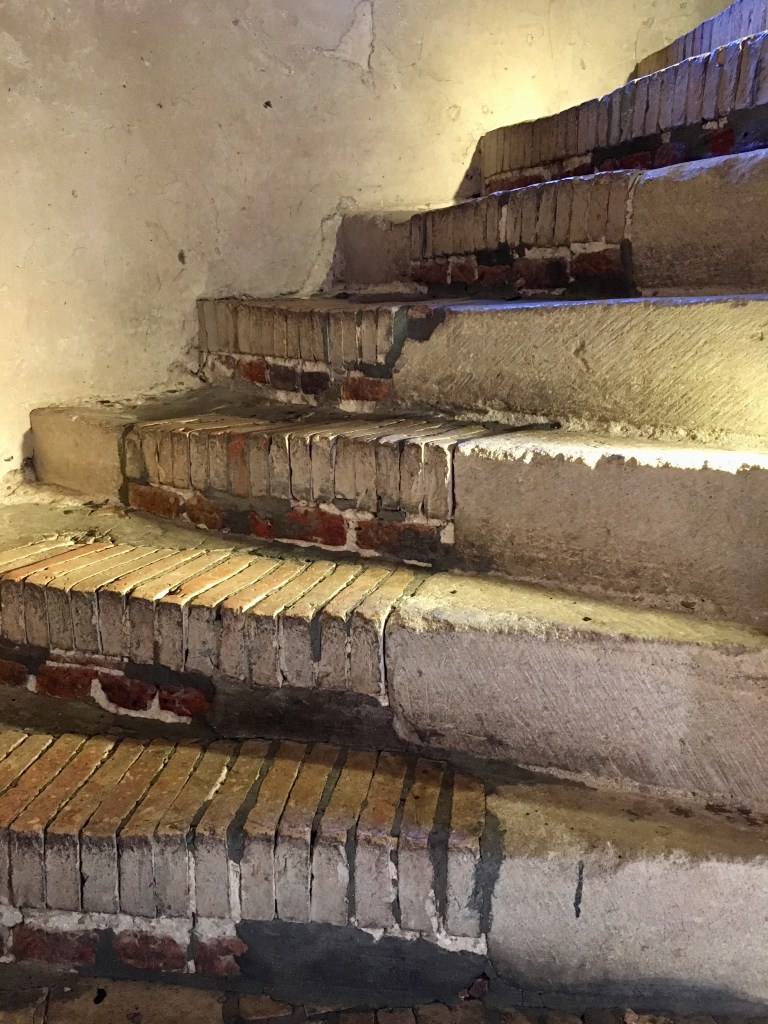
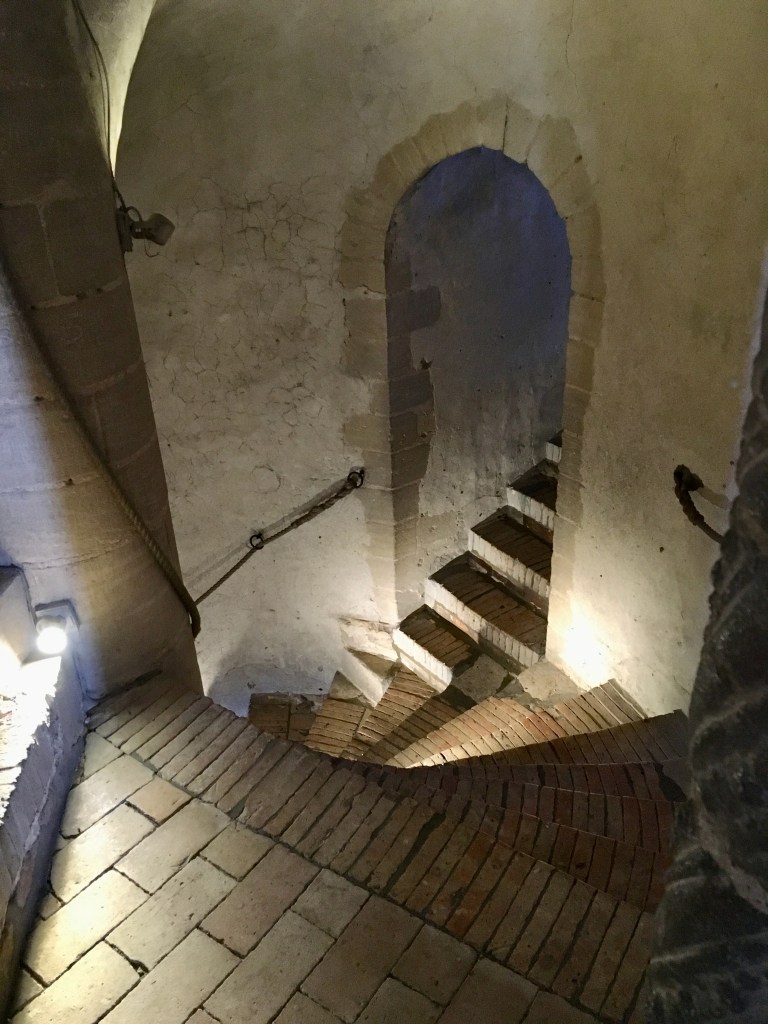
The ever-narrowing inner staircase leads to the minstrel’s gallery, a haunting corridor tunnelled inside the thick castle walls and running all around the banqueting hall. From here the travelling musicians, jesters and magicians would perform their craft, clearly visible from below.
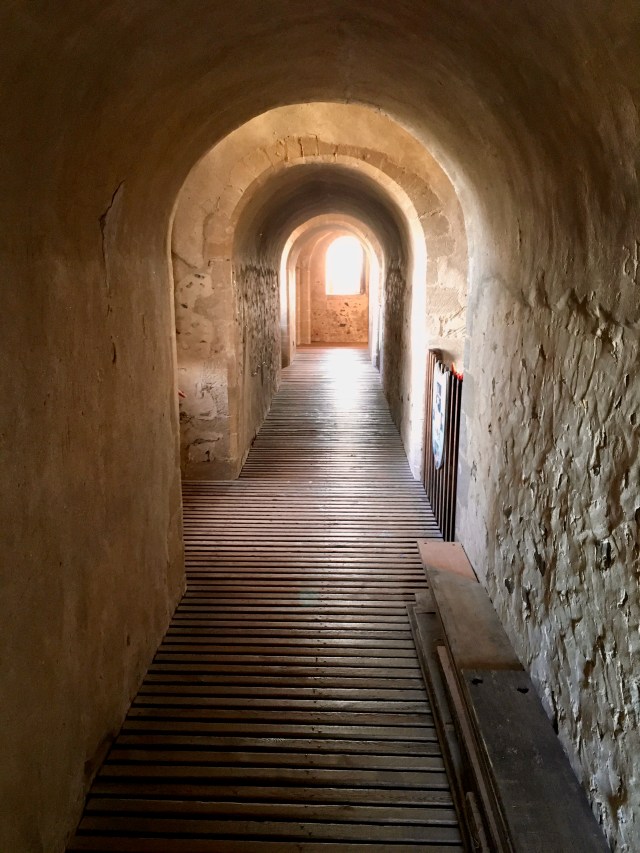
The Minstrel’s Gallery

The top level of the keep was the dormitory section of the castle and more simplistic in its decor and layout.

It is time to exit through the magnificent double chevron-carved arched double doors of the castle. These doors date from the 1870s and were originally from the Blue Boar, a local pub in the village.
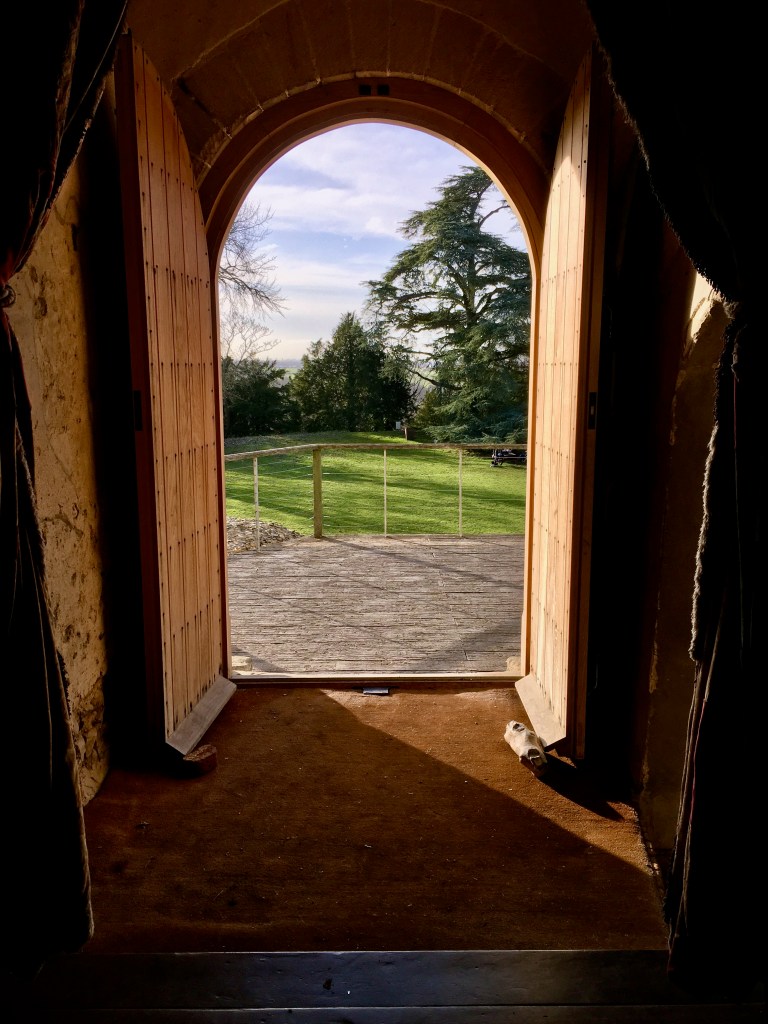
The main double-door entrance onto the tilting lawn

After a memorable morning of exploration, one becomes fully immersed in the incredible history of Hedingham Castle. A castle which was twice successfully besieged for short periods, once by King John in 1216 and a year later by the future King Louis XV11. A castle whose owner, Edward de Vere, 17th Earl of Oxford, is strongly rumoured to be the true writer of Shakespeare’s work (if interested read more here). A castle filled with the aura of its extraordinary past.
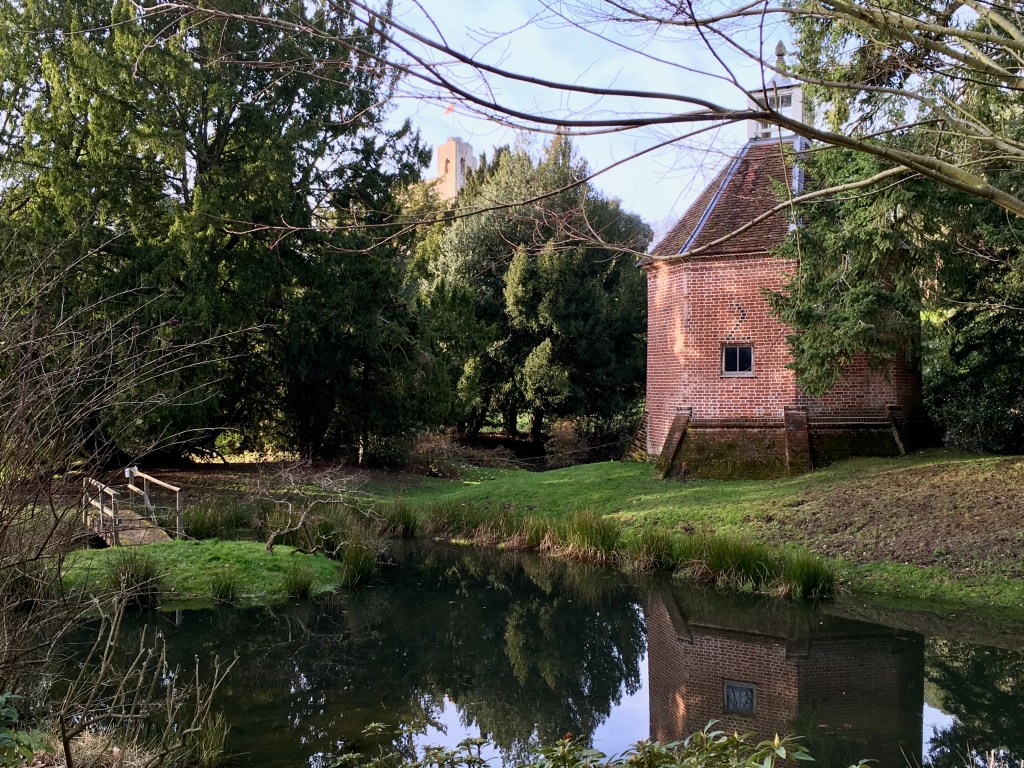
The dovecote which was built 1720

Stepping out into the sunshine was that the sound of battle? The voices of medieval folk on the tilting lawns? With a head full of facts and figures, with imagination over-heating on stories from the past, a refreshing stroll of the grounds beckoned. A time to stop and admire the snowdrops, the beautiful gardens and the lakes. Near one lake stands a dovecote from 1720 whose 460 nest boxes supplied meat and eggs for the family.
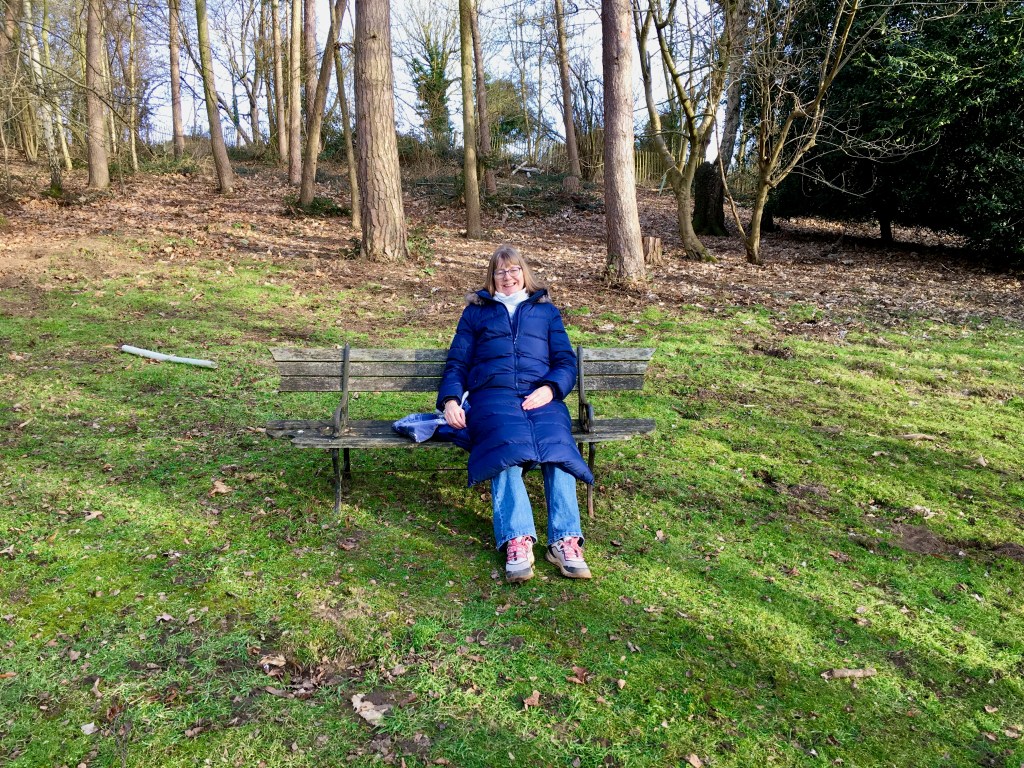
The twentieth century saw Hedingham Castle fall back into the fold of the de Vere family. Its new owners, the Lindsays, are part of the famous family through inheritance. Through their hard work, the castle and its grounds are once again part of the community through its open days of jousting, car shows and open-air theatre as well as being a popular place for school educational visits. Furthermore, it is a unique and memorable location for weddings!
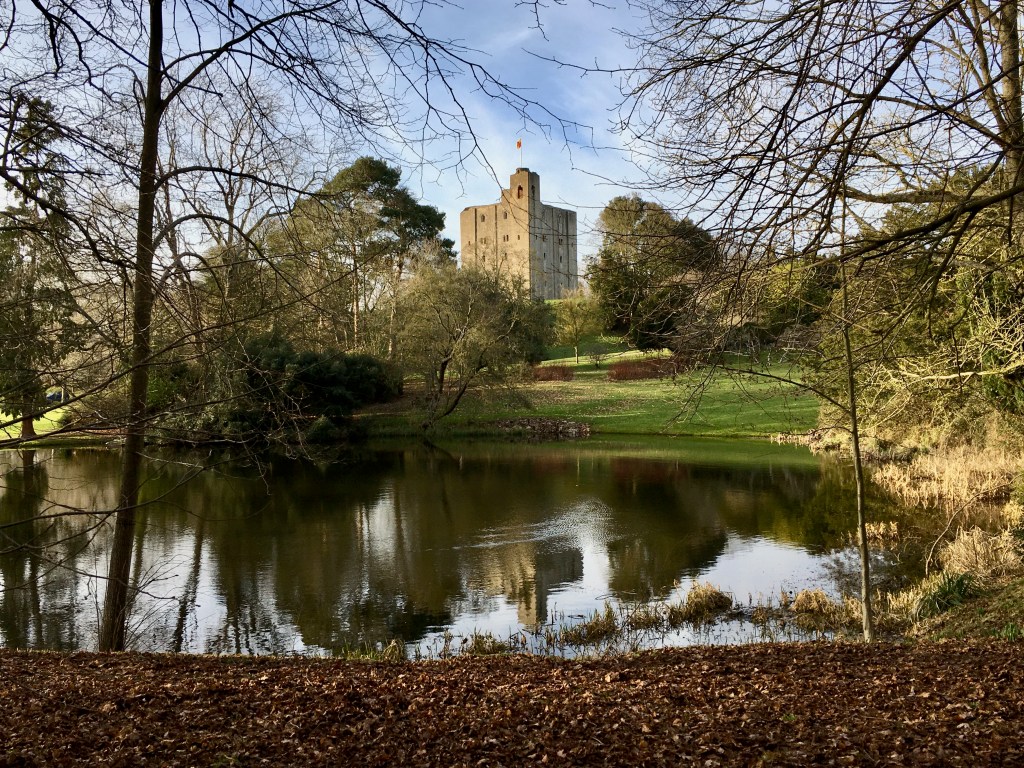
NOTE: Post, writing and all photos ©Annika Perry, February 2023

EVERYBODY’S FREE (TO WEAR SUNSCREEN)

I stumbled across Everbody’s Free (To Wear Sunscreen) for the first time last week and was struck by its profound wise message. Certain sections of the sage advice caused me to cry up at my youth, and others had me laughing at how the world never changes! How could anyone sum up life in just a few minutes but they did!

Here are just a few snippets:

‘The older you get, the more you need the people you knew when you were young.’

‘Don’t be reckless with other people’s hearts, don’t put up with people who are reckless with yours.’

‘Know that worrying is as effective as trying to solve an algebra equation by chewing bubblegum.’

‘Do one thing everyday that scares you.’

‘Keep your old love letters, throw away your old bank statements.’ (Exactly what I did last summer when sorting boxes in the loft!)

If you’ve heard the song before I hope you enjoy listening to it again. If you’re hearing Everbody’s Free (To Wear Sunscreen) for the first time, prepare to feel as if your emotions have gone through the tumble dryer, coming out uplifted, seeing the world with new clarity and peace! And don’t forget to slap on the sun cream! I always do!

The song is based on a hypothetical commencement speech by newspaper columnist Mary Schmidt for the Chicago Tribune which was published in June 1997. Like so many others, musician Baz Luhrmann thought the essay was one given at a graduation ceremony at MIT by Kurt Vonnegut but as Baz Luhrmann tried to gain permission to use it for his song he discovered its true origins. Everybody’s Free (To Wear Sunscreen), also known as The Sunscreen Song, reached number one in Ireland and the United Kingdom.

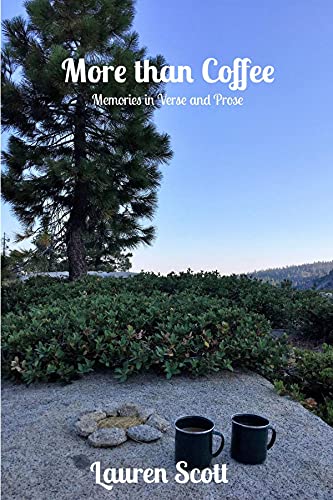
MORE THAN COFFEE: A BOOK REVIEW

‘More than Coffee’ by Lauren Scott is a beautiful and reflective celebration of life; a book of poems and prose that flows with ease between memories of the author’s life, of the six decades of a loving marriage of her parents and of her family, to present day hiking trails, between the wonder of nature and the seasons to the amusing encounter with spiders!

The pieces are imbued with warmth, love, light humour and sadness; overall togetherness. Life in all its facets is explored and ensures that the reader reflects on their own lives and those closest to them, reminding us of the treasures within even the most insignificant of items or events.

A late-comer to hiking and camping, Lauren captures the magic and enriching moments of being in the wonder of solitude in nature.

‘It’s about those quiet, nostalgic moments sitting on a smooth slab of granite, captivated by the sights and sounds of wilderness surroundings.’

The book begins with her first ever hike in her fifties and in ‘Silver Heirlooms’ she describes setting out her mother’s silverware which brings moving reflections on how this previously normal household cutlery is now filled with nostalgic significance and poignancy as her grief over the loss of her parents eases to help her move forward.

The power of nature is captured throughout and it is a privilege to join her on the trail, pausing to appreciate that ‘listening to the whispers/among the trees/our time here/is a gift.’ Just as Lauren Scott feels that the ‘tranquility embraces’ so the reader is enveloped in a heartwarming embrace.

The book fulfils the promise of being a ‘snapshot of memories’ and one of my favourites could easily be turned into a novel, I feel. ‘Ninety-seven candles’ is a beautifully penned piece about her father-in-law Wil and his extraordinary life. During his nigh hundred years of life, Wil has twice been joyously married yet endured two heartbreaking losses. However, his positive attitude and gentle humour still shine through.

A humour shared by her father, who when asked the secret to reaching his nineties, declared with aplomb, ‘the olive in the martini’.

Through her gifted writing, Lauren captures the fun first meeting with her husband; who knew selling a fridge could be so life-changing! On their first date, it was ‘as though we’ve danced together a million times before’. Lauren has a gift for seeing beyond the ordinary and in ‘Cake’ she weaves in descriptions of her bridal shower, her parents and children – the universal force of love and life is re-affirmed.

Since singing is part of Lauren’s being it is perhaps not surprising that the powerful and intense poem ‘Belonging’ is a love song to her husband and soulmate, Matt.

Do you trust me? Will you
take my hand and let me
lead the way to a place
transcending the boundaries
of our reality? Let us get
lost in the tranquility –
dancing to the majesty of
the surroundings, feeling the
rhythm vibrate through our
bones. For as long as our
hearts desire, this is our
destination. For time is
but a memory. Its existence
leaves no trace on the path
where we tread. There is
only you, me, and the
intensity of our belonging
to each other.

‘The Phone Call’ especially resonated with me as a recent ‘empty-nester’; I related to the gems of long chats with children moved away, the love and pride as they make their way into the world, but the pain too. As Lauren’s son is soon to embark upon his path across the country he tries to reassure his parents and show them how this is a positive experience for them – a comment that had me laughing out loud and so typical! ‘Mom and Dad can reap the benefits of having the house to themselves.’

In ‘More than Coffee’ Lauren realises her dream to be ‘the narrator of my own stories’ and it is with gratitude, joy and chuckling that I could sit down, with a cuppa, and join in this wonderful, uplifting and absorbing collection; peace settling upon me. I only hope I will learn to collect my memories with equal clarity, wisdom and warmth, to reach a deeper understanding of life and its joys and tragedies. ‘More than Coffee’ is a true tonic for the soul and I cannot recommend this book highly enough!

Rating: 5 out of 5 stars

Publication Date: 21st September 2021

Available:

Amazon UK: Kindle £ 3.32 Paperback £ 6.88

Amazon US: Kindle $ 4.99 Paperback $ 2.34

ABOUT LAUREN SCOTT

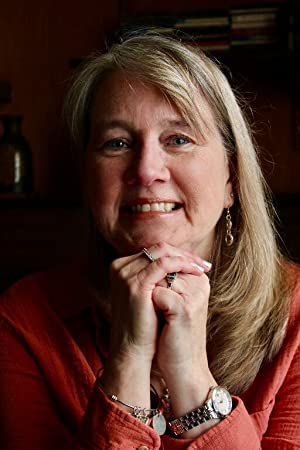
Lauren writes poetry, memoir, and fiction short stories who lives in California with her husband of thirty-three years and their chocolate lab; they have two grown children. She has authored two collections of poetry: New Day, New Dreams (2013) and Finding a Balance (2015). Her latest book, More than Coffee: Memories in Verse and Prose was published in 2021. And in 2022, she contributed four poems to the anthology: Poetry Treasures 2: Relationships. Lauren writes about family, experiencing loss, finding joy in the smallest things, and nature from her many backpacking and camping adventures.

Parallel to her passion for writing is her love for reading. Whether it is a gripping thriller or a heartwarming romance, she enjoys exploring different worlds and meeting diverse characters, drawing similarities to reality that translate into her own writing. Her writing projects are sometimes serious – drawn from painful subjects and raw emotions – or they spotlight her silly side – pulled from humorous moments captured in photographs.

Lauren is inspired to write from her love of nature and the marvelous wild world that surrounds her: the smell of the woods, the sound of a babbling brook, and the chorus of birds singing. Recent backpacking trips with her husband along the California coast and Sierra Nevada mountains have stirred up thoughts to pen about love, lost friendship, family, and the possibility that anything can happen. Hikes along the Paper Mill Creek remind her that life is fragile. From trout hatchlings to swallowtail butterflies, Lauren marvels at how the world is interconnected and that every living thing matters. She hopes her readers will find a little nugget of delight, comfort, or understanding in her poetry and stories – some detail that resonates with them beyond her words.

Finally, Lauren Scott shares her beautiful poetry, vignettes on life, and fiction short stories on her engaging blog Baydreamer ~ a thread of words from every stitch of life ~. Enjoy meeting her there and join Lauren for a cup of virtual coffee and chat.