THE FREQUENCY OF US: A BOOK REVIEW

Are we where we truly should be? Where we belong with those who love us absolutely? These questions are at the heart of ‘The Frequency of Us’, a novel that defies genres and offers in one sweep romance, elements of the supernatural and hints of a ghost.

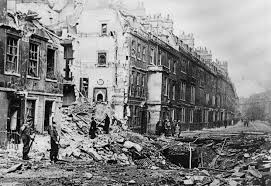
I was propelled by explosive force into the book as German bombs fall upon the city of Bath on the fateful night of 26th April 1942. Amongst the terror of the barrage of explosions Will Emerson, a young wireless engineer, dashes to rescue a neighbour’s son who is in Will’s radio workshop. Heading back across the long garden he sees his Austrian wife, Elsa Klein shouting a warning to him; a warning he fails to heed and instead, looking up he sees a bomb heading their way … then there is the light.
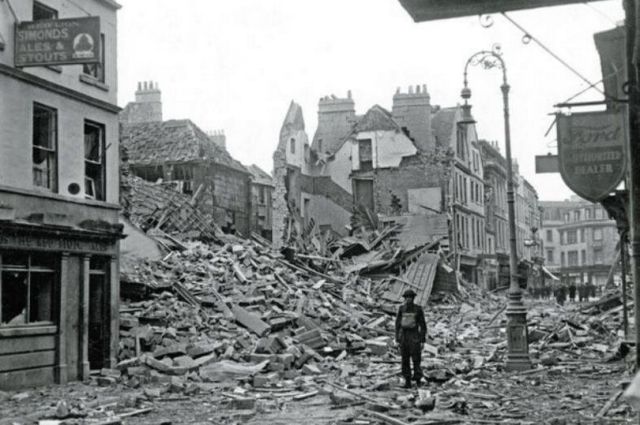
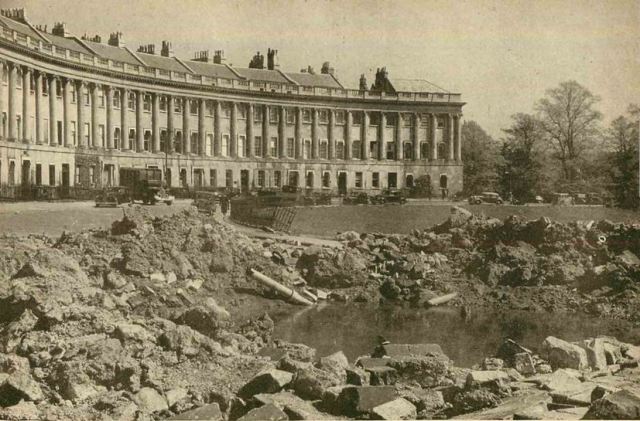
At this moment Will’s life and those around him are changed beyond one’s wildest imagination.

He awakens to a world without Elsa, where seemingly no one knows of her and his house has returned to its earlier bachelor self.

Already thoroughly hooked by the superb narrative the novel quickly moves seventy years into the future and introduces Laura James, a young woman whose life is defined by her emotional abuse by her father which led to her chronic anxiety and depression. As her first job back after her breakdown which included strong antidepressants, Laura is assigned as a carer to an elderly gentleman, to assess his needs and possible removal from his rundown home. A house that feels haunted. The home of Will Emerson.

The two are opposites in many ways, Will’s curmudgeonly nature almost drives Laura away, yet they are oddly drawn to each other, finding a form of understanding and gradually she becomes convinced his memories of Elsa and life pre-1942 are not signs of dementia but actual events. Laura’s tenacious research threatens to break her down once again and as she meets people from his earlier years, discovers events from the night of the bombing, Will’s and Laura’s lives become irrevocably intertwined.

Throughout a refrain used constantly by Will and one she heard as young from her father runs through her head: “Everything is always happening.” Somehow this seems the key, but how?

At one particularly low point, suffering from suspected severe medication withdrawal side-effects, Laura reflects wryly: “We are not credible witnesses to our own life.” Of course, the truth is far more complex, immersive and emotionally wrought.

As the mystery deepens the author’s deft handling of the complicated strands of the plot creates an intense read. Only afterwards did I fully appreciate all the clever details which foreshadowed the nail-biting final section of the book. I read like one possessed, racing to finish the book yet rueing the moment I would reach its end.

‘The Frequency of Us’ unfolds through a series of alternating first-person narratives of war-time Will and modern-day Laura. These are interspersed with the occasional voice of other characters which reinforce the story, all created with Keith Stuart’s natural flair.

From the first, I was completely enthralled by ‘The Frequency of Us’, hooked by the combination of heartwarming and vibrant romance and confusing conflicting paranormal events. Will, Laura and the myriad of other characters are portrayed with heart and skill, quickly entering my psyche and remaining there.

This is a superb and original third novel by Keith Stuart and as with ‘A Boy Made of Blocks’ and ‘Days of Wonder’, a book that will stay with me and I highly recommend. I’m eagerly awaiting his next book!
I received a free copy of this book from the publishers via NetGalley in exchange for an honest and impartial review.

Rating: 5 out of 5 stars

Publication Date: 25th March 2021

Publisher: Little, Brown Book Group / Sphere

Available: Amazon US Amazon UK

SUNLIGHT ON HER FACE

My short stories are usually written without too much planning, although I’ll have a rough idea in my head and maybe some notes scribbled on a paper beside me. However, writing a radio play is another skill set altogether and for this exercise I planned meticulously.

Below is my summary plan of my radio play ‘Sunlight On Her Face’. For those interested in reading the full 15 minute play please click here.

SUNLIGHT ON HER FACE / Summary Plan

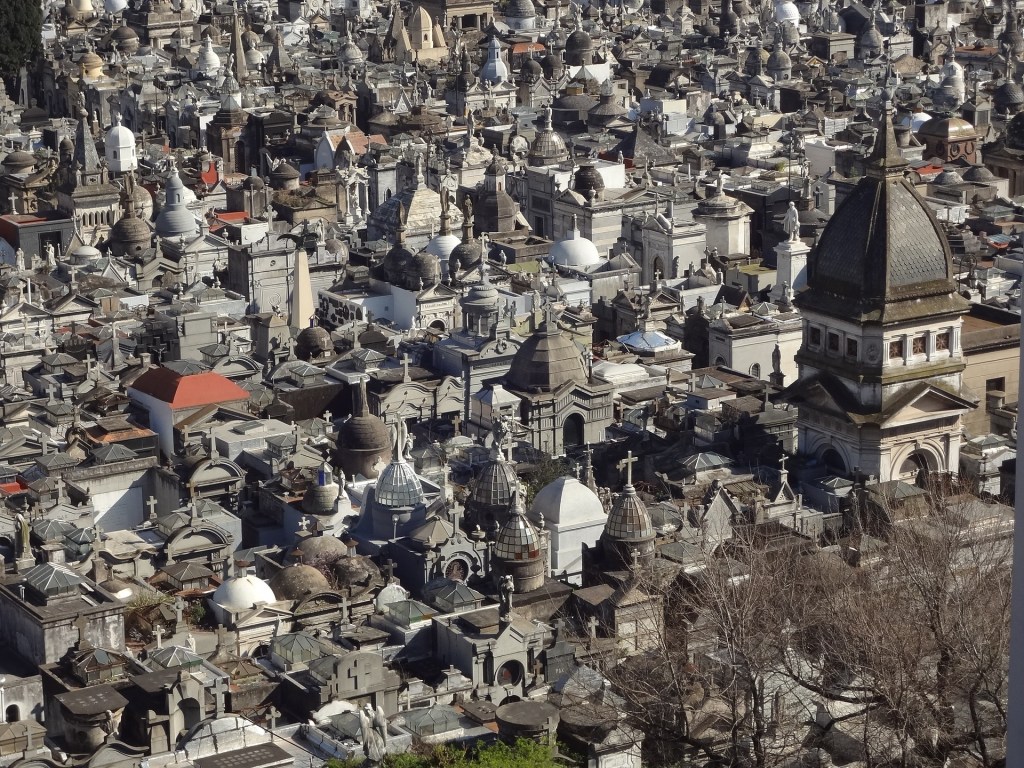
The play is called “Sunlight On Her Face” and starts in a prison in 2010s in Buenos Aires as Pedro is shown in by a guard to an interview room. Waiting at a table is the prisoner, a belligerent Carlos who immediately demands cigarettes. The anger and the tension in the room is palpable as the men cannot even start discussions without arguing.

Soon however, Pedro states his reason for coming. He is on a quest to find his sister, Juanita, who vanished 30 years earlier as she was seized off the streets by junta military and is now is one of the 30,000 ‘disappeared’ from the era. Pedro believes Carlos was a soldier at the camp she was held and yes, he does indeed remember the beautiful Juanita from the faded photo Pedro has presented. This is too much for Pedro who threatens to leave. Carlos persuades him to stay.

The next scene cuts to the event shown in the photograph. It is the early 1980s when the family are celebrating Juanita’s 18th birthday. Admist the happy celebrations, conflicts within the family increase as Juanita repeatedly accuses Pedro of causing upset in the family with his illegal activities against the junta. She fears for his life. Tempers are calmed by their mother and the fireworks he brought for her birthday are lit. However, before he leaves for the night the two siblings have a final fraught run-in.

The play returns to the prison and the conflict and bitterness between the Carlos and Pedro develop. Their anger threatens to derail any further talks, however it is Carlos who silences them with his accusation that Pedro is as responsible as the army for Juanita’s fate since Pedro’s actions caused her capture.

Carlos has hit a nerve and the play cuts to the fateful day when on a street, Juanita, who was visiting a friend, runs into Pedro posting leaflets through the letterboxes. She confronts him, shouting and crying, so scared that he is still involved with the student protests. He fails to calm her and then suddenly, brusquely, desperately, he begs her to run. To run for her life. It is too late, two soldiers seize her and bundle her into a truck. Pedro is dragged onto another, all the time screaming her name.

The final scene returns to the prison where drinks are poured, a packet of biscuits opened, both brought in by the embittered guard. Both men know this is the time for the final denouncement.

Carlos starts by saying how lucky Pedro was to be released – an administrative error we learn. Pedro does not feel lucky. Juanita meanwhile was taken to a camp for the women deep in the jungle. There Carlos reveals his admiration for Juanita who courageously started to help the other women.

Then, in shock Pedro learns that Juanita became pregnant and only for that reason was she kept alive until the baby was born. Incandescent Pedro demands more details. All Carlos knows is that a boy was born and then taken over by a couple connected to the top military. There are no records and now Pedro is barely able to talk.

There is a final silence. Carlos declares in justification that he was only following orders. That he had to do what he was told. What did he do? Pedro asks. Uninterrupted Carlos recalls how a group of women were drugged, put on a plane which flew low beneath the radar. It was only one of many such flights. The plane flew east to the Atlantic and the rising sun. As he hauled Juanita to the open door and as she tumbled out the sunlight caught her face, lighting it like an angel.

Pedro leaves Carlos, who is now sobbing, with a chilling message damming him to hell.
The End

DUALITY OF WALKS

Why restrict oneself to only one walk at a time? When two are far more exciting!

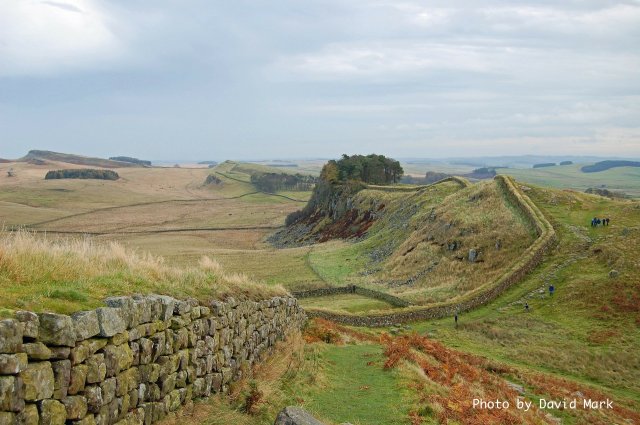
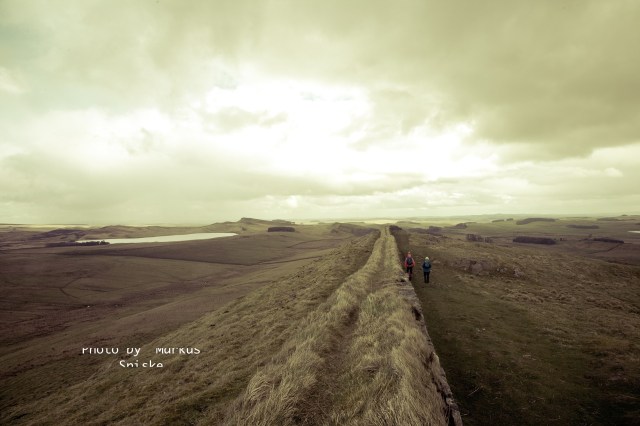
As I stride out into my neighbourhood through woods and fields I’m simultaneously traversing the path of an ancient wall 300 miles north and 2000 thousand years in the past.

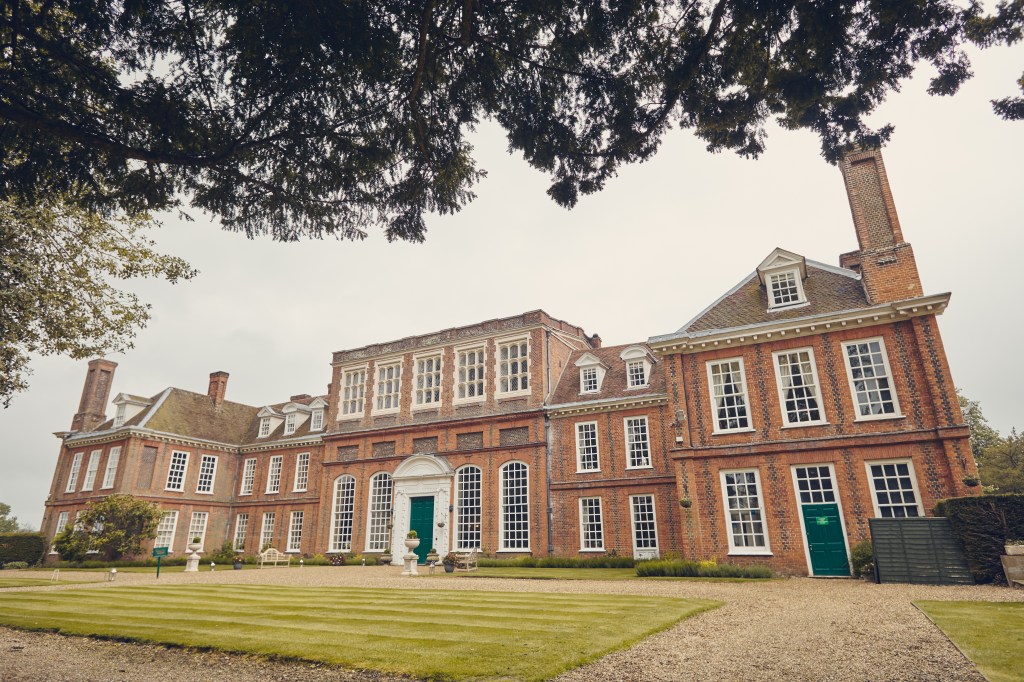
Nearer to home is a beautiful lake, over a mile long and created when the gardens of the local Hall were designed in the middle of the 18th Century.

The Hall itself was host to such prestigious guests as Elizabeth I and her grand retinue in the 1500s as well as King Louis XVIII. Along with his wife and courtiers the party numbered over 350 people and they resided at the Hall between 1807-1809 after King Louis XVIII fled the French Revolution.

Hall photo courtesy of and copyright © Hello Romance , with thanks.

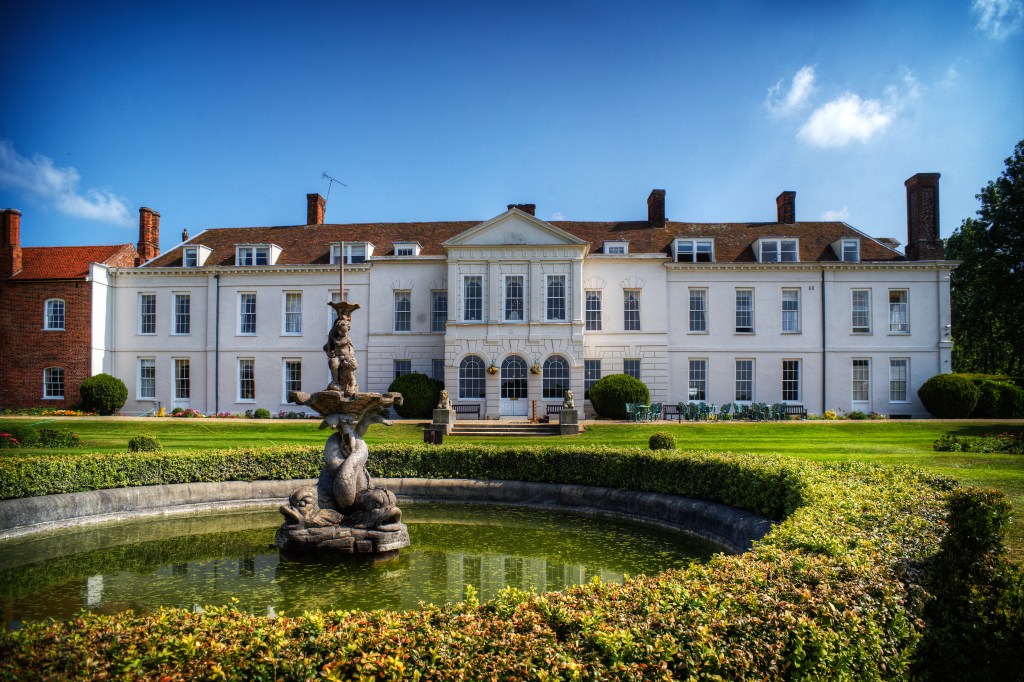
Nowadays the Hall with its Elizabethan and Georgian aspects is a beautiful wedding venue.

Hall photo courtesy of and copyright © Hello Romance , with thanks.

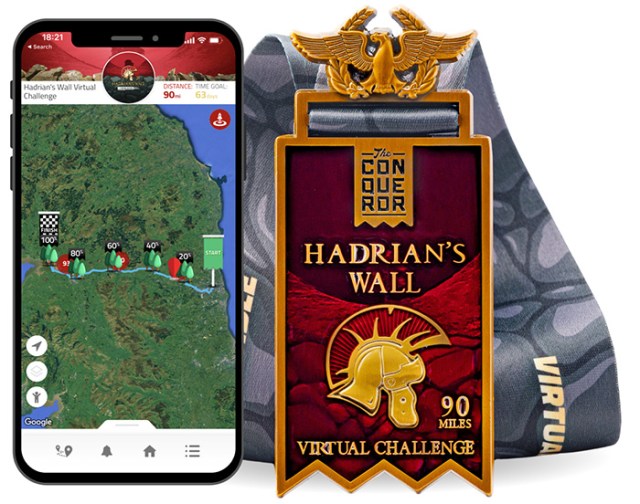
I’m further immersed in history on my second walk, this time a virtual one as part of The Conqueror Challenge, which involves a fabulous 90 miles following Hadrian’s Wall.

Hadrian’s Wall is a UNESCO World Heritage Site located in the north of England and the hike starts off at Wallsend near River Tyne not far from the North Sea and finishes at Bowness-on-Solway near the Irish Sea.

Hadrian’s Wall was built by the Romans in AD 122 by order of Emperor Hadrian and it was the north-west frontier of the empire for over 300 hundred years.

The landscape is breathtaking and along the 73 miles of the wall, much which is alas not in existence, there are fascinating fort remains to explore!

At home I’m still standing by the lake, soaking up the serenity of the winter peace. During the rest of the year, the 35 acres site is bustling with people and particularly with water skiers, both of national and international competitive standard, including a young man who was in my son’s class at primary school.

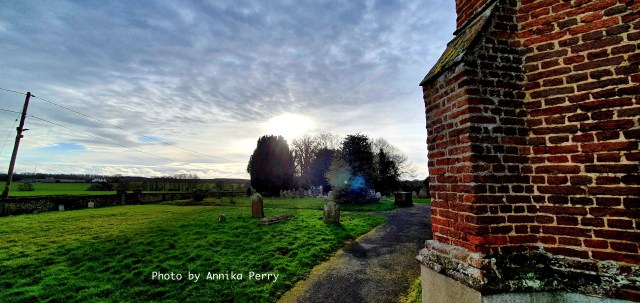
Just up the road is the local church and one has existed on the site since 1190. It was built by Audrey De Vere, 3rd Earl of Oxford during the reign of Richard I (The Lionheart).

The current church was established in 1435 and looks very much the same now as it did nearly 700 years ago. It is incredible to think that the church registers go back without a break to 1539.

As I leave the church, my walk along Hadrian’s Wall continues and I pause for a while at Homesteads to explore the ruins of ancient Roman military site. At this vantage point, the panoramic views stretch 360 degrees across the stunning countryside and show exactly why the Romans would have chosen this location for the fort. Amongst the ruins, I happen to see the oldest toilet in England!

Following a couple of months of bleak, damp and bitterly cold weather I needed an incentive to set out for daily treks. The inclination was rather low at the thought of walking through the same familiar routes and thankfully I came across The Conqueror Challenge on various blogs to encourage me out every day!

These challenges vary from the extreme to more moderate and Hadrian’s Wall looked just ideal for my first attempt at the challenge.

An app on the phone handily allows me to track my progress as well as seeing my location in 3D on StreetView. Along the way four postcards are emailed to me packed with information and for every 20% completed a tree is planted! Participants of the challenges have ensured more than 450,000 trees have been planted since August 2020. Furthermore, I look forward to receiving a medal upon completion of the walk – I can’t remember if I have ever received one before!

To finish my post I would like to briefly mention a very special man on who passed away on 2nd February 2021.

Sir Captain Tom Moore raised our spirits in 2020 with his warm, kind and positive nature and utter determination and true Yorkshire grit in his own particular charity fundraiser. Born in Keighley, West Yorkshire (a town close to where I grew up), he served in India and Burma during WWII.

Sir Captain Tom shot to fame as he aimed to raise a £1000 for the NHS by walking a lap of his garden on each of the 100 days leading up to his 100 birthday on 30th April 2020. To say he smashed the amount he hoped to raise is an understatement. He raised over £33 million for the NHS Charities Together, an incredible feat for one individual. He gave us all hope and inspiration when it was so sorely needed proving that the human spirit can prevail when so much feels lost.

As the flag at my local church flew at half-mast in his memory, the song ‘You’ll Never Walk Alone’ which Sir Captain Tom Moore recorded with Michael Ball played on loop in my head. It rightly became a number one hit in the U.K. in April 2020.

Here is it for you all!